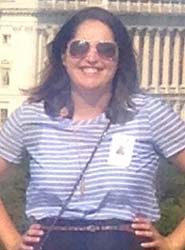
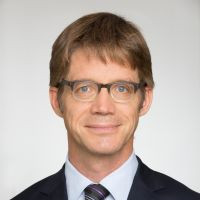
Emily U. Schilling is a Teaching Associate Professor in the Department of Political Science at the University of Tennessee . Her research focuses on American Politics and Research Methodology , with a particular emphasis on legislative dynamics, gendered polarization, and statistical modeling. Education: Ph.D., University of Iowa, 2015 Her recent publications explore themes such as legislative collaboration in the Texas State House, cosponsorship practices in state legislatures, and the impact of gender on political polarization and policy outcomes. She also contributes to methodological advancements, including duration analysis and handling missing data in spatial regression. While no specific scientific awards are listed, her work has been featured in academic forums and publications, reflecting her engagement with contemporary political issues and her commitment to advancing research in legislative studies and methodology.
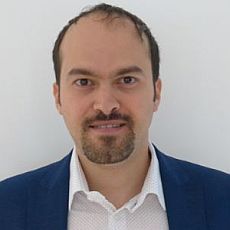
Tarek Mostafa is an Associate Professor in Education and Public Policy at the School of Education, University of Birmingham, and Director of the BA Education and BA Education and Sociology Programmes. Previously, he served as a policy analyst at the OECD Directorate of Education and Skills (PISA team) and a Senior Research Associate at University College London’s Institute of Education. His research focuses on education policy, public/social policy, assessment, equity in education, and survey/quantitative methods. He has contributed to international studies such as PISA and TIMSS, analyzing trends in STEM education, teaching practices, and teacher satisfaction. His work emphasizes the intersection of policy and practice, including studies on gender disparities in STEM careers, effective pedagogical strategies, and the role of longitudinal data in informing educational reforms. He has co-authored reports for the UK government on national educational performance and has published extensively on methodological issues in survey data linkage and missing data strategies. Prof. Mostafa’s expertise spans international education comparisons, curriculum reform, and the socio-economic dimensions of educational outcomes. His research highlights the importance of contextual factors like classroom discipline, teacher training, and policy coherence in enhancing student performance and equity.
Margaret Moss, PhD, JD, RN, FAAN, serves as an Affiliate Professor at the School of Nursing within the Faculty of Applied Science at the University of British Columbia. Her academic work bridges nursing, law, and Indigenous health, with primary focus on American Indian communities, while her umn.edu email indicates strong ties to the University of Minnesota. Dr. Moss holds dual doctorates (PhD, JD) and is a Registered Nurse, with her election as a Fellow of the American Academy of Nursing (FAAN) recognizing exceptional contributions to the field. Her research program centers on Indigenous health disparities, examining structural determinants through frameworks of historical trauma, cultural safety, and decolonization. She investigates critical issues including intimate partner violence in women of color, the epidemic of missing and murdered Indigenous women and girls, and health outcomes among urban Indigenous populations and elders. Analysis of her 2016-2025 publications reveals increasing emphasis on global health decolonization, Indigenous knowledge systems in research methodology, and geographic mapping of health disparities using GIS technology. Her work consistently advocates for policy reforms that integrate traditional healing practices with modern healthcare systems. Scientific recognition includes: Fellow of the American Academy of Nursing (FAAN) While specific advising details are unreported, her extensive publication record and community-based participatory research approach suggest active mentorship of Indigenous scholars and collaboration with tribal communities. Her work adheres to protocols respecting tribal sovereignty in Indian Country research. Dr. Moss's current initiatives emphasize language revitalization's physical health impacts and transnational perspectives on Indigenous health equity, positioning her at the forefront of decolonizing public health discourse.
Nalini Venkatasubramanian is a Professor at the University of California, Irvine with over three decades of research experience in Internet of Things, Cyber-Physical Systems, and Smart Spaces. Her work bridges theoretical foundations with practical applications in urban infrastructure, environmental monitoring, and healthcare systems, making significant contributions to both academic research and real-world implementations. Her research interests span privacy-preserving IoT systems, semantic modeling of smart environments, federated learning approaches, and resource-constrained computing. She has pioneered frameworks for human-in-the-loop IoT planning, verifiable data management, and context-aware monitoring systems that have been implemented in community-scale deployments. Her work consistently addresses the tension between functionality and privacy in connected environments. Analysis of her recent publications reveals a strong interdisciplinary trajectory, with increasing focus on environmental sustainability, equitable resource allocation, and socially responsible computing. Her research integrates techniques from machine learning, distributed systems, and human-computer interaction to solve complex problems in water infrastructure, power grid security, and community resilience. Dr. Venkatasubramanian has mentored numerous graduate students who have become leaders in their respective fields, and maintains extensive collaborations across computer science, civil engineering, and environmental science disciplines. Her laboratory has produced influential systems including SmartSPEC, REAM, CANOPY, and PrivacySphere, demonstrating her commitment to translating research into practical solutions.
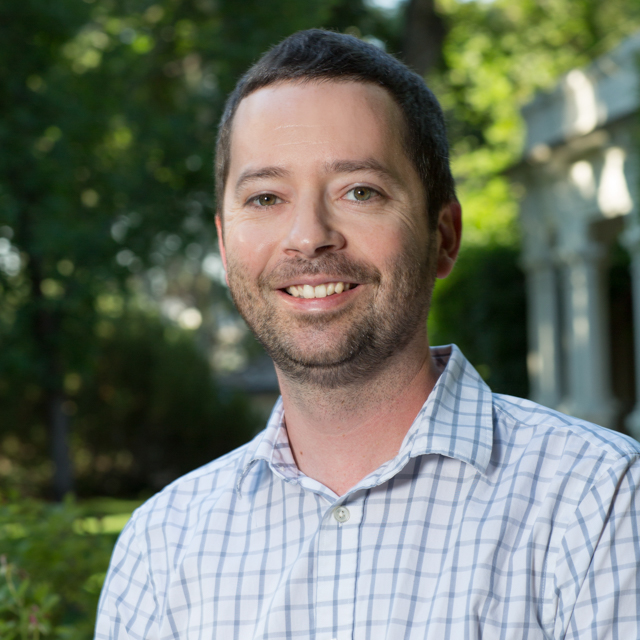
Scott Kelley is an Associate Professor in the Department of Geography at the University of Nevada, Reno (UNR). His research focuses on transportation geography, particularly the spatial dimensions of emerging transportation technologies and infrastructure. Key areas include hydrogen fuel cell vehicle adoption, automated vehicle usage patterns, and sustainable transportation planning. He teaches courses such as GIS, transportation policy, and advanced cartography using Python. Education: B.S. in Geography, University of Wyoming (2006) M.A. in Geography, Arizona State University (2008) Ph.D. in Geography, Arizona State University (2015) His research emphasizes primary data collection and spatial analytics to inform sustainable transportation policies. Recent work includes studies on near-miss events in Reno-Sparks, climate change impacts on Lake Tahoe visitation, and accessibility for students with disabilities. Methodologically, he bridges geospatial analysis with interdisciplinary approaches like geodesign and ethnography. Awards & Recognition: No scientific awards explicitly listed, though his publications reflect sustained academic contribution. Grants & Advising: While specific grants are not detailed, his research projects suggest involvement in funded initiatives related to infrastructure planning and transportation equity. No advised students are listed in the provided text. Labs/Teams: Collaborates with interdisciplinary teams on projects like SCC-PG (near-miss assessment) and hydrogen infrastructure optimization initiatives in California and Connecticut.
Alex Anh-Tuan Bui serves as Professor of Radiological Sciences and Associate Dean of Biological Chemistry at the University of California Los Angeles (UCLA) David Geffen School of Medicine. He is the Director of the Medical & Imaging Informatics (MII) group and holds the David Geffen Chair in Informatics. Dr. Bui leads UCLA's Bridge2AI Coordination Center and serves as Senior Associate Director for Informatics at UCLA's Clinical and Translational Science Institute (CTSI). PhD in Computer Science, UCLA (2000) BA in Computer Science, UC Berkeley (1995) Dr. Bui's research focuses on biomedical informatics, mHealth, and artificial intelligence in medicine. His work bridges contemporary computational approaches with biomedical observations and electronic health records (EHRs), addressing translational challenges in healthcare. He develops distributed information architectures, methodological approaches for AI/ML in healthcare, and data visualization techniques. His research spans multiple domains including predictive modeling for chronic diseases, natural language processing of clinical text, and real-time health monitoring systems. Analysis of Dr. Bui's recent publications (2021-2024) reveals a strong emphasis on applying machine learning to clinical problems across diverse medical domains. His work demonstrates expertise in developing predictive models for renal disease, cardiovascular outcomes, cancer screening, and substance use disorders. A recurring theme is the application of advanced AI techniques to electronic health records, with particular attention to data quality issues, model interoperability, and addressing health disparities. His research increasingly incorporates real-time data collection through mobile and wearable technologies. Dr. Bui has led numerous significant research initiatives including the NIH-funded Los Angeles PRISMS Center focused on mHealth informatics, and currently directs UCLA's Bridge2AI Coordination Center. He serves as Program Director for multiple NIH training grants (TL1/T15/T32) in biomedical informatics and data science, and is Director for the Medical Informatics Home Area in UCLA's Graduate Program in Biosciences. As Director of the Medical & Imaging Informatics group, Dr. Bui oversees research on the Biomedical REAl-Time Health Evaluation (BREATHE) platform and other initiatives focused on integrating AI with clinical workflows. His team develops tools for clinical decision support, patient portals, and imaging informatics that bridge the gap between computational methods and practical healthcare applications.
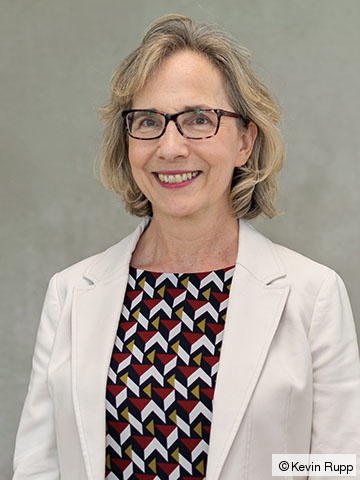
Prof. Barbara Klein is a Professor of Social Work Organisation and Management at Frankfurt University of Applied Sciences' Faculty 4: Social Work and Health. She serves as Dean of the faculty, Spokesperson of the FUTURE AGING Research Center, and Vice President of the International Society for Gerontechnology (ISG 2024). Her work focuses on new technologies in social and healthcare, including assistive robotics, organizational management, and ethical implications of technology in care. Her education includes a Dr. phil. from Goethe University Frankfurt and extensive leadership training. She has held visiting professorships at Osaka University and Northumbria University. Klein has led numerous research projects funded by EU, BMBF, and Hessian ministries, addressing aging populations, assistive technologies, and universal design. Key awards include the 2019 Hessian Research Award and the 2013 Hessian State Prize for Universal Design. She teaches in social work and digital health programs, mentoring students across disciplines. Her research explores innovations like telepresence robots, smart home systems, and ethical frameworks for healthcare robotics.
Dr. Rebecca Mercieca-Bebber is an NHMRC Early Career Fellow at the NHMRC Clinical Trials Centre, University of Sydney, and associated with Sydney Medical School. She holds a PhD in methodological issues related to patient-reported outcomes (PROs) in clinical trials and focuses on optimizing their design, implementation, and reporting. Her work addresses challenges like missing data and patient preferences, with contributions to international guidelines such as the SPIRIT-PRO extension. She has led over 20 clinical trials and was past chair of the ISOQOL Australia and New Zealand Special Interest Group. Education: Completed her PhD supported by the Sydney Catalyst full scholarship (2014–2017). She also holds coursework awards and has been involved in developing educational initiatives for PRO integration in clinical research. Research interests include PRO methodology, missing data strategies, patient preferences, and ethical considerations in PRO use. She advocates for equity in PRO assessment for culturally diverse and Indigenous populations. Recent work explores survivorship care plans, PRO reporting standards, and ethical frameworks for patient involvement. Scientific awards include the NHMRC Early Career Fellowship (2018), Cancer Research Network 10th Anniversary Award (2016), and multiple travel grants and scholarships. She has secured grants for projects like HyNOVA and the development of PRO ethics guidelines. Her advising contributions include mentoring future PhD students on PRO-related topics like cancer survivorship and PRO implementation. Grants highlight her focus on PRO integration in diverse healthcare settings and improving trial design through education. Labs/Teams: Active in the NHMRC Clinical Trials Centre, ISOQOL, and the PROMIS International Collaboration. Collaborates with multidisciplinary teams on PRO-related studies and guideline development.
Univ.Prof. Alexander Mürmann is a Professor of Risk Management and Insurance at Vienna University of Economics and Business (WU Vienna). He holds leadership roles as Deputy Head of the Institute for Finance, Banking and Insurance and Program Director of the Vienna Graduate School of Finance (VGSF). His research focuses on risk management, insurance economics, behavioral finance, and financial regulation. Notable contributions include studies on asymmetric information in insurance markets, regret theory applications, and systemic risk dynamics. Mürmann has published extensively in top journals such as the Journal of Risk and Insurance and Geneva Risk and Insurance Review, with over 20 years of academic output. His work bridges theoretical advancements with practical regulatory challenges, addressing topics like catastrophe derivatives, pandemic risk, and fire sale effects in financial markets. Research interests span insurance market design, behavioral decision-making under uncertainty, and the interplay between regulation and market outcomes. His editorial roles in special issues highlight expertise in emerging areas like tontines and pandemic economics. Awards and recognitions (4 listed but unspecified) reflect his scholarly impact. Mürmann's academic leadership includes directing top-tier finance programs and overseeing financial research initiatives at WU Vienna. His work frequently intersects with policy implications, emphasizing real-world applications of theoretical findings. Advisory contributions include guiding initiatives on driver safety incentives and solvency regulation. Active collaboration with institutions like the Vienna Graduate School of Finance underscores his role in training future financial experts.沈默的研究团队专注于金融工程、保险创新和系统性风险分析,其成果广泛应用于行业实践与政策制定。
Professor Ralf Brüggemann is a full-time faculty member at the University of Konstanz , holding the Chair of Statistics and Econometrics since October 2007. He completed his Habilitation in Time Series Econometrics at Humboldt-Universität zu Berlin in 2007 and received his Ph.D. in Economics in 2003 for work on VAR model reduction techniques. Education : Habilitation: "Topics in Time Series Econometrics", Humboldt University Berlin (2007) Ph.D.: Economics, Humboldt University Berlin (2003) Diplom: Economics, Humboldt University Berlin (1999) His research spans Time Series Econometrics with focus on Cointegrated VAR Models , Structural VAR/VECM , Forecasting Methods , and Empirical Macroeconomics . Key contributions include methodological work on structural identification, variable selection in high-dimensional VAR, and monetary policy analysis using microeconomic data. Recent publications address External instruments in SVAR identification (2022) Directed graphs for VAR variable selection (2022) Stochastic aggregation weights in forecasting (2023) Asymmetric impulse responses in European financial markets (2014) with methodological innovations in heteroskedasticity-robust inference and stochastic aggregation weights. Scientific Awards : Jean Monnet Fellow, European University Institute (2003-2004) He leads research on monetary policy transmission mechanisms and macroeconomic risk through collaborative projects with institutions like the German Research Foundation Collaborative Research Center 649 (2005-present) and serves as editor for the Journal of Economics and Statistics special issue on Economic Forecasts (2011).
Sarah Ross is an Assistant Professor at the Department of Management and Organizational Studies at Western University, a position she has held since 2014. She earned her PhD, MA, and BA in Psychology from Western University, focusing on work teams and knowledge exchange in groups. Her research emphasizes evidence-based management and organizational behavior, exploring how teams share knowledge and apply empirical approaches to management. Education: PhD in Psychology, University of Western Ontario (2011) MA in Psychology, University of Western Ontario (2005) BA Honors Psychology, University of Western Ontario (2003) Research Interests: Sarah’s work centers on work teams, knowledge exchange dynamics, and the application of evidence-based practices in management. She investigates how organizational structures and behaviors influence team performance and decision-making. Her studies also address the translation of academic research into practical management strategies. Awards and Honors: SSHRC Canada Graduate Scholarship (Doctoral, 2005–2008) USC Teaching Award of Excellence (2016) Western University Residence Life Teaching Award of Excellence (2016) Fellowship in Teaching Excellence (2015) Teaching and Engagement: Sarah teaches courses such as Organizational Behavior and Evidence-Based Management, often incorporating online platforms. She has received training in e-learning and instructional design, and has been a faculty mentor in residence. Her teaching philosophy emphasizes student engagement and innovative pedagogy. Additional Projects: Sarah has collaborated on normative research for neuropsychological testing, employee engagement analysis, and textbook reviews in industrial/organizational psychology. She also contributed to training evaluation and job satisfaction studies for organizations.
Dr. Jian Li is a Professor in the Department of Research, Measurement and Statistics at Kent State University's College of Education, Health, and Human Services. She holds a Ph.D. in Quantitative Research, Evaluation, and Measurement from The Ohio State University. Her research focuses on methodological issues in quantitative statistics, including hierarchical linear modeling, structural equation modeling, and experimental designs applied to health behavior and rehabilitation contexts. Research Interests: Dr. Li specializes in developing and applying advanced statistical methods to understand how physical and psychological health influence behavior, particularly in vulnerable populations. Her work integrates quantitative techniques with substantive research in rehabilitation counseling and educational outcomes. Teaching: She teaches doctoral courses in quantitative methods including Hierarchical Linear Modeling, Structural Equation Modeling, and Program Evaluation. Her teaching focuses on developing research competence in graduate students, with three advisees receiving national dissertation awards. Awards: Outstanding Research Award (2021) President’s Faculty Excellence Award (2018) Multiple best paper awards in rehabilitation research Grants & Projects: Dr. Li has served as Co-PI on projects funded by National Institutes, including studies on multiple sclerosis and disability employment retention. She leads initiatives integrating statistical methodology with rehabilitation science.
Dr. Sam Cousley is an Instructional Associate Professor of Marketing at the University of Mississippi's School of Business Administration since 1999. He holds a DB.A. from Louisiana Tech University and degrees from Mississippi State University. His expertise bridges marketing, analytics, and machine learning applications in business. He teaches predictive modeling, marketing principles, and honors thesis courses. Education: B.S. Business, Mississippi State University (1967) M.B.A., Mississippi State University (1970) DB.A. Marketing, Louisiana Tech University (1974) Research interests focus on advanced statistical methods like nonlinear regression, cross-validation, and machine learning applications for solving business problems. His work spans legal and ethical issues in employment, multivariate analysis in marketing, and advertising effectiveness. Awards: Outstanding Professor of the Year (6-time recipient, Ole Miss School of Business) Prior experience includes roles as General Manager of radio stations and teaching at Arkansas State University. His publications address employment law, statistical methodologies, and marketing strategy innovations.
Valerie Finn is a Senior Lecturer in the Department of English at Arizona State University, where she teaches first-year composition courses (ENG 101, ENG 102, ENG 217). She holds an MFA from Warren Wilson College (2002) and a BA in English from Columbia University (1996). Her academic work intersects with creative writing and poetry, focusing on themes like trauma, Jewish identity, Ukrainian-American cultural narratives, and contemporary societal issues. Notable awards include the Joan Beebe Teaching Fellowship (2004-2006), James Merrill Fellowship (2013), and a Pushcart Prize nomination. Her poetry appears in journals such as American Poetry Review , Ploughshares , and ZYZZYVA , with recent 2025 publications exploring Soviet legacies and modern existential challenges. Valerie lives in Tempe, Arizona, with her husband Patrick Michael Finn and their son.
Germà Coenders Gallart is a full Professor in the Department of Economics at the University of Girona, where he holds the Chair in Quantitative Methods for Economics and Business. He is affiliated with the Faculty of Economic and Business Sciences and actively contributes to research through the Research Group in Statistics, Econometrics and Health (GRECS), the consolidated Catalan research group COSDA (Compositional and Spatial Data Analysis), and the Campus of Food and Gastronomy. He earned his PhD in Management Sciences from Ramon Llull University in 1996. PhD in Management Sciences, Ramon Llull University (1996) His primary research focus is compositional data analysis (CoDa), a statistical methodology for analyzing parts of a whole, with wide applications in accounting, finance, marketing, tourism, and health. He has pioneered the use of CoDa in financial statement analysis, developing compositional structural equation models, spatiotemporal models, generalized linear models with compositional predictors, and models incorporating totals. His methodological innovations address key statistical issues in traditional financial ratio analysis. His recent publications (2023–2025) reflect a strong trend in applying CoDa to real-world economic and social challenges, including financial resilience during geopolitical crises (e.g., Ukraine-Russia war), post-pandemic recovery in tourism and fisheries, air pollution and child mental health, biodiversity accounting in apiculture, and systemic risk in the Eurozone. His work combines rigorous statistical modeling with practical relevance across multiple domains. Scientific recognition includes: 5 Sexennis (Research Quinquennia) from CNEAI h-index of 29 (Web of Science and Scopus), 44 (Google Scholar) Over 3000 citations (Web of Science) Founding member and former Secretary General of the Association for Compositional Data He has supervised 7 doctoral theses and collaborates extensively with researchers across disciplines. He has secured multiple research grants and leads a dedicated lab on financial statement analysis as compositional data. His teaching spans research methods, statistics, and econometrics across undergraduate, master’s, and doctoral programs at the University of Girona and other institutions including ESADE and the University of Ljubljana. He is a member of editorial boards for journals such as Metodoloski Zvezki , ReHuSo , and Tourism Analysis , and maintains a strong digital presence through ORCID, ResearchGate, Google Scholar, and other academic platforms.