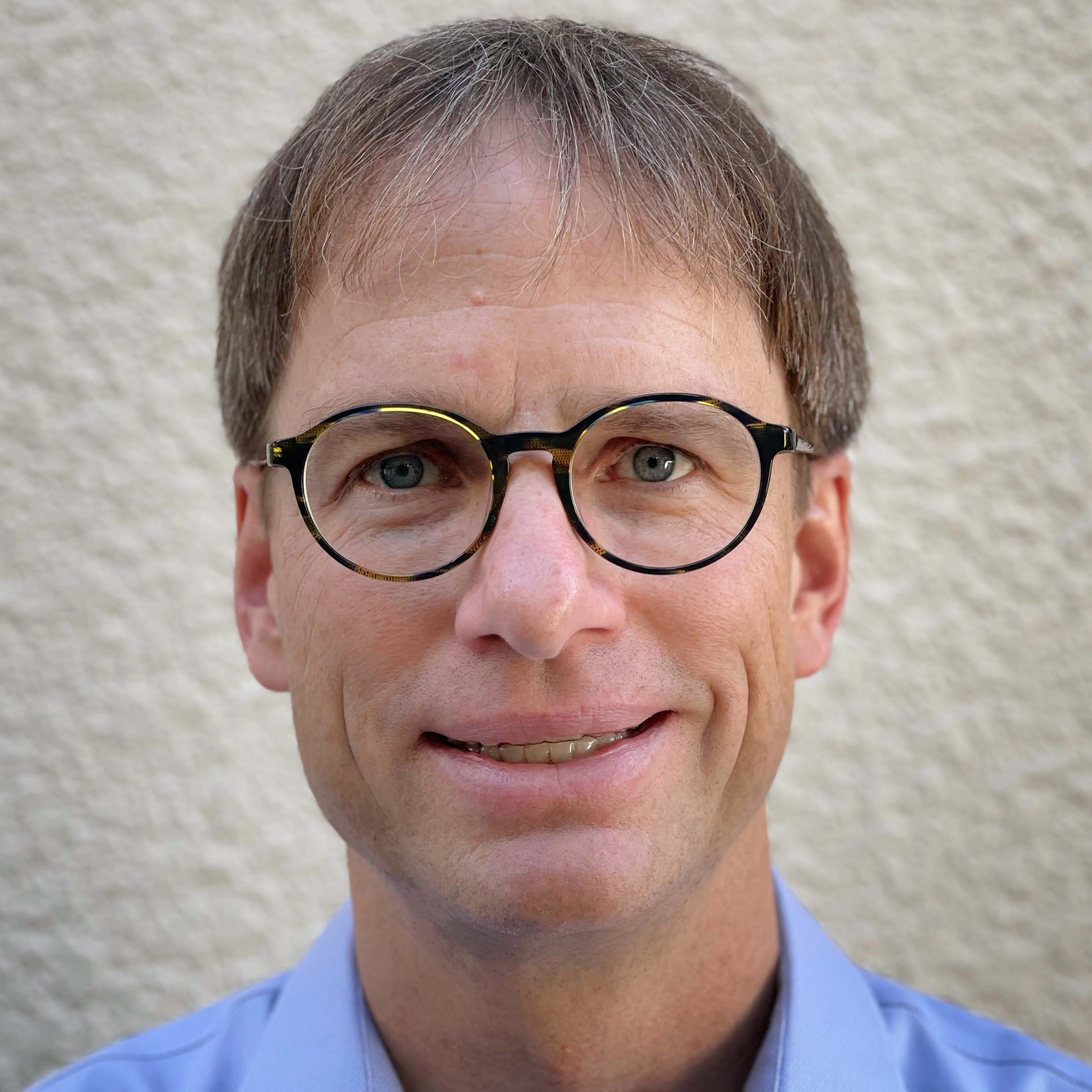
Frédéric Calon is a Full Professor in the Faculty of Pharmacy at Université Laval, where he leads a prominent research program focused on neurodegenerative disorders, particularly Alzheimer’s and Parkinson’s diseases. His work bridges molecular neuroscience, nutritional interventions, and blood-brain barrier drug delivery, using both animal models and human post-mortem studies. He is actively involved in training graduate students and postdoctoral fellows and maintains international collaborations, including the LIA OptiNutriBrain with Bordeaux. B.Sc. in Biochemistry, Université Laval (1989–1992) M.Sc. in Pharmacy, Université Laval (1992–1995) B.Pharm., Université Laval (1994–1998) Ph.D. in Pharmacy, Université Laval (1998–2001) Postdoctoral Training, University of California, Los Angeles (UCLA), Dept. of Medicine (2001–2003) Dr. Calon’s research centers on three main axes: (1) the role of nutrition—especially omega-3 fatty acids—in neurodegeneration; (2) synaptic and molecular pathology in Alzheimer’s and Parkinson’s diseases; and (3) the interplay between peripheral metabolic disorders and brain health, including insulin signaling and thermoregulation. He also investigates the blood-brain barrier as a therapeutic gateway for drug delivery. His recent publications reflect a strong focus on Alzheimer’s disease mechanisms, including tau phosphorylation, amyloid-beta pathology, synaptic dysfunction, and the impact of diet and metabolism. He has also made key contributions to understanding essential tremor through post-mortem brain studies. His work frequently involves transgenic mouse models, such as the 3xTg-AD, and integrates behavioral, biochemical, and imaging techniques. Dr. Calon’s research is supported by major grants from CIHR and the Alzheimer Society of Canada. He mentors a large team of doctoral, master’s, and postdoctoral researchers, many of whom are supported by competitive scholarships. His lab has developed unique expertise in in situ brain perfusion and quantitative BBB transport analysis. He leads studies on novel therapeutic strategies, including repurposing beta-3 adrenergic agonists, optimizing nutraceutical formulations, and enhancing brain delivery of biologics via transferrin receptor-targeted vectors. His work on essential tremor has identified GABA receptor deficits and amyloid-beta accumulation in the cerebellum, suggesting a neurodegenerative basis for the disorder.