

معرفی
Timothy W. Secomb is a Professor at the University of Arizona with joint appointments in the Department of Physiology, Department of Mathematics, and the interdisciplinary programs in Applied Mathematics and Physiological Sciences. He is also affiliated with the BIO5 Institute and the Department of Biomedical Engineering, reflecting his highly interdisciplinary research approach.
His research focuses on theoretical and computational modeling of physiological systems, particularly the microcirculation. Key areas include blood flow mechanics in microvessels, oxygen and nutrient transport to tissues, structural adaptation and angiogenesis in vascular networks, and regulation of blood flow through metabolic and mechanical feedback. His work integrates applied mathematics, physiology, and biomedical engineering to understand fundamental mechanisms in health and disease.
The recent publications highlight a consistent focus on microvascular oxygen transport, neurovascular coupling, tumor angiogenesis, and computational hemodynamics. The modeling spans from cellular-level processes like red blood cell mechanics and ion diffusion to organ-level systems such as the cerebral cortex and pulmonary circulation. A strong trend is evident in using realistic 3D vascular geometries and developing fast, low-order models for complex physiological systems.
Dr. Secomb has made significant contributions to understanding flow resistance, capillary perfusion, and the impact of vascular structure on tissue oxygenation. His models are instrumental in studying hypoxia in tumors and optimizing cancer therapies like thermoradiotherapy and antibody-drug conjugates.
- BSc in Mathematics, University of Melbourne (1975)
- MSc in Mathematics, University of Melbourne (1976)
- PhD in Applied Mathematics, University of Cambridge (1979)
- Post-Doctoral Training, Columbia University (1981)
He has mentored students and researchers in mathematical physiology and continues to lead an active research program. His lab employs a hybrid discrete-continuum modeling framework and collaborates with experimental groups to validate theoretical predictions. Future work is likely to extend into immune-cell trafficking, multi-scale modeling of organ systems, and personalized models for precision medicine applications.
Timothy W. Secomb در سایتهای دیگر
جستوجوهای مرتبط
شاید اینها هم برایتان مناسب باشند
- JJens Christian Brings JacobsenUniversity of Copenhagen · دانشیار
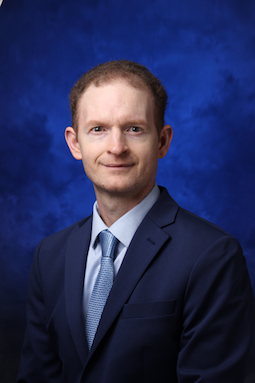 Travis W. HeinTexas A&M University · استاد
- AAlbert GonzalesUniversity of Nevada, Reno · استادیار
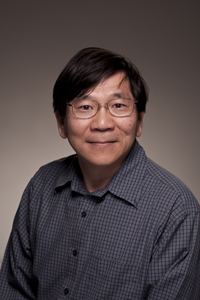 Lih KuoTexas A&M University · استاد
- PPeter BaloghNew Jersey Institute of Technology (NJIT) · استادیار
 Walter Lee MurfeeUniversity of Florida · استاد