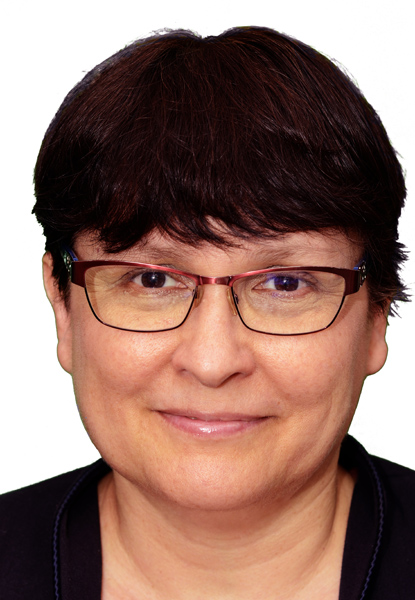
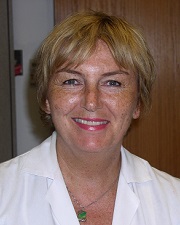
Edit Irén Buzás is a Professor of Immunology and Chair of the Department of Genetics, Cell- and Immunobiology at Semmelweis University, Budapest, Hungary. Her work focuses on extracellular vesicles (EVs), autoimmunity, and rheumatology. MD from University of Szeged (1983) PhD (1996) Her research explores EV biophysical properties, RNA patterns in EV subpopulations, and the interference of lipoproteins in EV detection. She pioneered methods like differential detergent lysis and protein-to-lipid ratios for EV standardization. Current projects involve cardiovascular aspects of EVs and establishing a Central EV Research Laboratory at Semmelweis University. She has over 50 peer-reviewed publications and leads initiatives like the MTA-SE Immune Proteogenomics EV Research Group. Her work influences international EV guidelines and training networks such as EU TRAIN-EV. 2019 Corresponding Membership of the Hungarian Academy of Sciences 2019 Széchenyi Prize 1995 Carol Nachman Price for Rheumatology Buzás is a founding member and Executive Chair of Education at the International Society of Extracellular Vesicles (ISEV), organizing key conferences and shaping global EV research standards. She serves on ERC panels and collaborates with institutions like EMBL.
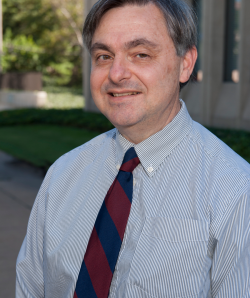
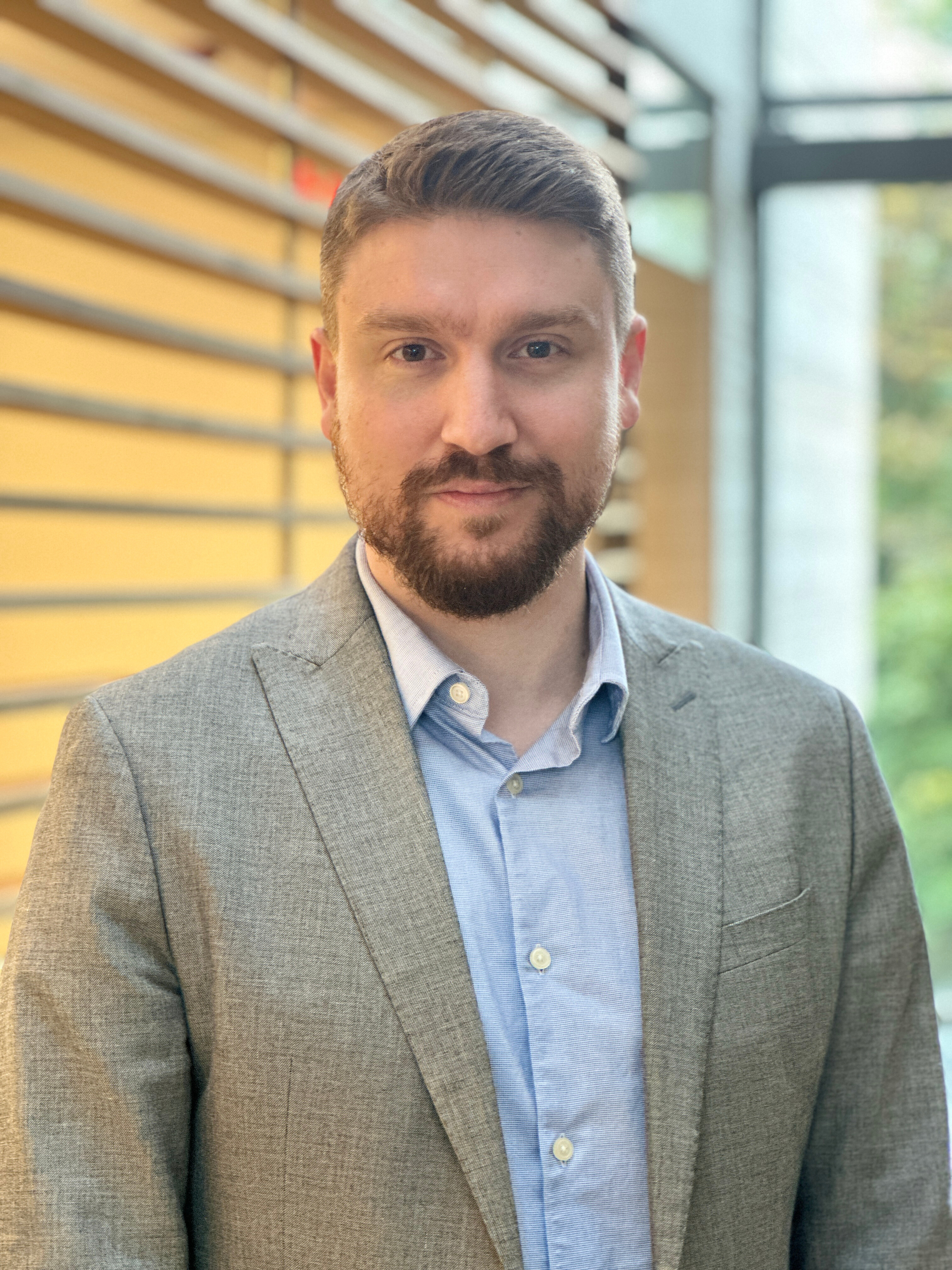
George R. Dubyak, PhD, is a Professor in the Departments of Physiology and Biophysics, Pathology, and Pharmacology at Case Western Reserve University's School of Medicine. He is also a Member of the Immune Oncology Program at the Case Comprehensive Cancer Center. His research focuses on cell signaling mechanisms involving inflammasomes, ion channels, and extracellular nucleotides in inflammation and innate immunity. Dr. Dubyak holds a PhD in Physiology from the University of Pennsylvania. His work explores ATP signaling via P2 receptors, inflammasome activation pathways, and mechanisms of IL-1β secretion. Recent studies investigate regulated cell death pathways (pyroptosis, apoptosis, necroptosis) and ATP efflux from tumor cells. The Dubyak Lab utilizes murine models and advanced cellular techniques to dissect these processes. Key research areas include: inflammasome assembly regulated by ionic signals, non-classical cytokine secretion via exosomes/microvesicles, and DAMP signaling in inflammation and cancer. Dr. Dubyak has published extensively in journals like Journal of Biological Chemistry and Journal of Immunology . His lab is located in the Robbins Building (E-550 G, H, I, J) with state-of-the-art facilities for cellular and molecular biology. Current projects examine cross-talk between P2 nucleotide signaling and inflammasomes, as well as mechanisms governing extracellular ATP accumulation in disease contexts.
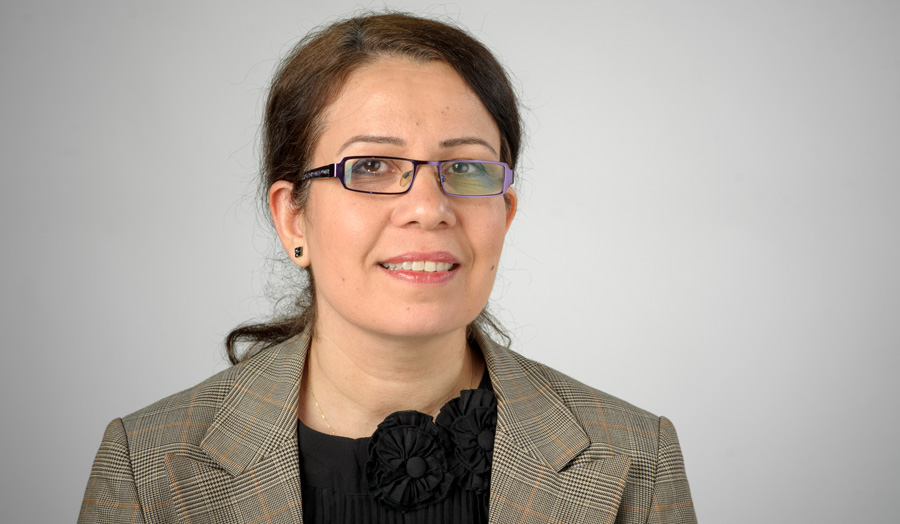
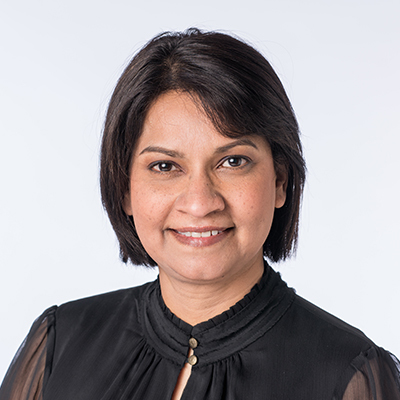
Alicia Llorente is a Professor at Oslo Metropolitan University's Faculty of Technology, Art and Design within the Department of Mechanical, Electrical and Chemical Engineering. She is a leading researcher in extracellular vesicle biology with a focus on cancer diagnostics and liquid biopsies. Institution : Oslo Metropolitan University Department : Mechanical, Electrical and Chemical Engineering Her research explores: Extracellular vesicle dynamics in cancer progression Lipidomics of organelle-derived vesicles Exercise-induced EVs for cancer prevention Standardization of EV isolation protocols Article trends show expertise in prostate cancer biomarkers (8 publications), EV characterization (6 papers), computational modeling (3 studies), and clinical applications (4 recent 2023-2025 papers). Key collaborations include: Oslo University Hospital's CanCell Research Initiative International Society for Extracellular Vesicles (ISEV) Cambridge University's Precision EV Forum
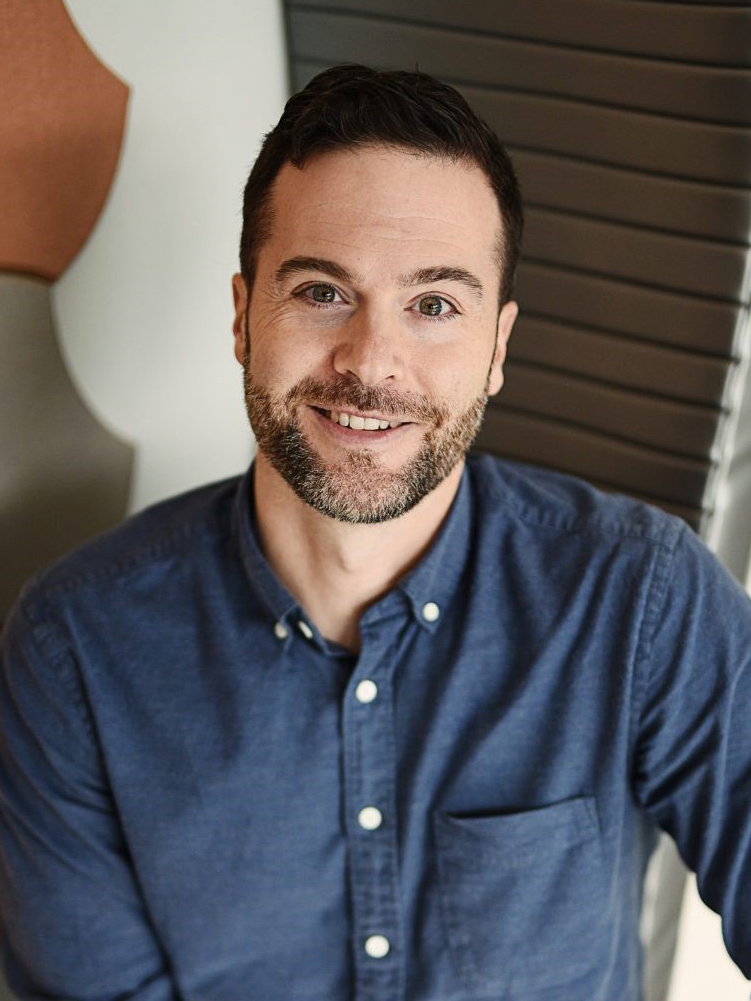
Eurico Wilhelm Neto is an Assistant Professor in the Department of Sport, Exercise and Rehabilitation at Northumbria University. His research focuses on exercise physiology, aging populations, cardiovascular hemodynamics, and neuromuscular adaptations. Key areas include aquatic exercise for older adults, hypertension management through lifestyle interventions, and the physiological responses to resistance training. He has contributed to studies on muscle quality in aging, platelet microvesicles during exercise, and the biomechanics of soccer players. Research interests emphasize the integration of clinical and experimental approaches to understand exercise-induced adaptations in health and disease. Notable work includes the HAEL Study on hypertension in the elderly and the WATER Study on aquatic training outcomes. His publications span cardiovascular physiology, muscle adaptations, and the impact of exercise on endothelial function. No scientific awards or student advisees are listed in the provided text. His work involves collaborations across disciplines including sports medicine, gerontology, and cell biology. Current projects may involve non-invasive assessment techniques for cardiovascular dynamics and the development of training protocols for aging populations.
Peter Kuhn is a University Professor at the University of Southern California with appointments spanning Biological Sciences, Medicine, Biomedical Engineering, Aerospace and Mechanical Engineering, and Urology. He serves as the Director of the Convergent Science Institute in Cancer (CSI-Cancer) at USC's Michelson Center for Convergent Biosciences, where he leads groundbreaking research in cancer diagnostics and treatment. His interdisciplinary approach bridges physics, engineering, and medicine to develop innovative cancer care solutions. Dr. Kuhn's research focuses on liquid biopsy technologies, mathematical oncology, and digital health applications for cancer care. His work centers on redesigning cancer care through convergent science, with particular emphasis on early detection, disease forecasting, and personalized treatment strategies. He has pioneered the use of aqueous humor as a liquid biopsy for retinoblastoma and developed the Digital Health Companion platform to objectively assess patient performance status. His team's mathematical models predict cancer metastasis patterns across various cancers including bladder, breast, and lung cancer, transforming how clinicians understand and manage cancer progression. Analysis of Dr. Kuhn's recent publications reveals a strong trajectory toward multi-analyte liquid biopsy approaches, integrating single-cell analysis with genomic and proteomic data across various cancer types. His work increasingly focuses on clinical translation, with numerous publications addressing standardization frameworks (through the BLOODPAC consortium), diagnostic validation, and implementation of liquid biopsy in routine clinical practice. The research spans from fundamental cancer biology to practical clinical applications, with growing emphasis on digital health integration and AI-driven cancer forecasting. Dean's Professor of Biological Sciences (2014-2017) University Professor designation across multiple disciplines National Academy of Inventors Senior Member (Class of 2024) Recipient of numerous research grants from NIH, DoD, and industry partners Dr. Kuhn mentors a large research team including multiple graduate students across engineering and biological sciences disciplines, as well as numerous undergraduate researchers. His CSI-Cancer institute has secured significant funding for projects including the ATOM-HP study on objective performance status measurement, INTERCEPT early detection of breast cancer, and the ATEZO trial for at-home cancer immunotherapy. The institute collaborates with major medical centers including Cedars-Sinai, Children's Hospital Los Angeles, and Stanford University. As Director of CSI-Cancer, Dr. Kuhn leads a multidisciplinary team developing innovative approaches to cancer care. The institute's work spans liquid biopsy development, mathematical oncology modeling, and digital health technologies. Key initiatives include the Digital Health Companion platform, disease forecasting models for various cancers, and the Convergent Science Cancer Consortium funded by the Department of Defense. The team operates state-of-the-art laboratories for single-cell analysis and collaborates closely with clinical partners to translate research findings into patient care improvements.
Dr. Yong Cheng is an Assistant Professor in the Department of Biochemistry and Molecular Biology at Oklahoma State University (OSU). He holds a B.S. (2002) and Ph.D. (2007) in Microbiology from Huazhong Agricultural University, China. His postdoctoral training included work at the University of Basel (2007-2010) and the University of Notre Dame (2011-2019), where he studied host-pathogen interactions in mycobacterial infections. His current research focuses on understanding molecular mechanisms of Mycobacterium tuberculosis and non-tuberculous mycobacteria (NTM) pathogenesis, with an emphasis on host immune responses and drug discovery. Key research areas include the role of extracellular vesicles (exosomes/microvesicles) in modulating host immunity, iron metabolism in aging-related infections, and antimicrobial resistance mechanisms. He has received grants from the Oklahoma Center for Respiratory and Infectious Diseases and investigates novel therapies targeting mycobacterial infections. Dr. Cheng teaches courses on cancer immunology, biotechnology, and undergraduate research supervision. His work contributes to Sustainable Development Goal 3 (Good Health and Well-being), leveraging cutting-edge proteomics and spatial biology technologies.
Dr. Samireh Jorfi is Senior Lecturer in Biosciences and course leader for Biomedical Science MSc and Blood Science MSc programs at London Metropolitan University's School of Human Sciences. A member of the Cellular and Molecular Immunology Research Centre since 2009, her research investigates extracellular vesicles in viral transmission (Coxsackievirus), cancer drug resistance, and microplastic impacts. Teaching spans anatomy/physiology, tissue science, and immunology modules across undergraduate/postgraduate programs. Award recognitions include best poster prizes at international conferences (2012) and BSI Trainee Abstract Award (2010). Research themes focus on vesicle-mediated disease mechanisms and therapeutic interventions. Laboratory capabilities include vesicle isolation/characterization and cellular infection models.
Tanina Arab is an Associate Research Scientist in the Neuroscience department at Yale School of Medicine, Yale University. Her primary affiliation is with the Neuroscience research group, with a focus on extracellular vesicles (EVs) in neurodegenerative diseases and neuroinflammation. Her research interests include proteomic and RNA profiling of EVs in Alzheimer's, Parkinson's, and HIV-associated neurodegeneration. She has contributed to establishing standards for EV research (MISEV2023 guidelines) and pioneered brain tissue-derived EV atlases to identify disease biomarkers. Key collaborations involve analyzing EV cargo in APOE genotype contexts and evaluating therapeutic interventions like neutral sphingomyelinase inhibition. Publications emphasize methodological advancements in EV analysis, including single-particle platforms and microglia-derived EV isolation. Her work bridges basic neuroscience with translational applications in neuroprotection and disease modeling.
Dr Camille Ettelaie is a Lecturer in Biomedical Science, with a research focus on the role of tissue factor in coagulation, cancer progression, and cellular signaling pathways. Her work spans molecular mechanisms, extracellular vesicles, and translational applications in thrombosis and cancer diagnostics. Research Interests : Dr Ettelaie investigates tissue factor biology, including its regulation via phosphorylation, ubiquitination, and interactions with integrins and protease-activated receptors (PAR2). Her studies explore the non-haemostatic roles of coagulation proteases in cancer, endothelial dysfunction, and vascular inflammation. Key Trends in Recent Publications : Recent articles address extracellular vesicle heterogeneity, MISEV2023 guidelines for EV research, tissue factor's role in pancreatic cancer diagnostics, and cross-talk between coagulation and inflammation. Earlier work includes studies on geomechanics, calcitonin receptor networks, and lipid metabolism in coagulation.
Giorgio Mangino is an Associate Professor at the Department of Medical-Surgical Sciences and Biotechnologies, Faculty of Pharmacy and Medicine, Sapienza University of Rome. His research focuses on HPV tumor microenvironment, exosomes and microvesicles, Signal Transduction, microRNA, and inflammatory diseases. With a career spanning multiple decades, he has established himself as a leading researcher in viral oncology and immunology, particularly in understanding how HPV oncoproteins modulate cellular signaling and immune responses. Dr. Mangino earned his Laurea in Biological Sciences with highest honors (110/110 cum laude) from Sapienza University of Rome in 1995, followed by a PhD in Immunological Sciences in 2006. His educational journey included specialized training in flow cytometry, biostatistics, and English language proficiency (Trinity College Grade 7 certification). He has held various research positions at University of Rome Tre and Sapienza University before securing his current position as Associate Professor. His research trajectory evolved from early studies on interferon signaling in erythroleukemic cells, through investigations of HIV-1 Nef protein's effects on macrophage signaling, to his current focus on HPV-induced carcinogenesis. Dr. Mangino has made significant contributions to understanding how viral proteins manipulate host cell signaling pathways, particularly regarding Nef's role in inducing proinflammatory states and HPV oncoproteins' effects on microRNA expression and tumor microenvironment modulation. Dr. Mangino's recent publications reveal a strong emphasis on translational research, particularly in developing extracellular vesicle-based biomarkers for skin cancer diagnosis and understanding immune profiles in autoimmune disorders. His work bridges fundamental virology with clinical applications, demonstrating consistent evolution from basic mechanisms to potential diagnostic and therapeutic approaches. Scientific Awards: Seymour and Vivian Milstein Travel Award (2005, 2006, 2007, 2011) Eurovirology Travel Grant (2007) Best Poster Award of Società Italiana di Virologia (2008) As a cytometrist, Dr. Mangino collaborates extensively across multiple research projects requiring advanced cellular analysis techniques. He has served as thesis advisor for numerous Master's students and teaches courses in immunology, virology, and laboratory medicine. His current research projects focus on extracellular vesicle-based diagnostics for skin lesions, biomarker discovery in actinic keratosis progression, and immune profiling of patients receiving cancer immunotherapies. Dr. Mangino directs the Flow Cytometry Laboratory at Sapienza University, supporting a wide range of research initiatives within the Department of Medical-Surgical Sciences and Biotechnologies.
Matthew P. Bernard is an Associate Professor in the Department of Pharmacology & Toxicology at Michigan State University (MSU) and Director of the MSU Flow Cytometry Core Facility. He transitioned to academia from industry after 15+ years at Bristol-Myers Squibb as a Senior Research Investigator in Drug Safety Evaluation. B.S. in Biochemistry, SUNY Geneseo (2004) Ph.D. in Microbiology & Immunology, University of Rochester (2009) Postdoctoral Fellow, La Jolla Institute for Allergy & Immunology (2009-2011) His research focuses on immunotoxicology , inflammation , and flow cytometry applications for pharmacodynamic assessments, receptor occupancy, and intracellular signaling. He specializes in GLP-compliant immunoassay development and validation, with 20+ years of flow cytometry expertise. Recent publications highlight work on: Ruminal immune cell dynamics in dairy cattle MARCO receptor's role in liver injury resolution IL-10's impact on pain remission mechanisms Niacin's anti-inflammatory effects in bovine models Neutrophil-platelet interactions in APAP toxicity The articles reflect his cross-disciplinary work at the intersection of toxicology , immunology , and applied biomedical instrumentation . As Director of the MSU Flow Cytometry Core Facility, he oversees access to cutting-edge instruments like: ThermoFisher Attune CytPix Analyzer Cytek Aurora Spectral Cytometer SONY MA900 & BD FACSAria IIu Cell Sorters Luminex 200 Multiplex System ZetaView fNTA Particle Analyzer
Dr. Marie-Françoise J. Doursout is a Professor in the Department of Pharmacology at McGovern Medical School, The University of Texas Health Science Center at Houston. With over three decades of research experience since earning her PhD in Pharmacology with honors in 1986, she maintains an active research program focusing on neurodegenerative diseases, cardiovascular function, and immune modulation. Dr. Doursout received her Bachelor of Science in Biology from Ecole Superieure des Techniques de Biologie Appliquees in 1978 and completed her doctoral studies at Ecole Pratique des Hautes Etudes. Her research program demonstrates remarkable interdisciplinary integration across pharmacology, neuroscience, and immunology, with particular emphasis on developing interventions for neurodegenerative conditions and stress-related pathologies. Her research interests include neuroprotection mechanisms, dietary interventions for neurodegenerative diseases, cardiovascular pharmacology, immune response modulation, and stress physiology. Dr. Doursout has pioneered investigations into compounds like Enzyme-Treated Asparagus Extract (ETAS) and Active Hexose Correlated Compound (AHCC) for their therapeutic potential in neurological and inflammatory conditions. Analysis of her recent publications reveals a strong focus on neurodegeneration models, particularly Alzheimer's disease using APP-overexpressed mice, and the investigation of dietary compounds for neuroprotection. Her work bridges basic pharmacological mechanisms with translational applications, examining how natural compounds can modulate inflammatory pathways, enhance immune function, and protect against neurodegenerative processes. Dr. Doursout has successfully secured significant research funding as Principal Investigator for projects totaling over $186,000, including grants from Amino Up (Japan) and the Cardiovascular Research Alliance. She also serves as Co-Investigator on multiple NIH RO1 grants totaling millions of dollars, contributing her expertise to projects investigating neurodegenerative diseases, vascular dysfunction, and polymer effects on oxygen delivery. Her grant portfolio demonstrates her ability to secure both industry and federal funding across multiple research domains. Her laboratory work integrates advanced techniques including fluorescence deconvolution microscopy, thromboelastography, and animal models of disease to investigate the cellular and molecular mechanisms underlying neurodegenerative conditions and cardiovascular pathologies. Dr. Doursout's research team collaborates extensively across institutions, working with researchers from Rice University and international partners in Japan.
Nicolas Santi, MD, FRCPC, DRCPSC is an Assistant Professor with a focus on infectious diseases, immunology, and HIV research. His work spans clinical practice improvements, virological investigations, and immune system dynamics in chronic infections. Current research emphasizes SARS-CoV-2 antibody responses, HIV pathogenesis, and extracellular vesicle-mediated immune modulation. He has contributed to large-scale studies on antiviral therapies (e.g., remdesivir, sotrovimab) and pandemic response strategies in healthcare settings. Key collaborations include the WHO Solidarity Trial and the Canadian Treatments for COVID-19 (CATCO) initiative. His studies often bridge clinical outcomes with molecular mechanisms, particularly in immune cell dysfunction and recovery patterns post-treatment.
Crislyn D'Souza-Schorey is the Morris Pollard Professor and a full Professor in the Department of Biological Sciences at the University of Notre Dame, where she has been a faculty member since 1998. She served as Department Chair from 2014 to 2020 and leads a research laboratory focused on cell signaling and cancer progression. Her research centers on the molecular mechanisms of cell adhesion, motility, and invasion, particularly in the context of cancer. Key areas include ARF6 and Ras-related GTPases, membrane trafficking, extracellular vesicles, epithelial-to-mesenchymal transitions, and metastasis. She employs cellular, organotypic, and animal models, along with clinical samples, to investigate how tumor-derived microvesicles influence cancer progression and serve as potential biomarkers. The recent trend in her publications highlights the critical role of extracellular vesicles—especially tumor microvesicles and supermeres—in intercellular communication, cargo delivery (including pre-miRNA and DNA), and modulation of the tumor microenvironment. Her work bridges cell biology and oncology, with strong implications for diagnostics and therapeutics. She has received recognition as the Morris Pollard Professor, a distinguished title at Notre Dame. Her research has been published in high-impact journals such as Nature Cell Biology , Science Signaling , and Nature Communications . Dr. D'Souza-Schorey has mentored numerous graduate students and postdoctoral researchers, including frequent collaborators like James Clancy and Adam Boomgarden. Her lab has secured sustained funding to explore ARF6 signaling, vesicle biology, and cancer metastasis, with future work likely to expand into cardiovascular interactions with cancer and clinical translation of vesicle-based biomarkers. Her laboratory is a hub for interdisciplinary research at the intersection of cell biology and cancer, contributing significantly to understanding how molecular alterations drive invasive phenotypes and tumor dissemination.
Professor Lucie Clapp is Professor of Vascular Physiology at University College London (UCL), Institute of Cardiovascular Science, and currently serves as Head of Pre-clinical & Fundamental Science and Deputy Director of the Institute. She has been a faculty member since 1996, progressing from Senior Lecturer to Reader (2002) and full Professor (2005). From 2015 to 2021 she was an elected professorial member of UCL Council. Education: PhD, University of London (1985) BSc (Pharmacology, 2:1), University of Bristol (1981) Post-doctoral fellowship & Instructor in Physiology, University of Massachusetts Medical School, USA (1985-1988) Research Interests: Professor Clapp’s work converges on vascular physiology, pulmonary hypertension, prostacyclin signalling and ion-channel pharmacology . Her laboratory deciphers the biophysical properties of vascular potassium channels and their roles in septic shock, vascular remodelling and pulmonary arterial hypertension (PAH). She explores prostacyclin analogues at membrane and nuclear receptors, with emphasis on PPARγ-mediated pathways and novel receptor targets. Complementary studies focus on circulating biomarkers, mitochondrial dynamics and calcineurin regulation of K ATP channels in smooth muscle. Publication Trends: Across 178 outputs, recent work (2020-2025) centres on prostacyclin mimetics, GPCR pharmacology, microRNA regulation, epigenetic therapeutics and liquid-biopsy biomarkers for cancer and cardiovascular disease, reflecting a seamless integration of fundamental pharmacology with translational medicine. Scientific Awards & Fellowships: Howard Sprague Fellowship, American Heart Association (AHA) Career Development Award, Wellcome Trust Senior Fellowship, Medical Research Council (1996-2006) Fellow, American Heart Association (2001) Fellow, Pulmonary Vascular Research Institute (2010) Fellow, Royal Society of Biology (2011) AstraZeneca Prize for Women in Pharmacology, British Pharmacological Society (2017) Advancement of Learning and Teaching Award, UCL (2013) Teaching, Advising & Grants: Professor Clapp is a passionate educator and mentor. She founded and directs the iBSc in Cardiovascular Science for 3rd-year medical students, leads the Heart & Circulation module (PHOL0007) and lectures on multiple BSc, MSc and PhD programmes. Since 2009 she has co-organised and mentored on the British Heart Foundation 4-year PhD scheme. She has secured long-term funding from the MRC, Wellcome Trust, United Therapeutics and other biotech partners, and has served on editorial boards ( British Journal of Pharmacology , 2009-2015) and grant-review panels worldwide. Labs & Consortia: She heads a vibrant laboratory within the Centre for Cardiovascular Physiology & Pharmacology , Rayne Building, and spearheads the UCL-wide Pulmonary Arterial Hypertension Consortium , uniting clinicians and scientists across affiliated hospitals. This network feeds into the national BRIDGE cohort study and the international Pulmonary Vascular Research Institute (PVRI) , where she sits on the Preclinical & Molecular Science Task Force.