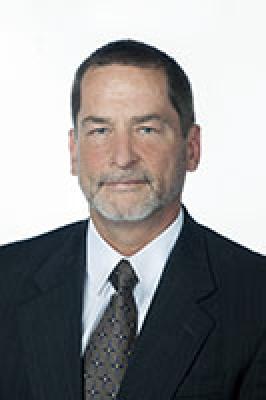
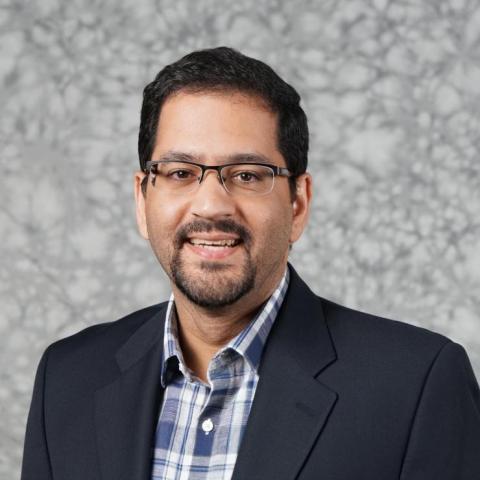
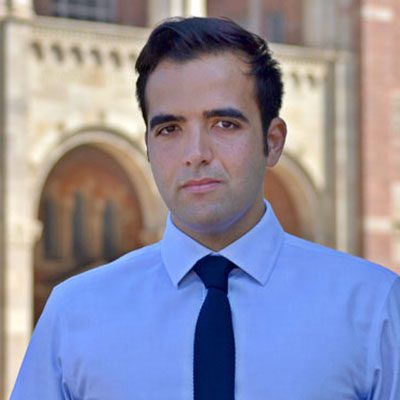
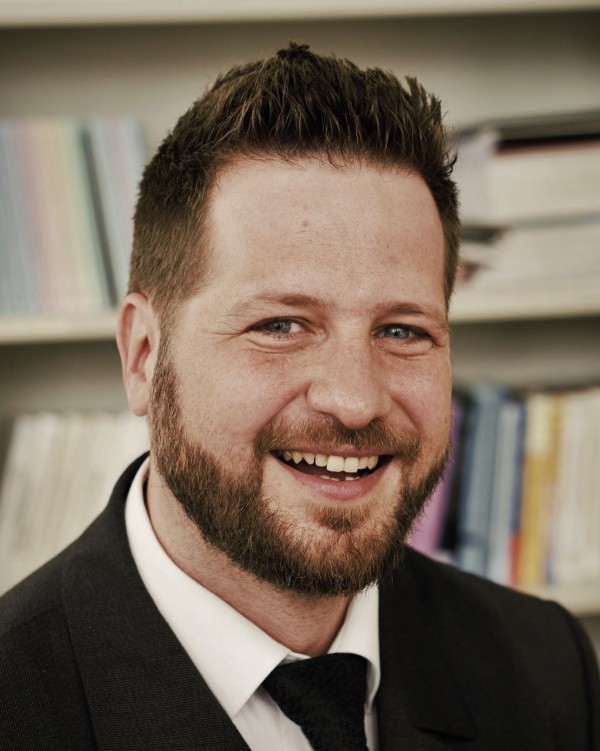
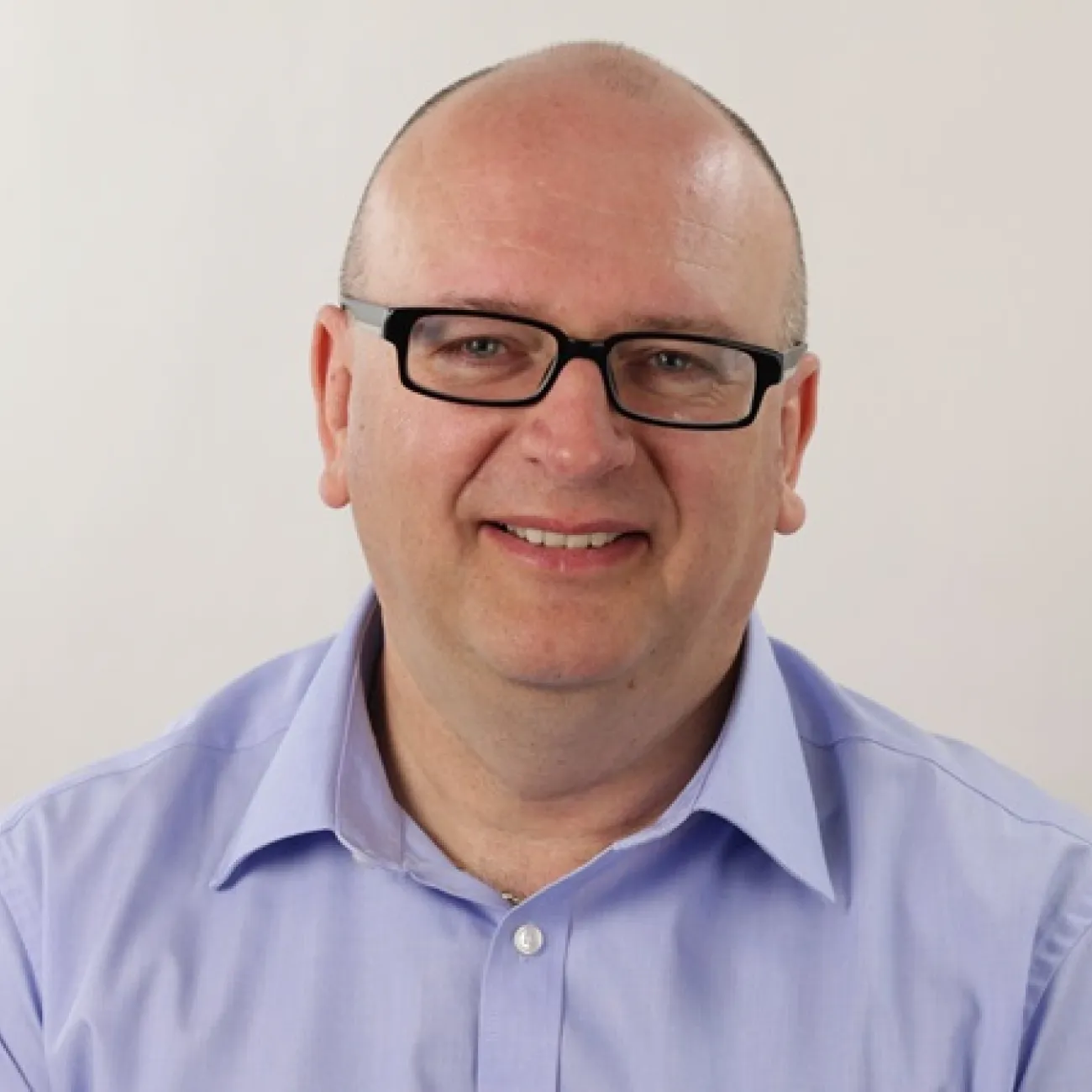
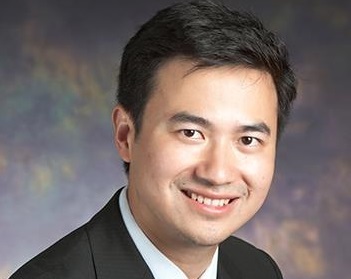
Albert B Frazier is a Professor in the School of Electrical and Computer Engineering at the Georgia Institute of Technology. He holds a joint appointment in Bioengineering and has expertise in Microsystems, MEMS, and biomedical applications. His research focuses on microfluidics, integrated detection systems, and microneedle technologies. Education: B.S. & M.S. (Electrical Engineering, Auburn University, 1986–1987); Ph.D. (Electrical and Computer Engineering, Georgia Tech, 1993) Previous Roles: Visiting Scholar (University of Michigan, 1994–1995), Joint Faculty (University of Utah, 1995–1999) His research interests span micromachining , bio-detection systems , and nanotechnology . He has led initiatives in microfluidic systems for cellular analysis and pioneered work on nano-particle separations. Dr. Frazier has served as an Associate Editor for Journal of Mechatronics and IEEE Transactions on Industrial Electronics , and chaired multiple technical committees and panels. He has received awards including the 2007 Georgia Tech Outstanding Professional Education Award and has delivered plenary lectures at international conferences. Currently, he chairs the ECE Bioengineering and Microsystems Technical Interest Groups and serves on the Scientific Advisory Board for CBMM for Precision Medicine.
Steven Ceron is an Assistant Professor in Robotics at the University of Michigan's College of Engineering. His research focuses on swarm robotics, multi-agent systems, and programmable self-organization of micro- and macro-scale robot swarms. He leads the Synergetic Adaptive Machinas (SAM) Lab, which develops reconfigurable robot swarms for biomedical applications and smart materials integration. Key research areas include microrobot fabrication, heterogeneous swarm coordination, and self-reconfigurable modular systems. His work envisions seamless integration of robot swarms into daily life through innovations in design, control, and scalability. Recent publications emphasize swarmalator dynamics, strain-based coordination in soft robots, and scalable fabrication methods. His lab explores both theoretical frameworks and practical implementations, bridging micro-scale and macro-scale robotics applications. Though no awards were explicitly listed, his contributions to novel fabrication techniques and modular robotics suggest ongoing recognition in the field. Advising and grant details are not provided here, but his lab's focus on biomedical and aerospace applications indicates active collaborative projects.
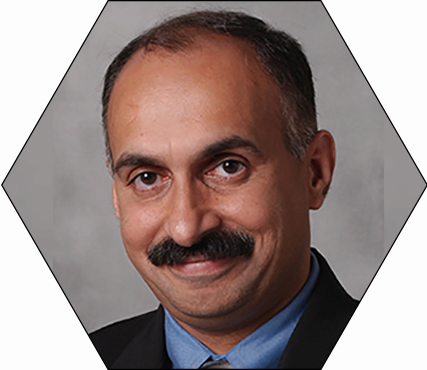
Suresh K. Sitaraman is a Regents' Professor and Morris M. Bryan, Jr. Professor in Mechanical Engineering at the Georgia Institute of Technology's George W. Woodruff School of Mechanical Engineering. His primary research focuses on Computer-Aided Engineering (CAE) and Design, manufacturing processes, micro/nano engineering, and mechanics of materials. He leads the Computer-Aided Simulation of Packaging Reliability (CASPaR) Lab and is involved in flexible hybrid electronics research through the Flexible Electronics Center . Dr. Sitaraman holds a Ph.D. from The Ohio State University (1989), M.A.Sc. from the University of Ottawa (1985), and B.E. from the University of Madras (1982). His research includes developing novel techniques like fixtureless magnetic actuation for interfacial fracture testing, compliant micro-scale interconnects for stress mitigation, and synchrotron X-ray diffraction analysis for through-silicon vias (TSVs). He has pioneered studies on carbon nanotube forests' mechanical properties and reliability challenges in 3D microsystems. His awards include the NSF CAREER Award (1997-2002), ASME Fellow designation (2004), and Sigma Xi Sustained Research Award (2008). He has authored over 150 publications and holds multiple patents on compliant interconnect technologies and packaging reliability solutions. Key Research Themes: Micro/nano-scale material characterization, physics-based predictive modeling, flexible electronics, 3D integration, and thermal management. Labs/Initiatives: CASPaR Lab ( caspar.gatech.edu ), Flexible Hybrid Electronics Center. Industry Impact: Contributions to semiconductor packaging, wearable electronics, and advanced manufacturing techniques.
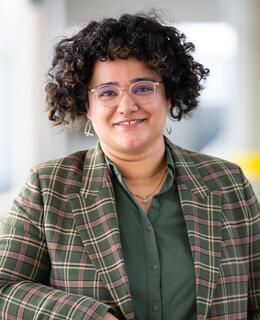
Dr. Zahra Abbasi is an Assistant Professor at the Department of Electrical and Software Engineering, University of Calgary (since 2021), with expertise in designing passive and active RF/microwave sensors for non-invasive real-time detection and monitoring. She holds a PhD in Nanosystems and Microsystems from the University of Alberta (2020) and a postdoctoral fellowship at the Waterloo Microfluidics Lab (University of Waterloo). Her research focuses on sensor systems for environmental, biomedical, and industrial applications, including microfluidic sensing, chipless tags, and wearable devices. Dr. Abbasi’s educational background includes degrees from Iran University of Science & Technology (BSc 2014, MSc 2016) and advanced training in Canada. She chairs IEEE MTT-S/AP committees in Alberta and has received notable awards such as the ASTech Finalist (2024) and Alberta Immigrant Impact Award (2023). Her work emphasizes collaboration across disciplines to address challenges in precision agriculture, healthcare, and environmental monitoring. Her sensor research spans diverse fields: microplastic detection in water, hydrocarbon contamination monitoring, real-time medical diagnostics (e.g., fibrinogen levels), and nutrient assessment in agriculture. Recent advancements include disposable sensors for medical implants and non-invasive hydration tracking for aging populations. Awards Finalist: ASTech Early Career Academic Change Maker (2024) Early Research Excellence Award (Schulich School of Engineering, 2023/2024) Alberta Immigrant Impact Award (2023) Advising & Labs Dr. Abbasi leads the Calgary Sensor Laboratory, fostering innovation in microwave and microfluidic sensor technologies. Her team collaborates on industrial and biomedical projects, emphasizing practical applications of novel sensor designs. While no named advisees are listed, her research group actively engages in multidisciplinary projects.
Nicolas Joly is a Researcher at the Le Mans University 's Institute of Acoustics , affiliated with the Transducers team. His work focuses on numerical modeling of acoustics and vibroacoustics, particularly thermoviscous diffusion phenomena in boundary layers. Research Areas : MEMS Transducers, Thermoviscous Fluid Dynamics, Inverse Methods, Composite Material Analysis Recent Contributions : Modeling micro-scale acoustic devices, homogenization of complex elastic moduli in curved beams, and fluid-loaded microbeam dynamics. Scientific Production Trends : Recent publications highlight advanced numerical simulations for miniaturized transducers, inverse methods in material characterization, and thermoviscous effects in MEMS devices. His work bridges acoustics with structural mechanics and sensor design.
Professor Will Wenmiao Shu is the Hay Chair in Biomedical Engineering and Director of Research at the Department of Biomedical Engineering, University of Strathclyde. He has held positions at prestigious institutions including University of Cambridge (PhD), Heriot-Watt University (Lecturer/Reader), and Stanford University (Visiting Position). His work focuses on 3D biofabrication , bioprinting , and regenerative medicine . PhD in Electrical Engineering & Nanoscience, University of Cambridge His research pioneered the first bioprinting of human embryonic stem cells and induced pluripotent stem cells, enabling animal-free drug testing and 3D printed organs . Current projects include 3D Bioprinting of Vascularised Hepatic Cancer Models and BIOME: Bioplastic Injection-moulding Optimisation . Recent publications address nanometrology and soft tissue resection simulations , reflecting his interdisciplinary approach. Awards include dual Best Presentation Prizes in 2024 for work on microvascular networks and animal-free research. Editorial Board Member, IOP Biofabrication Journal Board Director, International Society for Biofabrication (ISBF) Founding Member (emeritus), Royal Society of Edinburgh’s Young Academy
Muhannad S. Bakir is the Dan Fielder Professor in the School of Electrical and Computer Engineering at Georgia Institute of Technology, and Director of the 3D Systems Packaging Research Center . His research focuses on heterogeneous integration , electrical/photonic interconnects , thermal modeling , and electronics for healthcare , with over 180 publications and 12 U.S. patents. Research areas include: Advanced cooling and power delivery for emerging systems Biosensor-CMOS integration 2.5D/3D IC packaging Polylithic integration technology Nanofabrication for microsystems Scientific accolades include: 2018 IEEE EPS Exceptional Technical Achievement Award 2013 Intel Early Career Faculty Honor Award 2012 DARPA Young Faculty Award 2011 IEEE CPMT Outstanding Young Engineer Award Best paper awards at IEEE ECTC, IITC, and CICC 2020 Georgia Tech Doctoral Thesis Advisor Award His lab explores integrated 3D systems with emphasis on co-design of thermal, power, and electrical networks for machine learning and healthcare applications.
Sam Emaminejad is an Associate Professor in the Department of Electrical and Computer Engineering at the Henry Samueli School of Engineering and Applied Science, University of California Los Angeles (UCLA). His research focuses on developing advanced wearable bioelectronic systems for continuous, noninvasive health monitoring and personalized therapeutics. Key Research Areas: Biomarker detection via flexible sensors Microfluidic and ferrobotic systems Stress and drug level monitoring Biodegradable and breathable wearable materials Recent Trends: Analysis of sweat and interstitial fluids using microneedles, aerogel skins, and programmable microfluidics. Machine learning integration for physiological evaluation is prominent. Awards & Collaborations: While specific awards aren't listed, he collaborates with major UCLA Health and Engineering faculty, including Ali Khademhosseini and Dino Di Carlo, on projects funded by NIH T32 grants and institutional fellowship programs. Grants & Labs: Leads projects in NIH-funded wearable sensor research, including the development of autonomous systems for cystic fibrosis and glucose monitoring. His lab explores ferrobotic swarms and hydrogel-based interfaces for clinical and consumer applications.
Dr. Cosmin Ioan Roman is a Lecturer at the Department of Mechanical and Process Engineering at ETH Zürich, affiliated with the Chair in Micro and Nanosystems since 2006. His research focuses on solid-state micro and nanotransducers, spanning from traditional Silicon micromachining to carbon nanotube-based (CNT) devices for bio-sensing applications, with an emphasis on energy-efficient transducer concepts. Doctoral Degree: National Polytechnic Institute of Grenoble (INPG) Roman's expertise lies in multi-physics and compact modeling of transducers. His work bridges materials science, semiconductor device physics, and biomedical sensing, utilizing advanced fabrication techniques for scalable sensor arrays on flexible substrates. The selected publications highlight his contributions to tactile sensing and cell rheology. His co-supervised doctoral thesis on carbon nanotube resonators demonstrates his interdisciplinary approach to nanoscale and biomedical systems.
Neil White is Professor of Intelligent Sensor Systems at the University of Southampton's Electronics and Computer Science (ECS) school and serves as Director of the ECS Centre for Healthcare. He has held various leadership positions including Head of Electronics and Computer Science from 2011 to 2015 and has been instrumental in establishing research initiatives in sensor technology and energy harvesting. His research interests focus on medical sensors , intelligent sensor systems , and energy harvesting technologies. Professor White's work bridges the gap between engineering and healthcare applications, with significant contributions to wearable medical devices, particularly respiratory monitoring systems. His research integrates micro-electromechanical systems (MEMS), energy harvesting techniques, and smart textiles to create innovative healthcare solutions. Analysis of his recent publications reveals a strong focus on energy harvesting technologies, medical sensor applications, and e-textile development. His work spans multiple disciplines including biomedical engineering, electrical engineering, and materials science, with applications in healthcare monitoring, environmental sensing, and transportation systems. The research demonstrates a consistent theme of creating self-powered, intelligent sensor systems for practical applications. Professor White has received notable recognition including the Callendar silver Medal (2009) from the Institute of Measurement and Control and the 1989 Educational Prize from the International Society for Hybrid Microelectronics. Principal Investigator on NIHR i4i project developing low-cost wearable respiration sensors Former Director and co-founder of Perpetuum Ltd., specializing in vibration energy harvesting Current collaborations with clinicians at University Hospital Southampton Extensive funding from EPSRC, European Union, and industry partners Professor White leads research within the Smart Electronic Materials and Systems group, the Institute for Life Sciences, and the Centre for Health Technologies. His work in the Interdisciplinary Musculoskeletal Health and Digital Health research areas demonstrates his commitment to cross-disciplinary collaboration to address complex healthcare challenges through engineering solutions.
Prof. Dr. Julius Schöning is a Professor at the Faculty of Engineering and Computer Science , Osnabrück University of Applied Sciences. His research focuses on Artificial Intelligence , Human-Computer Interaction , and Computer Vision within agricultural contexts. 2019–Present: Professor, Hochschule Osnabrück 2018–2019: System Architect, ZF Friedrichshafen AG 2014–2018: Researcher, University of Osnabrück 2009–2013: Project Lead/System Engineer, CLAAS Harsewinkel Education: M.Sc. in Intelligent Embedded Microsystems (Freiburg), B.Eng. in Mechatronics (DHBW Stuttgart) His research spans smart agriculture , quantum NLP , and explainable AI systems , with recent work on vibrotactile warning systems, AI compliance frameworks, and hybrid dataset applications in farming. Publications emphasize interdisciplinary approaches bridging technology and agricultural practice . Scientific honors include: DAAD Stipendium for conference participation Best Paper Award (2018) IEEE GHTC Student Paper Contest Winner (2016) Sonderpreis für gute Lehre (2017) Finalist/Falling Walls Lab (2015)
Hassan Foroosh is a Professor in the Department of Electrical Engineering and Computer Science at the University of Central Florida (UCF), directing the Computational Imaging Laboratory (CIL). He holds a Ph.D. in Computer Science from INRIA-UNSA, France (1996). Prior to UCF, he worked as a Senior Research Scientist at UC Berkeley (2000–2002) and an Assistant Research Professor at the University of Maryland, College Park (1997–2000). Research Interests: His work focuses on Computer Vision, Image Processing, Machine Learning, and Signal Processing. Notable contributions include LiDAR-based perception, adversarial attacks on detectors, medical imaging analysis, and dataset design for action recognition. His research is supported by NASA, NSF, ONR, and industry partners. Publications & Impact: Over 130 peer-reviewed papers, including influential work on super-resolution techniques, transformer networks for 3D object detection, and adversarial machine learning. His recent work explores analytical reasoning in LLMs and multimodal fusion in sports analytics. Awards: Pierro Zamperoni Award (2004), Best ICPR Paper (2004), Sun Microsystems Academic Excellence Award (2004). Labs/Teams: Director of the Computational Imaging Lab (CIL), UCF. Grants: Active funding from NASA, NSF, and industry collaborators.
Niels Quack is an Associate Professor in Micro- and Nanosystems at The University of Sydney's School of Aerospace, Mechanical and Mechatronic Engineering. He joined the university in 2022 after serving as an SNSF Assistant Professor at EPFL (Switzerland). His roles include Academic Director of the Research and Prototype Foundry and membership in the University of Sydney Nano Institute. He holds a Dr.Sc. from ETH Zurich and an M.Sc. from EPFL. His research focuses on micro- and nanosystems engineering, integrating mechanics and photonics at the microscale. Key applications include fiber-optical communication, quantum sensing, and integrated photonics using diamond and silicon materials. Quack has pioneered silicon photonic MEMS and diamond micro-optics, with over 100 publications in journals like ACS Photonics , Optics Letters , and Nanoscale . He leads international collaborations with institutions like Ghent University (Belgium) and EPFL (Switzerland), and serves on editorial boards for IEEE Journal of Microelectromechanical Systems and SPIE Journal of Optical Microsystems . His awards include the Optica Senior Member distinction (2023) and Sydney Research Accelerator Prize (2023). Quack supervises PhD and Master's students in advanced micro- and nanosystems design, offering projects in programmable photonics and diamond-based biosensors. He actively recruits postdoctoral researchers and advises on funded projects like 'Nurturing Commercialization Opportunities for Multipoint Fiber-Optical Pressure Sensors.' His lab develops cutting-edge technologies such as vacuum-sealed silicon photonic MEMS and diamond nanopillar arrays, advancing applications in quantum sensing and optical communication systems.
Klas Hjort is a Professor of Materials Science at Uppsala University's Ångström Laboratory , specializing in Microsystems Technology . He leads the microsystems technology program and has pioneered research in heterogeneous microsystems on stainless steel, flexible foils, and elastic substrates for biomedical applications and wireless sensor/actuator systems . Key projects: SSF robotic textiles , PERSIMMON smart patches Research themes: Microfluidic actuation , Liquid metal patterning , Stretchable electronics His recent publications focus on soft robotics , smart patches , and high-pressure microfluidic systems , with keywords spanning Microfluidics , Biomedical Engineering , and Stretchable Electronics . He collaborates extensively in robotic textiles , microvalve design , and liquid metal composites . Contact: klas.hjort@angstrom.uu.se
Songbin Gong is an Associate Professor in the Department of Electrical and Computer Engineering at the University of Illinois at Urbana Champaign, where he has been a faculty member since August 2013. He was promoted from Assistant Professor to Associate Professor in August 2019 and holds the Intel Alumni Fellowship. His research is centered at the Micro and Nanotechnology Lab, where he leads the Integrated RF Microsystems research group. Professor Gong's research focuses on RF and microwave photonics, microwave acoustics, and Micro-Electro-Mechanical Systems, with particular expertise in lithium niobate-based devices. His work spans the development of acoustic resonators, filters, and transducers operating from VHF to Sub-THz frequencies. Recent publications demonstrate significant advances in high-frequency acoustic devices, including GHz resonators with high electromechanical coupling and low loss characteristics. His research has direct applications in 5G communications, wireless sensing, and imaging systems. Gong has established himself as a leader in the field of RF MEMS and acoustic devices, with numerous high-impact publications in top journals including IEEE Transactions on Microwave Theory and Techniques, Journal of Microelectromechanical Systems, and Optics Express. His work shows a clear progression toward higher frequency operation, improved device performance, and novel integration approaches for next-generation communication systems. Among his notable achievements is the development of thin-film lithium niobate devices that overcome traditional frequency limitations of MEMS resonators, enabling operation beyond 10 GHz. This work addresses critical challenges in 5G and future wireless technologies where conventional approaches face scaling limitations. IEEE Ultrasonics Early Career Investigator Award DARPA Young Faculty Award 2014 NASA Early Career Faculty Award 2017 Intel Alumni Fellow 2017-present Multiple Best Paper Awards at major conferences including International Ultrasonic Symposium and International Microwave Symposium Professor Gong actively mentors graduate and undergraduate students, with several of his PhD students achieving notable success, including Ruochen Lu who joined UT Austin as a tenure-track assistant professor. His research group has secured significant funding from agencies including DARPA and NASA, supporting cutting-edge work in RF microsystems. The group maintains strong industry connections, particularly with Intel, reflecting the practical relevance of their research to commercial communication technologies. The Gong Research Group leverages micro/nano electro mechanical systems (N/MEMS), integrated photonic, and compound semiconductor technologies to develop chip-scale hybrid microsystems for RF communication, sensing, and imaging applications. Their current work focuses on pushing the boundaries of acoustic device performance while maintaining compatibility with standard semiconductor manufacturing processes.