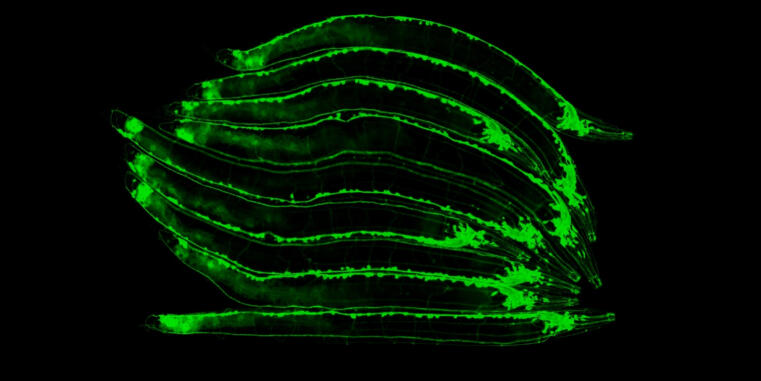
Henrik Bringmann is a Professor at Technische Universität Dresden leading the Bringmann Lab, which investigates sleep regulation and its biological functions using Caenorhabditis elegans and mouse models. The lab focuses on molecular mechanisms of sleep-related health benefits and developing tools for long-term experimental observation. Developed agarose hydrogel microcompartments for imaging sleep behavior Created Codon Adapter web tool for gene expression control Engineered non-Mendelian inheritance systems in worms Designed OptoGenBox for optogenetic stimulation protocols Research findings aim to address sleep disorders and develop regenerative therapies. The lab includes 10+ active researchers with positions ranging from Predoc to Postdoc.
Eugenie Carrière is a Researcher affiliated with the Microorganisms, Genome and Environment Laboratory (LMGE UMR CNRS6023) at Université Clermont Auvergne. Her work focuses on microbial genomics and environmental interactions, particularly bacterial microcompartments. She is part of the temporary academic staff at UCA, contributing to research in microbiology and environmental science. Contact: Eugenie.CARRIERE@uca.fr
Arthur Konnerth is a Hertie Senior Professor for Neuroscience at the Technical University of Munich (TUM), affiliated with the Institute of Neuroscience within the TUM School of Medicine and Health. His research focuses on synaptic interactions, neuronal circuits, and mechanisms underlying learning and memory, with a particular emphasis on Alzheimer's Disease pathophysiology. He studied medicine at LMU Munich, earned his doctoral degree at the Max Planck Institute of Psychiatry (1983), and habilitated at TUM (1987). His career includes leadership roles at Saarland University, TUM, and LMU. Key honors include the Brain Prize (2015), Leibniz Prize (2001), and Max Planck Research Prize (2001). Scientific contributions span imaging techniques (e.g., two-photon microscopy) and elucidating Alzheimer's-related neuronal hyperactivity linked to amyloid β. His work bridges cellular, molecular, and systems neuroscience, addressing synaptic dysfunction in disease. Awards highlight his global impact, including Leopoldina Academy membership and TUM-IAS Senior Fellowship. Research integrates electrophysiology, imaging, and cell biology to decode neural circuits. Notable studies include mapping sensory inputs in cortical neurons and identifying amyloid β's role in disrupting neuronal activity. His lab focuses on translational approaches to Alzheimer's, combining experimental models with cutting-edge neurotechnologies.
Dean Price is a Professor in the Division of Plant Sciences at the Australian National University (ANU). His research focuses on understanding and enhancing photosynthetic efficiency in plants, particularly through the engineering of CO₂-concentrating mechanisms (CCM) from cyanobacteria into crop plants. He leads projects such as the Realising Increased Photosynthetic Efficiency (RIPE) initiative and contributes to the ARC Centre of Excellence for Translational Photosynthesis, aiming to improve crop yields through biophysical and genetic innovations. Key research interests include cyanobacterial carboxysome structure/function, bicarbonate transporter regulation, and chloroplast engineering. His work integrates molecular genetics, biochemistry, and computational modeling to address global challenges in food security and sustainable agriculture. Education: PhD (details not explicitly stated, but inferred from professional profile) Projects: RIPE: 2017–2023 (enhancing crop photosynthesis) ARC Centre of Excellence for Translational Photosynthesis: 2014–2021 Recent efforts include engineering cyanobacterial bicarbonate transporters (e.g., BCT1, SbtA) into plant chloroplasts and studying carboxysome-based CO₂ concentrating mechanisms. Collaborations span global institutions, emphasizing interdisciplinary approaches to photosynthesis optimization.
David Hickey is an Assistant Professor in the Department of Chemical Engineering and Materials Science at Michigan State University. His research integrates computational and experimental methods to design electrochemical systems for biosensing, energy storage, and biocatalytic processes. Key areas include molecular interactions at electrode interfaces, electroenzymatic biosensors, and novel redox flow battery technologies. Education: Ph.D. in Chemistry from the University of Oklahoma, followed by postdoctoral training at the University of Utah. Research focuses on advancing bioelectrochemical interfaces for early cancer detection, optimizing non-aqueous redox flow batteries, and developing enzymatic cascades for sustainable chemical synthesis. The Hickey Lab pioneers interdisciplinary approaches to bridge fundamental science and applied engineering challenges. Publications emphasize innovative materials design (e.g., pyridinium anolytes), cofactor recycling systems, and wearable biosensors. Collaborations include experts in electrochemistry, materials science, and biomedical engineering.
Dr. Piyali Bhattacharjee is a microbiologist with a PhD serving as Academic Program Manager for the English-taught Mechatronics Engineering program at Aalen University of Applied Sciences within the Faculty of Optics and Mechatronics. She also functions as contact person for the school liaison office and provides services through the Central Student Advisory Service. Her educational foundation includes a B.Sc. in Microbiology from the University of Calcutta where she graduated third in her class (2006) and qualification for the CSIR-NET Junior Research Fellowship (2008). Her research trajectory demonstrates significant evolution from environmental microbiology to biomedical applications. Dr. Bhattacharjee's research spans multiple domains: Microbial degradation pathways for environmental pollutants Chemical fixation protocols for biological imaging Bacterial nanotube formation mechanisms Bone regeneration and tissue engineering STEM education internationalization Her recent work shows a strategic shift toward biomedical applications, particularly evident in her 2023 publication on correlated multimodal imaging in bone regeneration using bisphosphonate-treated murine jawbones, representing an expansion from environmental microbiology to regenerative medicine. Notable achievements include: Best Poster award at International Symposium on cellular microcompartments (2017) Best Poster award at International Congress of Environmental Research (2008) CSIR-NET qualification for Junior Research Fellowship (2008) Top-tier academic performance at University of Calcutta (2006) As an educational leader, Dr. Bhattacharjee is committed to bridging school-to-university transitions, advancing STEM education globally, and promoting intercultural exchange. Her professional mission emphasizes STEM education as both a career pathway and solution for sustainable future development, with daily motivation drawn from positively impacting students' lives and helping them reach their full potential.
Kaj-Åge Henneberg is an Associate Professor at the Department of Health Technology, Technical University of Denmark (DTU), specializing in the Digital Health UltraSound and Biomechanics research group. His academic career spans over two decades with significant contributions to biomedical engineering education and research in electrophysiology, cardiovascular biomechanics, and physiological transport phenomena. Dr. Henneberg has held several key administrative positions including Director of Undergraduate Studies, Track Coordinator for Biomechanics and Biomaterials in the Medicine and Technology program, and Chairman of the education committee for the Medicine and Technology program. He also serves as a young faculty supervisor at DTU. His research focuses on electrophysiology, cardiovascular biomechanics, and physiological transport, with particular expertise in biofilm research, biological age modeling, and biomechanical analysis of orthopedic conditions like Perthes' disease. His work spans both theoretical modeling and experimental validation, often employing boundary element methods, finite element modeling, and advanced signal processing techniques. Dr. Henneberg has supervised numerous PhD students and served as examiner for multiple doctoral committees. His research has been supported by various projects focusing on brain connectivity, fast plane wave imaging, computational management of aortic aneurysm repairs, and detection of epileptic seizures. He has been actively involved in curriculum development and educational innovation at DTU, contributing to the revision of qualification frameworks and addressing challenges in interdisciplinary education programs.
Julian Whitelegge is an Adjunct Professor in the Department of Psychiatry & Biobehavioral Sciences at the David Geffen School of Medicine, University of California, Los Angeles . He serves as Director of Proteomics at the Pasarow Mass Spectrometry Laboratory , specializing in advanced mass spectrometry techniques for protein analysis. Ph.D., Imperial College of Science and Technology, University of London (1989) Visiting Scientist, Cornell University (1999), focusing on Fourier-transform mass spectrometry Dr. Whitelegge's research spans mass spectrometry-based proteomics with applications in neurodegenerative diseases (ALS, Alzheimer's) and membrane protein structure-function relationships . His work includes top-down proteomics for intact protein analysis, amyloid protein characterization , and lipid-protein interactions . Recent publications highlight studies on Alzheimer's therapies , SARS-CoV-2 spike protein trafficking , and bacterial microcompartment assembly . His expertise in Fourier-transform mass spectrometry has advanced membrane protein analysis and structural proteomics . Dr. Whitelegge contributes to scientific literature with over 150 publications and editorial roles, including Molecular and Cellular Proteomics . He trains postgraduate and postdoctoral researchers in advanced protein mass spectrometry techniques.
Giuseppe Sancataldo is a Researcher (PHYS-06/A) in the Physics and Chemistry - Emilio Segrè Department at the University of Palermo, specializing in advanced optical techniques for biomedical and materials research. His work bridges physics, chemistry, and biology with a focus on developing and applying cutting-edge microscopy methods. His research interests center on fluorescence microscopy techniques (particularly light-sheet and FLIM-phasor analysis), amyloid fibril dynamics , liquid-liquid phase separation , and nanomaterial-biological interactions . He develops novel imaging approaches to study water structuring, membrane biophysics, and photocatalytic materials. His instrumentation work includes acousto-optic deflectors for neuroscience applications and low-cost educational tools like smartphone polarimeters. Analyzing his recent publications (2023-2025), key trends emerge: 1) Dominance of light-sheet microscopy for 3D biological imaging (embryos, brain tissues, zebrafish), 2) Pioneering use of FLIM-phasor analysis for amyloid maturation and membrane studies, 3) Strong focus on sustainable materials (cellulose composites, gold nanoparticle hybrids), and 4) Interdisciplinary applications spanning neurodegenerative disease modeling, environmental photocatalysis, and cultural heritage conservation. Sancataldo teaches Error Theory with Laboratory for Physical Sciences students and maintains active research collaborations across biophysics and nanotechnology domains. His office hours are Fridays 3:00-5:00 PM at Building 18, Viale delle Scienze.
Dr. Chenguang Fan is an Associate Professor in the Department of Chemistry & Biochemistry at the University of Arkansas, College of Arts & Sciences. He earned his BS in Biological Pharmacy from Nanjing University, PhD in Biochemistry from Iowa State University under Professor Thomas Bobik, and conducted postdoctoral research with Professor Dieter Söll at Yale University. Research Interests: Protein chemistry, bacterial pathogenesis, cancer biology, and synthetic biology using genetic code expansion techniques. Key Techniques: Development of noncanonical amino acid incorporation systems, site-specific acetylation studies in Escherichia coli, and engineering bacterial microcompartments. Teaching: Offers undergraduate and graduate courses in chemistry and biochemistry. Dr. Fan's work spans interdisciplinary approaches to study post-translational modifications, particularly lysine acetylation, in metabolic enzymes and bacterial pathogens. His group focuses on: Mapping protein-protein interaction networks Developing tools for noncanonical amino acid labeling Designing inhibitors for Salmonella metabolic organelles Engineering bacterial microcompartments as nano-bioreactors for biofuels Investigating cancer-related phosphorylation and acetylation His publications highlight contributions to genetic code expansion, enzyme encapsulation in metal-organic frameworks, and functional analysis of bacterial microcompartments. Notable awards include the Ralph E. Powe Junior Faculty Enhancement Award and Arkansas Biosciences Institute New Investigator of the Year 2018. Dr. Fan has received NIH grants from NIAID and NIGMS to support his research.
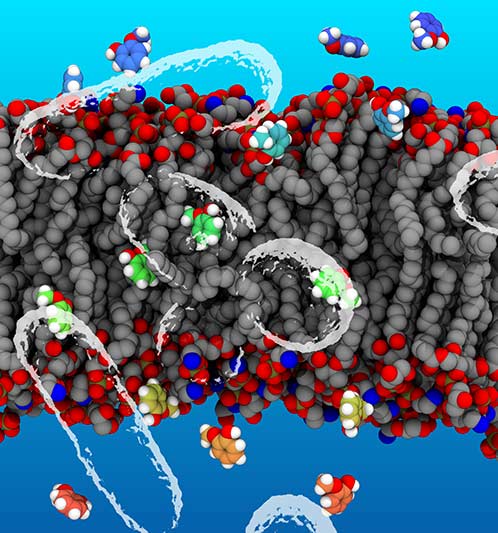
Josh Vincent Vermaas is an Assistant Professor in the Department of Biochemistry & Molecular Biology at Michigan State University, with joint appointments at the MSU-DOE Plant Research Laboratory and the Molecular Plant Sciences Program. His research focuses on using computational methods to understand biological phenomena at the molecular level, particularly in photosynthetic organisms and plant materials. Dr. Vermaas earned his BS in Physics, Biochemistry, and Computational Mathematics from Arizona State University in 2010, followed by a PhD in Biophysics from the University of Illinois at Urbana-Champaign in 2016. He completed postdoctoral training at the National Renewable Energy Laboratory (2016-2019) and served as a Computational Scientist at Oak Ridge National Laboratory in 2020 before joining MSU in January 2021. His research employs atomic-scale simulation tools to create molecular models that reveal how biological structures function at the nanoscale. The Vermaas Lab investigates three primary areas: lipid membranes and membrane proteins, nanostructures in photosynthetic organisms, and advanced computational methods. Their work combines molecular dynamics simulations with experimental collaborations to address sustainability challenges in energy conversion and bioproduct production. Recent projects include studying carboxysome permeability, lignin structure, membrane transport mechanisms, and developing machine learning-based force fields. The lab's publication record demonstrates expertise across computational biophysics, with recent papers focusing on bacterial microcompartment structure and function, plant membrane permeability, photosynthetic mechanisms, and fungal cell wall remodeling. Their research often combines multiple techniques including molecular dynamics, Brownian dynamics, and experimental validation. OpenEye Outstanding Junior Faculty Award (2025) Tomashow Keegstra Award (for work on human cis-prenyltransferase) Dr. Vermaas mentors multiple graduate and undergraduate students, including Duncan Boren, Jinxin Lin, and Siva Naga Sai Damaraju. His lab has secured significant funding, including an NIH R35 award for studying natural product transport. The Vermaas Lab actively participates in outreach activities such as the MSU Science Festival and Girls Math and Science Day, demonstrating commitment to science education and community engagement.
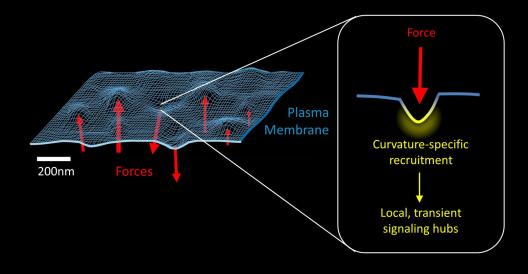
Milos Galic is a University Professor at the Institute of Medical Physics and Biophysics at the University of Münster, Germany, where he leads the Galic Lab: Nanoforces in Cells. He is actively involved in the "Cells in Motion" cluster of excellence and serves as a supervisor in the CiM-IMPRS Graduate Programme. His research spans multiple collaborative projects including CRC 1348 and CRC 1450. Dr. Galic's educational background includes: 1996-2002: Studies in Biology at the University of Zürich, Switzerland 2002-2007: PhD in Neurobiology at the University of Basel, Switzerland (summa cum laude) 2007-2012: Postdoctoral Fellow in Chemical & Systems Biology at Stanford University, USA 2012-2013: Research Associate in Chemical & Systems Biology at Stanford University, USA Dr. Galic's research focuses on understanding how curvature-dependent self-organization impacts single and collective cell dynamics. His work investigates how mechanical forces applied to cellular membranes cause deformations that trigger enrichment of curvature-sensitive proteins and lipids, forming transient signaling hubs. This mechano-chemical signal translation is crucial for cell architecture (particularly neuronal arborization), directionality and speed of cell migration, and collective cell behavior. His lab employs an interdisciplinary approach combining cell and neurobiology with biophysics, nanofabrication, and computational analysis of microscopic images. His recent publications reveal a consistent focus on membrane curvature, protein-membrane interactions, and how mechanical forces are translated into biochemical signals. The work spans from fundamental biophysical principles to applications in neuronal development and cell migration. His research has increasingly incorporated advanced microscopy techniques including lattice light-sheet microscopy, correlative light-electron microscopy, and super-resolution microscopy. As a mentor, Dr. Galic supervises students in the CiM-IMPRS Graduate Programme and has guided numerous PhD projects focused on spatio-temporal analysis of curvature-dependent protein/membrane interactions, analysis of curvature-dependent regulation of actin-based forces, and investigation of curvature-dependent regulation of neuronal architecture. Dr. Galic's lab, the Galic Lab: Nanoforces in Cells, is part of the Multiscale Imaging Centre at the University of Münster. The lab employs cellular model systems (neurons, immune cells, and vascular cells) and biomimetic approaches to study how curvature-induced signaling circuits form and function. The team uses advanced microscopy techniques, quantitative image analysis, nanomaterials, biophysical approaches, and numerical modeling to uncover the core principles through which curvature-dependent self-organization regulates cellular physiology and development in health and disease.
Sophie Barbe is a Professor at Institut National des Sciences Appliquées de Toulouse (INSA Toulouse) specializing in computational protein design and artificial intelligence applications in biochemistry. She serves as a thesis director for PhD students at INSA Toulouse and Université Toulouse 3, and is affiliated with the ANITI research institute focused on artificial intelligence. Professor Barbe's research focuses on the intersection of computer science and biochemistry, with emphasis on: Developing AI-powered methods for computational protein design Engineering enzymes for biocatalysis applications Creating neuro-symbolic approaches that combine deep learning with logical reasoning for biomolecular design Designing miniprotein binders and symmetrical multi-component proteins Her recent work shows a strong trend toward integrating advanced AI techniques with traditional computational biology approaches, resulting in practical tools for protein engineering. She has published extensively in top venues including Nature, PLOS ONE, and major AI conferences. Professor Barbe has supervised numerous PhD students to completion, including Jelena Vucinic, Marianne Defresne, and Younes Bouchiba. Her lab maintains active collaborations with both academic and industrial partners in biotechnology. As an active researcher with publications extending into 2025, Professor Barbe continues to push the boundaries of computational protein design, particularly through the integration of novel AI methodologies with structural biology principles.
Prof. Dr. Eva Liebau is a Professor and Group Leader at the Institute for Integrative Cell Biology and Physiology, University of Münster, Germany, specializing in Molecular Physiology. She leads an active research group investigating glutathione metabolism, oxidative stress response, and parasitic nematodes, with significant involvement in the SãMBio German-Brazilian double degree program with the University of São Paulo. Her research focuses on the molecular mechanisms of genetic adaptation to xenobiotic compounds and oxidative stressors, using Caenorhabditis elegans as a model organism. Her work spans environmental stress response, thiol-based redox signaling, glutathione-related enzymes, regulation of translation, and the secretome of parasitic nematodes. She has made significant contributions to understanding the UFM1 cascade, a posttranslational modification system highly conserved in multicellular organisms. Prof. Liebau's recent publications reveal a strong trend toward anthelmintic drug discovery using natural compounds and plant extracts, with particular emphasis on understanding the mechanisms of action against parasitic nematodes. Her work bridges basic molecular research with applied parasitology, contributing to both fundamental understanding of stress responses and potential therapeutic applications. She actively supervises PhD and MSc students including Emma Schröder and Luka Ressmann, and collaborates extensively with international partners including the Institute of Biomedical Sciences at the University of São Paulo, the Institute of Pharmaceutical Biology and Phytochemistry at the University of Münster, and the Redox Homeostasis Group at the Institute of Biomedicine of Seville. Prof. Liebau is affiliated with multiple research networks including Cells in Motion, CRC 1009 (Breaking Barriers), CRC 1348 (Dynamic Cellular Interfaces), CRC 1459 (Intelligent Matter), and CRC 944 (Physiology and Dynamics of Cellular Microcompartments), and participates in several PhD programs including CiM-IMPRS, IRTG Graduate School, and SP BioSciences.
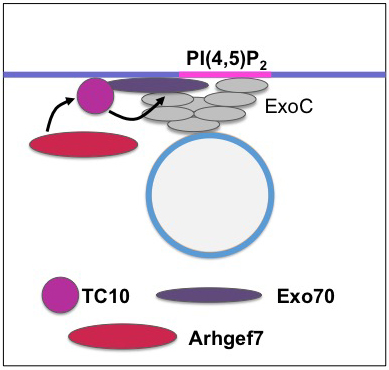
Professor Andreas W. Püschel leads the Molecular Neurobiology research group at the Institute of Integrative Cell Biology and Physiology, University of Münster. His research focuses on understanding the cellular and molecular mechanisms underlying neuronal polarization and migration during cortical development. He maintains active collaborations with multiple research centers including the Cells in Motion Cluster of Excellence and several Collaborative Research Centers. Professor Püschel's research centers on the fundamental processes that govern how neurons establish their polarized structure with distinct axonal and somatodendritic compartments. His work particularly investigates the role of small GTPases, especially Rap1, in regulating intracellular transport processes during neuronal differentiation. His laboratory employs advanced techniques including life cell imaging in dissociated neurons and organotypic slice cultures from embryonic mouse cortex, combined with genetic manipulations through knockdown or knockout approaches. Analysis of Professor Püschel's publication record reveals a consistent focus on neuronal development mechanisms, with particular emphasis on GTPase signaling pathways. His research has established Rap1 GTPases as master regulators of cell polarity in the developing cortex, and his team has identified key molecular players including Arhgef7 and TC10 in regulating membrane dynamics during neuronal polarization. Recent work has expanded into mitochondrial dynamics, vesicle transport modeling, and the connection between neuronal development and neurodevelopmental disorders. Professor Püschel actively mentors several PhD students including Elena Bekker, Trisha Kundu, Federica Olocco, Priyadarshini Ravindran, and Priyadharshini Srikanth. His research is supported by multiple funding sources including the Cells in Motion Cluster of Excellence, CRC 1009 (Breaking Barriers), CRC 1348 (Dynamic Cellular Interfaces), CRC 1459 (Intelligent Matter), and CRC 944 (Physiology and Dynamics of Cellular Microcompartments). The Püschel laboratory operates within the Molecular Neurobiology department at the University of Münster, utilizing advanced imaging techniques to study neuronal development. The team employs a multidisciplinary approach combining molecular biology, live-cell imaging, and optogenetic manipulation to understand the spatiotemporal control of membrane dynamics during neuronal differentiation. Their work has significant implications for understanding neurodevelopmental disorders resulting from defects in intracellular transport and neuronal migration.