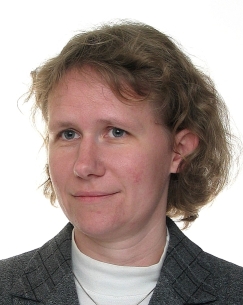
Dr. hab. inż. Katarzyna Bielicka-Daszkiewicz is an Associate Professor at the Department of Organic and Bioorganic Chemistry, Faculty of Chemical Technology, Poznań University of Technology. With habilitation in Chemical Sciences (2013), her career spans over 25 years of interdisciplinary research bridging analytical chemistry, environmental engineering, and pharmaceutical applications. Master of Science in Engineering (1995, PUT) PhD in Chemical Sciences (2001, PUT) Habilitation in Chemical Sciences (2013, Gdańsk Tech) Her research focuses on chromatographic techniques and solid-phase extraction for environmental and pharmaceutical applications. Key contributions include: Development of Monolithic In-Needle Extraction devices Application of Hansen solubility parameters in extraction system optimization Analysis of dental material releases and food contact material safety Design of polymer inclusion membranes for contaminant removal Recent work (2022-2025) emphasizes chemoinformatics tools for drug development and tau protein inhibitors from fungal metabolites. She has contributed to 29 scientific articles (2001-2025) with impact factors up to 6.215.
Dr. DSc, Eng. Bogdan Wyrwas is a Professor at the Faculty of Chemical Technology , Poznań University of Technology , specializing in the Department of General and Analytical Chemistry . His career spans over three decades, including a PhD (1997) , Habilitation (2013) , and elevation to University Professor (2021) . He has conducted classes in General and Inorganic Chemistry , Water Treatment Technologies , and Chemistry for Safety Engineering . Research Interests : Surfactant analysis in environmental compartments Photodegradation and sorption of surfactants Toxicity assessment of ionic liquids Wastewater treatment technologies Methodological innovations in biodegradation studies Recent Publications focus on: Photocatalytic degradation of surfactants using nanoparticles Nanocomposite materials for environmental applications Sustainable fuel selection for combustion engines Ecotoxicology of chemical pollutants Awards : Recipient of the Medal of the National Education Commission (2015) . Active in academic governance, he serves on multiple councils including the WTCh Faculty Council and Polish Chemical Society .
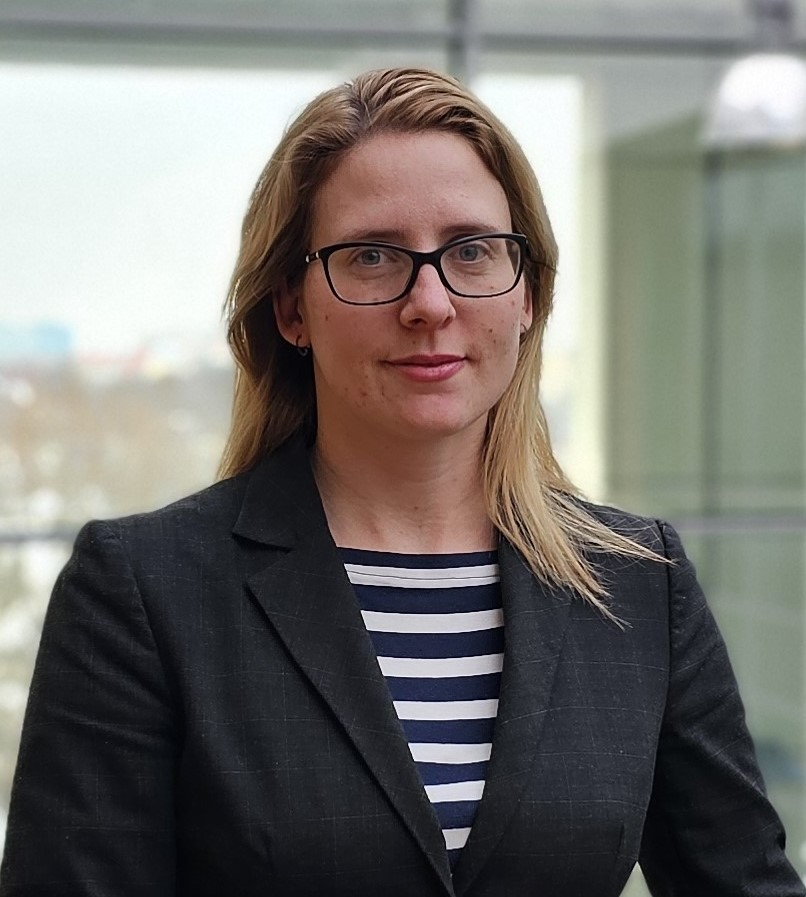
Dr. Eng. Agata Zdarta is a researcher at the Faculty of Chemical Technology , Poznań University of Technology , specializing in the Department of Organic and Bioorganic Chemistry . Her work bridges environmental biotechnology with microbial adaptation mechanisms. Education Biotechnology, Master of Science in Engineering (2013), Poznań University of Life Sciences Quality Management, Postgraduate studies (2014), Poznań School of Banking Chemical Sciences, PhD (2020), Poznań University of Technology Research Focus Her scientific interests center on biodegradation of pollutants, including hydrocarbons and antibiotics , with emphasis on bioaugmentation , microbial stress responses , and enzyme immobilization for environmental applications. She investigates how surfactants (both natural and synthetic) alter microbial cell properties to enhance pollutant bioavailability. Recent work includes membrane-based enzyme systems and microplastic sampling methods . Scientific Contributions Developed advanced enzyme immobilization platforms using aluminum/gold-coated membranes Analyzed microplastic removal paradox in wastewater treatment plants Evaluated seasonal impacts on freshwater bacterial communities Authored 35+ scientific articles and 14 book chapters Awards and Leadership 2020 Rector’s Award for scientific achievements 2017 Santander Universidades Award for social initiatives Chairwoman of University Doctoral Students’ Self-Government (2020) Editorial board member of Materials (MDPI) special issue
Manuel Fuentes Conde is a full-time University Professor in the Department of Electronic and Automatic Engineering at the University of Jaén . He leads research in the Research and Development in Solar Energy group within the Center for Advanced Studies in Earth Sciences, Energy . His work bridges electronics engineering with sustainable energy solutions, particularly focusing on photovoltaic systems and their applications in water disinfection. Education : PhD in Electronics Technology (University of Jaén, 2009) with dissertation: Contribution to the modeling of the electrical behavior in real sunlight of crystalline silicon photovoltaic modules and ICs His research spans Solar Energy , Photovoltaic Systems , Water Disinfection Technology , and IoT Applications in Renewable Energy . He pioneers the SolWat hybrid system, combining photovoltaic energy generation with solar water purification. His projects address sustainable development goals , focusing on developing countries and refugee camps . Recent publications emphasize hybrid solar-water systems , IoT-enabled monitoring , and technology scalability . He has developed low-cost Arduino-based dataloggers for PV systems and explored the Bunsen–Roscoe Reciprocity Law in UV disinfection. His work includes field trials in Mexico and long-term evaluations of solar installations in Saharawi refugee camps. As an educator, he implements Project-Based Learning (PBL) in engineering courses, including Radio Control Vehicles and Applied Electronics . His technical contributions extend to 3G-connected monitoring systems and cost-effective sensors for solar applications, aligning with global development and sustainability objectives.
Dr. Stefan Lips is a Researcher in the Ecotoxicology Department at the Helmholtz Centre for Environmental Research (UFZ) in Leipzig, Germany. His work focuses on chemical pollution effects on microphytobenthic communities and biofilms within the Chemicals in the Environment research unit. Dr. Lips specializes in community ecotoxicology and trophic interactions, with research interests spanning chemical pollution consequences, microphytobenthic communities, plastic leachates, and molecular-physiological endpoints in toxicology. His work investigates how chemicals cause structural and functional changes in biofilms and related food webs, with current focus on plastic leachate mixtures and trophic transfer in benthic ecosystems. His publication record shows a strong focus on microplastic research and community-level ecotoxicology, with recent work emphasizing metagenomic analyses of plastisphere communities, chemical release from plastic products, and pollution-induced community tolerance mechanisms. The research spans environmental monitoring technologies, molecular toxicology approaches, and ecological risk assessment of chemical mixtures. Dr. Lips is actively involved in the P-LEACH project, where he examines model chemicals to mixtures of plastic leachates while evaluating benthic primary consumers such as snails. His laboratory work integrates molecular and physiological tools to assess adverse functional effects of chemical pollution on aquatic ecosystems.
Nicolas Bridiau is a Lecturer-researcher at La Rochelle University , affiliated with the BCBS team and collaborating with institutions like University of Nantes and LIENSs UMR 6250 CNRS-ULR. He holds a Doctoral thesis (2005-2008) and a Research Master's in Biochemistry (option: Biochemistry, Molecular and Cellular Biology, and Bio-organic Chemistry, 2004-2005). Doctoral thesis: 2005-2008 Research Master's: Biochemistry, Molecular and Cellular Biology, and Bio-organic Chemistry (2004-2005) His research focuses on Chemoenzymatic synthesis of tumor antigens and glycopeptides , particularly SLex analogs linked to tyrosine analogs for potential anti-metastatic applications . He investigates glycosyl-hydrolases and lipases in unconventional environments for synthesizing immunomodulatory carbohydrates . Collaborations include Michel Dion (University of Nantes) and Laurent Picot (La Rochelle University). Recent publications highlight his work on marine-derived polysaccharides with anti-heparanase properties, bioactive ulvans for skin regeneration, and enzyme immobilization techniques. Patents involve marine polysaccharide-based cosmetics and anticoagulant agents . His work bridges biochemical synthesis , marine biotechnology , and biomedical applications . Collaborations span multiple institutions, with key contributions to marine bioproducts and enzyme engineering for industrial applications.
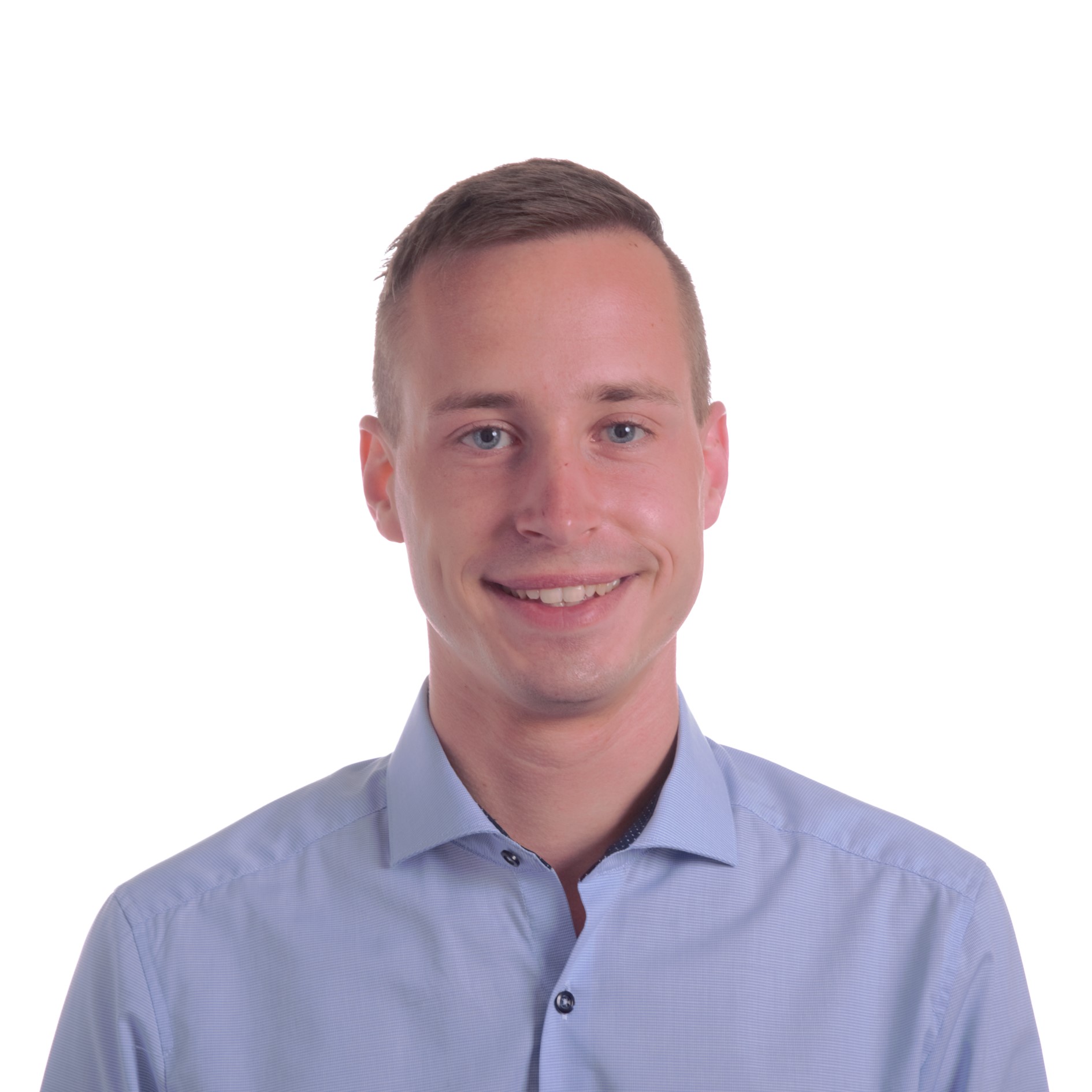
Karl Vorländer is a Researcher at the Institute for Particle Technology , part of the Faculty of Mechanical Engineering at Technische Universität Braunschweig. He has been affiliated with the university since 2013, focusing on pharmaceutical technology and bioprocessing. Education: Biotechnology degree (2013–2016) at TU Braunschweig; Master’s and Bachelor’s theses centered on microbial preservation and process engineering. His research explores the mechanical impacts on microbial viability during pharmaceutical manufacturing processes like fluidized bed granulation, spray drying, and tableting. This work bridges biotechnology with particle technology to optimize probiotic tablet production. Karl’s publications (2020–2025) analyze compression dynamics, protectants, and carrier materials in tablet production, highlighting interdisciplinary applications of biotechnology, mechanical engineering, and pharmaceutical science. He is based at the Pharmazeutische Technologie lab (Franz-Liszt Str. 35A, Room 262) and contributes to advancing research in bioprocessing equipment and production chain optimization.
Dr. Jan Muschiol is a Researcher at the GEOMAR Helmholtz Centre for Ocean Research Kiel within the Marine Ecology Department, where he has held a tenured Staff Scientist position since August 2023. His academic journey includes significant roles at the Technical University of Denmark as a Postdoctoral Researcher (2016-2019) and Researcher (2020), preceded by doctoral studies in Biochemistry at the University of Greifswald. Since 2022, he has managed genetic engineering laboratories and currently serves as GEOMAR's Biological Safety Delegate. Research Focus: Dr. Muschiol specializes in marine enzymology and biochemical processes, with core interests spanning enzyme discovery, protein engineering, and carbohydrate-active enzymes (CAZymes). His work integrates metagenomic and metatranscriptomic approaches to study marine microbial communities, focusing on organic matter degradation pathways and enzyme applications in biotechnology. Key research themes include transglycosylation mechanisms, fucoidanase engineering, and sustainable biomass conversion. Publication Analysis: His recent articles (2018-2024) demonstrate a strong emphasis on enzyme characterization and engineering, particularly glycoside hydrolases for oligosaccharide synthesis. Recurring themes include protein engineering strategies for enhanced transglycosylation, structural analysis of marine-derived enzymes, and chemo-enzymatic approaches for human milk oligosaccharide production. His collaborative work frequently addresses enzymatic solutions for biomass deconstruction and green chemistry applications. Professional Roles: As Biological Safety Officer since 2023, he oversees genetic engineering compliance at GEOMAR. His laboratory leadership includes managing OEB Research Unit facilities and coordinating safety protocols for marine biotechnology research.
Dr. Cristina Ruiz Agudo is a researcher at the University of Konstanz , focusing on the fundamental understanding of crystallization processes and their applications in sustainable materials engineering. Her work challenges classical crystallization theories by investigating nonclassical pathways involving prenucleation species, amorphous intermediates, and nanoparticle-based aggregation mechanisms. Research Themes : Additive-controlled crystallization, mineral-water interactions, advanced material synthesis Techniques : Potentiometric titration, atomic force microscopy, analytical ultracentrifugation Her studies aim to enable novel synthesis strategies for industrial materials like cement, gypsum, and calcium phosphates, with applications in CO2 sequestration, biomedical engineering, and construction technologies. Research trends include: Nonclassical crystallization mechanisms Role of additives in controlling crystal polymorphism and morphology Development of bioinspired materials (e.g., coacervates, hydrogels) Environmental and industrial applications (e.g., salt damage prevention) Microstructure engineering for enhanced material properties Geochemical implications of mineralization processes Her group’s work bridges fundamental mineral physics with practical material design, emphasizing sustainability and functional performance.
Nicolas Cassar holds the Lee Hill Snowdon Professor of Biogeochemistry at Duke University's Nicholas School of the Environment. His research focuses on environmental biogeochemistry and physiology, particularly mechanisms governing ocean carbon cycles, productivity, and climate interactions. Education: Ph.D. (2003) from University of Hawaii, Manoa; B.S. (1997) from McGill University His interdisciplinary approach combines field observations, laboratory experiments, and data science to study topics like ocean carbon budgets, nitrogen fixation, and air-sea gas exchange. Recent work examines Southern Ocean dynamics, dust-driven blooms, and submesoscale biophysical features. Scientific contributions include the development of high-frequency measurement systems for dissolved gases and co-principal investigator roles in NSF-funded projects. Awards highlight his early career achievements (NSF CAREER 2014) and his 2025 recognition as a Bass Chair.
Scott Senseman serves as Associate Vice President for the Division of Agricultural Sciences and Natural Resources at Oklahoma State University, a position he assumed in June 2021, while also holding a professorship in Plant & Soil Sciences. Prior to joining OSU, he held significant leadership positions at the University of Tennessee, including Deputy Assistant Dean for the Herbert College of Agriculture, Interim Dean for UT Extension, and Department Head for Plant Sciences. His academic career includes 19 years as a Professor in Soil & Crop Sciences at Texas A&M University. Ph.D. in Agronomy - Pesticide Residue (University of Arkansas, 1990-1994) M.S. in Agronomy - Weed Biology (University of Arkansas, 1986-1990) B.S. in Agribusiness (Wilmington College, 1982-1986) Dr. Senseman's research focuses on weed science, particularly pesticide fate and herbicide physiology. His work examines the environmental fate of herbicides, off-site movement of chemicals in agricultural systems, analytical methods for pesticide detection, and weed control strategies. His research addresses critical issues in sustainable agriculture and environmental protection, with applications for rice production systems and other agronomic crops. His work spans laboratory experimentation, field studies, and environmental modeling to understand herbicide behavior in different ecosystems. Analysis of his recent publications reveals a consistent focus on herbicide behavior, resistance mechanisms, and environmental impacts. His research spans fundamental studies on herbicide biochemistry and physiology to applied field studies on weed management systems. Recent work has expanded into bioenergy crops like switchgrass and environmental chemistry related to water quality. His scholarly output demonstrates expertise in analytical methodology development, particularly for pesticide residue analysis in food systems. Dr. Senseman has held leadership positions in professional organizations including: President of the Weed Science Society of America (2018-2019) President of the Southern Weed Science Society (2014-2015) Editor of the Herbicide Handbook, 9th Edition (2003-2007) As an educator, Dr. Senseman has served as major advisor or co-advisor for 22 graduate students and has served on 66 other graduate student committees. He has taught courses including Introduction to Agronomy, Ecology of Agrochemicals, Weed Management and Ecology, and Methods of Plant, Soil, and Water Analysis. His current research funding includes projects related to peanut research, advancing the national bioeconomy through Sun Grant Centers, and multistate agricultural research. Dr. Senseman's administrative role oversees OSU Ag Research, which accounts for about a third of all research conducted at OSU and 85% of research-based royalties paid back into the university.
Raymond Desjardins is a Full Professor in the Department of Civil, Geological and Mining Engineering at Polytechnique Montréal , where he has worked since at least 1995. He holds a B.Sc.A. and M.Eng. from Polytechnique Montréal. Research Interests: His work focuses on water resources , quality , and pollution , with specific emphasis on drinking water treatment , distribution systems , disinfection processes , and biological filtration . His research explores the impacts of water chemistry on treatment efficacy, corrosion control , and microbial indicators in distribution networks. Notable Publications: His recent work includes studies on technical writing skills for engineers , carbon footprint of beef cattle , and water quality indicators . These publications span topics in environmental engineering , water treatment optimization , and public health risk assessment . Scientific Awards: 2013 Excellence in Teaching Award, Polytechnique Montréal Advising: He has supervised 4 Ph.D. students and 24 Master's students , focusing on projects related to water treatment , flocculation processes , and distribution system management . Notable advisees include B. Barbeau , S. N'Diongue , and C. Zoungrana .
David Jackson serves as Professor of Human Immunology and Principal Investigator of the Lymphatic Trafficking Research Group at the MRC Translational Immune Discovery Unit (MRC TIDU), part of the MRC Weatherall Institute of Molecular Medicine (WIMM) at the University of Oxford. He holds college affiliations with Harris Manchester College and Wolfson College, and maintains active research collaborations across Oxford, the UK, and internationally including institutions in Leeds, Zurich, and Cologne. His educational background includes a B.A. in Natural Sciences and Ph.D. in Biochemistry. Key research interests focus on: Molecular mechanisms of immune cell trafficking via lymphatic vessels Tumor metastasis through lymphatic systems Hyaluronan biology and LYVE-1 receptor function Lymphatic involvement in inflammation, immunity, and cancer Cardiac repair mechanisms post-myocardial infarction Analysis of recent publications reveals consistent focus on LYVE-1 receptor structural biology, leukocyte transmigration mechanics, and lymphatic metastasis pathways. His work integrates advanced techniques including super-resolution imaging, X-ray crystallography, and transgenic mouse models to investigate hyaluronan-mediated cell trafficking. Scientific recognition includes: Aselli Award Winner (2023) Professor Jackson actively mentors researchers, with notable lab alumni including Tess Stanly, Suneale Banerji, and Kayla Holder. His research is primarily funded by the Medical Research Council UK, with investigations spanning inflammatory bowel disease, transplant rejection mechanisms, and cardiac lymphatic remodeling. The Lymphatic Trafficking Research Group maintains strong international collaborations with leading scientists in biophysics, dermatology, and developmental biology.
Prof. Achillefs Kapanidis is a Professor of Biological Physics at the University of Oxford, currently affiliated with the Oxford Kavli Institute for Nanoscience Discovery and Condensed Matter Physics. He leads the 'Gene Machines' group, focusing on single-molecule studies of microbial gene expression, DNA repair, and AI-driven diagnostics. Education: BSc in Chemistry (Aristotelian University of Thessaloniki), MSc in Food Science (Rutgers), PhD in Biological Chemistry (Rutgers Waksman Institute) Research Interests: The group investigates biological machinery in gene transcription and DNA repair using single-molecule fluorescence microscopy and AI. Key areas include: Single-molecule biophysics of transcription factors Antibiotic resistance detection via rapid diagnostics Miniaturized imaging technologies for pathogen identification Deep learning applications in cellular phenotyping Super-resolution microscopy development Living-cell molecular tracking Publications Trends: Recent work emphasizes AI integration with single-molecule techniques for real-time pathogen analysis, spanning influenza, coronaviruses, and E. coli. Innovations include photobleaching-resistant imaging, microfluidic diagnostics, and spatial organization studies of transcription machinery. Awards: 2019 Innovator of the Year Award (BBSRC) for Oxford Nanoimaging spin-out Labs & Collaborations: The team moved to the Oxford Kavli Institute in 2021, collaborating with interdisciplinary DTC programs. Current projects include biosensor development and viral detection platforms.
Prof. Dr. Oğuz Büyükkileci serves as a faculty member in the Department of Food Engineering, specializing in industrial biotechnology and sustainable valorization of agricultural byproducts. His research bridges microbiology, biochemical engineering, and food science to develop value-added products from waste streams. His primary research focuses on bio-based product development through microbial and enzymatic processes, particularly targeting agro-food waste valorization for prebiotics, bioactive compounds, and bioenergy. Key methodologies include organosolv pretreatment, autohydrolysis, and fermentation optimization using strains like Aureobasidium pullulans and Actinobacillus succinogenes . Current work emphasizes colon-targeted drug delivery systems using xylan-chitosan composites and gut microbiome interactions with dietary fibers. Analysis of his 15 most recent publications reveals a consistent focus on lignocellulosic biomass conversion , with 80% addressing waste valorization from hazelnut, corncob, and walnut shells. The research demonstrates strong translational potential in nutraceuticals (65% of articles), sustainable packaging (20%), and bioenergy (15%), characterized by interdisciplinary approaches combining chemical engineering, microbiology, and materials science. Prof. Büyükkileci actively supervises doctoral and master's research, with 13 documented graduate students focusing on waste-to-value conversion technologies. His funded projects include: TÜBİTAK 1001 grant (2021-2024) for deep eutectic solvent-based xylooligosaccharide production TÜBİTAK 1002 project (2018-2019) as Principal Investigator for organosolv pretreatment optimization Multidisciplinary collaborations on pectin extraction and phytochemical analysis His laboratory work integrates bioprocess engineering with gut microbiome studies, maintaining active partnerships through COST Action FP1306 for lignocellulosic biomass valorization.