Prof. Dr. Claude Becker is a faculty member at the Faculty of Biology, Ludwig Maximilian University of Munich , specializing in plant genetics and epigenetics. His research focuses on biochemical interactions in plant communities and the role of epigenetic marks in environmental adaptation. Specializations: Epigenetic regulation, allelopathy, plant-microbe interactions, DNA methylation dynamics Key Projects: Studying heritable phenotypic variation in clonal plants, analyzing stress-responsive epigenetic hotspots, and investigating gene cluster evolution in Oryza species. Recent publications highlight his work on transposable element dynamics, microbiome feedback mechanisms, and metabolic specialization in plant interactions. His research combines molecular biology with ecological perspectives to understand plant adaptation strategies. Contact: claude.becker@biologie.uni-muenchen.de
Professor Jochen Gaedcke is an active surgical oncology specialist at University Medical Center Göttingen's Faculty of Medicine, Department of Surgery. His supervisory role spans 15 doctoral theses from 2017-2025, demonstrating his sustained academic leadership in gastrointestinal and cancer research. Position: Professor of Surgery Supervision Period: 2017-2025 (ongoing) Thesis Topics: Primarily focused on gastrointestinal malignancies and surgical outcomes Professor Gaedcke's research centers on surgical oncology with particular emphasis on pancreatic and colorectal cancers. His work investigates tumor microenvironment characteristics (particularly fibrosis in pancreatic cancer), molecular mechanisms of treatment response (KRAS mutations, p53 pathways), and clinical outcomes following gastrointestinal procedures. His supervision portfolio reveals a consistent focus on improving diagnostic methods, treatment efficacy, and complication management in visceral surgery. Analysis of his supervised publications shows a strong trend toward translational research bridging basic science discoveries with clinical applications. Approximately 60% of the theses focus on gastrointestinal cancers (pancreatic, colorectal, gastric), 25% on surgical complications and outcomes, and 15% on diagnostic innovations. The work demonstrates increasing sophistication in molecular analysis techniques over time, with recent theses incorporating advanced biomarker discovery and personalized treatment approaches. Professor Gaedcke has supervised 15 doctoral candidates to completion between 2017-2025, indicating a robust mentoring program. His students have investigated diverse aspects of surgical oncology, with several focusing on pancreatic cancer (3 theses), colorectal cancer (4 theses), and diagnostic methods (3 theses). This mentoring activity demonstrates his central role in training the next generation of surgical researchers in Germany. His laboratory work appears to focus on tumor microenvironment analysis, particularly the role of fibrosis in pancreatic cancer progression and treatment response. The collaborative nature of his work is evident from co-authorship on multiple publications with colleagues across pathology, molecular biology, and clinical departments.
Felipe A. Lisboa, M.D. is a Research Assistant Professor in the Department of Surgery at the Uniformed Services University of the Health Sciences (USUHS) School of Medicine in Bethesda, MD. He serves as the Surgical Critical Care Initiative (SC2i) Associate Director of Clinical Research and SC2i USU/WR Biorepository Director. With over ten years of experience in both basic and clinical research, Dr. Lisboa has established himself as a prominent researcher in surgical critical care, precision medicine, and inflammatory response mechanisms. Dr. Lisboa's research interests span surgical critical care, precision medicine, inflammatory response mechanisms, trauma and wound healing, angiogenesis, immunology, molecular biology, and the application of machine learning in clinical research. His work particularly focuses on multiomics approaches (genomics, proteomics, and metabolomics) to understand surgical complications including wound failure, local infection, sepsis, pneumonia, ARDS, AKI, and VTE in military and civilian patients. His publication record demonstrates a clear progression from fundamental molecular immunology research to applied clinical trauma medicine, with recent work emphasizing precision medicine approaches to surgical decision-making. His articles reveal a consistent focus on inflammatory biomarkers, wound healing mechanisms, and computational methods to improve outcomes for trauma patients. Dr. Lisboa's scientific contributions include developing clinical decision support tools, expanding the SC2i USU/WR Biorepository inventory, and implementing clinical study protocols for surgical critical care research. His work bridges basic science with clinical applications, particularly in combat casualty care.
Dr. Leonidas Bleris is a Professor of Bioengineering at the University of Texas at Dallas (UT Dallas), affiliated with the Erik Jonsson School of Engineering and Computer Science. His research focuses on synthetic biology, gene circuit design, and systems biology, with applications in gene therapy, cancer treatment, and biosecurity. He holds a PhD in Electrical Engineering from Lehigh University and completed a postdoc in systems biology at Harvard University. Key research interests include engineering genetic circuits for noise control, developing RNA-based communication systems, and applying CRISPR technologies for genome editing. Notable achievements include the NSF CAREER Award for early-stage investigators. His work bridges electrical engineering principles with biological systems, emphasizing quantitative approaches to understand and manipulate cellular networks. Dr. Bleris has collaborated on projects such as engineering robust gene networks, developing plasmonic detection systems for SARS-CoV-2, and exploring biosecurity primitives using genetic unclonable functions. He has supervised interdisciplinary studies on cellular noise, transcriptional logic, and biomarker identification in metastatic cancers. Awards: NSF CAREER Award (2013) Projects: Includes collaborations on gene network engineering, biosecurity tools, and CRISPR-based therapies Labs: Leads a lab focused on synthetic biology and molecular engineering at UT Dallas Publications span synthetic gene circuits, biomarker discovery, and computational models of biological systems, reflecting his expertise in merging engineering and life sciences.
Mi is an Adjunct Assistant Professor of Medical Oncology and Hematology at Yale School of Medicine, affiliated with the Pusztai Lab. He holds a PhD in biocybernetics and biomedical engineering from Silesian University of Technology (2013), with additional training at the Medical University of Gdańsk and Yale. His research focuses on bioinformatics, genomic data analysis, and translational oncology, particularly in cancer biomarker discovery and improving therapies through single-cell RNA sequencing and genomic profiling. He has contributed to over 21 peer-reviewed journal articles and 60 conference abstracts. Research interests include computational analysis of medical data (e.g., ATAC-seq, RNA-seq), biomarker validation for breast cancer subtypes, and integration of radiomics/multi-omics data. He has been recognized with scholarships from Polish science ministries and EU-funded programs. Recent work explores therapeutic targets like PCK2 in triple-negative breast cancer and the clinical impact of blood removal techniques in cytology samples. Key achievements: Co-authoring studies linking hormone receptor-positive HER2-negative cancers to triple-negative subtypes, developing tools like EpidermaQuant for histological analysis, and evaluating synthetic data methods for object detection in public transport systems. Awards: Minister of Science and Higher Education Scholarship (Poland), DoktoRIS Scholarship, and Best PhD Student Scholarship. Labs/Teams: Active in the Pusztai Lab, collaborating with institutions globally on translational cancer research.
Grace J. Lee is an Associate Professor in the Department of Psychology at Loma Linda University. Her academic background includes a PhD in Clinical Psychology (Fuller Graduate School of Psychology, 2009) and a MA in Theology (Fuller Theological Seminary, 2009). She specializes in clinical neuropsychology, cognitive aging, neurodegenerative disorders, and neuroimaging correlates of cognition and behavior. Her research focuses on the intersection of nutrition, cognitive function, and aging, with notable contributions on omega-3 fatty acids, egg consumption, and vegetarian dietary patterns in elderly populations. Dr. Lee is a licensed clinical psychologist in California and a member of the International Neuropsychological Society (INS). Her recent work examines how dietary interventions (e.g., omega-3s, walnuts) influence brain structure and cognitive performance in healthy aging. Collaborative studies with the Adventist Health Study-2 highlight her interest in lifestyle factors impacting aging populations. Presentations at conferences like the International Neuropsychological Society and the American Psychological Association showcase her active involvement in advancing neuropsychological research. Key themes in her publications include neuroimaging biomarkers, blood-brain barrier integrity, and the protective effects of dietary components against cognitive decline. Her interdisciplinary approach bridges clinical psychology, neuroscience, and nutritional science to address aging-related cognitive challenges.
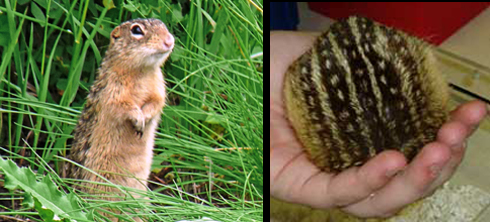
Dr. James Staples is a Professor in the Department of Biology at Western University, where he leads research on comparative physiology and biochemistry with a focus on metabolic adaptations in animals. His laboratory is housed in the Biological & Geological Sciences building (room 3020), and he can be contacted at jfstaple@uwo.ca. Dr. Staples' research program centers on understanding how animals' metabolic systems adapt to environmental challenges, particularly cold stress. He is renowned for his work on hibernation physiology, studying how endothermic animals like the 13-lined ground squirrel ( Ictidomys tridecemlineatus ) undergo profound metabolic suppression during winter months, reducing body temperatures below freezing and metabolic rates by over 90%. His research examines these adaptations at cellular, mitochondrial, and enzyme levels, with particular interest in how hibernators avoid tissue damage despite extreme physiological changes. His laboratory also investigates daily torpor in dwarf Siberian hamsters and hummingbirds, comparative biochemistry of aging across species with different lifespans, insect muscle metabolism in high-performance flyers like bumblebees, and hypoxia tolerance in chambered nautilus. Recent work has been featured in prominent scientific outlets including Inside JEB and Quanta magazine . Dr. Staples' publications demonstrate consistent research activity with numerous 2024-2025 papers focusing on mitochondrial function during hibernation, torpor physiology across diverse species, and innovative methodologies for studying metabolic suppression. His work shows particular strength in bridging molecular mechanisms with whole-animal physiology. APSselect recognition for 'outstanding scientific discoveries' (2019) Multiple student awards including W.S. Hoar Award and Helen I. Battle Award Research featured in Inside JEB, Quanta magazine, and CBC's Wild Canadian Year Dr. Staples mentors several graduate students including PhD candidates Amalie Hutchinson and Brynne Duffy, and MSc student Lauren Rego. His laboratory has produced numerous award-winning student researchers who have presented at major international conferences. The lab utilizes advanced techniques including mitochondrial respirometry, molecular biology approaches, and non-invasive monitoring methods for studying hibernation dynamics. Current research includes examining metabolic flexibility across diverse animal models to understand fundamental principles of energy conservation and stress tolerance.
Prof. Noel G McElvaney is Head of the School of Medicine and Professor of Medicine at the Royal College of Surgeons in Ireland (RCSI). He holds a medical degree from University College Dublin (1982). His research focuses on cystic fibrosis (CF), alpha-1 antitrypsin deficiency (AATD), lung inflammation, and protease regulation. He has led translational research initiatives, including early clinical trials of therapies like Lomucin and AAT augmentation. In 2001, he founded the Alpha One Foundation of Ireland and established Europe’s first AATD detection program. Prof. McElvaney has secured extensive funding from organizations like HRB, SFI, and industry partners. His work bridges clinical practice and research, emphasizing gene therapy, lung defense mechanisms, and drug development. He has been awarded the HRB Impact Award (2021-2022) and holds leadership roles in medical councils and societies. His lab collaborations include Beaumont Hospital and global networks like the European Alpha-1 Research Collaboration (EARCO). Research interests include: protease-antiprotease balance in lungs, bronchial epithelium signaling, innate immunity, and CF/AATD therapies. He has supervised multiple research projects and mentored students in areas like CF microbiota and estrogen effects. His recent grants fund studies on COPD microbiome diversity, circadian rhythms in lung disease, and longitudinal biomarker analyses in AATD.
Eva Dimitriadis is an Adjunct Associate Professor at Monash University's Department of Anatomy and Developmental Biology and a Research Group Head at the Centre for Reproductive Health within the Hudson Institute of Medical Research . NHMRC Senior Research Fellow Lecturer in Reproductive Biology at Monash University Education: BSc (Melbourne) PhD (Trinity College Dublin) Postdoctoral studies (University of Dublin) Research Focus: Dr. Dimitriadis investigates infertility , endometrial-trophoblast interactions , and the microRNA regulation of implantation. Her work spans non-invasive biomarkers , targeted delivery systems , and pre-clinical trials for endometrial cancer and non-hormonal contraception that prevents pregnancy and sexually transmitted diseases. Scientific Outputs: Recent work focuses on miR-124-3p in endometrial receptivity, IL-11 in preeclampsia , and radiotherapy-induced uterine damage . These studies intersect reproductive immunology , placentation , and translational medicine . Scientific Awards: NHMRC Senior Research Fellow Editorial recognition in Science and PNAS for 2007 work Collaborations: International partnerships with University of Tokyo , Karolinska Institutet , and institutions like Monash IVF , Walter Eliza Hall Institute , and Commonwealth Serum Laboratories .
Lifang Hou, MD, PhD is a Professor at Northwestern University's Feinberg School of Medicine in the Department of Preventive Medicine. She serves as Chief of Cancer Epidemiology and Prevention and Director of the Center for Global Oncology at the Robert J. Havey, MD Institute for Global Health. Her multidisciplinary research integrates traditional epidemiology with molecular techniques to identify environmental risk factors and biomarkers for chronic disease prevention. Education: MD from University of Tsukuba, Japan (2001) Her research focuses on linking environmental exposures (air pollution, pesticides, lifestyle factors) to disease mechanisms through genetic and epigenetic biomarkers, including DNA methylation, telomere length, and microRNA profiling. Recent studies explore urban green spaces' impact on aging, alcohol-related biological aging, and epigenetic markers for cardiovascular and cognitive health. Current research trends include: Integration of molecular epidemiology with social determinants of health Development of DNA methylation-based risk prediction models for cancers Global health initiatives targeting disease prevention in low-resource settings Microbiome-environment interactions in chronic disease development Scientific honors include Cancer Research Achievement Award, multiple NIH Fellowships, and AACR Scholar-in-Training Award. She leads NIH-funded grants and co-directs the Northwestern Consortium for Early Phase Cancer Prevention Trials.
Munira Kadhim is a Professor in Radiation Biology at the School of Biological and Medical Sciences, Oxford Brookes University. She holds a PhD in Genetics from Swansea University and has previously worked at Swansea University, the Weatherall Institute of Molecular Medicine (University of Oxford), and the Medical Research Council (Harwell) as a research group leader for Genomic Instability. First degree in Biology from Baghdad University PhD in Genetics from Swansea University Her research focuses on non-targeted effects of radiation, including genomic instability and bystander effects, with significant conceptual impact on dose limit recommendations in clinical and environmental contexts. She has advised UK Government Departments via COMARE and contributed to new clinical guidelines for low-dose radiation usage such as CT scans. Her recent publications explore radiation-induced cellular communication, exosome-mediated damage propagation, and miRNA roles in stress responses. Research spans direct and indirect radiation effects on mammalian cells, including bone marrow, lymphocytes, and cancer cells, using chromosome analysis and DNA damage techniques. Professor Kadhim teaches Biomedical Science (BSc) and Medical Genetics and Genomics (MSc) courses, covering modules in biotechnology, evidence-based medicine, and cellular signaling. She leads the Radiation Biology research group and is principal investigator for the DISCOVER project (2024-2026), funded by the European Commission.
Gary Hon is an Assistant Professor at the University of Texas Southwestern Medical Center (UTSW), jointly affiliated with the Cecil H. and Ida Green Center for Reproductive Biology Sciences and the Lyda Hill Department of Bioinformatics. His research lies at the intersection of genomics, epigenetics, and systems biology, with a focus on decoding the regulatory complexity of the human genome. His research interests include: Understanding the molecular basis of cell state for applications in regenerative medicine Elucidating how non-coding genetic variants contribute to development and disease Developing integrative techniques combining gene regulation, epigenetics, genome engineering, and single-cell genomics Advancing bioinformatics tools for analyzing chromatin and transcriptional regulation The trends across his recent publications reveal a strong emphasis on enhancer biology, epigenetic modifications (especially 5mC and 5hmC), single-cell functional genomics, and the development of novel molecular tools such as in situ chromatin capture and combinatorial perturbation assays. His work frequently leverages CRISPR-based technologies and high-throughput sequencing to dissect gene regulatory networks. Dr. Hon has received significant recognition for his innovative research, including: CPRIT Scholar NIH Director’s New Innovator Award Dr. Hon leads the Hon Lab, which actively develops and applies systems-level approaches to study genome regulation. His collaborative research involves advising graduate students and postdoctoral fellows, many of whom appear as co-authors on his publications. While specific grant details are not listed, his prestigious awards suggest substantial federal and state funding support for his high-impact, interdisciplinary research program.
Professor Mark Molloy is a leading researcher in proteomics and cancer biomarker discovery at the University of Sydney , affiliated with the Faculty of Medicine and Health and Northern Clinical School . Previously, he served as interim Head of the Department of Chemistry and Biomolecular Sciences at Macquarie University until 2017 and directed the Australian Proteome Analysis Facility (APAF) from 2010 to 2018. Education: BSc(Hons) from Macquarie University (1995), PhD in proteomics (2000) Research Focus: Biomarkers, proteomics, translational research, and molecular mechanisms of colorectal and other cancers His work leverages mass spectrometry and proteomic technologies to identify prognostic/predictive biomarkers, particularly in bowel cancer , and explores the role of the gut microbiome in cancer development. Recent studies include blood microsampling for cancer detection and microbiome-metabolite interactions . His 15 most recent publications span topics in colorectal cancer proteomics , Alzheimer's disease biomarkers , microbial biofilms , and precision medicine . Collaborations include institutions in Australia , Germany , and USA . Key Associations: Australasian Proteomics Society, American Association for Cancer Research, Human Proteome Organisation
Dr. Rhiannon Grant is a Chancellor's Fellow and Research Fellow in Mechanical Engineering at the University of Edinburgh's School of Engineering, affiliated with the Bioengineering research institute. Her work focuses on tissue engineering, biomaterials, and developing advanced scaffolds for hepatic and corneal applications. Her research integrates electrospinning, 3D printing, and biomaterial engineering to create functional tissue models and implants. Recent publications demonstrate innovations in corneal engineering, liver tissue scaffolds, and diagnostic microfluidics. She maintains commitments to reducing animal testing through advanced in vitro models. Dr. Grant actively seeks collaborations and welcomes speaking engagements, particularly those encouraging women in STEM. She contributes to advancing bioengineering techniques for regenerative medicine applications.
Dr. Julie A. Saugstad is a researcher specializing in Cell/Molecular Neurobiology, focusing on Alzheimer's Disease, Neuroprotection, and the role of MicroRNA and Extracellular Vesicles in neurological processes. She holds a Ph.D. from the University of Oklahoma Health Sciences Center (1991) and completed her postdoctoral fellowship at the Vollum Institute (1991-1996). Dr. Saugstad is actively involved in collaborative research, contributing to advancements in understanding neurodegenerative diseases and extracellular vesicle biology. Education: Ph.D., 1991, University of Oklahoma Health Sciences Center Postdoctoral Fellow, Vollum Institute, 1991-1996 Research Interests: Dr. Saugstad’s work centers on Cell/Molecular Neurobiology , with a focus on Signal Transduction , MicroRNA , and Extracellular Vesicles . Her research explores their roles in Alzheimer’s Disease and strategies for Neuroprotection . Her studies often address sex-specific differences in neurodegenerative processes and the application of biomarkers in clinical diagnostics. Publications Overview: Dr. Saugstad’s recent work includes studies on Alzheimer’s biomarkers, the impact of prenatal THC exposure on neurodevelopment, and the standardization of extracellular vesicle research methodologies. Her contributions span interdisciplinary collaborations, emphasizing reproducibility and translational applications. Awards & Honors: None explicitly mentioned in the provided information. Advising & Grants: While specific grants or student advisement details are not listed, her extensive co-authorship network suggests active participation in collaborative research projects, likely involving grant-funded initiatives. Labs & Collaborations: Engaged with the International Society for Extracellular Vesicles. Her work often involves interdisciplinary teams, as reflected in co-authorships with institutions such as Oregon Health & Science University and the University of Miami.