معرفی
Dr. James Staples is a Professor in the Department of Biology at Western University, where he leads research on comparative physiology and biochemistry with a focus on metabolic adaptations in animals. His laboratory is housed in the Biological & Geological Sciences building (room 3020), and he can be contacted at jfstaple@uwo.ca.
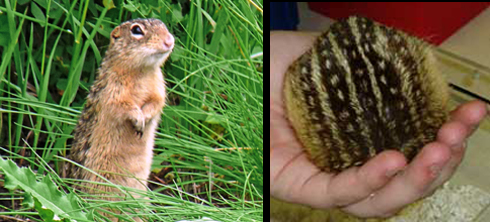
Dr. Staples' research program centers on understanding how animals' metabolic systems adapt to environmental challenges, particularly cold stress. He is renowned for his work on hibernation physiology, studying how endothermic animals like the 13-lined ground squirrel (Ictidomys tridecemlineatus) undergo profound metabolic suppression during winter months, reducing body temperatures below freezing and metabolic rates by over 90%. His research examines these adaptations at cellular, mitochondrial, and enzyme levels, with particular interest in how hibernators avoid tissue damage despite extreme physiological changes.
His laboratory also investigates daily torpor in dwarf Siberian hamsters and hummingbirds, comparative biochemistry of aging across species with different lifespans, insect muscle metabolism in high-performance flyers like bumblebees, and hypoxia tolerance in chambered nautilus. Recent work has been featured in prominent scientific outlets including Inside JEB and Quanta magazine.
Dr. Staples' publications demonstrate consistent research activity with numerous 2024-2025 papers focusing on mitochondrial function during hibernation, torpor physiology across diverse species, and innovative methodologies for studying metabolic suppression. His work shows particular strength in bridging molecular mechanisms with whole-animal physiology.
- APSselect recognition for 'outstanding scientific discoveries' (2019)
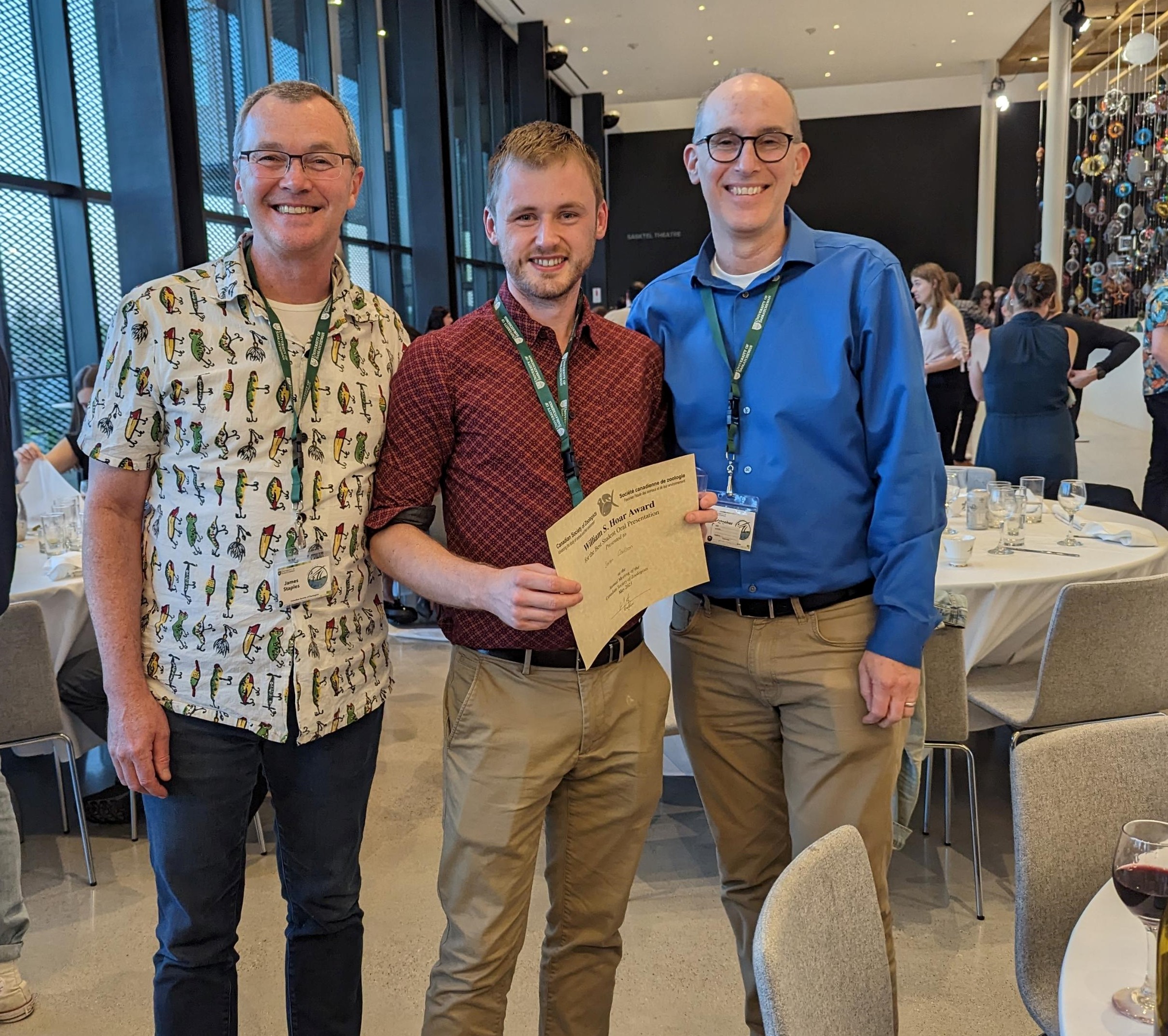
- Multiple student awards including W.S. Hoar Award and Helen I. Battle Award
- Research featured in Inside JEB, Quanta magazine, and CBC's Wild Canadian Year
Dr. Staples mentors several graduate students including PhD candidates Amalie Hutchinson and Brynne Duffy, and MSc student Lauren Rego. His laboratory has produced numerous award-winning student researchers who have presented at major international conferences. The lab utilizes advanced techniques including mitochondrial respirometry, molecular biology approaches, and non-invasive monitoring methods for studying hibernation dynamics. Current research includes examining metabolic flexibility across diverse animal models to understand fundamental principles of energy conservation and stress tolerance.