معرفی
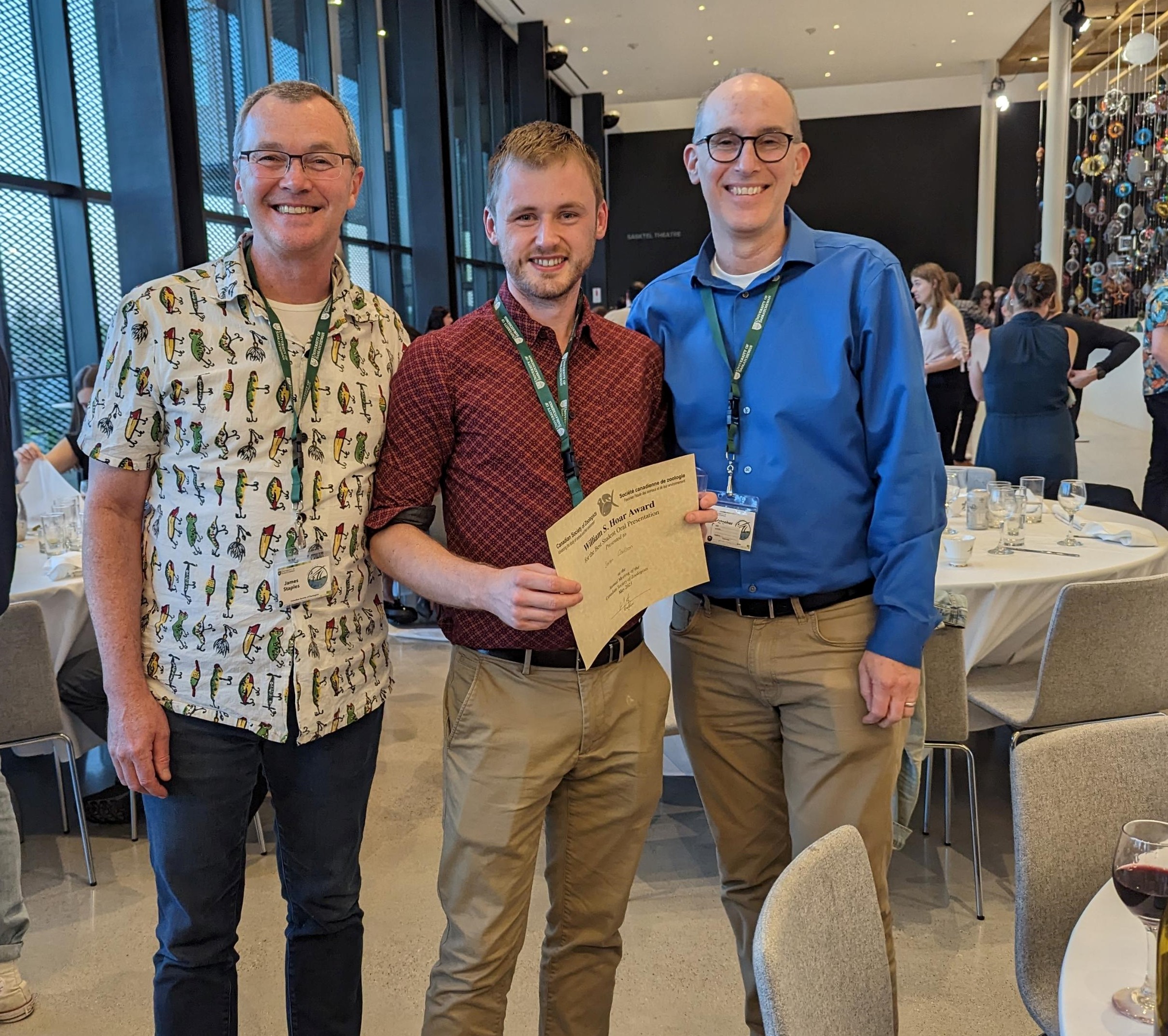
James F. Staples is a Professor in the Department of Biology at Western University's Faculty of Science. His research program focuses on understanding how metabolic systems of animals adapt to environmental challenges, particularly how endothermic animals deal with cold temperatures. While most endotherms increase metabolic rate in cold conditions, some small animals enter hibernation to survive winter using stored energy.
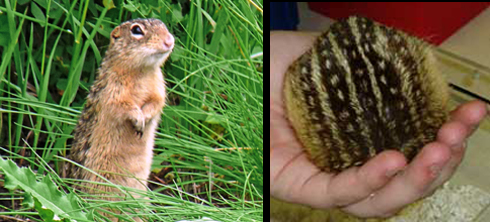
Staples' primary research interest is mitochondrial metabolism in hibernation, using ground squirrels as a model to understand the mechanisms of metabolic suppression and potential interactions with temperature and diet. His work spans comparative physiology and biochemistry, examining daily torpor, metabolic flexibility, and the biochemistry of aging. He has also conducted research on insect muscle metabolism and hypoxia tolerance in chambered nautilus.
His research articles demonstrate consistent focus on mitochondrial function during hibernation and torpor, with recent work exploring electron transport system supercomplexes, mitochondrial remodeling during seasonal transitions, and novel methods for monitoring hibernation patterns. His publications reveal strong collaborations with researchers studying migratory birds, hibernating mammals, and other comparative models.
As an educator, Staples teaches Animal Physiology II and Experimental Studies in Marine Biology through the Ontario Universities Program in Field Biology.
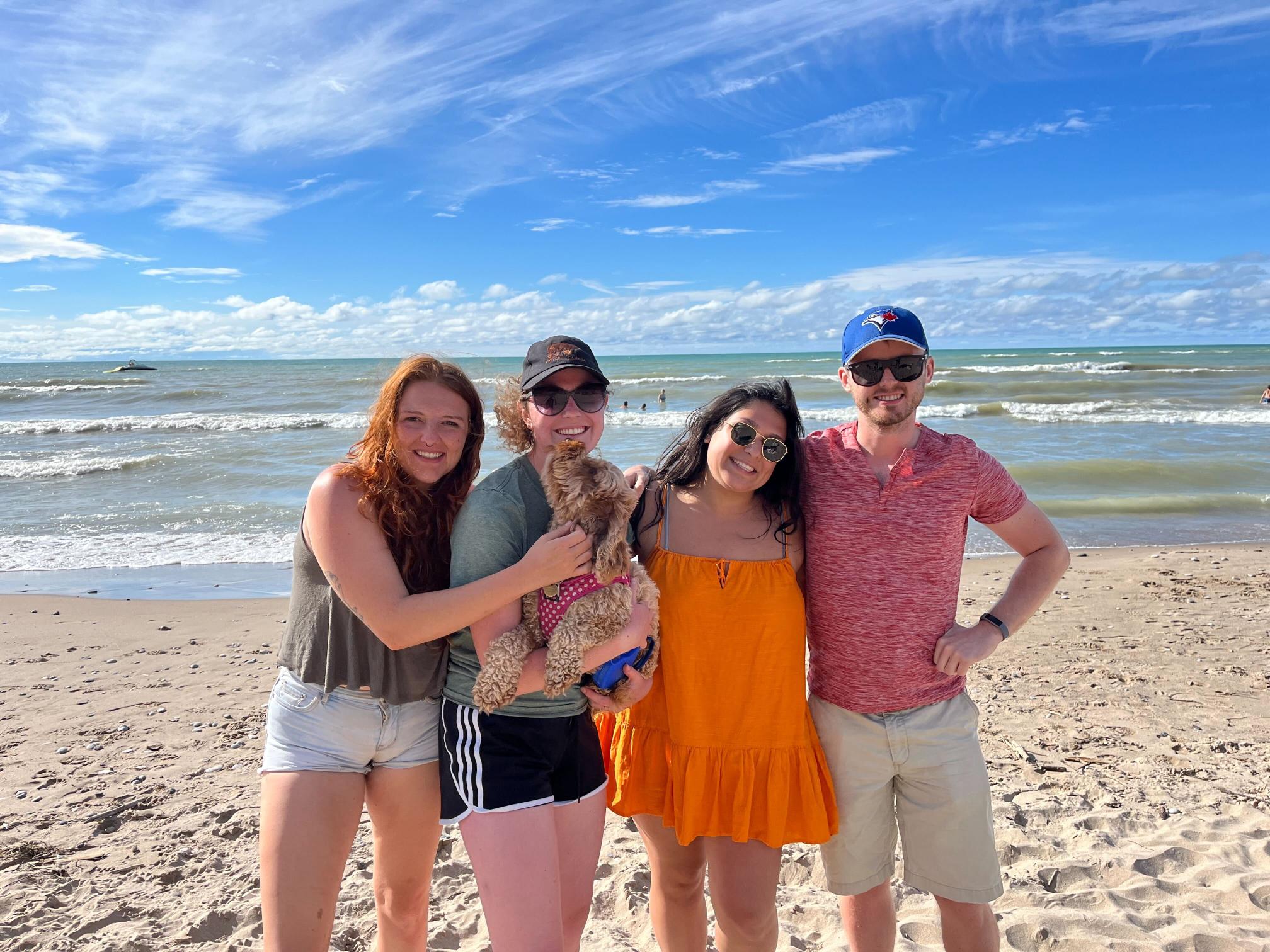
- Current students include Amalie Hutchinson (PhD candidate studying energetics of daily torpor in hummingbirds and bats), Brynne Duffy (PhD candidate researching oxygen dynamics in ground squirrel hibernation), and Lauren Rego (MSc researching mitochondrial dynamics in mammalian hibernation)
- Former students include Soren Coulson (PhD 2024), Birgitte Jensen (visiting PhD candidate), Leah Hayward (MSc 2018), Amanda MacCannell (MSc 2018), and several others who have gone on to academic and research positions
Staples maintains an active laboratory in the Biological & Geological Sciences building (room 3010) at Western University, with ongoing research into metabolic suppression mechanisms during hibernation and torpor. His lab continues to make significant contributions to understanding how animals conserve energy during periods of environmental stress.