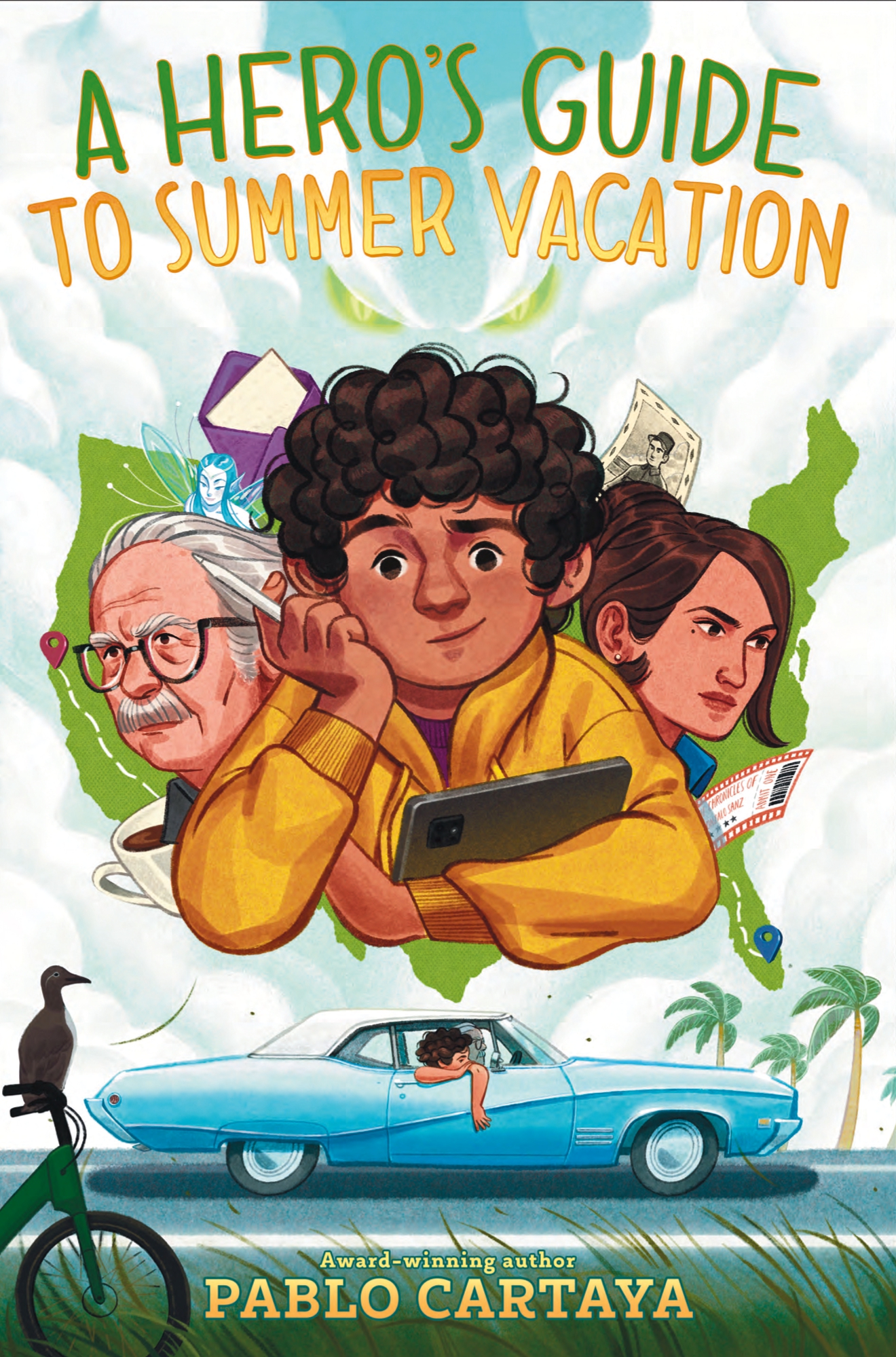
Pablo Cartaya is a Visiting Professor at the University of Nevada, Reno, and an internationally acclaimed author, screenwriter, and educator. His work has been featured in the New York Times , Washington Post , and on Oprah’s Booklist , with novels published by Penguin Random House , HarperCollins , and Disney Publishing Worldwide . Education: B.A. in Writing, Loyola Marymount University; MFA in Writing, Vermont College of Fine Arts Cartaya’s research interests focus on Cuban-American cultural narratives , neurodiversity in youth literature , and social justice themes within family and community contexts. His novels often blend poetry , historical legacy , and activist storytelling . Literary achievements include a 2020 Schneider Family Book Award Honor , 2018 Pura Belpré Honor , and roles as a 2021 National Book Award judge in Young People’s Literature. He has facilitated over 150 writing workshops globally, spanning Sweden, Canada, Jamaica, and Mexico. Notable community initiatives include founding the first Latinx-focused literary festival in Miami, co-creating the TransArt Festival , and securing grants for residency programs like The Betsy Writer’s Room.
Dr. Tessa van Charldorp is an Associate Professor in Language and Communication at Utrecht University's Department of Languages, Literature and Communication. She serves as coordinator for the interdisciplinary minor Medical Humanities at the Faculty of Humanities and previously coordinated the master Medical Humanities at the Faculty of Medicine. As chair of the Dutch Association of Applied Linguistics (Anéla) and leader of the Language & Communication research group, her work focuses on talk in interaction across health, police, and educational domains. Research areas: Interdisciplinary Medical Humanities, Conversation Analysis, Institutional Communication Affiliations: Utrecht University, Dutch Association of Applied Linguistics (Anéla), Institute for Language Sciences Her research examines communication dynamics in healthcare consultations (vaccination conversations, triage calls), police interrogations , and educational settings . She explores how visual thinking strategies enhance science communication and investigates polarization in institutional dialogues . Key projects include analyzing GP triage calls, emergency department decision-making, and interdisciplinary chronic pain research. Recent publications address: Chronic pain patient subgroup identification (2025) HPV vaccine recommendation communication (2024) Treatment boundary discussions in healthcare (2024) Emergency department care communication (2024) Scientific contributions include: 2023 grant for 'Defeating Chronic Pain' interdisciplinary project Editorial work in Dutch Journal of Applied Linguistics Keynote speeches on medical communication (2023-2024)
Assoc. Prof. Şule Erden Özcan is an academic at Çukurova University, Faculty of Education, Department of Basic Education, Preschool Teaching Department. She holds a PhD in Preschool Education and has been active in academia since 2000. Çukurova University (2023–present), Associate Professor Çukurova University (2014–2017), Lecturer Research Interests: Focused on early childhood education, attachment theory, socio-cultural contexts, gender perceptions, and STEM integration in preschool settings. Recent Publications: 15 peer-reviewed articles (2002–2025) exploring theory of mind, refugee child education, media impact, and geometric transformations in preschoolers. Scientific Awards: Cahit Arf Publication Encouragement Award (2022) Supervised Theses: Mentored 10 graduate students in topics ranging from creativity in preschool STEM to refugee child integration. Projects: Led TUBITAK-funded initiatives on seasonal migrant education, teacher burnout, and geometric cognition in children.
Kathleen Harris serves as Dean of the School of Education and Applied Social Sciences and Professor of Education at Seton Hill University. Her academic journey includes foundational work at Kent State University where she earned her Ph.D. in Special Education (2010), M.Ed. in Early Childhood Education (2005), and undergraduate degree in Early Childhood Education and Psychology from Notre Dame College (2003). Her research traverses the innovative intersection of children's spirituality, peer-mediated interventions, and technology integration in early childhood settings. Harris pioneered the concept of 'spiritual literacy' - framing spirituality as universal human experience expressed through wonder, compassion, and connection rather than religious doctrine. Her work demonstrates how contemplative photography ('storyography'), superhero play, and nature-based activities cultivate social-emotional growth, particularly for children with disabilities. Current projects focus on post-pandemic educational recovery and healing-centered family engagement. Harris's scholarly impact is reflected in over 50 peer-reviewed publications since 2007, including award-winning work in Young Children and International Journal of Children's Spirituality. Her research consistently emphasizes practical classroom applications, translating complex concepts into accessible strategies like 'wonder spaces' and peer buddy systems. Recent publications reveal increasing focus on trauma-informed spiritual care and technology-enhanced family partnerships. 2018 Seton Hill University Faculty Innovation Award for Mobile Technology Distinguished Childhood Education Journal Article Award (2016) NAEYC Higher Education Recognition Audit Team Member (2018) Tri-County 'Teacher of Teachers' Award (2007) Multiple Kent State University College of Education awards (2006-2007) As an educator, Harris mentors through 'spiritual mentorship' - developing students' professional identity via teaching metaphors and reflective practice. Her leadership extends to national standards through NAEYC auditing roles and editorial boards. Current initiatives include the Fred Rogers Educator's Neighborhood cohort and Westmoreland County's Early Childhood Leadership Council, where she bridges research with community impact. Harris maintains active scholarly engagement through 15+ annual presentations at conferences like NAEYC and AERA, focusing on practical implementation of spiritual literacy frameworks.
Daniel Casebeer serves as Associate Professor of Education and Director of Critical & Cultural Literacy within the School of Education. His academic appointments span Secondary Education, Business, Computer and Info Tech Education, and Education Certification, reflecting a comprehensive approach to educator preparation across multiple teaching disciplines. His educational background includes: Ph.D. in Social and Comparative Analysis from the University of Pittsburgh M.S.Ed. in Secondary Education from Duquesne University M.A. in English Literature from Duquesne University B.A. in English Literature from Washington & Jefferson College Dr. Casebeer's research investigates the intersection of social justice, cultural competence, and pedagogical innovation. He examines how preservice teachers develop critical awareness through arts-based methods and reflective practices, with recent work addressing virtual community-building and pandemic-era engagement challenges. His scholarship bridges theoretical frameworks with classroom-ready strategies for fostering inclusive learning environments. His publication trajectory shows consistent contributions to both academic journals and practitioner-focused platforms, demonstrating commitment to translating research into actionable teaching methods. The recurring themes of empathy development, intercultural navigation, and engagement optimization reflect his response to contemporary educational challenges. His scholarly impact is recognized through: Jeff Bartel Award for Excellence in Assessment Joseph B. Whitehead Educator of Distinction Award As Director of Critical & Cultural Literacy, he leads institutional initiatives that shape educator preparation through critical pedagogy frameworks. While specific grant details aren't provided, his active conference participation and publication record indicate sustained research productivity focused on practical applications for teacher development. The Critical & Cultural Literacy program serves as an institutional hub for advancing equity-oriented teaching practices, providing structured frameworks for examining power dynamics and developing culturally responsive curricula across all education disciplines.
Assoc. Prof. Dr. Evrim ÇAĞLAYAN is a distinguished academic at Karabük University's Safranbolu Fethi Toker Faculty of Fine Arts and Design, where they serve as a full-time Associate Professor in the Department of Painting since 2023. With a career spanning over 15 years at the same institution, they have progressed from Research Assistant (2009-2014) to Doctoral Lecturer (2014-2023) and now to Associate Professor. In addition to their teaching responsibilities, they hold several significant administrative positions including Dean Assistant (since 2024), Bologna Coordinator, Erasmus Coordinator, Farabi Coordinator, and Mevlana Exchange Program Coordinator. Dr. ÇAĞLAYAN earned their Bachelor's degree in Fine Arts Education from Anadolu University's Faculty of Education (2002-2006) and completed their PhD in Art Education at Anadolu University's Institute of Educational Sciences (2007-2014). Their academic journey demonstrates a strong commitment to both artistic practice and educational theory development. Specializing in art education research, Dr. ÇAĞLAYAN's work spans multiple dimensions including distance art education, cultural heritage transmission, color theory in Turkish art, and interdisciplinary approaches connecting art with gastronomy. With 38 total publications including journal articles, book chapters, and conference proceedings, their scholarly output demonstrates consistent engagement with critical issues in art education. Recent publications particularly address the impact of the pandemic on art education, public space visual culture, and non-formal learning environments for visual arts, reflecting responsiveness to contemporary challenges in the field. Google Scholar h-index: 7 Total citations: 129 Web of Science h-index: 1 YÖKSIS ranking: 10th among 45 researchers in Painting/Painting-Work Education As a dedicated mentor, Dr. ÇAĞLAYAN has supervised nine Master's students between 2021-2025, guiding research on diverse topics including cultural heritage, visual culture, and art education methodologies. Currently, they lead two active research projects: one on interdisciplinary art education within the framework of pataphysics and digital revolution concepts (supported by TÜBA and TÜBİTAK), and another on zero-waste printing art creation. Their editorial work includes serving as editor for the 'Lokum Art and Design Journal' and several academic books in the field of contemporary Turkish art. Through their coordination of international exchange programs (Erasmus, Farabi, Mevlana), Dr. ÇAĞLAYAN facilitates valuable mobility opportunities for students and faculty, enriching the academic environment with diverse perspectives and collaborative possibilities. Their active participation in 28 artistic exhibitions demonstrates ongoing engagement with the artistic community beyond academic research.
Natasha Maidoff is a faculty member at the University of North Carolina School of the Arts (UNCSA) in the School of Filmmaking. She is an accomplished independent filmmaker whose work is featured in the permanent collection of the Museum of Modern Art in New York and the Brooklyn Museum's Feminist Art Base. Prior to joining UNCSA, she served as an Adjunct Assistant Professor at USC's School of Cinematic Arts, a University Lecturer at Chapman University's Dodge College of Film and Media Arts, and a Visiting Assistant Professor at Ohio University's graduate film program. Maidoff's research interests focus on creative storytelling through film and multimedia installations that explore women's experiences, identity formation, and social issues. Her artistic approach emphasizes the transformation of personal insight into meaningful dialogue about life. She has developed a methodology she calls 'Creative DNA' that helps students locate their original voice, personal image system, and aesthetic. Her work often addresses pressing social concerns, particularly the opiate crisis in Appalachia, while incorporating experimental techniques and multimedia elements. Her filmography demonstrates consistent exploration of themes related to women's experiences, identity, and social commentary through experimental film techniques. Maidoff's work spans traditional filmmaking, multimedia installations, and live cinema, with a particular focus on how personal narratives can address broader social issues. Her approach combines technical proficiency with deep emotional resonance, creating works that have been recognized by major institutions worldwide. Public Collections, Museum of Modern Art Public Collections, Brooklyn Museum, Feminist Art Base A World Without Art, Guggenheim Museum UCLA's Spotlight Award, Academy of Motion Pictures Mellon Grant for Multi-media Performance Ohio University Creativity & Professional Activity Awards Finalist, Sundance Writer's Lab (twice) Director's Choice, Black Maria Film & Video Festival Maidoff has been represented by major agencies including CAA and Transatlantic Agency, and has developed several TV series. She has received artist residencies from prestigious institutions including Yaddo, Wexner Center for the Arts, and Virginia Center for Creative Arts. Her teaching philosophy emphasizes technical proficiency while encouraging students to develop their unique creative voices through risk-taking and exploration. She is actively involved in professional organizations including Women in Film, University Film and Video Association, and New York Women in Film & Television.
Dean Yamada serves as a Professor in the Cinema and Media Arts Department at Biola University's Snyder School of Cinema & Media Arts. He teaches Visual Aesthetics and Advanced Directing courses while overseeing the university-funded Biola Film project and leading student delegations to the Sundance Film Festival annually. His educational background includes an M.F.A. and B.A. from the University of Southern California, providing foundational expertise for his pedagogical approach focused on empowering students to discover their creative voices through cinematic storytelling. Professor Yamada specializes in film production, visual aesthetics, and international cinema with particular emphasis on cross-cultural narratives. His methodology integrates classroom theory with hands-on global production experiences, having directed student crews in Tokyo, Berlin, and Jakarta for both short films and feature-length projects that explore diverse cultural perspectives through visual media. His filmography demonstrates consistent excellence in cinematic artistry, with works premiering at Venice and Clermont-Ferrand festivals while addressing universal themes through culturally specific lenses. The integration of student collaborators in professional productions creates a distinctive pipeline from academic training to industry recognition. Award highlights include: Vision Award and Golden Reel from Heartland/LAAPFF festivals Grand Jury and Narrative Feature Awards at LAAPFF Two-time King Foundation Best of Festival winner Inaugural Broadcast Education Association Faculty Chair's Award Through the Biola Film initiative and international production trips, Professor Yamada provides mentored research opportunities where students gain professional experience in all phases of film production. University funding supports these experiential learning projects, with his Sundance Festival trips serving as critical networking and educational platforms for emerging filmmakers. His leadership extends to creating global production laboratories where student crews operate in international settings, transforming cities like Tokyo into living classrooms for cinematic storytelling and cross-cultural collaboration.
Axel Ranisch serves as Graduate Director and Special Teaching Assistant for Moving Image/Artistic Film at Saarland University of Fine Arts' School of Media Art & Design since 2022, following a 2021 Visiting Professorship. An internationally recognized filmmaker, he bridges professional practice and academic instruction through courses spanning directing, visual storytelling, and artistic film development. His research focuses on sensory filmmaking techniques , particularly the intersection of auditory elements and visual narrative, German mumblecore traditions, and historical avant-garde adaptation. Workshops like Art of Intimacy and Dada, Trash and Expressionism explore these themes through hands-on experimentation with constrained environments and improvisational methods. Analysis of his creative output reveals consistent exploration of authentic human interaction across formats - from low-budget mumblecore features to television productions. His films demonstrate evolving technical mastery while maintaining focus on emotional truth, with recent works increasingly incorporating autobiographical elements and historical film movement techniques. Key recognitions include: Grimme Prize (2019) for Familie Lotzmann auf den Barrikades City of Hof Prize (2020) for contributions to German cinema International festival success with over 100 screenings for early works Ranisch's mentorship emphasizes collaborative development through structured project consulting, helping students navigate text-image relationships and actor-director communication. His current supervision of projects like PENROSE continues his commitment to supporting emerging filmmakers while maintaining active professional practice through Tatort episodes and radio collaborations. His laboratory of practice exists through immersive workshops that function as creative incubators, where students develop skills in constrained environments while exploring sensory storytelling techniques across multiple mediums.
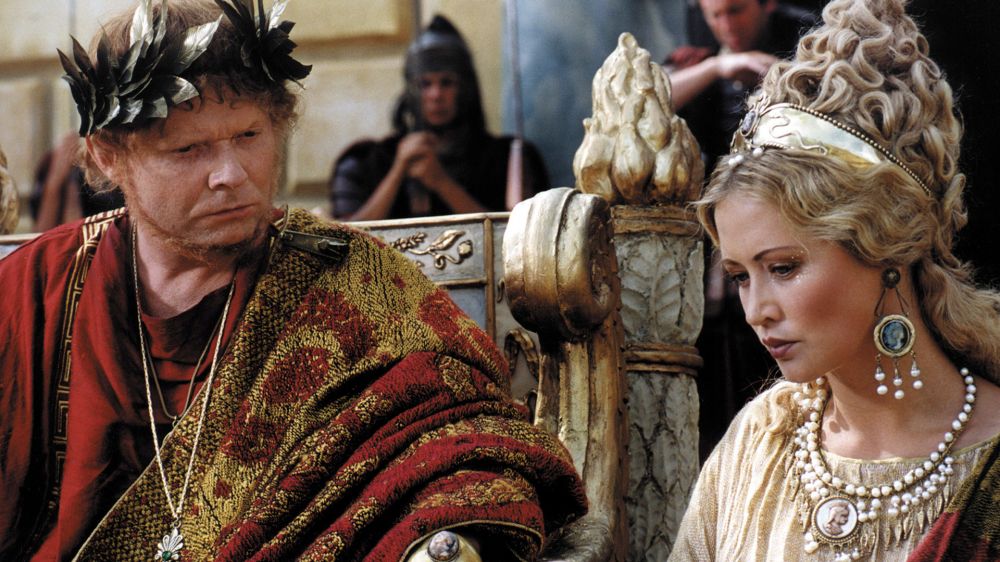
Professor Janusz Sosnowski is a distinguished faculty member at the Academy of Fine Arts in Warsaw, where he serves in the Faculty of Scenography. With a career spanning several decades, he has established himself as a prominent figure in Polish film and theater production design, contributing to both domestic and international productions. His research and professional interests focus on: Scenography and theatrical design Film set design and production Historical accuracy in visual storytelling Costume design integration Spatial composition for cinematic narratives Architectural reconstruction for period films Professor Sosnowski's extensive filmography demonstrates remarkable versatility across historical periods and genres. His work ranges from intimate theatrical productions to large-scale historical dramas like the acclaimed 2002 'Quo Vadis' miniseries, which recreated 1st century Rome with impressive authenticity, to contemporary Netflix productions including 'Servants of War' and 'Ranch.' His designs consistently demonstrate meticulous attention to historical detail while serving the narrative needs of each production, making significant contributions to the visual language of Polish cinema. Professor Sosnowski has collaborated with numerous directors on significant Polish and international productions, with credits spanning from classic Polish cinema of the 1980s through to contemporary streaming platform content. His theater work includes notable productions such as 'Anatol,' 'Hedda Gabler,' 'Kordian,' and 'Cyd,' further demonstrating his versatility across different performance mediums.
Dr. Jagna Janicka is a Professor and Head of the Department of Film Scenography Design at the Academy of Fine Arts in Warsaw. As a distinguished costume and set designer, she has made significant contributions to Polish theater, film, opera, and ballet productions. She is a member of the Polish Film Academy and has collaborated with renowned directors including Agnieszka Holland, Krzysztof Zanussi, Peter Greenaway, and Wojciech Smarzowski. Dr. Janicka's research and creative work focuses on visual narrative construction, historical reconstruction in performance, and the relationship between space and dramatic action. Her expertise spans contemporary film design, historical period accuracy, and the psychological dimensions of set and costume design. She has developed specialized knowledge in Polish historical cinema, particularly representations of key periods in Polish history from the 1920s Gdynia port construction to WWII narratives. Her extensive filmography demonstrates consistent excellence across diverse genres and periods, with particular strength in historical dramas requiring precise visual reconstruction. Her work on 'The Last Family,' 'The Clergy,' and 'In Darkness' represents the pinnacle of contemporary Polish film design, showing her ability to create visually compelling environments that enhance narrative depth and historical authenticity. Chicago International Film Festival Award for Best Set Design for 'The Last Family' Multiple Polish Film Awards (Orzeł) for 'The Spanish Woman,' 'The Clergy,' and 'In Darkness' Ludwik Theater Award 2002 for Best Set Design for 'Idiota' in Kraków Gdańsk Mayor's Theater Award 2008 for Costumes for 'Rigoletto' Award for Set Design for 'Europy? Mikrodramatów' at IV All-Polish Festival of Contemporary Dramaturgy Dr. Janicka has maintained long-term artistic partnerships with Poland's leading theaters including the National Theatre, Juliusz Słowacki Theatre, Helena Modrzejewska National Old Theatre in Kraków, and numerous opera institutions. Her designs have appeared in over a dozen major film productions that have gained international recognition and festival awards. As department head, she shapes the next generation of Polish scenographers through her leadership in academic programs focused on both traditional and innovative approaches to visual storytelling.
Dr. Adebowale O. Owoseni serves as a Senior Lecturer in Information Systems at De Montfort University within the Faculty of Computing, Engineering and Media and the School of Computer Science and Informatics. With over 15 years of fintech industry experience prior to transitioning to academia in 2019, he bridges practical industry knowledge with scholarly research in digital transformation. His educational background includes a PhD in Information Systems, MBA in Information Technology, MSc in Computer Science (Informatics), and BTech in Computer Engineering. This multidisciplinary foundation supports his research at the intersection of technology, society, and business. Owoseni's research centers on digital transformation with emphases on digital innovation, inclusion, and AI-driven societal impacts. He examines ethical implications across micro, small, and medium enterprises (MSMEs), fintech, higher education, and marginalized communities. His work specifically investigates how responsible digital technologies can advance UN Sustainable Development Goals 8 (Decent Work), 10 (Reduced Inequalities), and 17 (Partnerships). His recent publications reveal strong thematic trends in digital transformation for low-resource contexts, ethical AI implementation in education, and fintech usability for ethnic minority businesses. The research consistently emphasizes contextual adaptation, ethical frameworks, and sustainability alignment across diverse global settings. Future Research Leader 2021-22: Top 10 promising academic leaders at De Montfort University with £1000 research grant Achieve More Award 2019: Recognition for outstanding contribution to Robotics Process Automation at Union Bank of Nigeria Owoseni actively mentors six doctoral students researching topics including African neuroscience ethics, circular plastics economy in Africa, and AI-powered marketing in Bangladesh. His funded projects include the EU Horizon 2020 Living Innovation Project, East Midlands Accelerator CRF digital skills initiative, and internally funded pandemic-response digital transformation studies. He leads the "AI for Teaching Learning and Research in HE" consortium across eight UK universities and participates in the Research and Innovation Institute of Digital Futures.
Lou Kilger serves as Professor of composition and sound design for digital media at KreativInstitut.OWL since 2023 and holds a teaching position in sound direction at State University of Music Trossingen since 2020. An active composer with works premiering at prestigious venues including the Donaueschingen Music Festival and Munich Biennale, he bridges artistic creation with technical innovation in digital media environments. His educational background includes: Concert exam in composition from Cologne University of Music and Dance (2020-2022) Master in Sound Direction from University of Music and Performing Arts Frankfurt (2019) Master in Electronic Composition from Cologne University of Music and Dance (2017) Bachelor of Music Design from State University of Music Trossingen (2011) Professor Kilger's research centers on intermedia composition where digital media, sound design, and music informatics converge. He creates environments where 'things that are unimaginable on your own suddenly become tangible' through team-oriented approaches. His work explores states between reality and virtuality using binaural audio, mobile platforms, and glitch aesthetics, often incorporating biological metaphors and fluid dynamics. Projects like the mei-friend Editor demonstrate his commitment to advancing musicological markup standards while maintaining artistic innovation. His creative output shows clear progression from audiovisual miniatures (2013-2017) to complex intermedia systems (2021-2024), with increasing emphasis on digital space composition and audience interaction. Recent works like 'smonize' (2024) and 'nournimity' (2023) feature multichannel sound, bio-inspired design, and virtual reality elements, reflecting his focus on 'being between reality and virtuality.' While no formal awards are listed, his SWR commission for Donaueschingen Music Festival 2024 represents significant recognition. Key projects include: Musicological Markup in the mei-friend Editor (released January 2025) Internship program at KIO providing cross-disciplinary research exposure (2024) Live Coding Meetups fostering technical-artistic collaboration Professor Kilger actively supervises students through teaching positions at two institutions and integrates them into live projects. His funding includes the SWR commission and mei-friend Editor development, supporting team-oriented approaches where students collaborate with specialized colleagues. He emphasizes practical experience in 'artistic, compositional and technical production fields,' preparing students for careers at the intersection of art and technology. Though no formal lab name is specified, his work operates within KreativInstitut.OWL's research ecosystem focused on digital media production. The environment fosters collaboration across disciplines, with students and researchers contributing to intermedia projects that combine composition, sound design, and emerging technologies in team-oriented settings.
Leigh Merrill is a Professor in the Department of Art within the College of Humanities, Social Sciences and Arts at East Texas A&M University. She teaches courses including Photography Appreciation (PHO 130), Advanced Digital Photography (PHO 350), and Photography Seminar (PHO 450). Her office is located in Art 104 and she can be contacted at Leigh.Merrill@etamu.edu. Leigh Merrill holds an MFA in Studio Art from Mills College (2009) and a BFA in Studio Art with a concentration in Photography from the University of New Mexico (2001). Merrill is an American Artist from the American Southwest who creates digitally collaged photographic and video works that explore our contemporary surroundings and the impact of desire, simulation and perception on the human-made landscape. Her artistic practice involves culling through thousands of individual photographs and videos of architecture and landscaping, which she digitally assembles to create spaces that do not exist. Through metaphor and illusion, her work reveals both the desire and simulacrum present around us and within photography itself. Merrill's research interests include Fine Art Photography, Contemporary Art Practice, Photographic Perception, and Digitally Manipulated Imagery. Merrill's work has been exhibited throughout the United States and Europe, with notable solo and group exhibitions at The Fries Museum in the Netherlands, FotoFest International in Houston, Liliana Bloch Gallery in Dallas, and Pictura Gallery in Bloomington. Her creations are part of permanent collections at the Museum of Texas Tech University, the University of North Texas Library Print Study Collection, the City of Phoenix, and the California Institute of Integral Studies. Museum of Texas Tech University, Lubbock, TX University of North Texas Library Print Study Collection, Denton, TX City of Phoenix, Phoenix, AZ California Institute of Integral Studies Her work has been featured in prestigious publications including Afterimage Magazine, The Dallas Morning News, The Washington Post, and The New York Times. Notable publications about her work include 'Leigh Merrill: The Manner of Desires' by Peter S. Briggs, 'Photographer Leigh Merrill wants to adjust your focus' by Danielle Avram, and inclusion in 'Theories in Digital Composite Photographs: 12 Artists and Their Work' (Focal Press 2019). As an educator, Merrill emphasizes the importance of one-on-one interactions with students in smaller class settings, helping them find their individual creative voices within the field of photography. She notes that East Texas A&M has 'a long history of excellence in photography – both as a fine art and commercial practice.' Her teaching philosophy centers on engaging with students' individual work to help them achieve their goals and find their unique artistic expression.
Jo Dery is a Professor of Film Studies at Keene State College, specializing in experimental animation and visual storytelling. Her affiliations include residencies at MacDowell and the Virginia Center for the Creative Arts, and she participated in an animation workshop at the Academy of Fine Arts in Krakow, Poland. Her research integrates film, digital media, drawing, and memoir, with focus areas including: Autobiographical narratives and personal essays Hybrid art forms (film, installation, performance) Nature as a thematic setting Handmade aesthetics in digital contexts Dery’s creative output spans 20+ projects, with recent works exploring family dynamics, solitude, and environmental themes through experimental techniques. Her films and installations have been exhibited globally. Awards and Grants: Helen Hill Award (2012) Whiting Fellowship (2016) LEF Foundation, Vermont Arts Council, and Rhode Island State Council on the Arts grants Three Honorable Mentions in Best American Comics She advises students through independent studies and teaches courses in animation, video production, and career development. Dery holds a BFA from Rhode Island School of Design and an MFA from Goddard College.