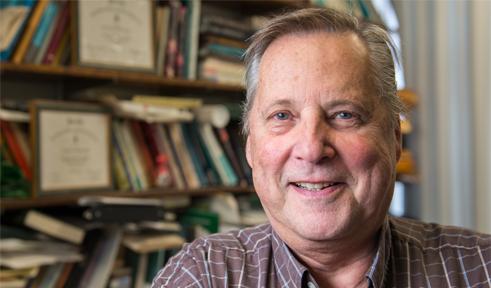
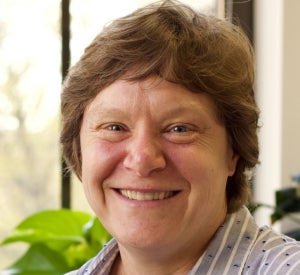
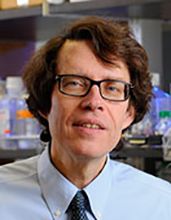
Andrea Piovesan is a Lecturer in Psychology at Edge Hill University, UK. She holds a PhD in Psychology from Liverpool John Moores University (2019), with prior degrees from the University of Padova (BSc, MSc in Psychology). Her research focuses on neurocognitive processes, particularly time perception, typeface perception, and autism. She created Tipo , a platform analyzing Typeface perception, and collaborates on autism research with Plymouth University. Piovesan combines behavioral experiments with physiological measures like EDA, ECG, and EEG. Notable contributions include studies on chronic pain's impact on time perception and neurodivergent typeface perception. Her work appears in journals like Emotion , Journal of Autism and Developmental Disorders , and Visible Language . Education: BSc (Padova, 2012), MSc (Padova, 2014), PhD (Liverpool John Moores, 2019) Research Platforms: Tipo (typeface dataset at tipotype.co.uk) Key Collaborations: Dr. Atherton & Dr. Cross (Autism studies) Her research explores typeface perception's role in design, time perception mechanisms, and autism's intersection with pain and sensory experiences. Recent work investigates neurodivergent typeface perception differences and chronic pain's temporal distortions.
Stefanie Keulen is a Professor at the Brussels Center for Language Studies, Vrije Universiteit Brussel (VUB). Her research focuses on neurolinguistics, aphasia, and cerebellar contributions to language. She holds a PhD in Linguistics and Literature (2017) and a Master's in Semantics and Down Syndrome (2013). Her work explores speech disorders, bilingual language processing, and neurorehabilitation techniques like tDCS. She leads projects on Primary Progressive Aphasia and cerebellar dysfunction, with funding from grants like FWOWO44 and CONI822. Awards include the Guillaume Duflou Prize (2017) and I. Vanderschuerenprijs (2022). She advises students like Silke Coemans and Paolo Savieri, and collaborates internationally on studies involving Greek-Turkish bilingualism and pediatric language disorders. Her 43+ publications span journals like The Cerebellum and Journal of Alzheimer's Disease Reports . She actively participates in conferences and media engagements, explaining topics like Foreign Accent Syndrome and stuttering research. Education: PhD (2017), Master's (2013) Affiliations: Brussels Center for Language Studies, VUB Grants: FWOWO44, FWOTM1214, BASGO3 Labs/Teams: BCLS Research Group, Primary Progressive Aphasia Network
Gary Sarver is an Assistant Professor in the Department of Psychology within the College of Arts and Sciences at Ohio University, where he teaches both graduate and undergraduate courses. His office is located in Porter Hall, Athens Campus. His research and academic work focus on clinical and developmental psychology, particularly in children. Key areas include cognitive development, memory processes, learning and behavior problems, and neuropsychological assessment. He has contributed to literature on epilepsy in clinical settings and educational interventions for children with learning disorders. The available publications, dating from 1976 to 1980, indicate a strong focus on child cognition and clinical psychology. These works span experimental studies on recall in children, clinical handbook chapters on epilepsy, and critical reviews of educational methodologies, reflecting an interdisciplinary approach bridging psychology, education, and neurology. There are no listed scientific awards or honors in the provided text. Gary Sarver has advised no students listed in the available materials. There is no mention of research grants or funded projects. His teaching portfolio includes Graduate Neuropsychology, Object Relations, Personality, Child and Adolescent Psychology, and Abnormal Psychology. No information is available about laboratories, research teams, or collaborative groups associated with Dr. Sarver.
Prof. Dr. Dr. Dominik R. Bach is a full Professor and Principal Investigator at the Hertz Chair for Artificial Intelligence and Neuroscience (CAIAN) at the University of Bonn , and also leads the Threat Avoidance group at the Wellcome Centre for Human Neuroimaging, University College London . He is based in Bonn, Germany, and his research is part of the Transdisciplinary Research Area 'Life and Health' at the University of Bonn. His research focuses on cognitive-computational neuroscience , particularly the computing architecture of the human mind and brain in the context of threat forecasting and avoidance . He employs serious games, virtual reality (VR) , and tightly controlled associative learning setups to study how humans avoid real threats, and how this system malfunctions in conditions like anxiety disorders and PTSD . His theoretical models are inspired by those used in artificial agents . His recent publications, in journals like Nature Communications and Biological Psychiatry , show a strong trend in using neuroimaging (fMRI, MEG) and intervention techniques (e.g., transcranial stimulation) to understand and modulate aversive memory and decision-making under threat. His work bridges computational theory, experimental psychology, and clinical applications. Email: d.bach@uni-bonn.de ORCID: 0000-0003-3717-2036 Lab Website: bachlab.org Twitter: @bachlab_cog He is actively recruiting PhD students and postdocs, indicating a vibrant and expanding research team. He has developed open-source tools like the CogLearn Toolkit for Unity for VR-based avoidance learning, demonstrating a commitment to open science.
Aisha S. Dickerson, PhD, MSPH, is an Associate Professor in the Department of Epidemiology at the Johns Hopkins Bloomberg School of Public Health, with a joint appointment in Environmental Health and Engineering. She is affiliated with several research centers, including the Environmental influences on Child Health Outcomes (ECHO) Data Analysis Center, the Johns Hopkins Center for Health Disparities Solutions, the Johns Hopkins Center on Aging and Health, and the Wendy Klag Center for Autism and Developmental Disabilities Research. Her educational background includes: PhD, University of Texas Health Science Center at Houston, 2014 MSPH, University of Alabama at Birmingham, 2009 BS, University of Alabama at Birmingham, 2005 Dr. Dickerson is an environmental neuroepidemiologist whose research investigates the impact of environmental and occupational exposures across the life course on neurodevelopmental and neurodegenerative disorders. Her primary focus is on autism spectrum disorder, amyotrophic lateral sclerosis (ALS), and dementia, particularly in underserved and under-resourced communities. She examines joint exposures to metals, air pollution, and psychosocial stressors, emphasizing health disparities and environmental injustice. Her work often involves complex statistical modeling of exposure mixtures and gene-environment interactions. Analysis of her recent publications reveals a strong trajectory in environmental health disparities, neuroepidemiology, and longitudinal cohort studies. Her research leverages large datasets such as the Health and Retirement Study (HRS), National Health and Aging Trends Study (NHATS), and the ECHO program. Themes include the neurocognitive effects of metal mixtures, prenatal environmental exposures, occupational risks for ALS, and the social determinants of dementia. Her work bridges environmental science, public health, and social justice. Her scientific honors include: 2023 and 2024 JHU Career Impact Award Nominee 2021 Butler-Williams Scholars Program, National Institute on Aging 2020 Bloomberg American Health Initiative Spark Award 2019 Victoria S. Levin Award, Society for Research in Child Development Multiple fellowship and travel awards from NIEHS, NIMHD, and HRSA Dr. Dickerson has been the principal investigator on NIEHS-funded research examining parental occupational exposures and autism risk in offspring. She leads several ongoing studies utilizing national longitudinal datasets to investigate environmental justice and cognitive aging. Her collaborative network is extensive, involving researchers across institutions and international cohorts, particularly in Denmark. She is actively involved in mentoring through programs like LEARNERS and has contributed significantly to scientific discourse through peer review and invited perspectives. She is a key member of the ECHO Data Analysis Center and contributes to leadership in environmental health initiatives at Johns Hopkins, including the Bloomberg American Health Initiative. Her lab and research team focus on data-intensive epidemiological methods to unravel the complex interplay between environment, genetics, and neurological health across the lifespan.
Julie A. Fiez is a Professor in the Department of Psychology at the University of Pittsburgh, with a secondary faculty appointment in the Department of Communication Science and Disorders. Her research integrates behavioral, neuropsychological, neurophysiological, and neuroimaging methods to explore how the brain supports speech, language, reading, working memory, and learning in healthy and patient populations. She also applies this knowledge to develop effective instructional and intervention strategies for reading and mathematics. Education : Ph.D. in Neuroscience from Washington University; Postdoctoral Fellowship at the University of Iowa. Her research spans cognitive neuroscience, focusing on speech and language processing, reading development, numerical cognition, and brain connectivity. She investigates the neural mechanisms of learning, memory, and pain, often using advanced neuroimaging techniques. Recent studies include neuroimaging analyses of the multiple demand network in reading, cerebellar contributions to numeracy, and effects of sedatives on memory. Her work also examines deep brain stimulation for speech rehabilitation and challenges myths about cerebellar function. Scientific Awards : Honors from the Society for Human Brain Mapping and the American Psychological Association. Dr. Fiez has trained doctoral students in Psychology, Neuroscience, and Communication Science and Disorders, as well as numerous undergraduates. She is affiliated with the University of Pittsburgh's Learning Research and Development Center (LRDC), where her lab conducts interdisciplinary studies with implications for education and clinical neuroscience.
Amelia L. Gallitano-Mendel is a Professor at the University of Arizona College of Medicine - Phoenix, affiliated with the departments of Basic Medical Sciences , Psychiatry , and Translational Neurosciences . Her research focuses on the molecular mechanisms of neuropsychiatric illnesses like schizophrenia and mood disorders, emphasizing the role of immediate early genes activated by environmental stimuli such as stress. Education: MD, PhD in Neuroscience, University of Pennsylvania School of Medicine (1997) Residency in Psychiatry, Columbia University, The New York State Psychiatric Institute (2001) Postdoctoral Fellowship in Molecular Neuroscience and Psychiatric Genetics, Washington University in St. Louis (2003) The Gallitano Lab investigates how immediate early genes (e.g., Egr3) regulate synaptic plasticity, memory, and behavior. Key research areas include gene-environment interactions, serotonin receptor dynamics, and DNA damage responses in psychiatric disease. Her recent publications highlight Egr3's role in modulating serotonin 2A receptors under sleep deprivation, DNA damage mechanisms in schizophrenia, and circadian rhythm disruptions linked to psychiatric genetics. These studies span molecular biology, neuroscience, and psychiatric genetics with specific subfields including gene regulation, neurotransmitter signaling, and neuroplasticity. Scientific Awards: American Board of Psychiatry and Neurology Certification As a research faculty member with tenured appointments, she integrates clinical psychiatry with molecular neuroscience to explore developmental, cell signaling, and neurodegenerative aspects of mental illness. Her work bridges translational neurosciences and psychiatric research through interdisciplinary collaborations.
Philip Askenase is Professor of Medicine in the Department of Internal Medicine at Yale School of Medicine, with a focus on Immunology. He is affiliated with the Cancer Immunology program, the Center for Brain & Mind Health, and the Center for RNA Science and Medicine at Yale. Research Interests: Immunochemistry and cellular immunity B-1 B cell functions in T cell immunity Regulatory T cells and antigen-specific suppression Exosome-mediated transfer of miRNA (e.g., miRNA-150) in immune regulation Applications in allergy, autoimmunity, cancer, and spinal cord injury Development of exosome-based diagnostics (liquid biopsy) and therapeutics His recent publications highlight the role of extracellular vesicles in psychiatric conditions, pandemic prevention through chromatin vaccines, and systems vaccinology in HIV. These works reveal a strong trend toward interdisciplinary research bridging immunology, neuroscience, and regenerative medicine, with a focus on novel therapeutic delivery systems using exosomes. Scientific Awards: Legends of Allergy and Immunology (Wiley Online Library, 2023) Dr. Askenase has mentored numerous researchers and collaborators, though specific student names are not listed. His work has been supported by extensive research funding, particularly in immunology and exosome biology. He has contributed to major advances in understanding exosome carrier effects and their resistance to phagolysosomal digestion, which enhances targeted delivery. He is a key member of collaborative teams including the Yale Center for RNA Science and Medicine and the Cancer Immunology initiative. His lab investigates how exosomes from mesenchymal stem cells promote functional recovery in spinal cord injury through modulation of macrophage phenotypes and microvascular stabilization.
David S. Wack is an Associate Professor at the University at Buffalo's Jacobs School of Medicine & Biomedical Sciences, Department of Radiology. His research focuses on medical image analysis and neuroimaging, particularly in auditory processing and parameter estimation from PET, MRI, and CT images. He has held academic positions since 1992, progressing from instructor roles to his current rank. His work includes NIH-funded projects on imaging technologies and collaborations with institutions like Canon Medical Systems and UBNS. Education: PhD in Communicative Disorders and Sciences (SUNY Buffalo, 2010) MA in Applied Mathematics (SUNY Buffalo, 1992) BA in Applied Mathematics and Music Performance (SUNY Buffalo, 1989) Research Interests: Development of parametric maps from medical images Machine learning applications in neuroimaging Neuroimaging of auditory and language processing Dynamic image noise reduction and segmentation algorithms Neural markers of top-down compensation in speech processing Recent Projects: NIH-funded self-collimating SPECT breast tomography system 4D flow MRI for intracranial atherosclerotic disease assessment Machine learning for neuroimage classification Grants & Service: Member of Jacobs School faculty council and UB Faculty Student Association board Editorial roles at Frontiers in Neuroscience (Brain Imaging Methods, Decision Neuroscience) Labs & Teams: Buffalo Neuroimaging Analysis Center Collaborations with UBNS, Canon Medical, and VA Western New York Health Care System
William S. Messer, Jr. , Ph.D., is a Professor of Medicinal Chemistry and Pharmacology at the University of Toledo's College of Pharmacy and Pharmaceutical Sciences. After earning his BS in Biology from Springfield College and MS/PhD in Neuroscience from the University of Rochester, he joined the University of Toledo in 1985, advancing through the ranks to hold leadership roles including Chair of Pharmacology (2001-2013) and Vice President of Research (2013-2016) before returning to full-time faculty work. Education: BS, Springfield College – Biology MS & PhD, University of Rochester – Neuroscience Dr. Messer’s research focuses on neurological and psychiatric disorders (Alzheimer's, schizophrenia, autism) and muscarinic acetylcholine receptors . He developed the selective M1 agonist CDD-0102A for Alzheimer’s and founded Cognitive Pharmaceuticals Ltd. and Psyneurgy Pharmaceuticals LLC to translate his work into clinical applications. His recent work explores allosteric modulators of muscarinic receptors, with publications spanning 2025-2006 on memory mechanisms, receptor binding, and computational chemistry. Key trends include neurodegenerative disease models, zebrafish/rat studies, and chemical synthesis of cholinergic ligands. Scientific Awards & Grants: NIH subcontract (2017-2020): $90,096 direct costs for research on allosteric sites in muscarinic receptors. Rocket Fuel Fund grant (2018-2020): $50,000 for autism biomarker studies. Two issued U.S. patents (9,549,928 and 10,835,532) for muscarinic agonists enhancing cognitive flexibility and memory. Dr. Messer served as Vice President of Research and Department Chair , and his grants support translational research in pharmaceutical development. His laboratory studies integrate pharmacology, medicinal chemistry, and behavioral neuroscience to address unmet clinical needs.
Dr. Lionel B. Ivashkiv is a leading academic and physician-scientist, serving as Professor of Medicine and Immunology at Weill Cornell Medicine and holding dual leadership roles as Chief Scientific Officer at Hospital for Special Surgery (HSS) and Director of the David Z. Rosensweig Genomics Research Center at HSS. His research bridges basic science and translational medicine, focusing on cytokine signaling, epigenetic regulation of inflammation, and therapeutic targets for musculoskeletal disorders. Education : MD from Harvard Medical School, Residency at NYU/Bellevue Hospital, Fellowship at Brigham and Women's Hospital Dr. Ivashkiv's laboratory investigates how cytokines like IFN-γ, IFN-α, IL-10, and TNF regulate innate immune and stromal cell functions (macrophages, osteoclasts, synovial fibroblasts). Key themes include: Jak-STAT signaling crosstalk Epigenomic mechanisms in inflammatory gene expression Macrophage reprogramming (priming/tolerance) Autoimmune disease pathogenesis (rheumatoid arthritis, lupus) Translational genomics (RNA-seq, ChIP-seq, ATAC-seq) Precision medicine approaches for individualized therapies His team employs innovative methods combining bacterial artificial chromosomes (BACs) with CRISPR-Cas9 to study human autoimmunity-associated genes like A20/TNFAIP3 . Recent publications highlight discoveries in: Cytokine-driven inflammation in arthritis and implant failure Lipid metabolism regulation in T cells Novel strategies for preventing peri-implant fibrosis Interferon-γ and PGE2-cAMP axis interactions Epigenetic modulation of immune cell phenotypes Mechanosensing in plasmacytoid dendritic cells Scientific honors include election to the Association of American Physicians and American Society for Clinical Investigation , alongside multiple awards from the Arthritis Foundation and NIH . He leads multidisciplinary teams studying clinical challenges such as: Rheumatoid arthritis flares and therapy resistance Orthopedic implant aseptic loosening Total knee replacement complications Spine degeneration and pain
Dr. Izelle Labuschagne is an Honorary Senior Fellow at the School of Psychology, University of Queensland. Her research focuses on cognitive neuroscience and clinical psychology, particularly in areas such as emotion processing, social anxiety disorder, and the neural mechanisms underlying memory and brain connectivity. Recent publications highlight her contributions to understanding amygdala subregion specialization, resting-state connectivity in social anxiety, and cannabis dependence effects on hippocampal volumes. These studies span neuroscience, psychiatry, and neuroimaging disciplines, emphasizing dimensional approaches to psychopathology. Please contact her at i.labuschagne@uq.edu.au for collaboration or inquiries.
Dr Natasha Matthews is a Senior Lecturer at the School of Psychology , The University of Queensland, and an affiliate of the Centre for Perception and Cognitive Neuroscience . Her research explores the intersection of cognitive neuroscience, developmental psychology, and clinical applications. Education: Doctor of Philosophy, University of Newcastle Research Interests: Dr Matthews investigates cognitive control mechanisms, metacognition, and neurodevelopmental disorders like ADHD and schizophrenia. She examines how private speech aids self-regulation in children, the long-term effects of mild traumatic brain injury on working memory, and mindfulness-based interventions for pain management. Her work bridges neuroscience and educational psychology to improve academic wellbeing in adolescents. Recent Article Trends: Recent publications focus on adolescent metacognition and academic wellbeing, neurophysiological alterations in ADHD, preschool children's self-regulatory strategies, and media multitasking across the lifespan. Methodologies include behavioral experiments, electrophysiological analysis, and dataset validation for metacognitive assessments. Supervision & Funding: Dr Matthews supervises PhD projects on mind wandering, social cognition, and metacognition in adolescence. Current funding includes an ARC Discovery Project (2025-2028) and an Education Horizon Grant (2024-2025).
Dr Daniel Skorich is an Adjunct Lecturer at the School of Psychology, The University of Queensland. His research focuses on social psychology, cognitive processes, and autism. He has collaborated extensively with scholars like S. Alexander Haslam, Tegan Cruwys, and Craig McGarty. Key research areas: self-categorization theory, autism, stereotype threat, hazard perception, central coherence, and social identity. Recent publications analyze autism through self-categorization frameworks, cognitive processing differences, and social dynamics. His work spans theoretical contributions and applied studies on behavior change, such as smoking cessation after plain packaging. He has published in journals like Psychological Review , Journal of Autism and Developmental Disorders , and Addictive Behaviors Reports . No scientific awards or student advisement details were found in the provided texts.
Jessica K. Tyler, Ph.D. is a Professor of Pathology and Laboratory Medicine at Weill Cornell Medical College. She serves as Principal Investigator of the Laboratory of Epigenetics and Genomic Integrity and has been at Weill Cornell Medicine since 2015, after previously serving as a Tenured Professor at the University of Colorado School of Medicine and as a CPRIT Rising Star at MD Anderson Cancer Center. Dr. Tyler's research focuses on the molecular basis of genome stability, chromatin function, and longevity. Her lab uses budding yeast as a model system to study aging processes due to its conserved evolutionary pathways with humans. The Tyler lab investigates how epigenetics and chromosomal processes regulate DNA stability, why genome instability increases during aging, and how these processes contribute to cancer and neurodegenerative disorders. Current projects include studying aging and anti-aging mechanisms, epigenetics, and genomic integrity. Her laboratory has made significant contributions to understanding chromatin dynamics in DNA repair, including the discovery that the tardigrade protein Dsup can protect yeast genomes from damage and extend longevity. The lab's research combines molecular genetics in budding yeast, tissue culture studies, biochemistry, and next-generation sequencing approaches. Dr. Tyler has received numerous scientific awards including being named a Fellow of the American Association for the Advancement of Science (2017), a National Academy of Sciences Kavli Fellow (2011), and recipient of the AACR Woman in Cancer Research Charlotte Friend Memorial Award (2009). Fellow of The American Association for the Advancement of Science (2017) National Academy of Sciences Kavli Fellow (2011) University of Glasgow Tenovus Medal (2010) AACR Woman in Cancer Research Charlotte Friend Memorial Award (2009) Leukemia and Lymphoma Society Scholar (2005) Hans Krebs Prize in Biochemistry (1990) Dr. Tyler actively mentors students and postdocs, with numerous alumni now in academic and industry positions. She has been awarded multiple NIH grants including research on chromatin's role in the repair of radiation-induced damage and discovering molecular mechanisms that determine replicative lifespan. Her laboratory collaborates with researchers across institutions and maintains active participation in scientific symposiums focused on epigenetic regulation and genome integrity.