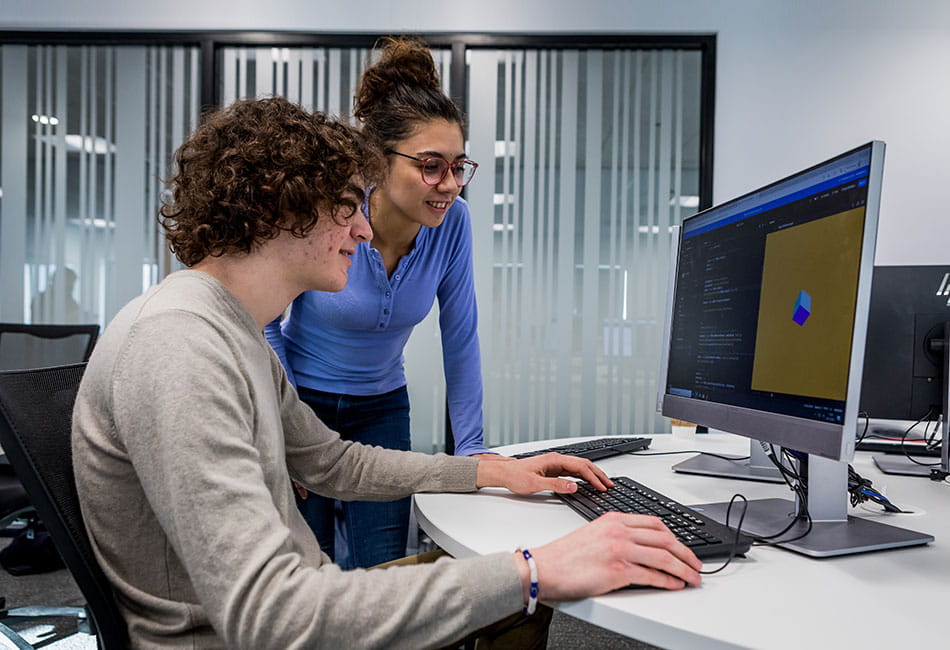
Dr Mohammad Hosseinabady is a Lecturer in Computer Science at the School of Computing and Creative Technologies, University of the West of England (UWE Bristol). His research focuses on accelerating computational functions using low-power reconfigurable platforms, particularly embedded FPGAs (Zynq/ZynqMPSoC) and GPUs (NVIDIA Jetson), within the domains of IoT, edge computing, and smart devices. Expertise : FPGA High-Level Synthesis Embedded Systems Smart Devices He leads the BSc(Hons) Computer Science program, emphasizing practical skills in AI, software development, and hardware integration. His work bridges theoretical computer science with real-world applications in robotics and digital industries.
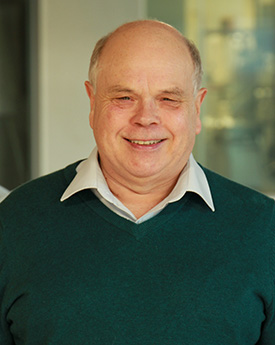
Dr. Philip M. Kanfush is an Associate Professor in the Department of Education at Saint Vincent College, where he also serves as Executive Director of the Bearcat B.E.S.T. Program. A Board Certified Behavior Analyst at the Doctoral Level and Certified Brain Injury Specialist, he holds licenses in Pennsylvania and Alabama. Ed.D., Special Education (West Virginia University, 2010) M.Ed., Special Education (University of Pittsburgh, 2003) M.Div., Systematic Theology (Saint Vincent Seminary, 2000) M.A., Scriptural Theology (Saint Vincent Seminary, 1999) B.A., Secondary Education with dual majors in Economics and Sports Medicine (University of Pittsburgh, 1985) His research focuses on literacy instruction for neurodiverse learners , life skills training for individuals with multiple disabilities , and behavioral disorder interventions . Recent publications examine direct instruction methodologies, embedded field experiences in teacher development, and historical documentation of stained glass art in religious contexts. Dr. Kanfush teaches graduate courses in inclusionary education, assessment for low-incidence disabilities, and statistics/research design, alongside undergraduate classes in reading instruction, autism spectrum disorders, and behavioral analysis.
Patrick A. Ryscavage, MD, is an Associate Professor at the University of Maryland, School of Medicine, with a primary appointment in Medicine and secondary in Pediatrics. He serves as Chief of Infectious Disease Inpatient Services at Midtown Campus and Associate Medical Director of the Center for Infectious Diseases. His research focuses on HIV care, prevention, and healthcare transitions for adolescents/young adults with HIV. Medical School: Georgetown University School of Medicine Residency: Georgetown University Medical Center Fellowship: Northwestern University School of Medicine Dr. Ryscavage's work spans HIV clinical care, health services research, and infectious diseases in immunocompromised hosts. Recent publications analyze long-acting antiretrovirals, PrEP efficacy, systemic hypertension in HIV patients, and transition programs from pediatric to adult care. As a clinician-researcher, he addresses challenges in HIV management for youth, emphasizing adherence, comorbidities, and care integration. His studies contribute to global HIV epidemiology and risk-stratified toxicity monitoring frameworks.
Andrea Francesco Cattanei serves as a Full Professor in the Department of Mechanical, Energy, Management and Transport Engineering (DIME) at the Polytechnic School of the University of Genoa. He holds dual administrative roles as a Member of the School Council for the Polytechnic School and Member of the Department Board for DIME, demonstrating significant institutional leadership within the university structure. Professor Cattanei's research expertise centers on fluid dynamics and turbomachinery, with specialized focus on axial fan systems and unsteady flow phenomena. His methodological approach integrates advanced computational fluid dynamics (CFD) simulations with rigorous experimental validation, particularly examining leakage flow characteristics under variable operational conditions. Key research domains include: Leakage flow dynamics in rotating machinery Unsteady aerodynamic phenomena in turbomachinery CFD modeling of low-speed axial fans Experimental characterization of fan performance Rotating shroud effects on flow stability Thermal-fluid interactions in energy systems Analysis of his 2021-2023 publications reveals a concentrated research trajectory investigating leakage flow mechanisms in axial fans through both experimental and computational lenses. His work consistently addresses critical challenges in fan aerodynamics, emphasizing unsteady flow behavior and performance optimization under variable loading conditions, with direct applications to energy-efficient turbomachinery design. No scientific awards or honors are documented in the provided materials. Professor Cattanei teaches core mechanical engineering courses at the graduate level including Machines, Heat Transmission and Machines, Turbomachines, and Internal Combustion Engines and Turbomachines across multiple Master's programs. His teaching portfolio demonstrates deep integration between theoretical principles and practical engineering applications in fluid machinery design. No information regarding research grants or graduate student supervision is available in the current documentation. His academic activities are centered within the Department of Mechanical, Energy, Management and Transport Engineering, where he contributes to both the Design and Production track and the Energy and Aeronautics specialization through his teaching and research initiatives.
Lisa Bartnikas, MD is an Attending Physician in the Division of Immunology at Boston Children's Hospital and Assistant Professor of Pediatrics at Harvard Medical School. She specializes in pediatric allergy and immunology with a particular focus on food allergies, Primary Immunodeficiency, and the Food Protein-Induced Enterocolitis Syndrome (FPIES) Program. Dr. Bartnikas sees patients at both Boston Children's Hospital in Boston and at the Milford location of Boston Children's Physicians. Her educational background includes: Undergraduate: Harvard University (2001) Medical School: Boston University School of Medicine (2005) Internship: Boston Combined Residency Program (2006) Residency: Boston Combined Residency Program (2008) Fellowship: Boston Children's Hospital (2011) Dr. Bartnikas is board certified by both the American Board of Allergy & Immunology and the American Board of Pediatrics. Her primary research interest focuses on understanding the safety and psychosocial impact of school food allergy policies. She is particularly interested in how environmental exposures affect childhood food allergy and anaphylaxis, with the goal of developing evidence-based policies to promote the safety and psychosocial well-being of children with food allergies. Analysis of her recent publications reveals a consistent focus on food allergy policies in school settings, health disparities related to food allergies, the psychosocial impact of food allergies on children and families, and research into Food Protein-Induced Enterocolitis Syndrome (FPIES). Her work often examines the intersection of social determinants of health with allergy outcomes and management. Dr. Bartnikas is the Principal Investigator on an NIH/NIAID K23 grant (2019-2024) titled 'Evaluating the Impact of School Nut-Free Policies' with Dr. Wanda Phipatanakul as her mentor. This research aims to determine how school nut-free policies affect rates of allergic reactions, environmental nut protein levels, and psychosocial distress. Within professional organizations, she is active in the American Academy of Allergy, Asthma and Immunology (AAAAI) where she co-chairs the Psychosocial Impact of Food Allergies workgroup within the Adverse Reactions to Foods Committee. This workgroup has published research evaluating allergists' knowledge of food allergy-related bullying and developed age-specific food allergy patient education handouts.
Jean Pierre David is a Full Professor in the Department of Electrical Engineering at Polytechnique Montréal. He has been with the institution since January 2006, was promoted to Associate Professor in June 2013, and became a Full Professor in June 2021. His research focuses on digital systems design, reconfigurable systems, and hardware implementations of artificial intelligence applications. David received his Electrical Engineering degree (specializing in electronics) from the University of Liège (Belgium) in 1995. He completed his Ph.D. in June 2002 at the Catholic University of Louvain, with research focused on reconfigurable systems (FPGAs). Before joining Polytechnique Montréal, he was a professor at the University of Montreal from August 2002 to January 2006. Jean Pierre David's research spans several key areas in electrical engineering and computer science. His primary focus is on digital systems design, configuration, and programming, with particular expertise in reconfigurable systems such as FPGAs and microcontrollers. He has made significant contributions to Hardware Description Languages (HDL), developing methodologies for fast, safe, and simple design of digital architectures. His work extends to Hardware-in-the-Loop (HIL) simulation, Deep Packet Inspection (DPI) for high-speed communications (10GBE, 40GBE, 100GBE), and applications of digital systems in artificial intelligence, particularly neural network implementations. David's recent research has increasingly focused on energy-efficient AI hardware, RISC-V processor design for neural network acceleration, and specialized architectures for low-precision computation. His publication record shows a clear evolution from foundational work in digital system design and FPGA implementation toward increasingly sophisticated applications in artificial intelligence and neural network acceleration. The most recent publications demonstrate expertise in creating specialized hardware for efficient AI computation, with a strong emphasis on low-precision and binary neural networks that can run efficiently on resource-constrained devices. His work bridges computer architecture, electrical engineering, and artificial intelligence, creating practical hardware solutions for emerging computational challenges. David is affiliated with several important research groups and institutions including the Strategic Microsystems Group of Quebec (ReSMiQ), the Institute of Electrical and Electronics Engineers (IEEE), and the Institute for Data Valorization (IVADO). His work has been recognized through numerous publications in high-impact journals and conferences, with a total of 108 publications to his name. Professor David has supervised an impressive number of graduate students throughout his career, mentoring 9 Ph.D. students and 24 Master's students to completion. His students have worked on diverse topics including FPGA-based neural network acceleration, hardware implementations of deep learning algorithms, energy harvesting systems for IoT devices, and specialized architectures for low-precision computation. His lab appears to maintain strong connections with industry through various research projects and collaborations with researchers like Yves Savaria. His research laboratory focuses on the intersection of hardware design and artificial intelligence, with particular emphasis on creating efficient implementations of neural networks on specialized hardware platforms. The lab maintains strong connections with industry partners and collaborates extensively on projects related to network processing, AI acceleration, and energy-efficient computing systems.
Stefano Scanzio is a Senior Researcher at the National Research Council of Italy (CNR-IEIIT) and teaches computer science courses at Politecnico di Torino . With over 60 publications in wireless networks, real-time communication, and industrial IoT, he serves as Associate Editor for Ad Hoc Networks , IEEE Access , and Electronics journals. Ph.D. in Computer Science (Politecnico di Torino, 2008) Laurea in Computer Science (Politecnico di Torino, 2004) His research focuses on industrial wireless networks , particularly Wi-Fi and IEEE 802.15.4 TSCH, with emphasis on: Energy-saving mechanisms in wireless sensor networks Predictive models for Wi-Fi channel quality Reliable communication through seamless redundancy Machine learning integration for network optimization Clock synchronization under non-Gaussian noise Recent publications analyze Wi-Fi 7's multi-link operation, executable QR codes for IoT, and AI-driven network self-configuration. His work has been recognized with multiple best paper awards .
Mustafa Kishk is an Assistant Professor in the Department of Electronic Engineering at Maynooth University, Ireland, and serves as the PhD/MSc Programme Director. He is also an associate editor for IEEE Wireless Communications Letters and has been affiliated with the Hamilton Institute. His research focuses on stochastic geometry, UAV-enabled and satellite-enabled communications, energy-harvesting IoT, and non-terrestrial networks. Education Ph.D. in Electrical Engineering, Virginia Tech, 2018 M.Sc. in Electrical Engineering, Cairo University, 2015 B.Sc. in Electrical Engineering, Cairo University, 2013 Research Interests Mustafa Kishk’s work lies at the intersection of stochastic geometry , non-terrestrial networks , and energy-efficient wireless systems . He employs advanced mathematical tools to model and optimize emerging network architectures such as UAV-assisted communications, satellite mega-constellations, and RF-powered Internet of Things. His investigations span coverage analysis, secrecy performance, energy harvesting, and sustainable transportation electrification. Publication Trends Over 2021–2023, Kishk has published prolifically in top-tier IEEE journals and magazines, with a clear focus on stochastic geometry-based modeling . A dominant theme is the integration of aerial and space platforms—UAVs, LEO satellites, and tethered drones—into next-generation networks. His studies address coverage, latency, energy efficiency, and coexistence issues, often supported by rigorous theoretical frameworks and large-scale performance evaluation. Scientific Awards IEEE ComSoc Outstanding Young Researcher Award for Europe, Middle East, and Africa Region (2022) IEEE Communications Society Internet for All competition – Honorable Mention (2022) IEEE Communications Letters Exemplary Reviewer recognition (2020) Editorial & Professional Service He serves as an Associate Editor for IEEE Wireless Communications Letters and has been a member of the Technical Program Committees for Globecom 2022, ICC 2022, and WCNC 2022. Labs & Research Groups Kishk is affiliated with the Hamilton Institute at Maynooth University, a multidisciplinary research institute focusing on applied mathematics and ICT. Previously, he conducted post-doctoral research in Prof. Slim Alouini’s group at King Abdullah University of Science and Technology (KAUST).
Li Junguo is a Research Professor at the School of Innovation and Entrepreneurship, Southern University of Science and Technology (SUSTech), where he also serves as Assistant Dean of the Clean Energy Institute. He joined SUSTech in 2019 and was promoted to Research Professor in January 2024. Prior to this, he worked as an Assistant Professor at the Institute of Coal Chemistry, Chinese Academy of Sciences (CAS) from 2014 to 2019. His academic journey began with a Bachelor's degree in Mineral Processing Engineering from China University of Mining and Technology in 2008, followed by a Ph.D. in Chemical Engineering and Technology from the University of Chinese Academy of Sciences, completed in January 2014. His educational background includes: 2004-2008: B.S. in Mineral Processing Engineering, China University of Mining and Technology 2009-2014: Ph.D. in Chemical Engineering and Technology, University of Chinese Academy of Sciences Professor Li's research focuses on the clean conversion of carbon-containing fuels , carbon materials development , fluidization engineering , and scale-up fundamentals . His work spans both fundamental and applied research, with particular emphasis on sustainable energy solutions that address carbon neutrality goals. He investigates pyrolysis and gasification characteristics of various fuels, develops high-performance carbon materials for diverse applications, and studies soil improvement techniques. His research on fluidized bed reactors explores flow characteristics and scale-up mechanisms critical for industrial applications. His publication record demonstrates a strong focus on sustainable energy solutions and carbon management. Recent work emphasizes green methanol production as a pathway to carbon neutrality, advanced biomass conversion technologies, and innovative approaches to coal water slurry processing. His research integrates chemical engineering principles with environmental sustainability goals, particularly addressing China's carbon reduction targets. The interdisciplinary nature of his work bridges energy engineering, materials science, and environmental remediation. Professor Li has received numerous honors and awards for his contributions to science and engineering: Second Prize for Innovation of the China Invention Association Entrepreneurship Award (2024) Academic Editor of the Journal of Fuel Chemistry and Technology (2021, 2023) Shenzhen High-level Professional Talent (Category D, 2019) Member of the Youth Innovation Promotion Association of the Chinese Academy of Sciences (2019) "Shanxi Talent" Young Outstanding Talent (2019) Second Prize of Science and Technology Progress Award of Chinese Society of Particulate Science (2018) As a research leader, Professor Li has secured significant funding for his work, including projects under the National Key R&D Program, National Natural Science Foundation of China, and various industry collaborations. His current research portfolio includes high-value utilization of domestic sludge, key technologies for low-rank coal processing, and large-scale treatment of low-calorific-value municipal solid waste. He also serves as the project leader for the Shenzhen Low-Quality Coal Comprehensive Utilization Engineering Research Center. In addition to his research activities, he teaches graduate courses in Industrial Product Dissection and Transformation Practice and Engineering Ethics. Professor Li leads the Clean Energy Institute at SUSTech, where his team focuses on developing technologies for carbon-neutral energy systems. His laboratory work emphasizes practical applications of fundamental research, particularly in the areas of biomass conversion, coal utilization, and carbon material synthesis. The institute collaborates with both domestic and international partners to advance sustainable energy solutions.
Dr. Xiaohu Fang is an Assistant Professor at the School of Microelectronics , Southern University of Science and Technology. His research focuses on microwave and millimeter-wave RF front-end circuits, high-efficiency transmitters, and power amplifier linearization techniques for 4G/5G systems. Education: PhD in Electrical Engineering (2015), Chinese University of Hong Kong; MPhil (2011) and BEng (2008) in Electronic Science and Technology, Huazhong University of Science and Technology. Dr. Fang's research addresses critical challenges in RF integrated circuits , including: Design of GaN-based monolithic microwave integrated circuits (MMICs) for 5G/6G communication systems Development of high-efficiency, wideband power amplifiers with advanced linearization techniques Exploration of beamforming architectures and harmonic-isolation resonators His recent publications (2023-2024) highlight trends in Doherty amplifiers , Class-F/G designs , and millimeter-wave front-end solutions using GaN and SOI-CMOS processes. He serves as an IEEE Senior Member and reviewer for top-tier journals like IEEE TMTT and TCAS . Dr. Fang's work also includes a 2025 teaching award, demonstrating his dual impact in research and education. Scientific Awards: Pengcheng Peacock Program Category C Talent Postgraduate Scholarship of Hong Kong (2011-2014) Second Prize in the 9th Youth Teacher Teaching Competition and Provincial Teaching Innovation Competition (2025)
Giulia Veronesi is a Full Professor of Thoracic Surgery at Vita-Salute San Raffaele University in Milan and serves as Director of the Thoracic Surgery Division at San Raffaele Hospital. With over 286 publications and an H-index of 49, she is a leading authority in robotic thoracic surgery and lung cancer screening programs. Her career spans both clinical practice and academic research with significant contributions to surgical oncology. Dr. Veronesi earned her Degree in Medicine and Surgery from the University of Milan in 1994, followed by Specialization in Thoracic Surgery from the University of Modena and Reggio Emilia in 2006, and Specialist certification in Digestive System Surgery and Surgical Digestive Endoscopy from the University of Milan in 2000. She further enhanced her expertise with a Master's Degree in Management Training for Managers of Complex Hospital Structures from the SDS School of Healthcare Management (2012). Her professional training includes prestigious institutions such as Mount Sinai School of Medicine, Institute Mutualiste Montsouris in Paris, and Cornell University. Her research focuses on advancing robotic surgical techniques for thoracic procedures, particularly for lung cancer treatment and early detection. She has developed one of Europe's largest lung cancer screening programs using low-dose CT and microRNA testing in high-risk populations. Her work spans minimally invasive surgical techniques, biomarker development, and innovative approaches to thoracic oncology. Recent publications reveal a strong emphasis on robotic surgery applications, early detection methodologies, and molecular diagnostics for lung cancer. Dr. Veronesi's research output demonstrates consistent innovation across multiple fronts of thoracic surgery. Her publications from 2024-2025 show particular focus on refining robotic surgical techniques for complex cases, improving early detection methods, and understanding molecular mechanisms in lung cancer progression. The breadth of her work spans from technical surgical innovations to population-level screening programs. Robert J. Ginsberg Lectureship Award for Surgery (2019) from International Association for the Study of Lung Cancer Women&Technologies Award (2017) from Women&Tech-Associazione Donne e Tecnologie As an educator, Dr. Veronesi has served as a proctor for robotic thoracic surgery across multiple European countries and has held teaching positions at Humanitas University, the University of Milan, and University of Modena. She has secured over €3.5 million in research funding as Principal Investigator, including significant grants from AIRC (€765,000), ERA-NET/CLEARLY project (€1,630,749), and NCI-funded trials. Her research portfolio includes groundbreaking work on lung cancer screening protocols, biomarker validation, and robotic surgical techniques. Dr. Veronesi founded the ESTS Robotic Working Group and serves on multiple editorial boards including Lung Cancer, Annals of Thoracic Surgery, and Journal of Thoracic Disease. She actively leads multidisciplinary teams for thoracic oncology and lung cancer screening at San Raffaele Hospital, integrating surgical, medical, and diagnostic expertise to optimize patient outcomes. Her leadership extends to national committees including the Consiglio Superiore di Sanità.
Tobias Schmidt is a full Professor at ETH Zurich and Director of the Institute of Science, Technology and Policy. He leads the Energy and Technology Policy Group (EPG), focusing on the interaction between energy policy, politics, and technological change in energy systems across diverse economic contexts. PhD in Management, Technology & Economics from ETH Zurich MSc-equivalent in Electrical Engineering (Energy focus) from Technical University Munich His research spans: Climate finance mechanisms and energy transition economics Policy design for renewable energy adoption Technological innovation systems for clean energy Electrification models for sub-Saharan Africa Low-carbon industrialization pathways Electrochemical decarbonization strategies Recent publications emphasize global climate finance needs, battery technology carbon footprints, and international energy transition dynamics. His work combines empirical analysis with policy modeling to address deployment barriers for sustainable technologies. Scientific service includes: Editorial board member of Energy Research and Social Science Visiting researcher at Tokyo Tech, Utrecht University, Stanford, and Princeton Recognized with the ETH Zurich Golden Owl teaching award, he also engages in executive education programs at ISTP.
Dr. Amos Dexter serves as a Senior Lecturer in the School of Engineering at Lancaster University, specializing in advanced accelerator technologies and plasma applications. His institutional affiliation includes the Cockcroft Institute and the RF Engineering of Accelerators at Lancaster (REAL) research group, positioning him at the forefront of particle accelerator research in the UK. His research spans critical areas of modern accelerator physics including: Plasma wakefield acceleration techniques Low Level Radio Frequency (LLRF) systems for high-power facilities Microwave plasma furnace development for industrial applications Plasma torch optimization Klystron technology and cavity synchronization systems These research strands reflect his focus on both fundamental plasma physics and practical engineering solutions for next-generation accelerator facilities. Dexter's scholarly output demonstrates consistent contribution to high-energy physics, with his most recent 2025 publication in Physical Review Letters examining ion dynamics in resonantly driven plasma wakefields. This work aligns with his broader research trajectory investigating novel acceleration mechanisms that could dramatically reduce the size and cost of future particle accelerators. His active grant portfolio reveals substantial leadership in major research initiatives: Cockcroft Core Grant (2025-2028) - ongoing leadership in national accelerator infrastructure Novel microwave plasma furnace project (2024-2027) - developing industrial processing technology AWAKE collaboration (2021-2027) - contributing to CERN's advanced accelerator R&D program Multiple Cockcroft Institute phases (2018-2025) - sustained involvement in UK's premier accelerator research center Dexter maintains strong collaborative ties through the Cockcroft Institute RF Engineering of Accelerators at Lancaster (REAL) group, which serves as his primary research home. This group focuses on developing cutting-edge RF technologies for linear colliders and other high-gradient accelerator applications, positioning Lancaster University as a significant player in international accelerator science.
Dr. Jean Anthony serves as Assistant Professor of Psychiatric/Mental Health Nursing at the University of Cincinnati College of Nursing since 2002, teaching undergraduate, master's, and doctoral courses in mental health nursing, health policy, and ethics. Her research focuses on health disparities, psychiatric mental health, and depression with emphasis on African American communities and faith-based interventions. Educational background includes: PhD in Nursing Administration, Health Policy from George Mason University MSN and BSN from University of Cincinnati RN Diploma from Jewish Hospital School of Nursing (1967) Her research program addresses critical gaps in mental health through culturally tailored approaches. She examines how cultural factors and faith communities influence health outcomes, particularly in depression and autism. Key contributions include developing an online depression training program for African American clergy and studying autism in Black families. Analysis of her publication record (1986-2017) shows evolving expertise from nursing home care to contemporary health disparities. Recent work (2015-2017) emphasizes community-engaged autism research and faith-based depression interventions, while earlier publications addressed homeless health and pregnancy ethnography. Accolades include: Nefertiti Award (2015) Transcultural Nursing Scholar (2016) Health Champion Award (2010) 100 Extra Ordinary Nurses Award (1996) Sigma Theta Tau induction (1974) She has mentored graduate students including Amanda Weatherby and secured over $1 million in funding, notably a $690,000 NIH/NIMH depression grant and Susan G. Komen Foundation breast health program ($80,000). Current service includes Student Affairs Council and PhD Admissions Committee. Dr. Anthony collaborates with the Online Transcultural Research Interest Group and continues developing culturally specific interventions through active research partnerships with faith communities and healthcare organizations.
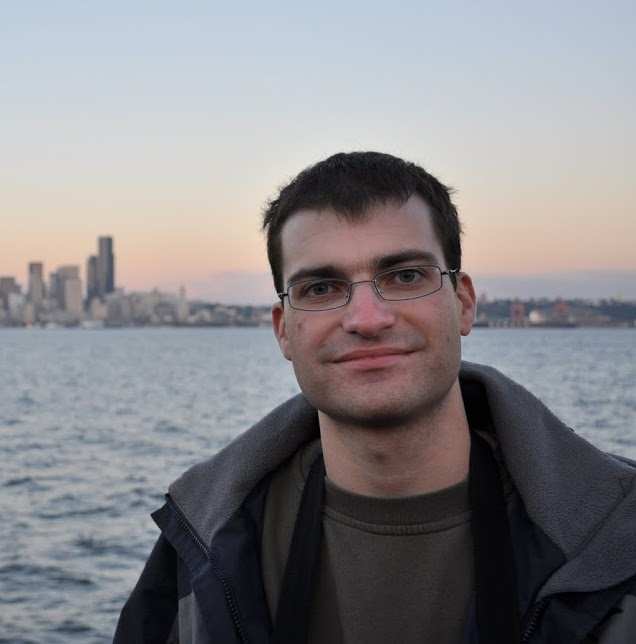
Dr. Andreas Abel is a postdoctoral researcher at Saarland University working in the Real-Time and Embedded Systems Lab under Prof. Jan Reineke. His work focuses on the intersection of computer architecture, performance analysis, and security, with a particular emphasis on x86 microarchitectures. His research interests span microarchitecture analysis, performance prediction, cache systems, computer security, hardware-software interaction, and reverse engineering. Dr. Abel has made significant contributions to understanding CPU microarchitectures through tools like uops.info, which provides detailed latency, throughput, and port usage data for x86 instructions, and nanoBench, a low-overhead tool for running microbenchmarks on x86 systems. His work bridges theoretical computer science with practical performance analysis, enabling more accurate prediction of program behavior on modern processors. His publication record shows a consistent trajectory from formal methods and model checking in his early career toward increasingly sophisticated analysis of modern processor microarchitectures. Recent work focuses on accurate throughput prediction (FACILE, uiCA), security implications of microarchitectural behavior (Flushgeist), and tools for microbenchmarking (nanoBench). His research demonstrates a unique combination of formal methods expertise applied to practical problems in computer architecture. Dr. Abel has taught various courses at Saarland University including System Architecture, Design and Analysis of Real-Time Systems, and seminars on Resource Sharing in Real-Time Systems and Robustness of Hardware and Software Systems. His teaching spans both undergraduate and graduate levels, reflecting his dual expertise in theoretical computer science and practical systems engineering.