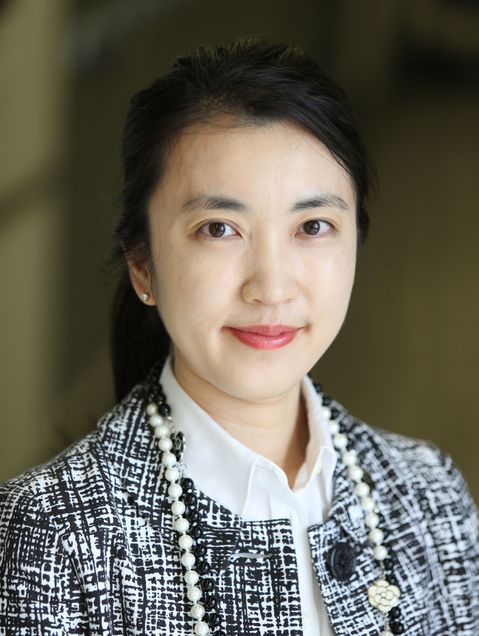
Julia TCW is an Assistant Professor at Boston University, leading a research laboratory focused on Alzheimer's Disease (AD) mechanisms, particularly the role of the APOE4 genetic variant in human brain cells. Her lab integrates CRISPR/Cas9 genome-edited induced pluripotent stem cells (iPSCs), multi-omics bioinformatics, and 3D brain organoid models to study neuroinflammation, lipid metabolism, and glial dysfunction in AD pathogenesis. She holds a Ph.D. and A.M. in Molecular and Cellular Biology from Harvard University. Her research investigates: 1) APOE4-driven disruptions in cholesterol homeostasis and matrisome pathways; 2) iPSC-derived microglia/astrocyte responses to AD risks; 3) Computational pipelines for genetic subtyping and drug repositioning. Key methodologies include developing human brain pericytes , microglia , and 3D organoids for high-throughput drug screening, with active industry collaborations for therapeutic discovery. Recent publications (2023–2025) emphasize APOE4 pathology in glial cells, revealing impaired lipophagy, cellular senescence, and neurovascular defects. Computational studies advance genetic risk modeling and multi-omics data integration, while experimental work validates targets like BIN1 and IL1RAP in neuronal-glial interactions. Her team is pioneering chimeric mouse models to dissect APOE3/APOE4 astrocyte effects in vivo. Dr. TCW's lab actively develops next-generation human brain models and computational tools to bridge molecular insights with clinical translation for Alzheimer's therapeutics.
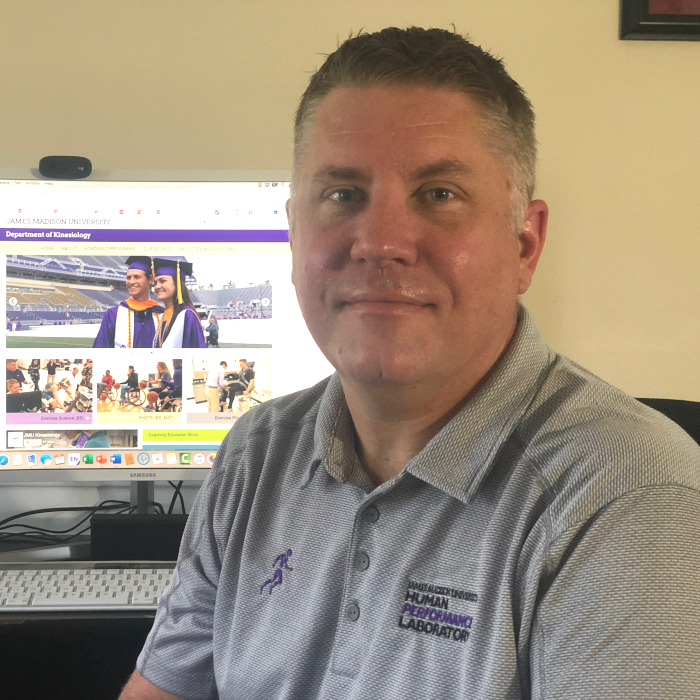
Trent Hargens is an Assistant Professor in the Department of Kinesiology at James Madison University, affiliated with the College of Health and Behavioral Studies. His expertise spans clinical exercise physiology, sleep quality, and physical activity in chronic disease contexts. Bachelor’s: Health Promotion, University of Iowa Master’s: Clinical Exercise Physiology, Ball State University Doctorate: Clinical Exercise Physiology, Virginia Tech Hargens investigates physiological connections between sleep, physical activity, and sedentary behavior across the lifespan, with a focus on autonomic function, cardiovascular hemodynamics, and exercise performance impacts in populations like obese adults and post-bariatric patients. His recent research trends include pandemic-related physical activity shifts, hemostatic responses to caffeine and exercise, and cardiovascular adaptations to diverse exercise modalities. Key topics: sleep disorders, metabolic syndrome, heart rate variability, and clinical exercise guidelines. No scientific awards or students information is provided in the text.
Han Seong-rim is a Professor at the Department of Food and Nutrition, College of Human Ecology, Seoul National University. With a PhD from Tufts University, her research focuses on immunonutrition and clinical nutrition, particularly examining how vitamins and obesity influence immunometabolism, immune cell function, and chronic disease prevention. Her laboratory investigates: The impact of genetic information awareness on dietary and health behaviors Vitamin D’s role in immunometabolism across metabolic diseases Obesity’s influence on vitamin D metabolism and immune function Dr. Han’s 2024-2025 publications reveal a consistent focus on vitamin D’s immunomodulatory effects in diabetic and obese mouse models, with emphasis on dendritic cells, T cells, and adipose tissue. Her work appears in journals like Nutrition Research , Nutrients , and Journal of Nutritional Biochemistry . Notable scientific awards include: JLA Excellence Award (2023) Minister of Health and Welfare Commendation (2019) NRP Most Cited Award (2019) Korean Society of Community Nutrition Academic Award (2012) She has served as President of the Korean Nutrition Society (2023) and Korean Society of Clinical Nutrition (2021), and delivered invited lectures at international symposia including ICoLA2024 and APPSPGHAN 2023 .
Reijo Käkelä is a Senior University Lecturer at the University of Helsinki , Faculty of Biological and Environmental Sciences, and leads the HiLIPID lipidomics service laboratory . His research integrates lipidomics and fatty acid analysis to explore cellular functions, human disease pathogenesis, aquatic food webs, and environmental adaptation. He teaches courses in physiology, lipidomics, and ecotoxicology, and supervises MSc and PhD students. Research Focus : Lipid metabolism, fatty acid signaling, mass spectrometry-based lipidomics, environmental toxicology, neurodegeneration Key Projects include lipid metabolism in wintering insects, lipidomics of therapeutic cells, and eicosanoid pathways in stem cells. His scientific infrastructure contributions involve the Helsinki University Lipidomics Unit. Collaborations span ecology, biomedicine, and freshwater fish communities.
Aldons Lusis is a Professor at the David Geffen School of Medicine, UCLA, with joint appointments in the Department of Human Genetics, Microbiology, Immunology & Molecular Genetics. He serves as Vice Chair of Human Genetics and is affiliated with multiple research institutes, including the Brain Research Institute, CTSI Center for Duchenne Muscular Dystrophy, and JCCC Cancer and Stem Cell Biology Program. His laboratory is located at the Molecular Biology Research Building (MRL) on the UCLA campus. Dr. Lusis leads a multidisciplinary research program focused on systems genetics, cardiometabolic diseases, and microbiome interactions. His work integrates genomics, metabolomics, and computational biology to dissect mechanisms underlying atherosclerosis, heart failure, non-alcoholic fatty liver disease (NAFLD), and metabolic syndrome. Key research themes include mitochondrial dysfunction, sex-specific metabolic regulation, and gut microbiome-host crosstalk. His recent publications demonstrate a strong emphasis on tissue-organ communication (e.g., liver-heart axis), genetic determinants of mitochondrial function, and therapeutic targeting of metabolic pathways. Research leverages mouse diversity panels, human cohorts (METSIM), and multi-omics approaches to identify novel disease mechanisms. Dr. Lusis directs a collaborative research environment with extensive NIH funding, including grants supporting investigations into cardiac hypertrophy, diabetes genetics, and environmental impacts on metabolic health. His lab utilizes advanced genomic editing, single-cell technologies, and systems biology pipelines to resolve complex traits.
Patricia Phelps is a Professor and Vice Chair in the Department of Integrative Biology and Physiology at the David Geffen School of Medicine, University of California, Los Angeles (UCLA). Her laboratory is located in the Terasaki Life Science Building, focusing on spinal cord injury repair and neuronal migration mechanisms. Research interests include: Therapeutic effects of olfactory ensheathing cell (OEC) transplantation in spinal cord injury models Role of the Reelin signaling pathway in neuronal migration and nociceptive processing Molecular mechanisms of axon regeneration and neuroprotection Developmental neurobiology of cholinergic neurons Publications highlight her work on: Neuronal migration defects in reeler mutants Neuroimmunomodulatory effects of OECs Integration of cell therapy with motor training for spinal repair Developmental expression patterns of key proteins (Reelin, L1, GAD65) Neuroplasticity in spinal cord injury models Contact: Email: pphelps@physci.ucla.edu Office: Terasaki Life Science Building, Room 1024 Lab: Terasaki Life Science Building, Room 1031 Phone: (310) 825-8108
Adel Schwertani is a Professor in the Department of Medicine, Faculty of Medicine and Health Sciences at McGill University, and a Senior Scientist at the Research Institute of the McGill University Health Centre (RI-MUHC) at the Glen site. He is affiliated with the Cardiovascular Health Across the Lifespan Program within the Centre for Translational Biology and works in the Department of Medicine, Division of Cardiology at the MUHC. Dr. Schwertani's research focuses on the role of vasoactive and structural proteins in the pathogenesis of cardiovascular diseases including atherosclerosis, myocardial infarction, aortic valve disease, and pulmonary hypertension. Along with his collaborators, he investigates the role of stem cells in cardiac regeneration and personalized drug testing. His laboratory recently identified a new mediator in the pathogenesis of thrombosis and is working with national and international collaborators to develop new therapeutic approaches for pulmonary emboli and deep vein thrombosis. His publication record demonstrates consistent contributions to understanding the molecular mechanisms of cardiovascular disease, particularly in the areas of aortic valve stenosis, lipoprotein(a) effects on cardiovascular tissues, and novel approaches to cardiac repair. His work bridges basic science with clinical applications, focusing on translating laboratory findings into potential therapeutic strategies for cardiovascular conditions. Dr. Schwertani actively collaborates with researchers across multiple institutions, as evidenced by his co-authorship on systematic reviews and meta-analyses of preclinical trials in cardiac regeneration. His research program appears to be well-integrated within the cardiovascular research community at McGill University and the RI-MUHC.
Laurent Calvier is a tenure-track Assistant Professor at UT Southwestern Medical Center 's Department of Neurology, focusing on vascular inflammation mechanisms across chronic diseases. His research bridges cardiovascular biology and neuroimmunology through studies on the Reelin signaling pathway . PhD from INSERM (2012) Postdoctoral training at Hannover Medical School (pulmonary hypertension) and UT Southwestern (chronic inflammation) Co-founder of Reelin Therapeutics for developing anti-Reelin antibodies His work explores vascular inflammation in atherosclerosis , Alzheimer's disease , multiple sclerosis , and rheumatoid arthritis , with recent publications in Science Immunology and Cell Reports showing Reelin's role in endothelial dysfunction. He has secured NIH funding and holds a patent for Reelin-targeted therapies. Scientific awards include competitive fellowships from DFG , FEBS , and Keystone , along with grants from ESAC and Harrington . His research team investigates Reelin's therapeutic potential using preclinical models across multiple inflammatory disease contexts.
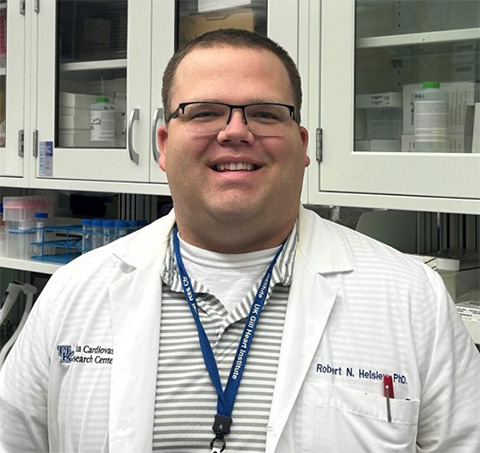
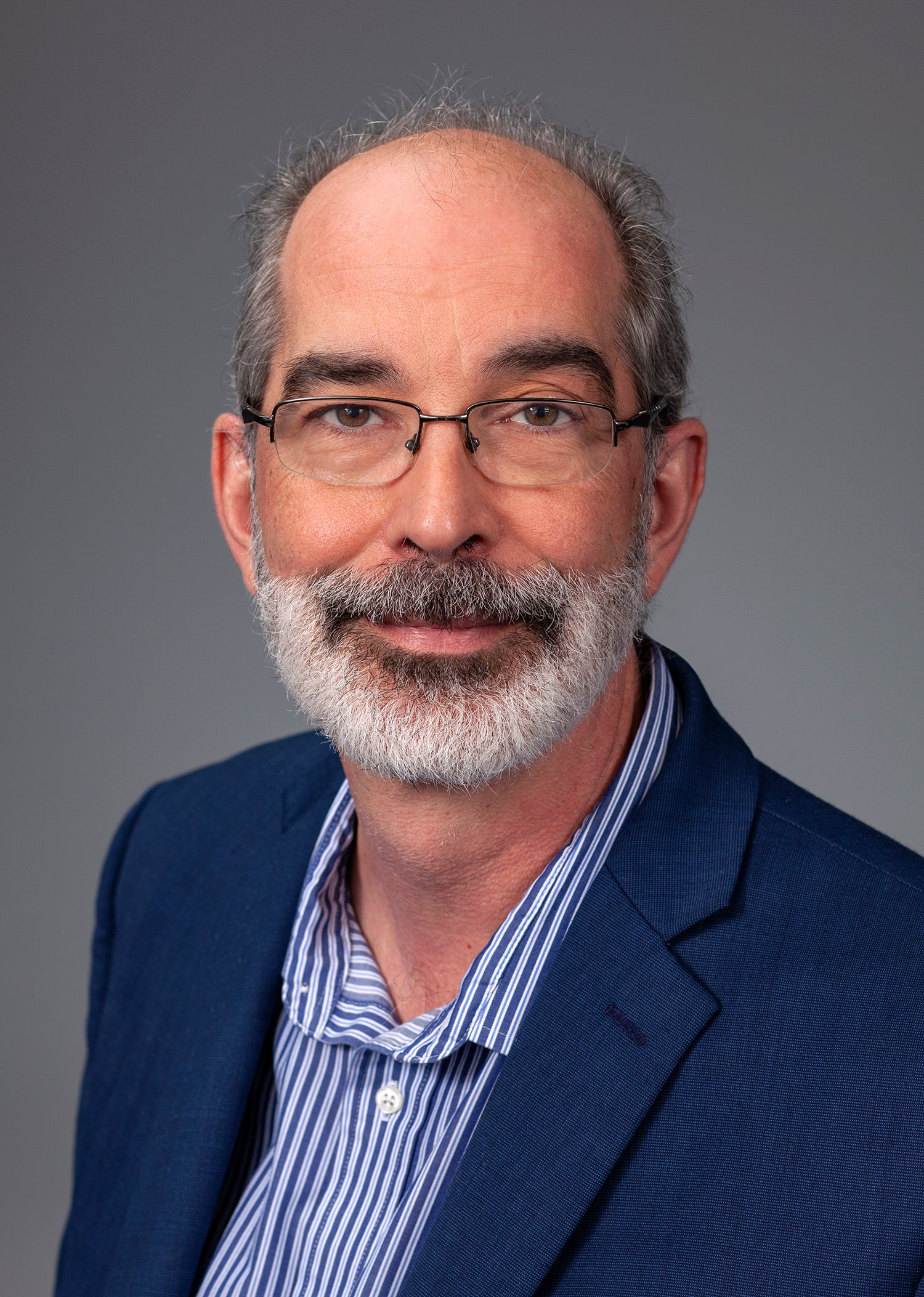
Robert N. Helsley is an Assistant Professor in the Division of Endocrinology, Diabetes and Metabolism within the Department of Internal Medicine at the University of Kentucky College of Medicine. He serves as a Core Faculty member at the Cardiovascular Research Center (CVRC) and Junior Associate Editor for the Journal of Lipid Research, focusing on lipid-centric disease mechanisms. His educational background includes a Bachelor of Science from Miami University (Ohio) and a PhD from the University of Kentucky, followed by postdoctoral training at the Cleveland Clinic and University of Kentucky. Prior to academia, he managed clinical trials at the University of Cincinnati and Medpace. Dr. Helsley's research centers on chronic liver disease pathogenesis, investigating fatty acid oxidation disorders in obesity and NAFLD progression. His lab characterizes tumor/non-tumor fatty acid profiles for therapeutic exploitation and studies adipose tissue dysfunction, atherosclerosis, and gut-liver axis interactions. Current projects examine fructose metabolism via ketohexokinase, carnitine palmitoyltransferase 1a regulation, and microbial metabolites like TMAO in metabolic disease. Analysis of his 15 most recent publications reveals dominant themes in NAFLD molecular mechanisms, sexually dimorphic liver disease, and gut microbiome contributions to hepatocellular carcinoma. Key methodologies include murine models, human tissue lipidomics, and translational dietary interventions targeting cardiovascular risk. Dr. Helsley actively mentors graduate students, emphasizing strategic time management and work-life balance. His laboratory operates within the Department of Internal Medicine, utilizing integrated approaches spanning basic molecular techniques to clinical trial design, with recent focus on supermarket-based nutritional interventions for metabolic disease prevention.
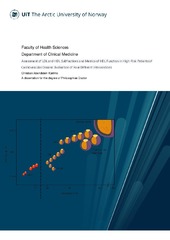
Christian Abendstein Kjellmo is a researcher affiliated with the Faculty of Health Sciences at UiT The Arctic University of Norway. Their work focuses on advanced lipid profiling and cardiovascular disease prevention. Doctoral thesis examining LDL/HDL subfractions in high-risk ASCVD patients Investigated four intervention strategies including bariatric surgery and statin/ezetimibe therapy Research interests center on lipoprotein biology and cardiovascular risk assessment , particularly through the Lipoprint LDL® and HDL® analysis system. The study involved longitudinal evaluation of HDL functional metrics following various therapeutic approaches. Recent publications demonstrate expertise in metabolic interventions and lipidomics within cardiometabolic disease contexts. Key methodologies include clinical trial data analysis and lipoprotein separation techniques.
Werner Kovacs is a senior scientist at the Aceto Lab, ETH Zurich. He holds a PhD in Biochemistry/Biotechnology from Vienna University of Technology and conducted postdoctoral research at San Diego State University under Prof. Skaidrite Krisans. His work focuses on peroxisome biology, hypoxia signaling, and their roles in metabolic disorders and cancer, particularly clear cell renal cell carcinoma (ccRCC). Education: PhD in Biochemistry/Biotechnology, Vienna University of Technology Former Affiliations: Prof. Wilhelm Krek's group (Senior Scientist/Oberassistent, 2007-2018), San Diego State University (Postdoctoral Fellow) Research Interests: His work explores how HIF-2α mediates pexophagy, linking peroxisome dynamics to lipid metabolism reprogramming in cancer. He investigates peroxisome homeostasis, ER stress pathways, and their implications in cholesterogenesis and tumorigenesis. His studies also address autophagy receptors and their posttranslational modifications in organelle turnover. Scientific Contributions: Werner has contributed to understanding peroxisome deficiency in Zellweger syndrome, cholesterol dysregulation in knockout models, and TGFβ-mediated organelle proliferation. He has taught courses in Molecular Cell Biology, Molecular Medicine, and Cancer Cell Signaling and managed animal research protocols as principal study director.
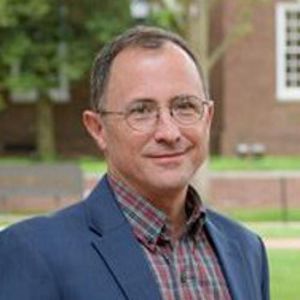
Brian Bahnson is a Professor in the Department of Chemistry and Biochemistry at the University of Delaware within the College of Arts & Sciences. His research focuses on understanding enzyme mechanisms through structural biology approaches, particularly X-ray crystallography. Dr. Bahnson's educational background includes: B.S. (1986) from University of Massachusetts, Amherst Ph.D. (1991) from Brown University National Institutes of Health Postdoctoral Fellow (1991-194) at University of California Berkeley Postdoctoral Fellow (1994-1998) at Brandeis University Dr. Bahnson's research explores the catalytic power of enzymes with a focus on two main areas: using X-ray crystallography to solve structures of substrate complexes and enzyme reaction intermediates, and understanding the role of evolved ordered enzyme motions in catalysis. His work aims to answer fundamental questions about how active site components contribute to catalysis, what transition states look like, and how enzyme motions facilitate catalytic processes. His laboratory pursues structural determination of medically significant enzymes, particularly those related to atherosclerosis. One key focus is on human HDL and LDL associated enzymes, including PAF acetylhydrolase (PAF-AH), which has connections to heart disease and shows promise as a bioscavenger for organophosphate neurotoxins. The lab also studies human senescence marker protein 30 (SMP30). Dr. Bahnson employs a multidisciplinary approach combining protein expression, site-directed mutagenesis, kinetics, homology modeling, and X-ray crystallography to understand structure-function relationships. Dr. Bahnson's publication record demonstrates strong expertise in structural enzymology, with a focus on phospholipases, acetylhydrolases, and their interactions with organophosphorus compounds. His work bridges basic science with potential medical applications, particularly in cardiovascular disease and nerve agent detoxification. Dr. Bahnson actively mentors students in his laboratory. His research group includes: Sean Berard Josh Simpson Mikul Duggal Chuan Ding Jared Miller His laboratory utilizes various techniques including protein expression, site-directed mutagenesis, enzyme kinetics, homology modeling, and X-ray crystallography to advance understanding of enzyme mechanisms and structure-function relationships.
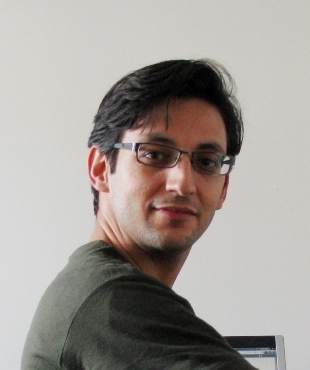
Mahdi Vasighi is currently serving as an Assistant Professor at the Department of Computer Science and Information Technology, Institute for Advanced Studies in Basic Sciences (IASBS) in Zanjan, Iran, a position he has held since February 2012. Prior to this, he was a Post-doc Researcher at the same institution from February 2011 to February 2012. He has also served as a Visiting Researcher at the Milano Chemometrics and QSAR Research Group, University of Milano - Bicocca, Milan, Italy from September to October 2009, and as a Guest Lecturer at the Pasteur Institute, Tehran, Iran since September 2016. Dr. Vasighi earned his educational qualifications from the Institute for Advanced Studies in Basic Sciences (IASBS) in Zanjan, Iran, where he completed his Ph.D. in Chemometrics in May 2010 and his M.Sc. in Analytical Chemistry between 2002 and 2005. His undergraduate education was in Pure Chemistry at Imam Khomeini International University, Qazvin, Iran, from 1998 to 2002. Dr. Vasighi's primary research interests lie at the intersection of bioinformatics, machine learning, and data analysis. His work focuses on structural bioinformatics, particularly on modeling relationships between biological sequences and their corresponding structure or function. He has made significant contributions to the field of self-organizing maps with dynamic structure, developing innovative approaches like the Directed Batch Growing Self-Organizing Map (DBGSOM) that enhance topology preservation and visualization of high-dimensional data. His research spans multiple domains including protein structural classification, cancer diagnostics using fluorescence spectroscopy, and drug discovery for diseases like COVID-19. Dr. Vasighi's publication record demonstrates a strong trajectory in applying machine learning techniques to solve complex problems in bioinformatics and medical diagnostics. His recent work shows an increasing focus on applying computational approaches to healthcare challenges, including cancer detection, protein analysis, and drug discovery for viral diseases. He has successfully bridged the gap between theoretical machine learning advancements and practical applications in biology and medicine, with a particular emphasis on developing interpretable models that can be used by domain experts. Dr. Vasighi has actively contributed to the academic community through teaching and conference organization. He has served as Local Chair for the International Conference on Contemporary Issues in Data Science 2019 (CiDaS 19) and as Scientific Committee Member and Organizing Chair for previous CICIS conferences. His teaching portfolio includes graduate courses in Artificial Neural Networks, Computational Data Mining, Bioinformatics, Statistical Pattern Recognition, and Multimedia Systems. Dr. Vasighi has supervised numerous MSc students, with over twenty graduated students and nine current students listed in his profile. His research has been supported through collaborations with institutions like the Pasteur Institute, where he worked on projects related to nuclear magnetic resonance-based screening of thalassemia and determination of coronary heart disease risk using NMR spectra of plasma lipoproteins. Through his Directed Batch Growing Self-Organizing Map (DBGSOM) package and other software contributions, Dr. Vasighi has made his research tools accessible to the broader scientific community. His work continues to push the boundaries of how machine learning can be applied to solve challenging problems in bioinformatics and medical diagnostics.
Jacques Robidoux, Ph.D., is an Assistant Professor at the Department of Pharmacology & Toxicology, East Carolina University School of Medicine. His research focuses on molecular mechanisms of adipose tissue expansion and remodeling, particularly the interplay between angiogenesis and adipogenesis in metabolic health. Research spans autocrine/paracrine signaling in adipocyte precursor recruitment Investigates vascular remodeling through sprouting angiogenesis and progenitor cell differentiation Examines metabolic syndrome implications of adipose tissue dysfunction Key contributions include elucidating EGFR-IGF-1R collaboration in preadipocyte proliferation and lipogenesis, and exploring MAP kinase roles in UCP1 regulation. His work demonstrates that adipocyte number defects may drive metabolic syndrome more than total adipose mass. Laboratory members include Research Specialist Bin Luo. Studies employ human/mouse preadipocytes, adipose explants, and genetically engineered murine models to dissect molecular pathways.
Judith Peters is a Professor at Univ Grenoble Alpes (UGA) and a senior researcher at the Institut Laue-Langevin (ILL) . She serves as a member of the subcommittee of College 8 at ILL, where she applies neutron scattering techniques to study biological systems. Her research focuses on: Molecular dynamics and structure-function relationships in biological systems under extreme conditions (temperature, pressure, pH) Adaptation mechanisms relevant to the origins of life Crowding/confinement effects in whole-cell and lipoprotein studies Cold denaturation of proteins and its implications for nutrient/drug preservation She leads the international ANR STRUDEL project on lipoproteins with collaborators at Medical University of Graz , and participates in the EU iSenseDNA Pathfinder project. Collaborative networks include institutions in the UK, Japan, Austria, and France.