Prof. Marcello Ciaccio is a Full Professor in Biomedicine, Neuroscience, and Advanced Diagnostics at the University of Palermo's School of Medicine and Surgery. He leads the Clinical Biochemistry Section, focusing on biomarker discovery and diagnostic innovation. His research integrates clinical biochemistry with immunology, genetics, and neurology, emphasizing sepsis diagnostics, cardiovascular risk stratification, and neurodegenerative disorders. Expertise in inflammatory biomarkers (MDW, NLR, neurofilament light chains) Pioneer in automated diagnostic platforms for early disease detection Investigates genetic predisposition to autoimmune and metabolic diseases Recent work includes: Developing MDW-based algorithms for sepsis monitoring Characterizing KIR receptor roles in non-celiac wheat sensitivity Validating novel biomarkers for Alzheimer's and amyloidosis He collaborates with the Italian Society of Clinical Biochemistry (SIBioC) on clinical guidelines for lipid disorders and laboratory diagnostics. Over 150 peer-reviewed publications demonstrate his commitment to translational research in precision medicine.
Maria Antonella Zingaropoli is a Researcher at the Department of Public Health and Infectious Diseases, Sapienza University of Rome. Her research focuses on viral infections, immune responses, and neurological complications in chronic diseases such as multiple sclerosis and HIV/AIDS. She specializes in biomarker discovery (e.g., neurofilament light chain, MMP-9) for disease progression and treatment efficacy assessment. Key areas include JC virus reactivation in immunosuppressed patients, long-term effects of SARS-CoV-2 (Long-COVID syndromes), and vaccine immunogenicity in vulnerable populations (e.g., transplant recipients, PLWH). She has contributed to studies on post-COVID neurological sequelae, including small fiber neuropathy and sensorineural hearing loss. Her work integrates virological, immunological, and clinical data to address critical questions in infectious disease management. Notable projects include assessing PML risk in natalizumab-treated MS patients and evaluating fecal microbiota transplantation efficacy in Clostridium difficile infections. Education: Advanced training in clinical virology and immunology (inferred from research focus). Grants/Projects: Serum neurofilament light chain as biomarker of progressive multifocal leukoencephalopathy in MS patients Study of circulating T cells in HIV+ patients under ART Publications span high-impact journals like PLOS ONE , Frontiers in Immunology , and Acta Radiologica Open , emphasizing translational research with clinical relevance.
David Dingli, M.D., Ph.D. , is a Professor of Medicine at Mayo Clinic in Rochester, Minnesota, with primary appointments in the Division of Hematology, Department of Internal Medicine and a joint appointment in the Department of Molecular Medicine . His interdisciplinary research bridges mathematical modeling and clinical hematology to advance cancer and blood disorder therapies. Education: M.D. from University of Malta; Ph.D. in Molecular Biology from Mayo Clinic Graduate School of Biomedical Sciences; completed residency and fellowship at Mayo Clinic; visiting scientist at Harvard University, University of Lisbon, and Max Planck Institute. Board Certifications: American Board of Internal Medicine (Hematology); Fellow of multiple prestigious colleges including Royal College of Physicians (Edinburgh, London, Glasgow) and American College of Physicians. Dr. Dingli's research focuses on tumor virotherapy and mathematical modeling of hematopoiesis and clonal evolution . His lab develops computational models to simulate tumor-immune-virus interactions, guiding the design of oncolytic viruses and optimizing clinical outcomes. He investigates disorders like multiple myeloma, PNH, AL amyloidosis, and POEMS syndrome , with emphasis on stem cell transplantation and novel therapeutics like complement inhibitors and CAR-T cells. His recent publications (2023–2025) reveal a strong focus on clinical outcomes in plasma cell disorders , especially response prediction, transplant strategies, and real-world effectiveness of new therapies (e.g., pegcetacoplan, daratumumab). Key themes include clonal dynamics, risk stratification, treatment sequencing, and biomarker discovery , often leveraging large datasets and collaborative multi-center studies. Scientific Awards and Honors: Donald C. Balfour Award for Meritorious Research Bellman Prize (Mathematical Bioscience) J. W. Forrester Award (Systems Dynamics Society) Early Career Development Award, Mayo Clinic Merit Award, American Society of Clinical Oncology Winner, National Medical Jeopardy Fellow, Royal College of Physicians (all three UK branches) Chartered Biologist, Society of Biology, UK Dr. Dingli is deeply involved in clinical and academic leadership, including directing the Bone Marrow Transplant Fellowship Training Program , serving as Education Director for the transplant program, and mentoring numerous trainees. He has been a grant reviewer for national foundations and an active member of professional societies such as the American Society of Hematology, American Society for Blood and Marrow Transplantation, and International Myeloma Society. He also leads educational initiatives like the Tutorial in Gene Therapy course. Laboratory and Research Teams: His research group, operating at the interface of theory and experiment, collaborates closely with clinicians, computational biologists, and translational scientists within Mayo Clinic’s Comprehensive Cancer Center and William J. von Liebig Center for Transplantation . The team integrates systems biology, clinical data analytics, and experimental validation to drive innovation in hematologic malignancies.
Helen M. Blau is the Donald E. and Delia B. Baxter Foundation Professor and Professor in the Department of Microbiology & Immunology at Stanford University, with a courtesy appointment in Psychiatry and Behavioral Sciences. She serves as Director of the Baxter Laboratory for Stem Cell Biology and is a member of multiple interdisciplinary institutes, including Bio-X, the Cardiovascular Institute, Wu Tsai Neurosciences Institute, Stanford Cancer Institute, and the Wu Tsai Human Performance Alliance. Her research focuses on stem cell biology, cellular reprogramming, muscle regeneration, and aging. Key areas include the role of mechanical and biochemical cues in cell fate decisions, the discovery of 'gerozymes' such as 15-PGDH as drivers of aging, and the development of therapeutic strategies for muscle wasting disorders and fibrosis. Her lab integrates single-cell multiomics, bioengineering, and advanced imaging to study rejuvenation and regenerative mechanisms. Her recent publications (2023–2025) highlight innovative work in reversing muscle aging with prostaglandin E2, suppressing cardiac fibrosis via mechanosensing inhibition, mapping sex-biased thymic niches, and developing tools for hiPSC-cardiomyocyte analysis. These studies reflect a strong trend toward translational, interdisciplinary research combining molecular biology, computational modeling, and regenerative medicine. Honors include: National Medal of Science (2025) Member, Royal Society (2024) Member, Austrian Academy of Sciences (2024) Member, National Academy of Sciences (2016) Member, National Academy of Medicine (1995) FASEB Excellence in Science Award (1999) She mentors postdoctoral fellows and graduate students across Bioengineering, Cancer Biology, Genetics, Microbiology & Immunology, Neurosciences, and Stem Cell Biology and Regenerative Medicine programs. Her lab receives major grants from foundations and federal agencies, supporting high-impact research in regenerative medicine. The Blau Lab fosters collaboration among biologists, bioengineers, and computational scientists, with a mission to translate basic discoveries into therapies that improve human health.
Dr. David L. Murray is a Professor in the Department of Laboratory Medicine and Pathology at Mayo Clinic in Rochester, Minnesota. With dual qualifications as an MD and PhD, he specializes in applying mass spectrometry techniques to clinical laboratory medicine, particularly in the diagnosis and monitoring of monoclonal gammopathies, multiple myeloma, and related disorders. Dr. Murray completed his medical education at James H. Quillen College of Medicine, East Tennessee State University (2006), followed by residency training in Anatomic and Clinical Pathology at Mayo Clinic School of Graduate Medical Education (2010). His doctoral work focused on Polymer Chemistry at the University of Akron (1992). His research interests center on the application of mass spectrometry to clinical laboratory practice, with particular focus on monoclonal immunoglobulins, free light chain analysis, and the diagnosis of plasma cell disorders. Dr. Murray has pioneered the development of mass spectrometry-based methods to improve the detection and monitoring of monoclonal proteins in patients with multiple myeloma and related conditions. Dr. Murray's publication record demonstrates his leadership in advancing laboratory diagnostics for hematologic malignancies. His work has focused on improving the accuracy of monoclonal protein detection, addressing challenges with therapeutic antibody interference, and developing novel mass spectrometry approaches for monitoring disease progression and treatment response, with recent emphasis on refining diagnostic criteria and reference ranges for free light chain assays. Team Science Award, Mayo Clinic (2022) Carl R. Jolliff Award for Outstanding Achievement in Diagnostic Immunology, Association for Diagnostics & Laboratory Medicine (2022) Translational Mass Spec Travel Award, Mass Spectrometry Applications to the Clinical Lab (2014) Mayo Clinic - Karolinska Institutet Collaborative Travel Grant (2014) Dr. Murray serves on multiple professional committees including the CAP Chemistry Resource Committee and the ASCP Immunology Education Committee. His work bridges clinical laboratory medicine with patient care, particularly in the field of hematologic malignancies where accurate laboratory diagnosis directly impacts treatment decisions. He has developed specialized expertise in clearing drug interferences in myeloma treatment using mass spectrometry and in the detection of plasma cell disorders through advanced proteomic methods.
Maria Alice V. Willrich, Ph.D., is a Clinical Chemist and Consultant in the Department of Laboratory Medicine and Pathology at Mayo Clinic in Rochester, Minnesota. She specializes in Clinical and Diagnostic Immunology , focusing on test development for monoclonal antibody therapies, monoclonal gammopathies, and complement system analysis using mass spectrometry. Her work aims to improve biomarker accuracy for demyelinating diseases and immunodeficiencies. Education: Ph.D., Pharmaceutical Sciences & Clinical Chemistry, University of Sao Paulo (2011) M.S., Pharmaceutical Sciences & Clinical Chemistry, University of Sao Paulo (2006) B.S., Pharmaceutical Sciences & Clinical Analyses, Universidade Federal de Santa Catarina (2003) Research Interests span four key areas: (1) laboratory testing for monoclonal gammopathies , (2) analysis of immunoglobulin free light chains in cerebrospinal fluid , (3) complement system dysfunction , and (4) innovative mass spectrometry methods for monoclonal antibody detection . Her recent publications highlight advancements in therapeutic drug monitoring, complement assay validation, and biomarker discovery for multiple myeloma and multiple sclerosis. Scientific Awards 2023 Teacher of the Year, Mayo Clinic 2021 Outstanding Scientific Achievements by a Young Investigator, Association for Diagnostics & Laboratory Medicine Multiple Young Investigator and Travel Awards (2013–2023) 2014 Laboratory Scientist Award, Association for Medical Laboratory Immunologists Professional Leadership Chair, Immunology and Infectious Disease Division, Association for Diagnostics & Laboratory Medicine (2024–present) Program Director, Clinical Chemistry Post-Doctoral Fellowship Program (2022–present) Chair, American Association for Clinical Chemistry Clinical Diagnostic Immunology (2020–2022) Laboratory and Team Affiliations include the Division of Clinical Biochemistry and Immunology at Mayo Clinic and contributions to the Complement Alternative Pathway Thrombotic Microangiopathy (CAP-TMA) Disease Oriented Group . Her work integrates mass spectrometry, immunology, and clinical diagnostics to address challenges in autoimmune and plasma cell disorders.
Professor Ian Galea is a Consultant Neurologist and Professor in Clinical & Experimental Neurology at the University of Southampton's Faculty of Medicine, Department of Clinical Neuroscience. He leads the Southampton Clinical and Experimental Neurology Team (SCENT) and serves as the Neurology Integrated Clinical Academic Training Lead. His research spans neurovascular biology and hemoglobin neurotoxicity with significant contributions to understanding blood-brain barrier dynamics in neurological disorders. His primary research interests include Neurovascular biology , Blood-brain barrier permeability, Haemoglobin neurotoxicity , and Neuroimmunology . Galea's work focuses on pathological processes in multiple sclerosis, Alzheimer's disease, and subarachnoid hemorrhage, examining how systemic inflammation exacerbates neurological conditions through blood-brain barrier compromise. His team studies neurovascular reactivity during brain hemorrhage and develops novel monitoring tools and treatments to improve quality of life for central nervous system patients. Analysis of his recent publications (2024-2025) reveals strong emphasis on neuroimaging techniques for blood-brain barrier assessment, post-COVID neurological complications , and biomarker discovery in multiple sclerosis. His work bridges basic science with clinical applications, particularly in quantifying neurovascular changes and developing therapeutic interventions for neuroinflammatory conditions. Galea actively supervises PhD students including Matt Morton, Charlotte Stuart, Aravinthan Varatharaj, and Ben Gaastra (all completed), with current supervision of Nicola Elizabeth Faulds and Jinxuan Bai. His research is funded by major organizations including the Medical Research Council, Multiple Sclerosis Society, and NIHR. He directs the Southampton Clinical and Experimental Neurology Team (SCENT) and co-founded the HATCH consortium for subarachnoid hemorrhage research. Galea also leads a national consortium studying neurological aspects of COVID-19 (CoroNerve), demonstrating his capacity to organize large-scale collaborative research efforts across multiple institutions.
Laura E Saucier is a Clinical Assistant Professor in Neurology and Pediatrics at the University of Southern California. Her academic role focuses on clinical and translational research in pediatric neurological disorders, with a particular emphasis on neuroinflammation, multiple sclerosis (MS), and biomarkers. She has contributed to studies on disease progression, treatment efficacy, and diagnostic approaches in pediatric populations. Her research interests span neuroimmunology, pediatric neurology, and the application of biomarkers such as neurofilament light chain and glial fibrillary acidic protein in MS. She also investigates the safety of therapies like intravenous immunoglobulin in conditions like Down syndrome regression disorder. Her work on MRI abnormalities in acute flaccid myelitis highlights her expertise in neuroimaging and pediatric neurology. Publications reflect a consistent focus on pediatric neurological conditions, including vaccine responses in MS patients and genetic mechanisms underlying neurodegenerative diseases. While no explicit awards are listed, her work demonstrates active engagement in clinical research. No advising or grant details are provided in the text.
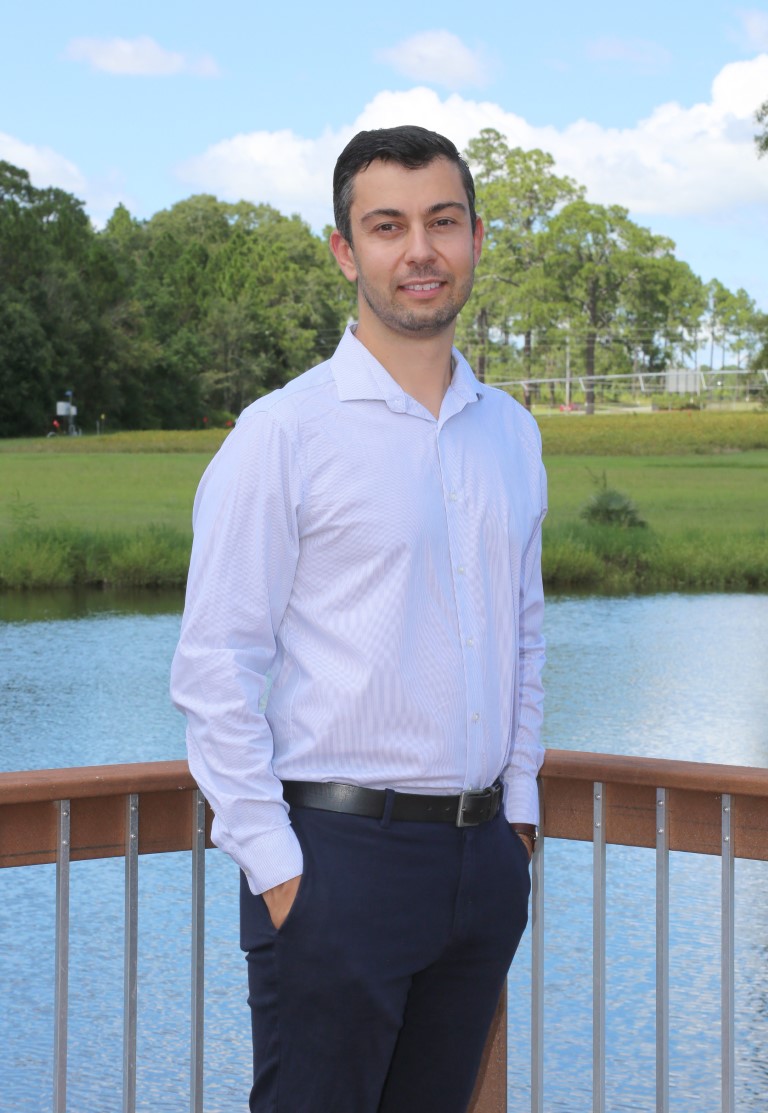
Dr. Angelos Deltsidis is an Assistant Professor in the Department of Horticulture at the University of Georgia’s College of Agricultural & Environmental Sciences (CAES). His role includes serving as a Post-harvest Extension Specialist with a focus on postharvest physiology of fresh produce, particularly fruits and vegetables. He leads research on extending shelf-life through technologies like ozone treatments, modified atmospheres, and storage optimization. His work emphasizes improving marketable quality and reducing postharvest losses. Dr. Deltsidis holds a B.S. in Agriculture & Crop Production (University of Thessaly, 2009), an M.S. in Agribusiness (University of Florida, 2015), and a Ph.D. in Horticulture (University of Florida, 2015). Prior to UGA, he served as an International Postharvest Specialist at UC Davis. His current appointments are divided into 30% research, 65% Extension, and 5% service. His research interests span postharvest technologies, storage environment optimization, and food safety. Notable projects include ozone-based treatments for peaches, photoselective devices for blueberry productivity, and the Container Mini Packhouse for small-scale farmers. He contributes to the CAES Vegetables Team and manages the Vidalia Onion Research Lab in Tifton, GA. Publications highlight his work on berry quality, muscadine grape preservation, and innovative storage solutions. His Extension efforts focus on translating research into practical guidelines for growers, including handling protocols and postharvest best practices. He collaborates on sustainability initiatives to enhance food availability in emerging economies.
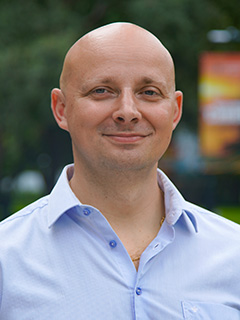
Viktorija Ķēniņa is an Associate Professor at the Department of Biology and Microbiology, Rīga Stradiņš University. Her career spans roles as a Lead Researcher/Scientific Project Manager and Leading Researcher at the same institution. Active in neuroimmunology and biomarker research for neurological disorders Current research focuses on fibromyalgia , Charcot-Marie-Tooth disease , and autoimmune encephalitis Recent publications examine neurofilament light chain (NFL) and GFAP as severity biomarkers in peripheral neuropathies. She contributes to projects exploring microbiome interactions in fibromyalgia and genetic testing for inherited neuropathies. Collaborations include international partnerships in immunological pattern analysis and neurodegenerative disease research. Her work aligns with UN SDG 3.2 (Clinical Medicine) and addresses diagnostic challenges in neurological patient populations.
Sanna-Kaisa Herukka, MD, PhD, is Research Director at the Institute of Clinical Medicine, School of Medicine, Faculty of Health Sciences, University of Eastern Finland. A neurologist and neuroscientist, she leads the Biomarkers for Neurological Disorders group and several multi-disciplinary research teams focusing on fluid biomarkers in Alzheimer’s disease and related dementias. Education MD, University of Eastern Finland, 2011 PhD (Neurosciences), University of Eastern Finland, 2009 MSc (Applied Biotechnology), University of Eastern Finland, 2008 Research Focus Herukka’s work centers on the discovery, analytical validation, and clinical implementation of cerebrospinal fluid and blood-based biomarkers for early detection and differential diagnosis of neurodegenerative diseases. She has particular expertise in Alzheimer’s disease, mild cognitive impairment, frontotemporal lobar degeneration, and idiopathic normal-pressure hydrocephalus. Her team integrates proteomics, metabolomics, neuroimaging, and machine-learning approaches to improve diagnostic accuracy and prognostic stratification. Scientific Output & Trends Across more than 220 peer-reviewed publications, her recent work (2018-2025) demonstrates a clear emphasis on synaptic proteins, phosphorylated tau species (especially p-tau217), neurofilament light chain, and multimodal biomarker panels. Collaborative multinational studies (e.g., Nature Medicine 2025, JAMA Neurology 2022) highlight reproducible biomarker signatures that predict cognitive decline and therapeutic response. Grants & Collaborations She has received continuous competitive funding from the Academy of Finland, EU Joint Programme – Neurodegenerative Disease Research (JPND), and industry partnerships. Current consortium grants support the TWINGEN cohort, FinnGen clinical recall studies, and the UEF Brain Research Unit 2.0 infrastructure. Labs & Teams Herukka directs the UEF Biomarker Laboratory within the Brain Research Unit, which provides ISO-accredited CSF and blood biomarker analyses for academic and clinical trials across Europe. She also co-chairs the Clinical Alzheimer Research group and the NPH & Early AD program, integrating neurosurgery, neurology, and radiology expertise.
Pawel Stanislaw Jung serves as an Assistant Professor in the College of Arts and Sciences at the University of Miami. His research focuses on fundamental phenomena in nonlinear optical systems, with particular emphasis on soliton dynamics, topological effects in photonic structures, and thermodynamic analogies for light propagation. Dr. Jung's primary research areas include: Nonlinear Optics : Investigation of soliton formation, stability, and dynamics in nonlocal media including nematic liquid crystals Topological Photonics : Exploration of edge states, Thouless pumping, and topological protection in photonic lattices Optical Thermodynamics : Studies of photon gas behavior, Joule-Thomson expansion, negative temperature states, and thermodynamic pressure in multimoded systems Non-Hermitian Systems : Analysis of skin effects, exceptional points, and mode localization in laser arrays Liquid Crystal Optics : Utilization of reorientational nonlinearities for optical switching and soliton control Analysis of Dr. Jung's recent publications (2022-2025) reveals a dominant research trajectory centered on thermodynamic frameworks for optical systems, with significant contributions to understanding photon gas behavior under extreme conditions. His work consistently bridges theoretical modeling with experimental verification, particularly in the observation of novel soliton classes and topological phenomena. The publications demonstrate increasing sophistication in manipulating light through non-Hermitian engineering and thermal control mechanisms, suggesting potential applications in optical computing and quantum simulation platforms.
Robert Schulz is a Senior Lecturer and Managing Senior Physician at the University Medical Center Hamburg-Eppendorf (UKE), affiliated with the Faculty of Medicine and Department of Neurology. He serves as Head of the Ultrasound Laboratory and specializes in Neurological Intensive Care. His research focuses on stroke recovery mechanisms, brain connectivity, neuroimaging, and motor disorders. Key areas include structural and functional brain network changes post-stroke, cerebellar contributions to motor control, and neurostimulation therapies. Schulz has contributed to randomized controlled trials on transcranial stimulation for stroke rehabilitation and investigates biomarkers like neurofilament light chain in Parkinson's disease. He collaborates extensively on studies involving diffusion imaging, cortical microstructure, and longitudinal lesion analysis. His work spans clinical neurology, translational research, and neurorehabilitation, with a strong emphasis on enhancing motor function recovery through advanced imaging and targeted interventions. Education & Affiliations: Appointed at the UKE's Head and Neurocenter, his roles include managing clinical and research activities in neurology. He holds an MBA, emphasizing interdisciplinary approaches. Research Focus: Schulz's studies address stroke outcomes, structural brain reserve, cerebellar diaschisis, and the role of parietofrontal networks in motor deficits. His work integrates neuroimaging (diffusion MRI, fMRI) with clinical outcomes to predict and improve rehabilitation efficacy. Grants & Collaborations: Leads or co-authors studies on structural brain networks, funded by collaborative projects involving SFBs (Collaborative Research Centers) and interdisciplinary teams. His research often involves partnerships with institutions like the German Center for Neurodegenerative Diseases (DZNE). Labs & Teams: Oversees the Ultrasound Laboratory and collaborates with neuroimaging and neurorehabilitation groups at UKE. Active in the European Liquid Biopsy Society (ELBS) for translational research in oncology and neurology intersections.
Emily Spaulding is an Assistant Professor affiliated with the Graduate School of Biomedical Science and Engineering at the University of Maine. Her research focuses on understanding the role of biomolecular condensates in neuronal organization and their implications in neurodegenerative diseases. Research Interests: Dr. Spaulding's work centers on biomolecular condensates (BMCs) in neurons, particularly using the nematode C. elegans as a model system. She investigates how BMCs contribute to cellular organization and how their dysfunction may lead to diseases like Alzheimer’s, Parkinson’s, and ALS. Her lab combines CRISPR/Cas9 genome editing with super-resolution imaging to study endogenous gene function in live animals. Publication Trends: Her recent publications highlight a strong focus on neurodegenerative and peripheral neuropathies, especially Charcot-Marie-Tooth disease and tRNA synthetase-related disorders. The research integrates molecular genetics, neurobiology, and translational approaches, often involving collaborations across multiple institutions. Key themes include biomarker discovery, stress response pathways, and therapeutic interventions such as RNA interference and tRNA overexpression. Scientific Awards: No awards mentioned in the provided text. Advising and Grants: While specific students and grants are not listed, Dr. Spaulding leads an active research lab and mentors trainees through the Graduate School of Biomedical Science and Engineering. Her publications indicate extensive collaboration with leading researchers in neurogenetics and peripheral nerve biology, suggesting involvement in major research initiatives and funding projects. Labs and Teams: The Spaulding Lab at the University of Maine utilizes C. elegans and mouse models to explore fundamental mechanisms of neuronal organization and disease. The team collaborates widely, including with researchers at MDI Biological Laboratory and other institutions, contributing to high-impact studies in journals such as Science and Nature Communications .
Professor Martin Koltzenburg holds the Chair of Clinical Neurophysiology within the Clinical and Movement Neurosciences department at University College London's Queen Square Institute of Neurology. His research spans multiple domains of neurophysiology with particular expertise in pain mechanisms, nociception, and neurological disorders. His institutional affiliation with UCL positions him within one of the world's leading neuroscience centers, with additional clinical connections through the NHS. Professor Koltzenburg's research interests center on understanding the mechanisms of nociception and pain, with a particular focus on abnormal sensory neuron sensitivity in acute and chronic pain states. His work bridges laboratory investigations with human clinical research, examining psychophysical consequences of abnormal nociceptor activity. Notably, he has extended this research to pediatric populations, investigating the development of the peripheral nociceptive nervous system from early fetal stages through postnatal maturation. His publication record demonstrates significant contributions to ALS diagnostics, optic neuritis research, and neurophysiological testing methodologies. Analysis of his recent publications reveals a strong emphasis on developing and refining diagnostic tools for neurological disorders, particularly using transcranial magnetic stimulation techniques. His work spans both fundamental neurophysiology and clinical applications, with growing interest in environmental impacts on neurological health as evidenced by his 2024 publication on climate change and nervous system disorders. The research demonstrates consistent collaboration with international teams across multiple institutions. Professor Koltzenburg actively participates in academic training, serving as lecturer and tutor for BSc, MSc, and PhD courses at UCL. He has developed a specialized training program at the Department of Clinical Neurophysiology for medical trainees and clinical physiologists, and offers laboratory and literature projects for both graduate and undergraduate students.