معرفی
Helen M. Blau is the Donald E. and Delia B. Baxter Foundation Professor and Professor in the Department of Microbiology & Immunology at Stanford University, with a courtesy appointment in Psychiatry and Behavioral Sciences. She serves as Director of the Baxter Laboratory for Stem Cell Biology and is a member of multiple interdisciplinary institutes, including Bio-X, the Cardiovascular Institute, Wu Tsai Neurosciences Institute, Stanford Cancer Institute, and the Wu Tsai Human Performance Alliance.
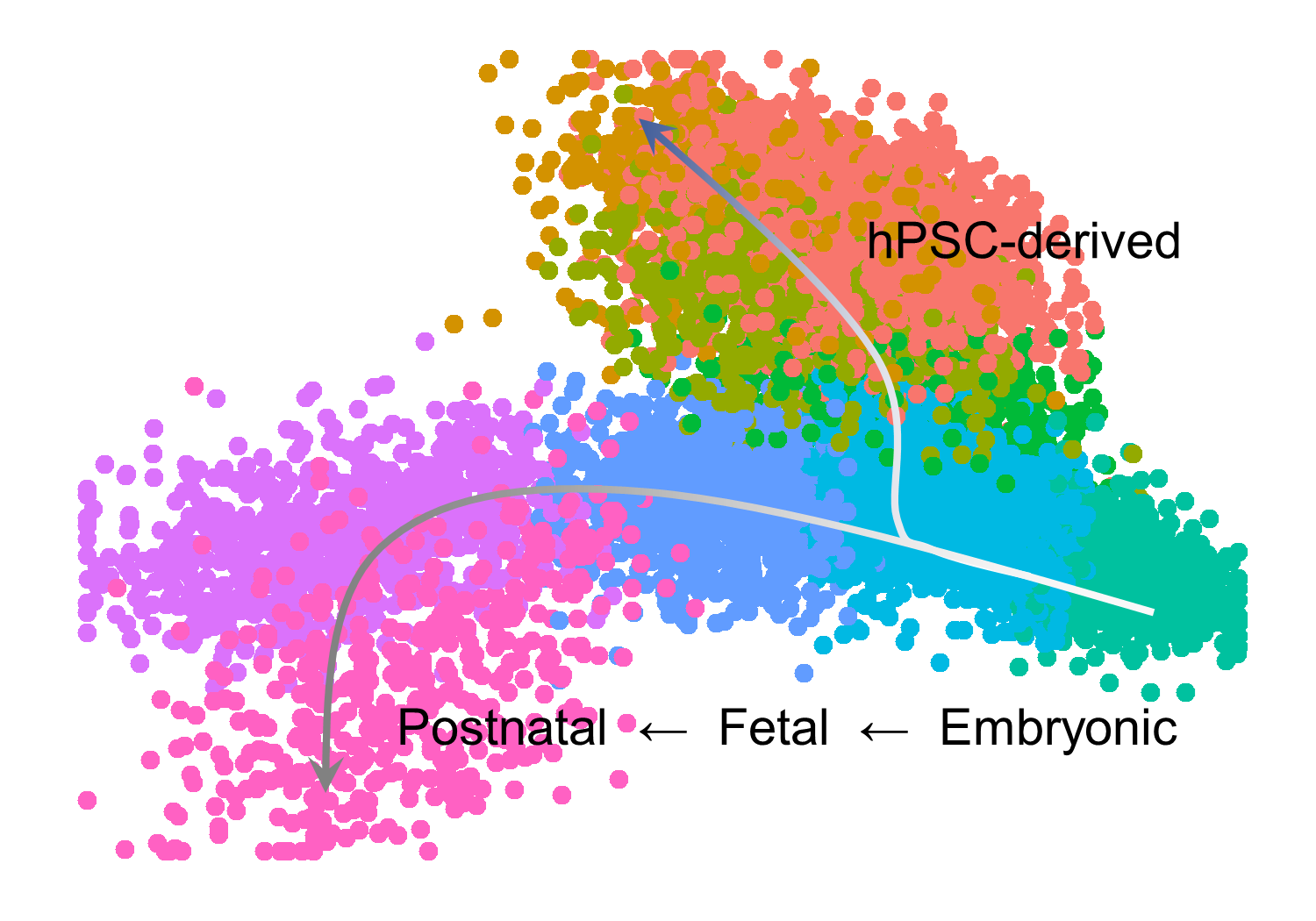
Her research focuses on stem cell biology, cellular reprogramming, muscle regeneration, and aging. Key areas include the role of mechanical and biochemical cues in cell fate decisions, the discovery of 'gerozymes' such as 15-PGDH as drivers of aging, and the development of therapeutic strategies for muscle wasting disorders and fibrosis. Her lab integrates single-cell multiomics, bioengineering, and advanced imaging to study rejuvenation and regenerative mechanisms.
Her recent publications (2023–2025) highlight innovative work in reversing muscle aging with prostaglandin E2, suppressing cardiac fibrosis via mechanosensing inhibition, mapping sex-biased thymic niches, and developing tools for hiPSC-cardiomyocyte analysis. These studies reflect a strong trend toward translational, interdisciplinary research combining molecular biology, computational modeling, and regenerative medicine.
Honors include:
- National Medal of Science (2025)
- Member, Royal Society (2024)
- Member, Austrian Academy of Sciences (2024)
- Member, National Academy of Sciences (2016)
- Member, National Academy of Medicine (1995)
- FASEB Excellence in Science Award (1999)
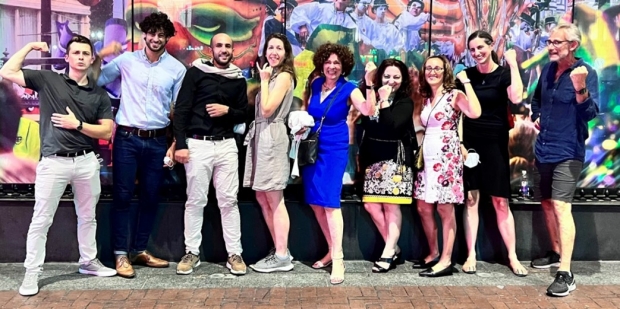
She mentors postdoctoral fellows and graduate students across Bioengineering, Cancer Biology, Genetics, Microbiology & Immunology, Neurosciences, and Stem Cell Biology and Regenerative Medicine programs. Her lab receives major grants from foundations and federal agencies, supporting high-impact research in regenerative medicine. The Blau Lab fosters collaboration among biologists, bioengineers, and computational scientists, with a mission to translate basic discoveries into therapies that improve human health.