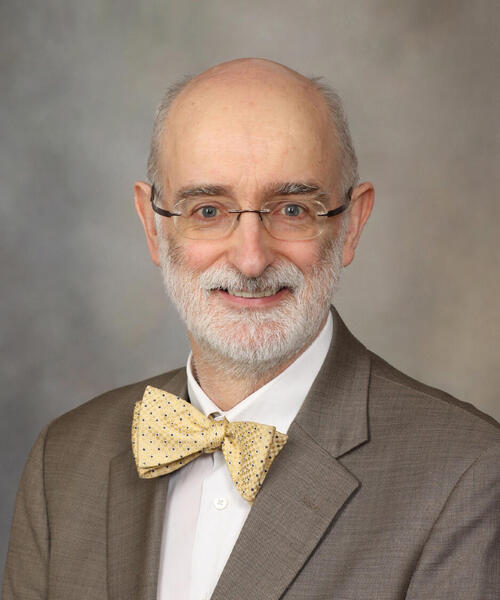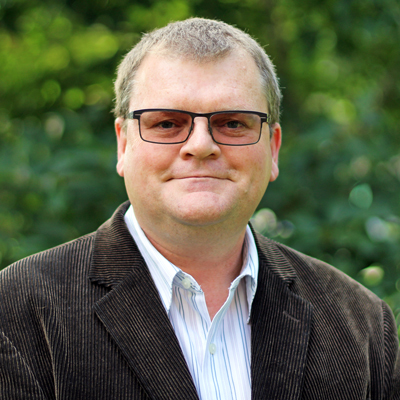
David Booneمشاهده پروفایل
استاد مدعو
David Boone is an Adjunct Professor in the Department of Biology at the University of Notre Dame and a Professor of Microbiology and Immunology at Indiana University School of Medicine – South Bend. His research focuses on the molecular and immunological mechanisms underlying inflammatory bowel diseases (IBD), colon cancer, and obesity, with a strong emphasis on host-microbe interactions, autophagy, and intestinal barrier function. Adjunct Professor of Biology, University of Notre Dame (2021–Present) Professor of Microbiology and Immunology, Indiana University School of Medicine – South Bend (2021–Present) Adjunct Associate Professor, University of Notre Dame (2014–2021) Associate Professor, Indiana University School of Medicine – South Bend (2014–2021) Assistant Professor of Medicine, University of Chicago (2006–2013) Adjunct Assistant Professor, University of California, San Francisco (2004–2006) Education: Ph.D., University of Ottawa (1997) B.Sc., University of Waterloo (1989) Dr. Boone's research explores the role of key regulatory genes such as ATG16L1 and TNFAIP3 in intestinal inflammation and cancer. His lab uses genetically engineered mouse models to investigate how disruptions in autophagy, NF-kB signaling, and epithelial barrier integrity contribute to disease. A major focus is the protective effect of the ATG16L1 Thr300Ala variant in colorectal cancer through enhanced type I interferon production. His recent publications reveal a consistent trend in understanding immune regulation in the gut, particularly how genetic variants influence microbial interactions, epithelial cell function, and anti-tumor immunity. His work bridges molecular immunology, genetics, and microbiome science, contributing to translational insights in IBD and cancer. Scientific Awards: No awards explicitly mentioned in the text. Dr. Boone has advised numerous graduate students and postdoctoral researchers, many of whom have co-authored his publications. While specific grants are not listed, his sustained research output suggests active funding. His work involves collaboration across institutions, including the University of Chicago, UCSF, and various medical research centers. He leads a research lab focused on intestinal immunology, utilizing transgenic mouse models and human cell lines to dissect pathways involved in inflammation, autophagy, and cancer. The lab investigates microbial infiltration, mucus layer integrity, and immune cell responses in genetically susceptible hosts.