Professor Arthur Kaser is a leading academic gastroenterologist and Professor of Gastroenterology at the University of Cambridge. He leads the Gastrointestinal Diseases theme of the NIHR Cambridge Biomedical Research Centre, a partnership between Cambridge University Hospitals and the University of Cambridge. Department of Medicine Cambridge Institute of Therapeutic Immunology & Infectious Disease (CITIID) British Society for Immunology Funding Recipient His groundbreaking research focuses on the mechanisms of Inflammatory Bowel Disease (IBD) , including: Dysregulation of enterocyte cell intrinsic processes causing IBD Genetic polymorphisms linked to disease risk Purine nucleoside metabolism and unfolded protein response Mitochondrial metabolism in immune regulation Role of GPR35 and ORMDL proteins in epithelial homeostasis Recent publications highlight his work across genetic models, metabolic pathways, and clinical trials in IBD, with a focus on: AAV8 gene therapy for mitochondrial disorders ER stress and autophagy in intestinal epithelium Anti-IL-23 therapies (mirikizumab, risankizumab) Polyunsaturated fatty acids in Crohn's disease pathogenesis Scientific honors include: Fellow of the Academy of Medical Sciences (FMedSci) Fellow of the Royal Society (FRS) He collaborates with clinicians and researchers including Dr. James Lee, Dr. Nicole Kaneider, Dr. Trevor Lawley , and Professor Gordon Dougan. His work is supported by the Medical Research Council and institutional grants from the NIHR Cambridge Biomedical Research Centre.
Dr. Tohid Didar is an Associate Professor in Mechanical Engineering and Canada Research Chair in Nano-biomaterials at McMaster University, affiliated with the McMaster School of Biomedical Engineering. His work focuses on bio-functional interfaces, microfluidics, and organ-on-chip technologies for diagnostics and therapeutics. He holds a B.Sc. from Sharif University of Technology (2004), a Ph.D. from McGill University (2013), and a postdoctoral fellowship at Harvard University's Wyss Institute (2016). Education: B.Sc., Sharif University of Technology; Ph.D., McGill University; Postdoc, Harvard University Research: Bio-inspired materials, lab-on-chip devices, antimicrobial coatings, and organ-on-chip platforms for drug discovery and personalized medicine Awards: Canada Research Chair in Nano-biomaterials His lab develops innovative biomedical devices, including self-cleaning menstrual cups (Bfree Cup), bacteriophage-based food decontamination systems, and pathogen-sensing smart fabrics. Recent breakthroughs include rapid bacterial detection via color-changing tests and floral-shaped phages enhancing antimicrobial efficacy. Dr. Didar advises graduate students in biomedical engineering, with notable advisees Akansha Prasad and Shadman Khan. His work spans over 50 peer-reviewed publications and patented technologies in microfluidics and bio-functional interfaces.
Jaap Keijer is a Full Professor and Chairholder in the Department of Human and Animal Physiology at Wageningen University & Research. His research focuses on metabolic physiology, particularly energy metabolism, mitochondrial function, and the interplay between diet, aging, and chronic metabolic diseases. He leads projects investigating nicotinamide nucleotide transhydrogenase (NNT) in energy metabolism, galactose's effects on metabolic programming, and the role of environmental factors like hypoxia in muscle physiology. He serves on the editorial board of Molecular Nutrition and Food Research and advises the German Institute of Human Nutrition. His work integrates molecular, cellular, and whole-organism approaches to understand health and disease mechanisms. Key research themes include metabolic adaptations in obesity, mitochondrial dysfunction in aging, and translational biomarker development for physical activity and metabolic health. Dr. Keijer teaches courses on molecular nutritional physiology, model organisms for lifespan research, and dissection-free human/animal physiology. His projects address clinical challenges such as sarcopenia, atrial fibrillation, and nutrient interventions for metabolic disorders. Recent studies explore dietary galactose's programming effects on intestinal metabolism and the impact of NNT deficiency on cardiac health. His lab employs advanced techniques like single-cell transcriptomics and Seahorse extracellular flux analysis to study metabolic pathways in humans and animal models. Publications emphasize mitochondrial dysfunction, metabolic biomarkers, and translational models for aging and disease. His work bridges basic research and clinical applications, aiming to improve metabolic health through dietary and lifestyle interventions. Current initiatives include developing a human gut-on-a-chip model and validating integrative biomarkers for physical activity in adolescents.
Francesco Neri is a Professor at the Department of Life Sciences and Systems Biology (DBIOS) at the University of Turin, Italy. His research focuses on the epigenetic mechanisms underlying aging and cancer development, particularly in intestinal stem cells. He leads the Epigenetics of Aging & Cancer Lab located at the Molecular Biotechnology Center (MBC) "Guido Tarone" in Turin and maintains collaborations with the Leibniz Institute on Aging – Fritz Lipmann Institute (FLI) in Jena, Germany. Professor Neri's research interests span several interconnected areas related to aging and disease: Epigenetic drift and DNA methylation changes during aging Intestinal stem cell biology and regeneration in aging Inflammaging (age-related chronic inflammation) Gut microbiome dysbiosis in elderly individuals Development of dietary interventions for healthy aging Colon cancer development and epigenetic mechanisms His research group employs cutting-edge technologies including single-cell RNA sequencing, organoid culture systems, and various genome-wide approaches (RNA-seq, ChIP-seq, ATAC-seq, Bisulfite-seq) to investigate the molecular mechanisms connecting aging with intestinal dysfunction and cancer. Recent work has revealed important connections between interferon gamma signaling, intestinal stem cell function, and tissue regeneration in aging. Professor Neri's publication record demonstrates a strong focus on aging, epigenetics, and intestinal biology, with numerous high-impact publications in journals such as Nature Communications, Cell Reports, and Nature Reviews. His work shows a clear trajectory from fundamental epigenetic mechanisms to translational applications in aging and cancer. His research has important implications for developing interventions to improve intestinal health in elderly individuals and potentially prevent age-related diseases including cancer.
Dr. Jason Mills is the Herman Brown Endowed Professor at Baylor College of Medicine, where he serves as Chief of Research and Vice Chief in the Department of Gastroenterology & Hepatology. He is also Co-Director of the Texas Medical Center Digestive Disease Center and Co-Associate Director for Cancer Research Training and Education at the Dan L Duncan Comprehensive Cancer Center. Dr. Mills leads the Mills Lab, which focuses on cellular reprogramming and cancer mechanisms. Dr. Mills received his AB from Washington University in St. Louis (1989), followed by an MD-PhD from the University of Pennsylvania School of Medicine (1997). He completed his postdoctoral fellowship at Washington University Medical Center (2002). Dr. Mills' research centers on paligenosis, a cellular program he identified that allows mature cells to return to a regenerative state. His work explores how this process contributes to tissue repair but also increases cancer risk through the development of precancerous conditions like metaplasia. Using organoid models derived from patient cancer cells and genetic mouse strains, his lab investigates the molecular mechanisms of cellular plasticity in gastric biology, with implications for cancer prevention and treatment. His research integrates cell biology, metabolism, and translational approaches to understand how cells adapt to stressors. Analysis of Dr. Mills' recent publications reveals a strong focus on the molecular mechanisms of paligenosis and its role in gastric metaplasia and cancer development. His work spans basic cell biology investigations of cellular reprogramming to translational studies using patient-derived organoids. Key themes include the role of transcription factors like SOX9, metabolic regulation of cell fate decisions, and the identification of biomarkers for cancer progression. Dr. Mills has received several prestigious awards, including: Excellence in Research and Leadership Award from Baylor College of Medicine (2022) Top Reviewer for Gastroenterology from the American Gastroenterological Association (2022) Membership Induction to the Association of American Physicians (2022) Research Mentor Award from the AGA Institute Council (2022) Dr. Mills currently mentors several graduate students and postdoctoral researchers in the Mills Lab. His research is supported by multiple NIH grants totaling over $30 million, including R01 grants from NCI and NIDDK focused on mechanisms of paligenosis, metaplasia, and gastric cancer development. These grants support investigations into cellular reprogramming, stem cell differentiation, and therapeutic approaches for precancerous lesions. The Mills Lab maintains a collection of organoids derived from patient cancer cells and utilizes advanced techniques including single-cell RNA sequencing and spatial transcriptomics. The lab collaborates with clinicians at Baylor College of Medicine and across the Texas Medical Center to translate basic findings into clinical applications for personalized cancer treatment.
Kyongbum Lee is the Karol Family Professor and Dean of Engineering at Tufts University School of Engineering, where he also serves as Professor in the Department of Chemical and Biological Engineering. His research integrates metabolic engineering, tissue engineering, and systems biology to study cellular metabolism and develop technologies for biomedical applications. Dr. Lee directs a laboratory focused on host-microbe interactions, cell-based bioprocesses, and metabolic regulation in diseases like obesity. Education Ph.D., Massachusetts Institute of Technology, 2002 B.S., Stanford University, 1995 Research Focus Dr. Lee's group employs systems approaches combining experimental and computational methods to investigate how metabolites regulate cellular communication. Current projects examine gut microbiome interactions, metabolic flux in engineered tissues, and development of therapeutic strategies targeting metabolic disorders. The lab specializes in bioreactor systems, metabolomic profiling, and mechanistic studies of metabolite signaling pathways. Publication Trends Recent publications emphasize gut microbiota metabolism, microbial metabolite therapeutics, and engineered tissue models. Work consistently demonstrates translational focus—from computational prediction of metabolic pathways (e.g., flavonoid biotransformation algorithms) to preclinical validation of microbial metabolites in disease models (e.g., steatosis reduction via indole derivatives). Recurring themes include nuclear receptor modulation, HDAC/IFN-γ pathway regulation, and high-throughput screening platforms. Awards Karol Family Professorship (endowed position recognizing scholarly excellence) Research Operations The laboratory actively recruits postdoctoral researchers and graduate students through Tufts' Chemical and Biological Engineering program. Current projects are supported by specialized infrastructure for metabolomics, bioreactor systems, and 3D tissue culture. The team emphasizes interdisciplinary collaboration, particularly at the interface of engineering, microbiology, and translational medicine.
Dr. Carola Venturini is a Lecturer at the Sydney School of Veterinary Science, University of Sydney. Her research focuses on microbiology, antimicrobial resistance (AMR), and bacteriophage therapy with a One Health perspective. She holds a BSc (Hons) from the University of Trieste and a PhD in Molecular Biology from the University of Wollongong. Her work investigates mobile genetic elements in bacterial pathogens and explores bacteriophage applications in animal and human health. Education: BSc (Hons) in Natural Sciences, University of Trieste PhD in Molecular Biology, University of Wollongong Research interests include: Evolution of drug-resistant pathogens Horizontal gene transfer mechanisms Bacteriophage-based interventions Microbiome ecology and antibiotic impacts Recent work highlights bacteriophage translocation in human colonoids, Vibrio harveyi pathogenesis in fish, and MDR Klebsiella pneumoniae clonal spread. Her studies bridge animal, human, and environmental health sectors. Grants include projects on phage formulations for animal infections, AMR surveillance in India, and collaborations with institutions in Germany, UK, USA, and Italy. Labs/Teams: Collaborates with the Westmead Institute for Medical Research and maintains international partnerships through the Sydney Southeast Asia Centre and Charles Perkins Centre.
Dr. Zoi Diamantopoulou is a Beatson Research Fellow at the Cancer Research UK Scotland Institute (School of Cancer Sciences), Glasgow. Previously, she held Senior Postdoctoral Marie Curie Fellowships at ETH Zürich and University of Basel. Her research focuses on the interplay between circadian rhythms and cancer metastasis, particularly through circadian regulation of Circulating Tumour Cells (CTCs). Education: PhD in Cellular Biology (2010), University of Patras, Greece BSc in Biology (2005), University of Patras, Greece Her work employs in vivo mouse models, microfluidics, genetic engineering, and next-generation sequencing to explore how circadian disruptions influence metastatic progression. She also investigates chronotherapy for optimized drug administration and analyzes patient blood samples to identify circadian-related molecular vulnerabilities. Scientific Awards: 2021 Marie Skłodowska-Curie Postdoctoral Fellowship 2018 The BACR Chris Marshall Prize for Cell Signalling Lab Members: Senior Scientific Officer Gurman Pall, PhD Student Sara Ortega.
Alinda Berends is a Researcher and Teacher at the Pharmacology department within the Faculty of Science at Utrecht University . Her work bridges virology, immunology, and glycobiology.
Eileen M. Barry serves as Professor in the Department of Medicine at the University of Maryland School of Medicine, with secondary appointments in Medical and Research Technology and Microbiology and Immunology. She directs education for the Center of Vaccine Development & Global Health, leading research on vaccines against enteric pathogens and biodefense threats. Her academic background includes: B.A. in Biology from University of Delaware (1985) Ph.D. in Microbiology and Immunology from Virginia Commonwealth University Medical College of Virginia (1991) Postdoctoral Fellowship at University of Maryland School of Medicine Center for Vaccine Development (1992-1994) Postdoctoral Fellowship at University of Maryland School of Medicine Center for Vaccine Development (1994-1996) Dr. Barry's research focuses on oral live attenuated vaccines targeting Shigella , enterotoxigenic E. coli (ETEC), and Francisella tularensis . Her work spans pathogen engineering, host-pathogen interactions, and clinical translation, with emphasis on pediatric and military applications. Key methodologies include human enteroid models, BSL3/ABSL3 pathogenesis studies, and immunogenicity assessment. Recent publications reveal a strategic shift toward multivalent platforms and advanced organoid systems for predicting human immune responses. Her scientific recognition includes: University System of Maryland PROMISE Alliance Outstanding Faculty Mentor (2015) Faculty Teacher of the Year Award (2011) Teaching Commendation in Host Defenses (2009/2012) As a dedicated mentor, Dr. Barry has served on Graduate Student Admissions Committees since 2007 and received special recognition for advancing underrepresented STEM students. Her substantial NIH funding portfolio includes: P01AI125181: Pathogenesis of E. Coli and Shigella in Human Enteroid Models (2016-2021) R01AI125841: Serological Assays for Shigella Vaccine Efficacy (2016-2021) R01AI123129: Tularemia Vaccine Protection Correlates (2016-2021) Her laboratory operates BSL2/3 and ABSL2/3 facilities, integrating genetic engineering, organoid models, and genomics to dissect enteric pathogenesis and accelerate vaccine development for global health impact.
Marcelo B. Sztein, MD is a tenured Professor of Pediatrics at the University of Maryland School of Medicine (UMSOM). Since 1989 he has been a key leader within the Center for Vaccine Development (CVD) , serving as Chief of the Cellular Immunology and Flow Cytometry Section, founder of the CVD Immunology Group, and—since 2010— Associate Director for Immunologic Research . He holds secondary appointments in the Departments of Medicine and Microbiology & Immunology and directs the CVD Flow & Mass Cytometry Core that supports campus-wide cutting-edge single-cell analysis. Education & Training High School #4, Nicolás Avellaneda, Argentina — B.S., Biology, 1970 University of Buenos Aires School of Medicine — M.D., 1976 National Research Council, Argentina — Fellow, Immunology, 1976–1979 National Institutes of Health — Visiting Fellow, 1979–1982 George Washington University Medical Center — Research Fellow, Cancer Research Laboratories, 1982–1983 Research Focus Dr. Sztein is an internationally recognized authority on the immunology of infectious diseases , with emphasis on mucosal and systemic immunity elicited by vaccines. His work deciphers human host responses to Salmonella Typhi/Paratyphi, Shigella , ETEC, Plasmodium falciparum , dengue virus, Ebola virus, H. pylori , and influenza. Using controlled human infection models, non-human primates, and novel organotypic intestinal models, his laboratory identifies correlates of protection, dissects multifunctional T-cell subsets (CD4⁺, CD8⁺, MAIT, regulatory T cells), and explores how the gut microbiome modulates vaccine-induced immunity. Current projects under the NIH-funded Cooperative Center for Human Immunology (CCHI) integrate multi-omics , single-cell mass cytometry (CyTOF) , and high-dimensional flow cytometry to accelerate rational vaccine design. Recent Publication Trends Between 2014 and 2016 Dr. Sztein’s group published >25 high-impact papers that collectively advance three major themes: (1) elucidating multifunctional T- and B-cell signatures associated with protection following typhoid and Shigella vaccination; (2) applying controlled human infection models to rigorously benchmark new vaccines; and (3) pioneering 3-D organotypic intestinal cultures and mass cytometry panels to study mucosal responses at single-cell resolution. These studies are shaping the next generation of enteric vaccines for global health. Grants & Funding Leadership Principal Investigator, NIH U19-AI082655 “Mucosal and Systemic Immunity, Vaccines and Microbiota Interplay in Humans” (2014–2019) Principal Investigator, NIH R01-AI036525 “Immune Mechanisms of Protection in S. Typhi Vaccines” (2013–2018) PI Research Project 1, NIH U19-AI109776 “Immunoprophylactic Strategies to Control Emerging Enteric Infections” (2014–2019) PI of Immunology Core, NIH U19-AI110820 “Host, Pathogen, and the Microbiome” (2014–2019) Senior Immunologist, VTEU Contract HHSN2722013000221 (2013–2023) Laboratory PI, HHSN27200012 & HHSN27200010 cytokine/immune-phenotyping service contracts Co-Director of Immunology, T32-AI07524 Training Grant (2013–2018) Laboratory & Core Facilities Dr. Sztein directs the CVD Flow and Mass Cytometry Core , housing state-of-the-art BD LSR-II, Beckman-Coulter Astrios EQ cell sorter, Fluidigm CyTOF 1, and CyTOF Helios instruments. The core supports up to 19-parameter cell sorting and 35-plus-parameter mass cytometry, enabling investigators across UMSOM and collaborating institutions to perform advanced single-cell multi-omics studies under BSL-2/3 containment.
Elizabeth Videlock, M.D., Ph.D. is an Assistant Professor of Medicine at the David Geffen School of Medicine , University of California, Los Angeles (UCLA) . Her laboratory is housed within the UCLA Center for Inflammatory Bowel Diseases and she leads the Videlock Laboratory . She is a physician-scientist with dual training in internal medicine and gastroenterology, and a Ph.D. in translational research focused on the gut-brain axis. Education and Training: B.S., Chemistry – Yale University M.D. – David Geffen School of Medicine at UCLA Internal Medicine Residency – Beth Israel Deaconess Medical Center, Boston Gastroenterology Fellowship – UCLA STAR Program Ph.D. – UCLA, under mentorship of Dr. Charalabos Pothoulakis and Dr. Lin Chang Research Focus: Dr. Videlock’s research centers on the gut-brain axis , with a particular emphasis on Parkinson’s disease and irritable bowel syndrome (IBS) . Her lab uses clinical samples, animal models, and cell-based systems to investigate how gastrointestinal dysfunction contributes to neurological disease. Key areas include mitochondrial dysfunction in the gut epithelium, alpha-synuclein pathology, and the role of genes like PINK1 and PRKN in intestinal health. Scientific Awards and Honors: NIH-NIDDK K08 Grant Award (2024) UCLA CTSI KL2 Translational Science Award (2023) Chan Zuckerberg Initiative Neurodegeneration Challenge Grant American Gastroenterological Association (AGA) FORWARD Scholar Funding and Grants: NIH-NIDDK K08: “Intestinal Mitochondrial Dysfunction and the Gut-Brain-Immune Axis in Models of Parkinson’s Disease” UCLA CTSI KL2: “Parkinson's Disease May Begin in the Gastrointestinal Tract” Chan Zuckerberg Initiative: “The Role of Pink1/Parkin in the Intestinal Epithelium” CURE Pilot and Feasibility Grant UCLA Claude Pepper Rapid Pilot Award Laboratory and Affiliations: Dr. Videlock leads the Videlock Laboratory within the UCLA Center for Inflammatory Bowel Diseases . She is also affiliated with the UCLA G. Oppenheimer Center for Neurobiology of Stress and Resilience and the UCLA Vatche and Tamar Manoukian Division of Digestive Diseases .
Wen Lu, PhD is a Research Assistant Professor in the Department of Cell and Developmental Biology at Northwestern University's Feinberg School of Medicine. Her primary research focuses on cytoskeletal regulation and molecular motor coordination in super-large cells including oocytes and neurons, utilizing Drosophila melanogaster as a model organism. She employs high-resolution live microscopy, genetic engineering, optogenetics, and pharmacological manipulations to investigate microtubule and F-actin dynamics in cellular development and regeneration. Her educational background includes a BS from Peking University (2004) and a PhD from The University of Chicago (2010), followed by postdoctoral training at Northwestern University Feinberg School of Medicine. Dr. Lu maintains active affiliations with the American Society for Cell Biology (2019-2024) and the Genetics Society of America (2022-2023), and serves on the FlyBase Community Advisory Group since 2014. Research interests center on cytoskeletal dynamics in cellular polarization, with particular emphasis on oocyte specification, growth mechanisms, and neuronal regeneration after injury. Her work bridges developmental biology and neurobiology through innovative imaging techniques that reveal molecular transport mechanisms in cellular systems. Current investigations explore microtubule movement regulation and the interplay between cytoskeletal elements during critical developmental processes. Publication trends demonstrate strong interdisciplinary focus spanning cell biology, neurobiology, and imaging sciences, with recent work increasingly incorporating translational elements in ophthalmology and oncology. Her articles reveal consistent methodological innovation in live-cell imaging and genetic manipulation techniques applied to fundamental biological questions. Winner 2025 Drosophila Art Contest, The FlyStuff / Genesee Scientific Team Winner of CDB Graphic Design Contest, CDB Special Events Committee (2024) Winner in Category 2, Microscopy Image Competition 2024, ProteinTech Group 2nd Prize in Published Category, Microscopy Today Micrograph Awards (2024) BINA 2022 Image Contest- People's Choice Award, BioImaging North America Dr. Lu serves on the FlyBase Community Advisory Group and maintains industry relationships including ownership in Quantum Music LLC. Her laboratory work integrates advanced microscopy with genetic models to address fundamental questions in cellular organization, with potential implications for understanding developmental disorders and neurodegenerative conditions.
Prof. G. Dijkstra is a faculty member at the University of Groningen's Faculty of Medical Sciences, affiliated with the Nutrition Research in Medicine (NiM) department. His academic rank is Professor. He specializes in inflammatory bowel disease (IBD), Crohn's disease, and transplantation medicine. His research focuses on diet-nutrition interactions, biomarker discovery, and clinical outcomes in gastrointestinal disorders. He has been recognized with the Inspirator Prize (2024) from the Dutch Society 100%. Research interests include IBD pathophysiology, dietary impact on disease activity, and post-transplantation outcomes. Key collaborations include the Dutch Initiative on Crohn and Colitis (ICC) and the Groningen Institute for Organ Transplantation (GIOT). His work spans over 400 publications, emphasizing translational research and clinical applications. Recent studies explore biomarkers in pregnancy with IBD, dietary patterns predicting flares, and cellular signatures in intestinal grafts. He leads multidisciplinary teams addressing inflammation, oxidative stress, and surgical outcomes. Key articles from 2025 include diet-quality studies, Vedolizumab case reports, and risk stratification models for Crohn's recurrence. His work bridges basic science and clinical practice, with a focus on improving patient outcomes through personalized approaches.
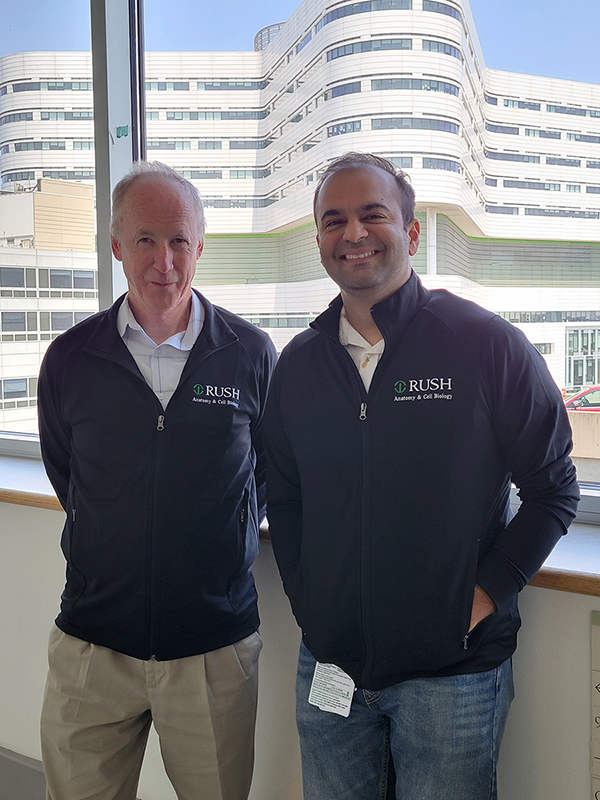
D. Rick Sumner, PhD, serves as Professor and Chair of the Department of Anatomy & Cell Biology at Rush Medical College, Rush University, and directs the Rush MicroCT and Histology Core. With over 30 years of continuous research funding from major institutions including NIH, DoD, NASA, and industry partners, his work has established him as a leading researcher in bone biology and orthopedic biomechanics. His laboratory maintains active collaborations with research groups both within Rush and internationally. Dr. Sumner's research focuses on fundamental aspects of bone biology with direct clinical applications. His primary areas of investigation include bone regeneration mechanisms, orthopedic implant fixation, and the role of bone in osteoarthritis pathogenesis. Specific projects examine the genetics of bone regeneration, effects of premature birth on postnatal bone development, early detection of particle-induced peri-implant osteolysis, and cartilage-bone interactions in osteoarthritis. His lab employs advanced imaging techniques including micro-computed tomography, backscatter scanning electron microscopy, and Fourier transform infrared spectroscopy, complemented by histology, mechanical testing, and biomarker analysis. Analysis of Dr. Sumner's recent publications reveals a strong interdisciplinary approach spanning bone biology, immunology, microbiome research, and circadian rhythms. His work demonstrates how bone health intersects with systemic conditions including inflammatory bowel disease, circadian disruption, and premature birth. The research consistently applies sophisticated imaging and analytical techniques to understand bone-implant interfaces and develop improved diagnostic and therapeutic approaches for orthopedic conditions. Dr. Sumner serves as Principal Investigator or Multiple Principal Investigator on multiple NIH grants including R01AR080118 (bisphosphonates and bone matrix), R01AR079179 (systems genetics of bone regeneration), R21HD102026 (bone health in formerly premature individuals), and P30AR079206 (Chicago Center on Musculoskeletal Pain). He has mentored numerous postdoctoral fellows including Frank Ko, PhD, and Brittany M. Wilson, PhD, who continue research in bone regeneration and implant osteolysis. Dr. Sumner's laboratory operates as the Laboratory of D. Rick Sumner within the Department of Anatomy & Cell Biology at Rush University Medical Center. The lab maintains the Rush MicroCT and Histology Core, providing advanced imaging capabilities for bone and implant research. His team includes bioinformaticians, postdoctoral researchers, and technical staff working collaboratively on multiple projects related to bone regeneration, implant fixation, and osteoarthritis mechanisms.