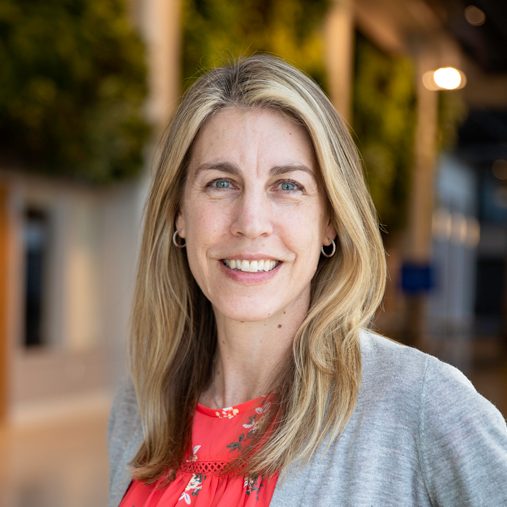
Irah King is a Professor at the Department of Microbiology and Immunology , Faculty of Medicine and Health Sciences, McGill University , and a Senior Scientist at the RI-MUHC (Glen site) within the Translational Research in Respiratory Diseases Program and the Centre for Translational Biology . Her work focuses on understanding immune cell communication in barrier tissues like the intestine, lung, and skin, particularly in the context of Protective immune responses Chronic inflammatory disorders Microbiota-immune system interactions .
Professor Vanni Bucci is a faculty member at the UMass Chan Medical School in the Department of Microbiology, with an adjunct appointment at the University of Massachusetts Dartmouth. His research focuses on host-microbiome interactions through computational biology, synthetic biology, and systems biology approaches. He received education at the University of Florence (BS Environmental Engineering) and Northeastern University (MS/PhD Civil Engineering), followed by postdoctoral work at Memorial Sloan-Kettering Cancer Center. Current research spans microbiome engineering , immune modulation , and antimicrobial discovery , with recent publications on microcins, gut-brain axis dynamics, and tuberculosis microbiome interactions. Host-microbiome interactions Synthetic biology applications Computational modeling of microbiomes Antimicrobial peptide engineering His lab develops bioinformatic tools like MDITRE for microbiome prediction, while recent articles demonstrate expertise in Clostridioides difficile colonization resistance, Enterobacteriaceae inhibition, and Alzheimer's disease microbiome connections. Collaborations span institutions including Weill Cornell, NIH, and Gates Foundation. Scientific Awards & Funding NIH U01 grant ($2.9M) for intestinal barrier-targeted therapeutics Bill & Melinda Gates Foundation grant for microbiome intervention methods Department of Defense funding for ESBL-PE eradication
Shannon Lennon is a Professor in the Department of Kinesiology & Applied Physiology at the University of Delaware's College of Health Sciences. Her research focuses on cardiovascular physiology, aging, oxidative stress, and the impact of nutritional interventions and exercise on cardiovascular health. She leads the Cardiovascular Nutrition Research Laboratory, investigating dietary nutrients' effects on cardiovascular health and gut microbiome interactions. Dr. Lennon holds a PhD in Exercise Physiology from the University of Florida (2003), an MS in Nutritional Sciences from the University of Connecticut (1997), and a BS in Nutritional Sciences from the University of Connecticut (1993). She completed a postdoctoral fellowship in Cardiology at the Whitaker Cardiovascular Institute, Boston University Medical School (2003-2005). She is a Registered Dietitian and Licensed Dietitian/Nutritionist in Delaware since 1995. Her research interests include dietary sodium and potassium's role in blood pressure regulation, vascular function, and oxidative stress. She has published extensively on topics like the effects of high-sodium diets, antioxidant interventions, and dietary patterns on cardiovascular outcomes. Her work emphasizes translating nutritional science into clinical practice to improve cardiometabolic health. Dr. Lennon has received awards such as the 2014 Outstanding Dietitian of the Year (Delaware Academy of Nutrition and Dietetics) and the 2003 Young Investigator Recognition Award (American Physiological Society). She is active in professional organizations, including the Academy of Nutrition and Dietetics and the American Physiological Society. Her lab explores cutting-edge areas like the gut microbiome's interaction with dietary sodium and potassium, and the long-term health implications of athletic careers. She collaborates on studies addressing former athletes' midlife health challenges and the role of nutrition in mitigating cardiovascular risks.
Dr. Stephen Mansbridge is a Reader in Animal Science and Bioinformatics at Harper Adams University, specializing in monogastric nutrition and livestock production systems. He leads the Pig, Poultry & Aquatic Animals Group within the Animal Science Research Centre and holds roles on key university committees including the Research Degrees Committee and Animal Welfare Ethics Review Body (AWERB). His research emphasizes enzyme and probiotic applications in animal feed, sustainable protein sources, and gut health mechanisms in poultry and pigs. Education: BSc (Hons) in Agriculture and PhD in Animal Science (pig nutrition) from Harper Adams University, supported by the Silcock Fellowship. Professional qualifications include Chartered Biologist (CBiol), Chartered Scientist (CSci), and Registered Animal Scientist (R.Anim.Sci.). He is an Advance HE Senior Fellow with extensive teaching experience in livestock production science, research skills, and postgraduate veterinary pharmacy courses. Research interests span enzyme-mineral interactions, pre/probiotic efficacy, and alternative feed ingredients like insect meal. Recent work focuses on phytase super-dosing in pigs and straw bedding's impact on nutrient digestibility. He actively contributes to industry initiatives through the Pig Health and Welfare Council’s Food Safety Subgroup and as a STEM Ambassador. Key achievements include the Silcock Fellowship and over 200 peer-reviewed publications on feed formulation, gut health, and sustainable practices. His teaching spans foundational to master’s levels, with modules on animal production science and research methodologies. He also serves as an external examiner at Canterbury Christ Church University. Professional memberships include the British Society of Animal Science, Royal Society of Biology, and Laboratory Animal Science Association. His work bridges academic research with industry applications, particularly in enhancing animal welfare and reducing environmental footprints through innovative feeding strategies.
Katherine A. Fitzgerald, PhD , is Professor and Vice Chair of Medicine at the University of Massachusetts Chan Medical School , where she also serves as Chief of the Division of Innate Immunity and holds the Worcester Foundation for Biomedical Research Chair III . She is cross-appointed in multiple graduate programs at the Morningside Graduate School of Biomedical Sciences , including Immunology and Microbiology, Translational Science, MD/PhD, and Post-baccalaureate Research Education. Education B.Sc. in Biochemistry, University College Cork, Ireland (1995) Ph.D. in Biochemistry, Trinity College Dublin, Ireland (1999) Research Focus Dr. Fitzgerald’s work is centered on the molecular basis of innate immunity , dissecting how nucleic-acid sensors, inflammasomes, and long non-coding RNAs orchestrate inflammatory responses during infection and in chronic inflammatory diseases. Her laboratory aims to translate these insights into therapeutic strategies for infectious, autoimmune, and autoinflammatory disorders. Scientific Honors Member, National Academy of Sciences (USA) Member, National Academy of Medicine (USA) Member, Royal Irish Academy Fellow, American Academy of Microbiology Thermo-Fisher Meritorious Career Award (2022) Saint Patrick’s Day Medal (2015) Milstein Award for Excellence in Interferon and Cytokine Research (2014) Leadership & Service Past President of the International Cytokine and Interferon Society, she serves on national advisory boards including NIAID’s Board of Scientific Councillors and the Massachusetts Center for Pathogen Readiness. Laboratory & Training Her Fitzgerald Lab (Program in Innate Immunity) welcomes graduate rotation students; interested applicants should contact Kate.Fitzgerald@umassmed.edu .
Konstantinos Mountzouris is a Professor at the Department of Animal Science, Agricultural University of Athens (AUA). He holds a PhD in Food and Agricultural Biotechnology from the University of Reading, UK, and has extensive experience in postdoctoral research and academic roles including Lecturer, Assistant Professor, and Associate Professor at AUA and Harokopio University. His primary affiliation is with AUA's Laboratory of Nutritional Physiology & Feeding, where he focuses on research and teaching. Education: Bachelor's Degree in Agriculture, Department of Animal Science, AUA (1994) Postgraduate Diploma in Food and Agricultural Biotechnology, University of Reading, UK (1995) PhD in Food and Agricultural Biotechnology, University of Reading, UK (1999) Research interests center on animal and human nutrition, particularly the effects of bioactive components (probiotics, prebiotics, phytogenics) on gut health, microbiota composition, and physiological functions. He investigates alternatives to antibiotic growth promoters, enzyme technology, and dietary strategies to enhance antioxidant capacity and intestinal barrier function. His work often involves nutrigenomic approaches to study gene expression related to immune responses, oxidative stress, and nutrient absorption. Recent articles highlight trends in phytogenic feed additives, gut microbiota modulation, mycotoxin mitigation, and sustainable utilization of by-products in feed formulation. These studies emphasize natural solutions for improving animal productivity while reducing environmental impact. Scientific awards section remains empty as no honors or fellowships were explicitly mentioned in the provided texts. Mountzouris has collaborated extensively with researchers like Paraskeuas V and Fegeros K on projects funded by institutions such as the EU's antibiotic growth promoter alternatives initiative. His research extends to multidisciplinary areas including human dietary patterns (e.g., Mediterranean diet studies) and insect husbandry (e.g., Hermetia illucens bioconversion). Labs and teams: He is associated with the Laboratory of Nutritional Physiology & Feeding at AUA, contributing to its research activities, infrastructures, and extension services. His work often involves collaborations across multiple departments and international partners, reflecting his role in bridging academic research with practical applications in animal production and food safety.
Wendy A. Goodman, PhD is an Assistant Professor in the Department of Pathology at the Case Western Reserve University School of Medicine . She is also a Member of the Immune Oncology Program at the Case Comprehensive Cancer Center. Her research focuses on the role of steroid hormones (e.g., estrogens, androgens, progesterone) in immune regulation, particularly in mucosal tissues (e.g., intestinal mucosa) and maternal-fetal interface tissues (e.g., decidua). She employs preclinical mouse models and primary human cells/tissues to study mechanisms underlying immune homeostasis, chronic inflammation, and autoimmunity. Dr. Goodman’s education includes a Bachelor of Arts in Biology (2001) and a PhD in Pathology/Immunology (2010), both from Case Western Reserve University. Her research interests emphasize non-classical roles of sex hormones in adaptive and innate immune responses, including T-cell differentiation, regulatory T cell function, and immune cell/epithelial crosstalk. She investigates how local environmental cues in the gut and pregnancy tissues shape protective vs. pathogenic immune responses. Her work is supported by significant grants including an NIH/NIDDK R01 (2021-2026) and the March of Dimes Ohio Collaborative (2020-current) . Notable awards include the Michael E. Lamm Teaching Award (2018) and multiple Best Abstract Awards at conferences like FASEB GI Summer Conference (2017) and Advances in IBD (2015). She collaborates with institutions like Cincinnati Children’s Medical Center on pregnancy-related immune studies. Dr. Goodman has advised numerous research projects but no formal students are listed. Her lab actively explores estrogen/progesterone crosstalk during pregnancy, hormonal control of myeloid cells, and mechanisms driving IBD sexual dimorphism. Professional memberships include the American Association of Immunologists, Crohn’s and Colitis Foundation, and American Gastroenterological Association.
Margaret Hostetter is an Adjunct Professor at Yale University's School of Medicine, serving as Physician-in-Chief at Yale-New Haven Children's Hospital and Chair of the Department of Pediatrics since 2002. She leads the Yale Child Health Research Center and specializes in pediatric infectious diseases, particularly Candida albicans and Streptococcus pneumoniae. Her research focuses on fungal pathogenesis, biofilm formation, and mechanisms of host invasion. Hostetter holds five patents and has received prestigious awards including membership in the National Academy of Sciences' Institute of Medicine. Education: Fellowship: Boston Children's Hospital, Harvard (1980) Residency/Internship: Boston Children's Hospital, Harvard (1978) Research Interests: Hostetter’s work explores Candida albicans pathogenesis, including adhesion, biofilm inhibition (e.g., via statins), and interactions with the gastrointestinal tract. Her lab investigates mitochondrial proteome roles in fungal morphogenesis and E-cadherin cleavage mechanisms disrupting intestinal barriers. Grants & Activities: Program Director, NIH-funded Pediatric Scientist Development Program NIH Peer Review Member (2008–2011) Former Chair, Division of Pediatric Infectious Diseases, University of Minnesota Awards: E. Mead Johnson Award for Pediatric Research Institute of Medicine Membership (2001) NIH Blue Ribbon Panel Appointment (2003) Labs/Teams: Directs the Yale Child Health Research Center, focusing on translational pediatric research and mentoring physician-scientists.
Lucie Peduto is a Principal Investigator and Structure Manager at the Institut Pasteur in Paris, where she leads a research team investigating the role of stromal and perivascular cells in immunity, inflammation, regeneration, and cancer. Her work focuses on understanding how the stromal microenvironment regulates intestinal homeostasis, tumor progression, and immune responses. Her research interests include: Cancer biology and tumor microenvironment Intestinal immunity and barrier function Mesenchymal and perivascular stromal cells Inflammation and fibrosis Regenerative mechanisms and tissue repair Immune cell-stromal cell crosstalk The recent publications highlight a strong focus on stromal regulation in immunity and cancer, with particular emphasis on PDGFRα+ mesenchymal cells, intestinal barrier integrity, and macrophage interactions. Her work integrates genetic models, organoid systems, and immunological assays to dissect molecular and cellular mechanisms in vivo. Scientific awards and recognitions: ERC Proof of Concept Grant 2023 Dr. Peduto supervises several postdoctoral fellows and PhD students, indicating an active mentoring and training role. She leads multiple funded projects, including ERC-CoG-PERIF on perivascular cells in inflammation and regeneration. Her research is supported by major initiatives at the Institut Pasteur, including the Cancer Initiative and stem cell programs. She collaborates with other leading immunologists and cell biologists at the institute and internationally.
Noemi Stefanía Csaba is a Professor at the University of Santiago de Compostela, affiliated with the Department of Pharmacology, Pharmacy and Pharmaceutical Technology within the Faculty of Pharmacy. She is also part of the Center for Research in Molecular Medicine and Chronic Diseases (CIMUS). Her research focuses on nanotechnologies applied to drug delivery systems, particularly in the development of gene therapy carriers, vaccines, and targeted therapies for cancer and infectious diseases. She earned her PhD in 2005 with a thesis on genetic vaccine delivery systems under the supervision of Dr. María José Alonso Fernández and Dr. Alejandro Sánchez Barreiro. Her research interests encompass nanomedicine, biomaterials engineering, and mucosal drug delivery. She has pioneered studies on protamine nanocapsules, chitosan-based systems, and polyphosphazene derivatives for targeted drug delivery. Her work addresses challenges in overcoming biological barriers (e.g., nasal-to-brain, pulmonary, intestinal) and enhancing therapeutic efficacy through nanoparticle design. Notable contributions include the development of semisynthetic pneumococcal nanovaccines, hybrid peptide-polymer platforms for cancer immunotherapy, and lymphatic-targeted anticancer nanocarriers. Her articles highlight advancements in gene delivery for glioblastoma, ocular tumor treatment, and macrophage-targeted pulmonary therapies. While no specific awards are listed, her prolific publication record (spanning 2002–2025) reflects sustained innovation in pharmaceutical nanotechnology. She collaborates widely on projects integrating biomaterials, molecular medicine, and translational drug delivery systems. Her lab (NANOBIOFAR research group) focuses on translational nanomedicine, emphasizing practical applications such as ready-to-use dry powders for pulmonary delivery and plant-derived sporopollenin microcapsules for drug encapsulation. Current work includes optimizing nanoparticle stability, improving vaccine adjuvants, and addressing barriers in intestinal and transmucosal drug absorption.
Prof. Dr. Claus-Michael Lehr is a faculty member at Saarland University, affiliated with the Faculty of Natural Sciences and Technology and the Department of Pharmaceutical Science. He holds the Professorship for Biopharmacy and Pharmaceutical Technology and leads a research group at the Helmholtz-Institut für Pharmazeutische Forschung Saarland (HIPS) in Saarbrücken, Germany. His research focuses on biological barriers and advanced drug delivery systems . Key areas include the use of epithelial cell cultures from the intestine, lung, skin, and eye to model drug absorption and barrier function. His team investigates transport mechanisms of active substances across these barriers and develops modern delivery vehicles such as nanoparticles and liposomes , with applications in pulmonary delivery, targeted intestinal therapy, and non-viral gene transfer. The research also emphasizes predicting drug absorption , assessing biocompatibility , understanding clearance processes , and advancing in vitro models to replace animal experiments. This work contributes significantly to optimizing drug formulations for improved efficacy and safety. The absence of recent publications in the provided text limits trend analysis, but the focus areas suggest strong interdisciplinary work at the intersection of pharmaceutics, nanotechnology, and cellular physiology. Scientific Awards: No awards mentioned in the provided text. Prof. Lehr leads an active research group at HIPS, where he supervises scientific projects and likely mentors graduate students, though no specific advisees are listed. There is no mention of external grants, but his affiliation with Helmholtz suggests involvement in nationally funded research programs. His work contributes to translational pharmaceutical research with a strong ethical emphasis on reducing animal experimentation. The research group operates within the Helmholtz-Institut für Pharmazeutische Forschung Saarland (HIPS), specifically in the Department of Drug Delivery (Abteilung Wirkstofftransport), located on the Saarland University campus. This collaborative environment integrates academic and applied pharmaceutical research, leveraging institutional partnerships for innovation in drug development.
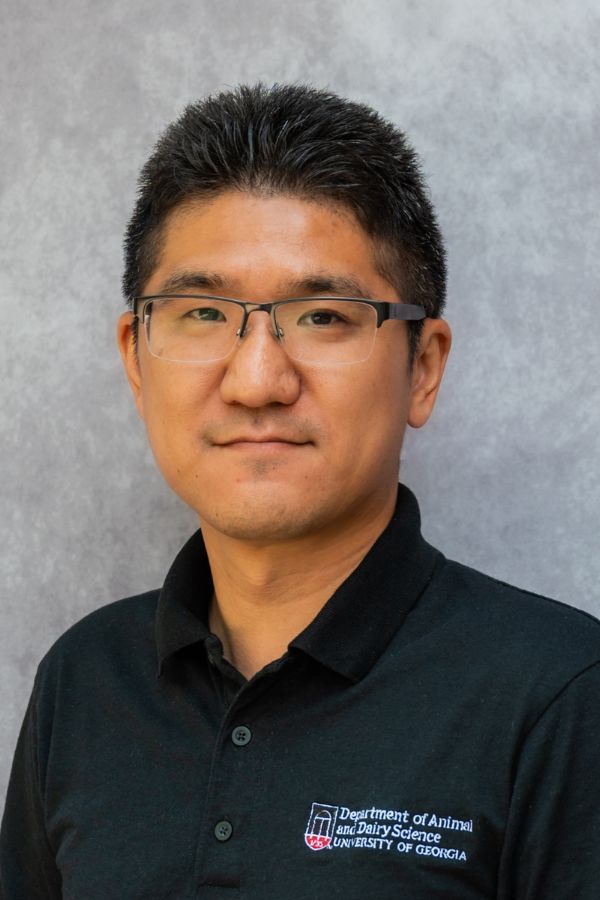
Young Dal Jang is an Assistant Professor in the Department of Animal and Dairy Science at the University of Georgia (UGA) since 2023. His research focuses on non-ruminant nutrition, particularly swine, investigating feed additives, vitamin/mineral strategies, and gut health optimization for weaning pigs and sows. PhD in Animal Sciences from Seoul National University (2012) Postdoctoral Scholar at University of Kentucky (2012–2017) Assistant Professor at University of Wisconsin-River Falls (2017–2023) Dr. Jang's research addresses critical challenges in swine production, including postweaning diarrhea prevention, antibiotic reduction, and reproductive efficiency. His work emphasizes vitamin A/D/E , iron and selenium supplementation , probiotic efficacy , and non-starch polysaccharide-degrading enzymes to enhance immunity, gut integrity, and nutrient utilization. Recent publications highlight trends in medium-chain fatty acids for energy support, vitamin D3 alternatives , and iron injection protocols to mitigate anemia. His studies often bridge nutritional interventions with metabolic and immunological outcomes in piglets and sows. Funding Sources: Nutribins, LLC (2025) – 25-OHD3 supplementation EVONIK INDUSTRIES AG (2025) – Trypsin inhibitors in soybean Fortiva (2024) – Medium-chain fatty acids Arm & Hammer Animal Nutrition (2024) – Lactic acid bacteria in creep feed U.S. Pork Center of Excellence (2024) – Medium-chain fatty acids and probiotics Dr. Jang teaches courses such as ADSC 3610 – Pork Production and Management and ADSC 8350 – Carbohydrates and Lipids in Animal Nutrition at UGA.
Prof. Ben Maoz is a Professor at the Department of Bio-Medical Engineering , The Iby and Aladar Fleischman Faculty of Engineering , Tel Aviv University . He directs the MaozLab, which pioneers interdisciplinary research in neuroengineering, microphysiological systems, and nanoscale therapeutic delivery. His lab integrates engineering principles with neuroscience to model human diseases and develop translational technologies. Research Focus Prof. Maoz's research spans: Organ-on-Chip Platforms : Developing modular microfluidic systems (e.g., neurovascular units, PNS-CNS models) for disease modeling and drug screening. Nanoneuroengineering : Designing brain-targeted nanocarriers (liposomes, dendriplexes) for siRNA and antibody delivery in neurodegenerative disorders like Parkinson's. Medical Devices : Creating implantable sensors, nanogenerators for sensory restoration, and tools for traumatic brain injury analysis. Cellular Mechanobiology : Investigating biomechanical forces in tissues using magnetoresponsive hydrogels and 3D cultures. Publication Trends His recent work (2023-2025) emphasizes: Advanced drug delivery systems for neurological applications (e.g., siRNA to neurons, alpha-synuclein-targeting antibodies). Innovative organ-on-chip platforms for studying cancer metastasis, viral entry, and neuro-immune interactions. Biomaterials and nanotechnologies addressing sensory restoration, cellular contractility, and super-resolution imaging. Laboratory & Collaborations The MaozLab employs microfabrication, molecular biology, and in vitro modeling to tackle challenges in brain health, with collaborations spanning oncology, virology, and gastroenterology.
Pawan Kumar, BVSc, PhD is an Associate Professor in the Department of Microbiology and Immunology at Stony Brook University. His research focuses on mucosal immunology, particularly the intricate crosstalk between immune cells, microbiota, and epithelial cells that influences intestinal and extra-intestinal host defense mechanisms. Dr. Kumar's research interests include: IL-17A and mucosal host defense Th17 cell differentiation pathways IL-22 and mucosal host defense Intestinal immunity and microbiota interactions His laboratory investigates how IL-17A derived from Th17 cells plays dual roles in gastrointestinal homeostasis versus systemic autoimmunity, using intestinal epithelial cell-specific IL-17 receptor knockout mouse strains. His work on IL-22 examines its protective and inflammatory roles in inflammatory bowel disease and systemic metabolic disorders. Recent research trends show an expanding focus on how mucosal immunity interfaces with metabolic disorders, obesity, and gut-liver axis communication, demonstrating the profound connections between immune regulation and metabolic health. Dr. Kumar received his PhD from the University of Southampton, UK in 2009. His laboratory team includes postdoctoral fellows Ankita Singh and Cody Kempen, as well as undergraduate student Ruhee Damie.
Xin Li is an Assistant Professor in the Departments of Pediatrics and Immunology at UT Southwestern Medical Center. His research focuses on host-microbiota interactions, particularly how gut commensal bacteria and fungi regulate local and systemic inflammatory immune responses using multi-kingdom model organisms (bacteria, fungi, mice, humans). Ph.D. in Immunology Dr. Li's work explores: Mechanistic immunology of host-microbe interactions Fungal sensing by tissue-resident immune cells Microbial strain diversity's impact on immunity Gut-lung axis in allergic diseases Role of fungal toxins like candidalysin His recent publications highlight: Microbiota metabolism and immune regulation Fungal strain-specific immunity in IBD Phagocyte-mediated gut-lung immune crosstalk CARD9-dependent anti-fungal antibody responses Mechanistic studies of Tpl2 kinase in immunity Dr. Li's lab at UT Southwestern studies microbial interactions with host immunity at tissue barriers. Contact: xin.li@utsouthwestern.edu