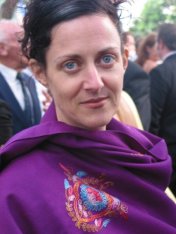
Dr. Mary Wyer is an Associate Professor of Practice (Biocontainment) at the University of Sydney’s Susan Wakil School of Nursing and Midwifery, affiliated with the Sydney Infectious Diseases Institute and the NSW Biocontainment Centre. She holds a PhD in infection prevention and control (2017) and has extensive experience in biocontainment and qualitative research. Her roles are supported by the Western Sydney Local Health District. **Education**: PhD (2017), RN, MACN. Research interests include high-consequence infectious diseases (HCIDs), outbreak management, infection prevention, qualitative methods, and patient involvement in healthcare. She leads projects on biocontainment preparedness, using video-reflexive ethnography to improve clinical practices. **Current Projects**: Strengthening bio-preparedness via simulation and video-reflexive methods; 24-hour in situ simulations for biocontainment centre readiness; aged care infection control strategies; and establishing national infection control standards. She co-leads the Australian BioCOP network for HCID collaboration. **Key Contributions**: Authored/co-authored over 30 peer-reviewed publications, including a book on video-reflexive ethnography. Awards include the 2019 Best Poster Award (ACIPC) and recognition for innovation in infection control research. **Grants**: Secured $2.3M+ in funding for research projects, including NHMRC grants and partnerships with UTS and NSW Health.
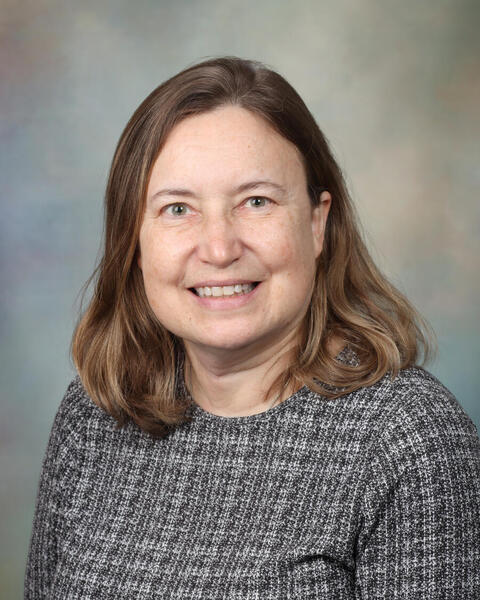
Karen S. Anderson, M.D., Ph.D. is a Professor of Medicine at Mayo Clinic in Phoenix, Arizona, where she serves as a Contract Physician in the Division of Hematology/Oncology within the Department of Internal Medicine. Her clinical practice focuses on breast cancer, and she is affiliated with the Mayo Clinic Comprehensive Cancer Center and the Breast Clinic. As an active researcher, Dr. Anderson leads clinical trials in breast cancer immunotherapy and biomarker development. Dr. Anderson's educational background includes: Medical Scientist Training Program (MD), Duke University School of Medicine (1994) Ph.D. in Microbiology and Immunology, Duke University (1994) BA in Chemistry, University of Virginia (1986) Internship and Residency in Internal Medicine, Brigham and Women's Hospital, Boston Fellowship in Adult Hematology and Oncology, Dana Farber Cancer Institute Dr. Anderson's research focuses on cancer immunology with particular emphasis on breast cancer biomarkers, ovarian cancer biomarkers, pancreatic cancer biomarkers, cancer vaccines, and HPV-related cancers. Her work spans from basic immunology to clinical applications, with a strong focus on translating laboratory findings into clinical practice. She has developed innovative approaches for early cancer detection and has been instrumental in advancing breast cancer immunotherapy through clinical trials. Analysis of Dr. Anderson's recent publications reveals a consistent focus on breast cancer immunology, biomarker discovery, and HPV-related cancers. Her work integrates molecular biology, immunology, and clinical oncology to develop novel diagnostic and therapeutic approaches. Notably, her research has expanded to include computational approaches for neoantigen prediction and has addressed public health challenges including HPV-related cancer screening and even COVID-19 vaccine strategies. Dr. Anderson has received several prestigious awards: Outstanding Faculty Mentor Arizona State University Faculty Women's Association (2020) Chief Resident West Roxbury VA Hospital (1996) Phi Beta Kappa University of Virginia (1986) Merck Scholar (1986) Alpha Omega Alpha Honor Medical Society (1986) Echols Scholar University of Virginia (1982) Dr. Anderson has been actively involved in mentoring students and early-career researchers, serving on numerous thesis committees at Arizona State University across multiple departments including Molecular and Cellular Biology, Chemistry, and the Barrett Honors College. Her research is supported by multiple grants from the National Cancer Institute, including her role as Co-Chair of the Breast and Gynecologic Cancers Collaborative Group within the Early Detection Research Network. Dr. Anderson is a key member of the Arizona Biomarker Alliance Executive Committee and has established collaborative research teams focused on cancer biomarker discovery and validation. Her laboratory work integrates protein microarray technology, immunology, and cancer genomics to develop novel diagnostic and therapeutic approaches for breast and HPV-related cancers.
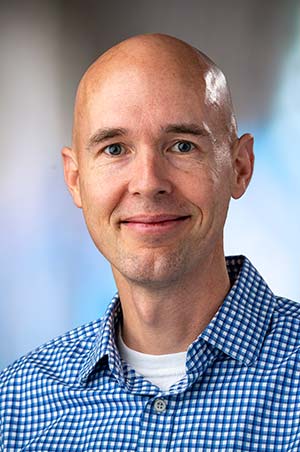
Dr. Brandon K. Hadland is an Associate Professor at the University of Washington School of Medicine in Pediatrics and Fred Hutchinson Cancer Center's Translational Science and Therapeutics Division, with memberships in the Immunotherapy and Translational Data Science Integrated Research Centers. He serves as an Attending Physician at Seattle Children's Hospital for Pediatric Hematology/Oncology and Bone Marrow Transplant. Education: BS in Chemistry, Harvey Mudd College (1998) MD and PhD in Molecular Cell Biology, Washington University School of Medicine (2006) Pediatrics Residency and Internship, Seattle Children's/University of Washington (2006-2009) Pediatric Hematology/Oncology Fellowship, Seattle Children's/University of Washington/Fred Hutch (2009-2012) His research centers on embryonic hematopoietic stem cell (HSC) development, investigating Notch signaling pathways, vascular microenvironments in the AGM region and fetal liver, and engineering in vitro platforms to model blood formation. He employs single-cell functional and molecular techniques to characterize niche interactions and transcriptional programs driving HSC emergence. Recent publications demonstrate trends in applying single-cell transcriptomics to define HSC-competent hemogenic endothelium and develop stromal-free engineered niches, bridging developmental biology with therapeutic applications for blood disorders and leukemia. Dr. Hadland leads collaborative research across Fred Hutch and UW, partnering with experts in computational genomics (Dr. Cole Trapnell), stem cell engineering (Drs. Sergei Doulatov and Ying Zheng), and pediatric oncology (Drs. Soheil Meshinchi and Irv Bernstein) to advance cellular therapies and leukemia prevention strategies.
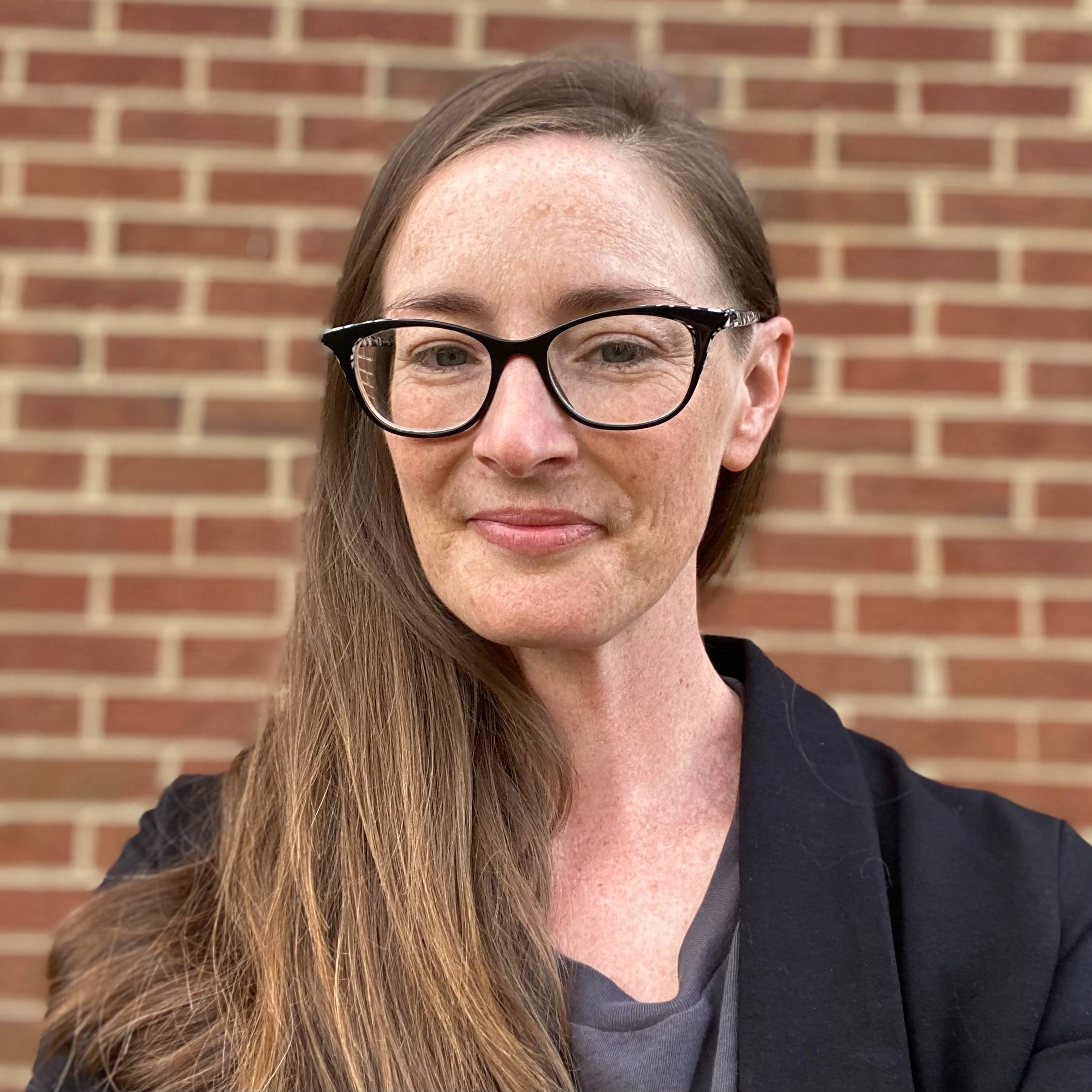
Kathryn Shively, Ph.D., serves as an Associate Professor and Graduate Program Director within the History Department at Virginia Commonwealth University. They specialize in environmental and military history of the American Civil War and Reconstruction, examining how soldiers' mental and physical health intersected with their natural environments through self-care practices and informal healthcare networks involving diverse groups including African Americans and women. Academic Credentials: Ph.D. in History, University of Virginia, 2010 Shively's research explores the evolution of America's armed forces from the 1600s through the late nineteenth century, with particular focus on soldiers' adaptation to wartime environmental challenges. Their acclaimed book "Nature's Civil War" analyzes common soldiers' experiences in 1862 Virginia, while current work investigates Confederate general Jubal A. Early's influence on modern historical consciousness through Science, Technology, and Society frameworks, revealing critical tensions between historical memory and factual interpretation. Scientific Recognition: Recipient of the 2014 Wiley-Silver Prize for best first book on the Civil War ("Nature's Civil War") As Graduate Program Director, Shively oversees VCU's History Department graduate programs including the Master's Program and Graduate Certificate in Public History. Their administrative leadership supports student development through internships, research opportunities, and interdisciplinary scholarship, though specific advising details and grant funding information are not provided in available sources. Prior to VCU, they served as assistant professor at the University of Scranton and as a California Bay Area schoolteacher.
David Gilkey is an Associate Professor in the Department of Occupational Safety, Health and Industrial Hygiene at Montana Technological University in Butte, MT. He holds a Doctor of Chiropractic degree from Southern California Health Sciences University and a Ph.D. in occupational and environmental health from Colorado State University. Dr. Gilkey is a Certified Professional Ergonomist (CPE), Certified Safety Professional (CSP), and Registered Environmental Health Specialist (REHS/RS), with additional certifications in walkway safety assessment. His research encompasses: Slip/trip/fall prevention through surface friction evaluation Safety climate in construction and mining industries Ergonomic risk assessment in healthcare and manufacturing Agricultural safety focused on ATV/UTV operation Environmental health and biological site safety Occupational stress and burnout biomarkers His recent publications demonstrate strong focus on practical safety solutions in healthcare ergonomics (patient transfers, burnout), industrial settings (noise exposure, material handling), and foundational slip/fall research. Earlier work established his expertise in agricultural ATV safety through injury epidemiology and prevention strategies. Dr. Gilkey teaches courses including OSH 391 (Slips, Trips and Falls), OSH 454 (Ergonomics), IH 542 (Principles of Epidemiology), and advanced industrial hygiene topics. He actively advises undergraduate and graduate students on academics, internships, and career development. As Montana's Health Links Ambassador, he promotes Total Worker Health® programs through the Colorado School of Public Health, helping employers develop Certified Healthy Workplace initiatives that integrate safety and wellness.
Samuel Brazys is Associate Professor in the School of Politics and International Relations (SPIRe) at University College Dublin (UCD), where he also serves as Vice Principal for Research, Impact & Innovation in the College of Social Science & Law. He is the Editor of the Journal of International Development and has a strong research profile in international political economy and development. BA in Political Science/Economics, Marquette University MA in Economics, Indiana University MSc in Politics of the World Economy, London School of Economics PhD in Political Science, Indiana University Professional Certificate in University Teaching & Learning, UCD His research focuses on the political economy of development, with emphasis on foreign aid, foreign direct investment, Chinese development finance, and governance. He employs sub-national and spatial analysis methods, often using geo-referenced data to assess local-level impacts of development interventions in Africa, South Asia, and the Pacific. His work bridges comparative and international political economy, international organizations, and development studies. Recent publications reveal a consistent trend in analyzing the spatial and political dimensions of development finance, particularly Chinese aid and FDI, and their effects on conflict, governance, and public perceptions. His work increasingly engages with public diplomacy, as seen in studies on mask diplomacy and wolf warrior rhetoric, using large-scale text analysis of media and social media. Irish Research Council Grant: Trade Related Assistance for Development. Evidence from Micro-Level Evaluations (2018) UCD College of Human Sciences Research Funding Scheme (2015–2016) His research has had significant policy impact, notably cited by the U.S. State Department in decisions regarding Confucius Institutes. He is a member of major professional associations including the American Political Science Association and the International Studies Association. He teaches core modules in International Political Economy, Research Methods, and Governance and Development, and has coordinated thesis and internship programs. He leads a research agenda that critically examines donor behavior, recipient agency, and the political economy of global development, contributing to both academic discourse and policy debates.
Sara Schaefer, MD, MHS, FAAN is an Associate Professor of Neurology at Yale School of Medicine, where she serves as Program Director for the Movement Disorders Fellowship and Adult Neurology Residency Program Director. She specializes in treating patients with movement disorders including Parkinson's disease, tremors, chorea, dystonia, and Huntington's disease, and evaluates patients for deep brain stimulation surgery. Dr. Schaefer is also deeply involved in medical education innovation, having designed interactive video-based curricula used worldwide. Dr. Schaefer's educational background includes: ScB from Brown University (2007) MD from The Ohio State University College of Medicine (2012) Internship in Medicine at Yale-New Haven Hospital (2013) Residency in Neurology at Yale-New Haven Hospital (2016) Chief Residency in Neurology at Yale-New Haven Hospital (2016) MHS with focus on medical education from Yale University (2019) Dr. Schaefer's primary research interests center on movement disorders and medical education. She has a particular focus on developing innovative educational tools for neurology training, including video-based curricula and podcasts. Her work aims to improve how movement disorders are taught to medical students, residents, and practicing physicians, with the goal of reducing diagnostic delays and improving patient care. She has designed an interactive, video-based online training curriculum in movement disorders that is used by learners worldwide and co-founded the MDS podcast. She also founded The Grey Matter Project, a virtual high school neuroscience club engaging students globally. Dr. Schaefer's scholarly work demonstrates a clear trajectory from clinical research in movement disorders toward an increasing focus on medical education innovation. While her early publications addressed specific movement disorder conditions and treatments, her more recent work centers on educational methodology, curriculum development, and assessment in neurology training. Her research bridges clinical neurology with educational science, creating practical tools that have been implemented across multiple institutions. Dr. Schaefer has received numerous honors and awards for her work: Fellowship Director of the Year from American Academy of Neurology (2025) Burton A. Sandok Visiting Professor of Neurologic Education from Mayo Clinic Department of Neurology (2024) Attending of the Year from Yale Department of Neurology (2023) Education Innovation Poster Award at Yale Medical Education Day (2018) Creative Expression of Human Values in Neurology award from American Academy of Neurology (2016) Alpha Omega Alpha Honor Medical Society (2012) Gold Humanism Honor Society (2012) As an educator and program director, Dr. Schaefer has mentored numerous neurology residents and fellows. She serves as co-founder and deputy editor of the MDS podcast, launched in January 2019, and founder and producer of the Neurology Nuts and Bolts: Constructing your Career podcast, launched in February 2022. She is the Movement Disorders Section Head of the Annual Academy of Neurology Resident In-Service Training Examination (RITE) Committee and CME editor for the Movement Disorders Journal. Her educational initiatives have received institutional support through Yale's educational infrastructure, though specific grant funding isn't detailed in the provided text. Dr. Schaefer founded The Grey Matter Project, a virtual high school neuroscience club that engages students worldwide with lectures, career panels, and projects related to neurology. She is also actively involved with the Movement Disorders Society Education Committee and has contributed to developing educational resources through this professional organization.
Lingyang Chu is an Assistant Professor at McMaster University's Department of Computing and Software, previously serving as a postdoc fellow at Simon Fraser University under Jian Pei. He earned his Ph.D. in Computer Science from the University of Chinese Academy of Sciences. Research interests span data mining , machine learning , and statistics , with focus on trustworthy AI (privacy, interpretability, security, robustness, fairness), federated learning , and graph-based machine learning . His work includes scalable data mining on large graphs and deploying systems like personalized federated learning on Huawei Cloud's Harmony OS devices. Publications emphasize adversarial attacks, medical AI, graph robustness, and federated learning frameworks. His advising record includes 28 mentees across Ph.D., M.Sc., and internship levels. Scientific achievements include Best paper candidate at ICME'13 Best demo award at ICMR'13 Academic service roles include: Program Committee: NeurIPS, SIGKDD, CVPR, ICML, and 12+ other top-tier conferences Journal Reviewer: IEEE TKDE, ACM Transactions on KDD, and 8+ journals Editorial Board: ACM Transactions on KDD (Associate Editor) Grant Reviewer: Hong Kong RGC Labs/teams: Maintained open-source ALID algorithm (VLDB'15) for dominant cluster detection, demonstrating technical leadership in scalable graph mining
David J. Moore, Ph.D., is a licensed clinical psychologist and Professor of Psychiatry at UC San Diego Health. He co-directs the SDSU/UCSD Joint Doctoral Program (JDP) in Clinical Psychology and leads research at the HIV Neurobehavioral Research Program (HNRP). His work focuses on neurocognitive impairments in individuals with HIV, comorbid mental illness, and substance use disorders, with a special emphasis on technological interventions for medication adherence. Doctorate: Ph.D. in Clinical Psychology (SDSU/UCSD JDP, neuropsychology specialization) Postdoctoral Fellowship: UCSD (serious mental illness) Clinical Internship: West Los Angeles VA Dr. Moore’s research addresses: Neurocognitive complications of HIV infection Intersection of HIV and aging Technological interventions for medication adherence Impact of comorbid psychiatric/substance use disorders on functioning His publications span topics including HIV neurocognitive profiles, syndemic factors in sexual risk behavior, and aging with HIV. Current studies integrate metabolomics, neuroimaging, and behavioral data through NIH-funded grants.
Cody Hyndman is a Full Professor and Acting Department Chair at the Department of Mathematics and Statistics, Concordia University, with a focus on Mathematical Finance, Machine Learning, and Stochastic Analysis. He has held significant administrative roles including Department Chair (2017–2023) and Acting Graduate Programs Director (2025–2025). Education: PhD, University of Waterloo (2005) MSc, University of Alberta BCom, University of Alberta His research spans Mathematical Finance , Stochastic Differential Equations , and Machine Learning , with notable contributions to arbitrage-free modeling, neural networks, and computational methods. Recent publications emphasize geometric deep learning and regularization techniques in finance. Scientific Awards: 2023: Concordia Academic Leadership Award Hyndman supervises graduate students in Mathematics and Statistics and co-founded the NSERC CREATE Program on Machine Learning in Quantitative Finance and Business Analytics (FIN-ML) , fostering industrial internships and interdisciplinary training.
Kristin Long is an Associate Professor at Boston University and Director of the Child & Family Health Laboratory. She holds a PhD in Clinical and Biological-Health Psychology from the University of Pittsburgh (2012), completed postdoctoral training at Brown University’s Alpert Medical School, and joined BU in 2014. Her research focuses on the interplay between pediatric medical conditions, family dynamics, and cultural contexts, with emphasis on autism, cancer, intellectual disability, and asthma. Key areas include health disparities in autism care, psychosocial interventions for families, and sibling adjustment in chronic illness contexts. Education: PhD, Clinical and Biological-Health Psychology, University of Pittsburgh (2012) Clinical Internship & Postdoctoral Fellowship, Alpert Medical School of Brown University/Rhode Island Hospital Research interests: Family-cultural influences on child health outcomes Health equity in autism diagnosis/treatment Development of psychosocial interventions Cultural adaptations in healthcare delivery Her work has led to over 50 publications, emphasizing qualitative and mixed-methods approaches to understanding family experiences in pediatric chronic illness. Notable contributions include frameworks for sibling psychosocial care and culturally responsive interventions. Lab & Collaborations: Directs the Child & Family Health Lab, fostering community-academic partnerships to address unmet needs in pediatric healthcare. Active in developing nationwide standards for sibling psychosocial support in oncology care.
Luís B. Elvas is an Assistant Professor at ISCTE-University Institute of Lisbon's Department of Social and Business Sciences (SINTRA) and a Research Assistant at ISTAR-Iscte Research Center. He holds qualifications including a Technical Specialization in TensorFlow for AI (Coursera, 2021) and certifications in IoT/Blockchain from ISCTE and cybersecurity from Palo Alto Networks. His research spans artificial intelligence, healthcare informatics, smart cities, and blockchain, with applied work in medical imaging, data sharing, and urban analytics. Research interests include: Healthcare AI : Developing deep learning models for cardiac diagnostics, medical imaging analysis, and blockchain-based health data systems Smart Cities : Implementing IoT solutions for urban mobility optimization, disaster management, and sustainable transportation Data Science : Creating predictive analytics frameworks for clinical decision support and urban planning His publications demonstrate a strong focus on AI-driven healthcare solutions (67% of recent works) and smart city technologies (33%), with emerging interests in blockchain and NLP. Research consistently targets real-world applications in clinical settings and urban environments. Awards: Award for best internship, Order of Engineers (2022) Distinction for best internship, Order of Engineers (2021) He leads/contributes to multiple EU research consortia including AMR-EDUCare (antimicrobial resistance education), NEEM (e-health in Nepal), and Blockchain.PT. Coordinates the IEEE Computational Intelligence Society Student Branch Chapter at ISCTE and developed the ManagiDiTH master's program in digital health transformation.
Amy Steigerwalt is a Professor and Department Chair of Political Science at Georgia State University’s College of Arts & Sciences. She also serves as Director of the Georgia Legislative Internship Program. Her research examines federal judicial selection, institutional roles of courts, and electoral dynamics impacting legislative behavior. Research Focus : Steigerwalt’s work bridges American politics, public law, and gender studies, with a particular emphasis on how political institutions (e.g., courts, legislatures) shape policy outcomes and electoral strategies. She has published extensively on judicial confirmations, consensus-building in courts, and the intersection of gender and political vulnerability. Scientific Awards : 2013 Hughes-Gossett Award (Journal of Supreme Court History) Choice Outstanding Academic Title (2014) Media and Public Engagement : A frequent panelist on GPB’s Political Rewind , her expertise has been cited by major outlets including the Washington Post , New York Times , and Bloomberg News .
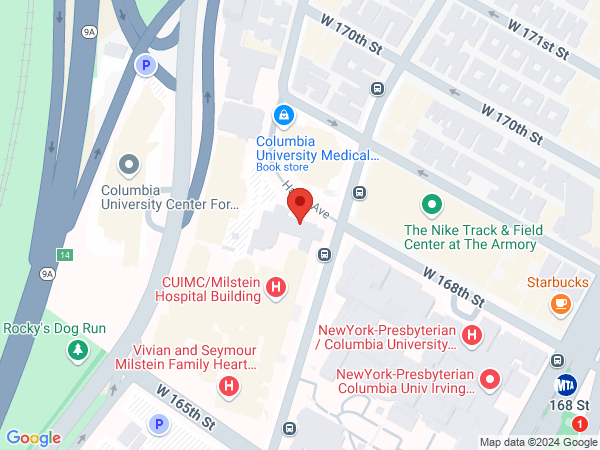
Dr. Kiran T. Thakur serves as the Herbert Irving Associate Professor of Neurology at Columbia University Irving Medical Center and practices as an inpatient neurologist at NewYork-Presbyterian/CUIMC. Her clinical expertise spans neuroinfectious diseases, neuroimmunology, emergency neurology, and global health, with active clinical and research engagements across eight countries in Africa, Southeast Asia, and the Caribbean. She holds leadership roles including Neurology Clerkship Director at Perdana University Graduate School of Medicine (Malaysia) and serves as a neurology consultant for the World Health Organization. Her educational background includes an MD from Tufts University School of Medicine (2008), internship at Johns Hopkins Hospital's Osler Medical Service, neurology residency at Harvard's Brigham & Women's Hospital (where she served as chief resident), and fellowship in neuroinfectious disease/neuroimmunology at Johns Hopkins Hospital. She is additionally pursuing a Master of Science in clinical trials at the London School of Tropical Medicine and Hygiene. Dr. Thakur's research program focuses on improving detection and management of neuroinfectious diseases in hospital settings, with particular emphasis on vulnerable populations including HIV-positive individuals and immigrants. Her work integrates clinical, translational, and implementation science approaches to address cerebral malaria, tuberculous meningitis, Zika-related complications, and SARS-CoV-2 neurological outcomes. Current projects investigate novel diagnostics for infectious meningoencephalitis, risk factors for neuroinvasive infections, and therapeutic strategies for viral encephalitis. Analysis of her 15 most recent publications reveals consistent focus on neuroinfectious disease epidemiology (particularly in resource-limited settings), diagnostic challenges in immunocompromised patients, and global health implementation strategies. Her work prominently features Zika virus complications, tuberculous meningitis management, and CNS infections in travelers, reflecting her dual expertise in tropical medicine and neuroimmunology. Scientific recognition includes: Lewis P. Rowland Teaching Award (Columbia University, 2016) CDC Nakona Citation Award (2014) Dr. Thakur directs the NIH NINDS K23-funded study on pathogen identification in neurological infections (2018-2023) and leads Columbia's post-doctoral neuroinfectious disease fellowship for physician-scientists from low/middle-income countries. Her research program receives support from the NIH, World Federation of Neurology, and American Academy of Neurology, with implementation studies conducted in collaboration with WHO, PAHO, and CDC. The Thakur Laboratory at Columbia's Neurological Institute coordinates international research networks across Malawi, Vietnam, Bangladesh, Uganda, and the Dominican Republic. Her team conducts clinical trials on antimicrobial dosing, develops diagnostic algorithms for resource-limited settings, and implements training programs to build neuroinfectious disease capacity in underserved regions, with current emphasis on SARS-CoV-2 neurological sequelae and tropical disease management.
Dr. Shushanik Margaryan is a Research Fellow at the University of Potsdam's Department of Economics, affiliated with the Berlin School of Economics and IZA. She holds a Ph.D. from the University of Hamburg and specializes in health, education, and labour economics with a focus on applied microeconometrics. Her work addresses societal challenges such as climate policy co-benefits, educational interventions, and healthcare disparities. Education: Ph.D. in Economics, Universität Hamburg (2016-2021) M.Sc. in Economics, Universität Hamburg (2014-2016) B.A. in Labour Economics, Armenian State University of Economics (2009-2013) Research Interests: Her research spans climate policy impacts, educational equity, and labour market dynamics. Notable projects include evaluating low-emission zones' health benefits and the effects of randomized educational interventions on disadvantaged children. Key Contributions: Recent work examines spillover effects of war on adolescents and replicates studies on long-term vaccination impacts. She co-leads a DFG-funded project on labour market transformations. Awards: HCHE Young Researcher Award (2021) Joachim Herz Fellowship (2024-2026) Teaching & Service: Teaches graduate and undergraduate courses on labour/education economics. Organizes seminars like the Potsdam Research Seminar in Economics and serves on hiring committees.