Sergio Valente is an Associate Professor in Medicinal Chemistry at the Department of Chemistry and Pharmacy Technology , Faculty of Pharmacy and Medicine, Sapienza University of Rome. His research focuses on epigenetic modulators for cancer, neurodegenerative, and parasitic diseases. He leads the Laboratory 256 dedicated to organic compound synthesis and characterization. Abilitations: National Scientific Abilitation (ASN, MIUR) for Associate Professor (2015) Education: PhD in 'Pasteur Science' (2007), cum laude degree in Pharmacy (2003) His research develops small molecule inhibitors for HDACs, SIRTs, HMTs, KDMs, and DNMTs, targeting: Anticancer chemotherapy Neurodegenerative disorders Metabolic pathologies Antiparasitic treatments Recent publications highlight: Development of SIRT5 activators for cardioprotection HDAC1-3 inhibitors in viral infection response Novel quinoline-based epigenetic modulators Dual-targeting strategies for LSD1/PRMT5 inhibition HDAC3's role in rhabdomyosarcoma radioresistance Scientific Recognition: Recipient of the National Prize for Medicinal Chemistry Research (2017, Italian Chemical Society). Grant Leadership: Coordinator of Ateneo 2015 Sapienza Project for LSD1 inhibitors and chemoproteomic probes.
Hilary Ashe is a Professor of Cell and Developmental Biology at the Faculty of Life Sciences, University of Manchester since 2013. Her career includes prior roles as Senior Lecturer (2009-2013), Lecturer (2007-2009), and Lister Institute Research Fellow (2002-2007) at the same institution. She also held a Lecturer position at the Centre for Developmental Genetics, University of Sheffield (2000-2001) following postdoctoral work at UC Berkeley and University of Oxford.
Casey E. Romanoski serves as an Assistant Professor in the Department of Cellular and Molecular Medicine at the University of Arizona, holding concurrent appointments as a BIO5 Fellow, Faculty in the Genetics Graduate Interdisciplinary Program, Member of the Center for Applied Genetics and Genomic Medicine, and Member of the UA Sarver Heart Center. Her research program investigates the interplay between DNA variation and gene regulation in inflammatory contexts, with primary focus on endothelial cells lining blood vessels and their role in complex diseases like atherosclerosis and hypertension. Utilizing next-generation sequencing integrated with experimental and computational approaches, her laboratory examines how epigenetic modifications, gene expression patterns, and genome-wide association study loci converge to drive disease mechanisms in vascular inflammation. Recent publications reveal consistent emphasis on respiratory-cardiovascular interactions, particularly how viral infections (e.g., rhinovirus) in asthmatic individuals modulate ACE2 expression and inflammatory pathways relevant to COVID-19 pathogenesis, alongside investigations into CC16-integrin interactions in infection defense. Her scientific recognition includes the competitive BIO5 Fellowship supporting interdisciplinary translational research. Dr. Romanoski's collaborative work spans multiple institutional centers focused on genomic medicine translation, with research directly addressing mechanisms of vascular inflammation through integrated molecular approaches.
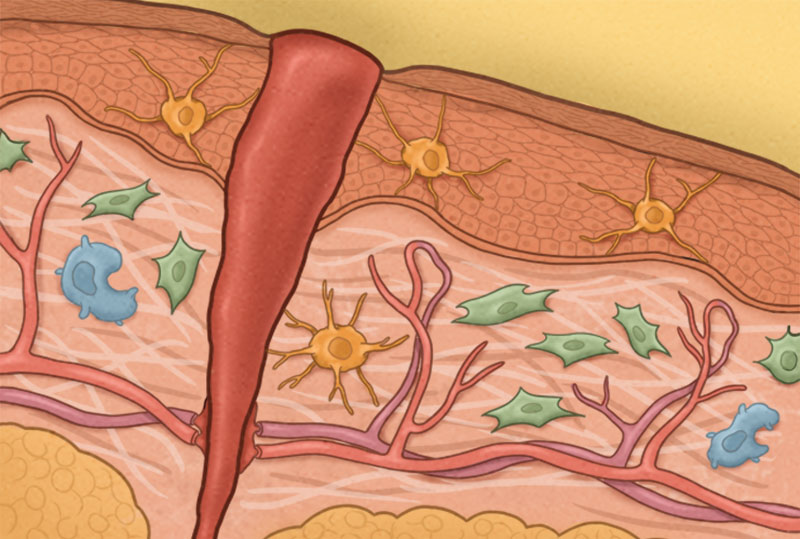
Valerie Horsley, Ph.D. , is the Maxine F. Singer Associate Professor of Molecular, Cellular and Developmental Biology at Yale University and an Associate Professor (secondary) of Dermatology within the Yale School of Medicine. She is further affiliated with the Yale Cancer Center, Yale Stem Cell Center, BBS Program, Diabetes Research Center, and Obesity Research Working Group, and is a key member of the Yale SPORE in Skin Cancer (YSPORE). Education & Training B.S. in Biology, Furman University (1998) Ph.D. in Biochemistry, Cell & Developmental Biology, Emory University (2003) Damon Runyon Postdoctoral Fellowship, Rockefeller University, Elaine Fuchs Laboratory (2003–2008) Research Focus Dr. Horsley’s laboratory employs mouse genetics, single-cell genomics, advanced imaging, and functional genomics to dissect how adult epithelial stem cells interact with adipocytes, fibroblasts, immune cells, and the extracellular matrix to maintain tissue homeostasis, execute wound repair, and, when dysregulated, promote fibrosis or tumorigenesis. Central themes include: Stromal cell identity and plasticity in skin regeneration and cancer Mechanical regulation of cell fate and ECM remodeling Metabolic control (lipids, glutamine) of immune and stem-cell behavior Translational models of scleroderma, diabetic wounds, and scarless healing Publication Trends Between 2022 and 2025, the group has produced a steady stream of high-impact papers that integrate mechanistic mouse work with clinical translation. Topics range from intermittent-fasting effects on hair-follicle stem-cell survival to adipocyte-driven restraint of dermal fibrosis, illustrating a cohesive trajectory toward manipulating stromal-immune circuits for regenerative medicine. Scientific Honors Presidential Early Career Award for Scientists and Engineers (PECASE, 2012) Pew Scholar in the Biomedical Sciences (2011) Rosalind Franklin Young Investigator Award (2012) Montagna Lecture, Society for Investigative Dermatology (2018) Distinguished Alumni Award, Emory GDBBS (2019) Training & Mentorship Environment Hosts 4–6 postdoctoral fellows, 3–4 graduate students, and multiple undergraduates at any given time Weekly one-on-one meetings, annual goal-setting retreats, and peer-mentorship circles Alumni have secured faculty positions, post-doctoral fellowships, and industry R&D roles worldwide Lab Location & Collaboration The Horsley Lab is situated in Kline Biology Tower on Yale’s Science Hill, fostering daily interactions with geneticists, cell biologists, engineers, and clinician-scientists. Ongoing collaborations span Yale Dermatology, Biomedical Engineering, Immunobiology, and the Yale SPORE in Skin Cancer, ensuring that fundamental discoveries are rapidly translated toward therapies for fibrotic disease and chronic wounds.
Dr. Dan Hampshire is a Lecturer in Genetics at the Centre for Biomedicine, Hull York Medical School, University of Hull. He holds a BSc (Hons.) in Human Genetics and PhD in Molecular Medicine from the University of Leeds. His postdoctoral research at the University of Sheffield (12 years) investigated von Willebrand factor under a NIH Program Project Grant with international collaborators. His research focuses on genetic factors influencing von Willebrand factor (VWF) plasma levels and their implications in bleeding/thrombosis. Key areas include: Transcriptional regulation of the VWF gene Impact of genetic variants on VWF biosynthesis/clearance Clinical outcomes of VWF variation in acute coronary syndromes Variant database curation for haemostasis disorders (ClinGen, EAHAD) Analysis of his 15 most recent publications reveals consistent themes: VWF genetics (11 papers), variant databases (3), coagulation disorders (6), and diagnostic genomics (4). Methodologies span molecular biology, bioinformatics, and clinical haematology. Awards: ISTH Young Investigator Award (2009, 2011) Supervision: Current: Abigail Walne (PhD, VWF genetics), Hikmat Sulayman (MSc, endometriosis genetics) Former: Simon Webster (PhD), Ahmad Mufti (PhD) Leadership roles: Editorial Board (Blood Coagulation & Fibrinolysis), ClinGen VWD Expert Panel Co-chair, EAHAD Steering Group.
Dr Francisco Rivero Crespo is Reader in Molecular Cell Biology at Hull York Medical School , University of Hull. He serves as Postgraduate Training Scheme Lead and is a Fellow of the Higher Education Academy (FHEA), contributing extensively to MB BS Medicine, MSc Pharmacology and Drug Development, and Department of Biomedical Sciences teaching programmes. Education MD, University of Valladolid (1989) PhD, Institute of Biochemistry, CSIC-Universidad Complutense, Madrid (1994) Postdoctoral fellowships: Max-Planck Institute for Biochemistry, Martinsried (1994-1997) and University of Cologne (1997-1998) Research Interests Dr Rivero’s laboratory investigates the cytoskeleton , focusing on actin dynamics and signalling pathways regulating cytoskeletal remodelling in blood platelets. His work explores how platelet activation—mediated by intricate signalling cascades—drives morphological changes required for adhesion, spreading, and aggregation at sites of vascular injury. A translational dimension of his research aims to improve diagnostics and therapeutics for thrombotic disorders underlying cardiovascular conditions such as heart attack and stroke. Publications Overview Across more than 50 peer-reviewed papers, Dr Rivero has advanced understanding of platelet physiology , actin-binding proteins , and signalling scaffolds . Recent outputs highlight roles for coronins, RhoBTB3, plastin-1 and cyclase dynamics in platelet and sensory cell biology, bridging in vitro biochemical assays to in vivo mouse models. Scientific Awards & Recognition Fellow of the Higher Education Academy (FHEA) Editorial board member: Scientific Reports , Cells , and BMC Molecular and Cell Biology Supervision & Funding Dr Rivero presently supervises Paulo Saldanha (PhD) and has mentored David Riley, Anisha Chacko, Jawad S. Khalil, Pooja Joshi and Julia Lutz to PhD completion. He welcomes new postgraduate researchers interested in cytoskeletal biology, platelet signalling, and translational cardiovascular research. Laboratory & Collaborations The lab is embedded within the Hull York Medical School research environment, fostering collaborations with clinicians and basic scientists across the UK and Europe. Facilities include advanced live-cell imaging, flow-based adhesion assays, and genetically modified mouse colonies, enabling multifaceted investigation of cytoskeletal dynamics in health and disease.
Lee Ho-young is a Professor at Seoul National University , specializing in Pathophysiology . His research focuses on elucidating the mechanisms of lung diseases such as lung cancer and emphysema, with an emphasis on developing novel preventive and therapeutic strategies. Lung cancer and emphysema pathogenesis Role of insulin-like growth factor (IGF) signaling Drug resistance in anticancer therapies Natural product-based drug discovery His lab employs genetically modified animal models to analyze interactions between lung stem cells, epithelial cells, and the microenvironment under stressors like smoking, fine dust, and chronic stress. Recent work includes studies on IGF2-mediated resistance to HDAC inhibitors and the development of low-toxicity dual inhibitors for IGF1R/Src pathways. Publications highlight translational approaches combining mechanistic research with clinical applicability.
Dr Mark Morgan is a Professor in the Division of Cancer Sciences at the University of Manchester's Faculty of Biology, Medicine and Health. He leads a research laboratory investigating how tumor and stromal cells sense extracellular microenvironments to drive cancer progression, employing proteomics, genomics, and live-cell imaging. His work bridges fundamental cell adhesion mechanisms with clinical oncology applications. Research focuses on adhesion and growth factor receptor crosstalk in cancer invasion, metastasis, and drug resistance. Key areas include nuclear force coupling during cell migration , integrin-HER2 signaling networks in breast cancer, and tension-sensing mechanisms in tumor microenvironments. His lab explores how dysregulated receptor coordination contributes to fibrotic disease and stem cell dysfunction, with emphasis on mechanical force transmission and spatial signaling dynamics. Publications reveal strong trends in integrin-mediated mechanotransduction (70% of recent articles) and receptor crosstalk in therapeutic resistance (50%), particularly for HER2-positive breast cancer and pancreatic ductal adenocarcinoma. Methodologically, 80% utilize advanced imaging or proteomics to dissect spatial-temporal signaling networks. Full Faculty Member - Faculty Opinions / F1000 (2020) Gordon Research Conference Prize - Fibronectin, Integrins & Related Molecules (2015) FLS Tissue Systems Prize (University of Manchester, 2013) North of England Cell Biology Investigator Award (2011) Hamilton-Fairley BACR Young Investigator Award (2001) Secures major funding from Northwest Cancer Research, Breast Cancer Now, and Wellcome Trust for projects like Sensing tension: Bidirectional feedback mechanisms controlling breast cancer invasion (2020-2024) and Optimising NK cell cytotoxicity for immunotherapy (2015-2018). Supervises PhD students on integrin crosstalk and tumor-stromal interactions, serving as examiner at 15+ institutions including Imperial College and University of Edinburgh since 2015. Co-leads the Wellcome Trust PhD Programme and directs research within the Wellcome Centre for Cell-Matrix Research, focusing on adhesion receptor dynamics in cancer invasion and wound healing contexts.
Rachelle Crosbie-Watson is a Professor in the Department of Integrative Biology & Physiology at the University of California, Los Angeles (UCLA), with dual appointments in Neurology and the Brain Research Institute. She serves as Education Liaison for the Center for Duchenne Muscular Dystrophy and holds memberships in multiple graduate programs including Biochemistry, Biophysics & Structural Biology; Cell & Developmental Biology; JCCC Cancer and Stem Cell Biology; and Molecular, Cellular & Integrative Physiology. Her research pioneers sarcospan's role within the dystrophin-glycoprotein complex, demonstrating that sarcospan introduction ameliorates muscular dystrophy in mouse models. The Crosbie lab developed exclusive molecular tools for sarcospan study and collaborates with the Baum lab on high-throughput screening assays targeting sarcospan expression for Duchenne Muscular Dystrophy therapy. She also partners with the Spencer group to engineer novel mouse models of muscle disease, advancing mechanistic understanding of muscular pathologies. Analysis of her 2007-2013 publications reveals consistent focus on sarcospan therapeutic applications, dystrophin-glycoprotein complex stabilization, and Akt signaling pathways in muscle regeneration. Key trends include leveraging mouse models for disease mechanism studies, exploring glycosylation's role in sarcolemmal integrity, and investigating ciliary motility genetics through collaborative networks. Nominated for UCLA's Teaching Distinction Award, Dr. Crosbie-Watson directs the Beckman Undergraduate Scholars Program and has trained numerous HHMI, Beckman, and Dean's scholars. She successfully mentored a Marshall Scholarship recipient—one of only thirteen UCLA students ever awarded this prestigious fellowship—demonstrating exceptional commitment to developing future scientific leaders. The Crosbie lab maintains strategic collaborations including the Baum lab for therapeutic development and the Spencer group for muscle disease modeling, driving innovation in muscular dystrophy research through integrated approaches spanning molecular tools, high-throughput screening, and translational physiology.
Dr. Gary Mathern is a Professor in the Department of Neurosurgery at the David Geffen School of Medicine, University of California, Los Angeles (UCLA). As Director of the Epilepsy Surgery Pediatric Epilepsy Program and a member of the Brain Research Institute, he specializes in pediatric epilepsy surgery and neurosurgical treatment of cortical malformations. His work integrates clinical practice with translational research on somatic mutations, neuroimmunology, and epileptogenesis mechanisms. Key Affiliations: David Geffen UCLA School of Medicine, Ronald Reagan UCLA Medical Center, Santa Monica UCLA Medical Center Research Themes: Cortical dysplasia, mTOR and RAS pathway mutations, neuroimmune interactions in epilepsy, biophysical properties of epileptogenic tissue Surgical Innovations: Hemispherectomy outcomes, choroid plexus cauterization applications, neurostimulation techniques His recent publications focus on Neurogenetics (2023), Neurosurgical Techniques (2023), and Transcriptomic Analysis of Astrocytes (2022). He contributes to international epilepsy classification systems and develops clinical decision tools like the Hemispherectomy Outcome Prediction Scale (HOPS).
Patricia Phelps is a Professor and Vice Chair in the Department of Integrative Biology and Physiology at the David Geffen School of Medicine, University of California, Los Angeles (UCLA). Her laboratory is located in the Terasaki Life Science Building, focusing on spinal cord injury repair and neuronal migration mechanisms. Research interests include: Therapeutic effects of olfactory ensheathing cell (OEC) transplantation in spinal cord injury models Role of the Reelin signaling pathway in neuronal migration and nociceptive processing Molecular mechanisms of axon regeneration and neuroprotection Developmental neurobiology of cholinergic neurons Publications highlight her work on: Neuronal migration defects in reeler mutants Neuroimmunomodulatory effects of OECs Integration of cell therapy with motor training for spinal repair Developmental expression patterns of key proteins (Reelin, L1, GAD65) Neuroplasticity in spinal cord injury models Contact: Email: pphelps@physci.ucla.edu Office: Terasaki Life Science Building, Room 1024 Lab: Terasaki Life Science Building, Room 1031 Phone: (310) 825-8108
Professor Eun-Yi Moon is affiliated with Sejong University's Department of Integrative Bioscience and Biotechnology. She holds a Ph.D. from Sungkyunkwan University (1997), an M.S. from KAIST (1989), and a B.S. from Seoul National University (1987). Education: Ph.D., Pharmacy, Sungkyunkwan University (1997) M.S., Biological Science, KAIST (1989) B.S., Pharmacy, Seoul National University (1987) Her research focuses on tumorigenesis , cancer metastasis , anticancer drug resistance , tumor microenvironment , cell migration/EMT , and drug development for autoimmunity and tumors . She has published extensively on nano-therapeutics , reactive oxygen species (ROS) , thymosin beta-4 mechanisms , and BAFF regulation in cancer and autoimmune contexts. Recent publications include work on nanotechnology applications in anticancer therapy, glioblastoma targeting via enzyme inhibitors, and EMT inhibition in colorectal cancer through RAF/MEK/ERK pathways. Her team explores cilia-mediated tumor regulation , environmental toxicant impacts on B cell survival, and cross-talk between Nrf2/HIF-1α in hypoxic cancer cells. Laboratory: Cell Molecular Physiology Laboratory (Chung 214) with research teams investigating drug resistance mechanisms , cancer microenvironment dynamics , and nanotoxicology . She has collaborated with institutions including Harvard Medical School, Boston Medical Center, and Korea Research Institutes.
Maarja Haugas is a Research Fellow at the University of Tartu, Faculty of Medicine, Institute of Biomedicine and Translational Medicine. She also serves as a Specialist at Tartu University Hospital's Genetics and Personalized Medicine Clinic. Her career spans institutions including University of Helsinki and Quattromed AS, with research focusing on biomedical applications, cancer biology, and developmental neuroscience. Doctor's Degree (2011), University of Helsinki: GATA Factors Regulate Inner Ear Development and Midbrain Neurogenesis Research Master's Degree (2005), University of Tartu: Gata3 Regulates Placode Morphogenesis and Fgf Signaling Her research interests integrate Biomedicine , Clinical Biology , and Precision Medicine , with specific expertise in GATA transcription factors , neuronal differentiation , and targeted peptide therapies . Recent publications demonstrate innovation in tumor-targeting peptides, CAR T-cell engineering, and mitochondrial DNA regulation. 2025: Cyclic peptide glioblastoma targeting via SNAP25 2024: Protease-activated CendR peptides for tumor specificity 2023: β1-integrin aptamers for breast cancer therapy Scientific honors include the 2015 Tartu University Development Fund Award , 2013 University of Helsinki Postdoctoral Position , and 2006 Marie Curie Fellowship . She contributes to the Estonian Society of Medical Genetics since 2024, with administrative experience in R&D settings. Her work bridges developmental biology, cancer research, and translational medicine through molecular mechanisms and targeted delivery systems.
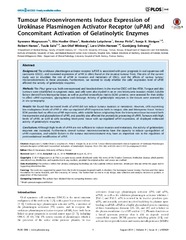
Synnøve Magnussen is affiliated with the Faculty of Health Sciences, focusing on cancer biology and tumor progression. Her research spans oral squamous cell carcinoma, the plasminogen activation system, nephronectin’s role in cancer, and immunogenic cell death mechanisms. Key Research Areas: Cancer biomarkers, tumor microenvironment, metastasis, marine-derived therapeutics. Notable Work: Investigated uPAR/PAI-1 in oral cancer progression; characterized nephronectin’s integrin-binding domains in breast cancer brain metastasis. Publications: Recent studies explore marine mimics for cytotoxicity (2023), tumor immune microenvironment dynamics (2024), and DAMP-inducing compounds (2022). Academic Contributions: Collaborated on validating prognostic markers (2021) and hypoxia-driven vascular permeability (2022).
Anika Böttcher serves as Group Leader of the Intestinal Stem Cell Research group at the Institute of Diabetes and Regeneration Research (IDR), Helmholtz Munich, Germany, a position she has held since 2016. Her work bridges cell biology, developmental mechanisms, and metabolic disease research with a focus on therapeutic applications for diabetes and obesity. Her academic foundation includes a Diploma in Biology from the University of Jena (Germany) and University of Lund (Sweden), followed by a PhD at the Max Planck Institute of Biochemistry under Reinhard Fässler investigating integrin signaling in kidney development. She completed postdoctoral training at Helmholtz Munich with Heiko Lickert, studying Wnt/Planar Cell Polarity signaling in gut development. Böttcher's research centers on deciphering how biomechanical signals govern intestinal stem cell fate decisions, particularly in enteroendocrine lineage formation. Her team employs single-cell genomics, mouse models of diet-induced obesity, and molecular techniques to uncover mechanisms linking gut dysfunction to metabolic disorders. Key interests include stem cell plasticity, cellular polarity, and the role of specific enteroendocrine cell subsets in obesity pathogenesis. Analysis of her publication record reveals consistent focus on intestinal stem cell regulation in metabolic disease contexts, with increasing emphasis on single-cell resolution of cellular heterogeneity and diet-induced molecular reprogramming since 2017. Her work demonstrates how obesogenic diets alter stem cell identity through PPAR signaling and insulin pathways, directly linking gut maladaptation to systemic metabolic syndrome. Her scientific recognition includes: Transregional Collaborative Research Centre 127 (2020-2024) German Center for Diabetes Research (DZD) funding (2018-2019) Max Planck Junior Research Award (2010) Rupert Timpl Award from the International Society for Matrix Biology (2010) As group leader, Böttcher directs research supported by major grants from the DFG and DZD, with collaborative projects spanning diabetes mechanism elucidation to therapeutic development. Her team maintains active partnerships with the German Center for Diabetes Research and participates in transregional consortia focused on regenerative approaches. The Intestinal Stem Cell Research group operates within Helmholtz Munich's IDR facility, utilizing advanced genomic, imaging, and mouse phenotyping platforms. Their work connects fundamental stem cell biology with translational applications, particularly in developing gut-based interventions for metabolic disorders through manipulation of enteroendocrine cell differentiation.