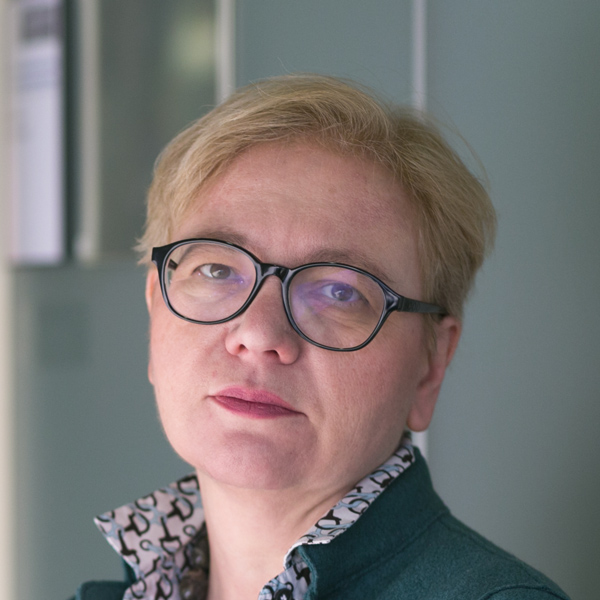
Marianna Cavazza is an Associate Professor of Practice in Health Policy at Bocconi University's School of Management, where she teaches courses on private health insurance in the Master in Management della Sanità (MiMS) and the Master of International Healthcare Management, Economics and Policy (MIHMEP). She coordinates the 'Aziende Associate Cergas' Network, collaborating with pharmaceutical and medical device companies like Bayer, Novartis, Medtronic, and Biogen, and contributes to the Observatory on Private Healthcare Consumption (OCPS). Education: BA in Political Science, Università degli Studi di Milano; MSc in Economics, University of York; PhD in Economics, Università Cattolica del Sacro Cuore di Milano Her research focuses on private health consumption and insurance, cost and organizational analysis in healthcare, and public policy frameworks—particularly in the blood transfusion and pharmaceutical sectors. Recent work examines digital health interventions, CAR-T therapy costs, and pandemic response strategies. Key collaborative projects include economic assessments of compassionate use programs, integration of prevention in territorial healthcare, and geographic disparities in insurance utilization. Marianna is an active contributor to journals such as the European Journal of Health Economics, Health Policy, and PLOS ONE. She is married with two children.
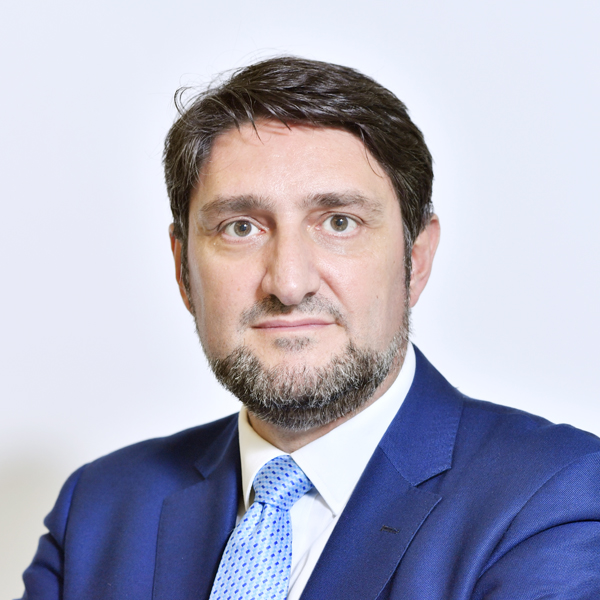
Maurizio Poli is a Senior Lecturer in Decision Sciences & Business Analytics at SDA Bocconi School of Management , where he also serves as a Contract Professor of Statistics and Business Analytics at Bocconi University . He has held leadership roles including Director of the Global Executive MBA (GEMBA) and Director of Post Graduate Programs in Business and Business Analytics in Mumbai. Education : Degree in Economic and Social Disciplines (D.E.S.) from Bocconi University, and completion of the International Teachers Programme (ITP) at NYU Stern School of Business (2000) With 25+ years of industry experience , his research focuses on: Business analytics and modeling Machine learning applications Quantitative financial planning Robotic Process Automation (RPA) Corporate performance control Data visualization techniques His five most recent publications explore decision science methodologies, data scientist roles, predictive analytics frameworks, compliance risk analysis, and project management systems. He has received two Best Professor Awards from SDA Bocconi for teaching excellence in executive education programs. Scientific Awards: Best Professor Award - Open Market Courses (2011) Best Professor Award - MBA Programs (2007) As an international consultant and entrepreneur since 2012, he has worked with multinational corporations across retail, energy, pharmaceutical, and banking sectors , while maintaining visiting professor appointments at institutions like Anderson UCLA and Fudan University .
Dr. Mariam Kayle is an Associate Professor at the Duke University School of Nursing , where she leads a robust program of research focused on improving health outcomes for individuals with sickle cell disease (SCD) and other childhood-onset chronic conditions. She co-directs the North Carolina Sickle Cell Data Collection Program , a state-level surveillance initiative supported by the CDC, and holds multiple roles in public health, nursing education, and policy research. Education: Ph.D., Duke University (2017) M.S.N., Duke University (2005) Research Interests: Dr. Kayle’s research centers on population-level surveillance of sickle cell disease, transition of care from pediatric to adult services, and health policy evaluation . Her work addresses disparities in care, emergency department utilization, and the long-term health outcomes of adolescents and young adults with chronic illnesses. She also explores health equity , medical responsibility transitions , and nursing education innovation . Recent Publications Trend: Her recent publications span from 2025 to 2015 , with a clear focus on sickle cell disease , transition care , public health surveillance , and nursing education . These works are published in high-impact journals such as Pediatric Blood & Cancer , Blood Advances , and Nursing Outlook , reflecting her interdisciplinary impact across hematology , public health , and nursing science . Grants and Funding: Principal Investigator, North Carolina Sickle Cell Data Collection Program (2024–present) Principal Investigator, Capacity Building for Sickle Cell Disease Surveillance (CDC, 2019–2020) Co-Investigator, NIH-funded SCD Care Improvement Initiative (2016–2023) Fellowship PI, American Nurses Foundation (2013–2015) Teaching and Service: Dr. Kayle teaches courses in nursing care of children , evidence-based practice , and secondary data analysis . She has served on the Duke Academic Council and contributed to the Faculty Curriculum on Anti-Racism , demonstrating her commitment to inclusive education and institutional service.
Anirban Basu is a Professor of Health Economics and the Stergachis Family Endowed Director of The CHOICE Institute at the University of Washington School of Pharmacy. He holds joint appointments with the Departments of Health Services and Economics at UW and serves as a Research Associate at the US National Bureau of Economic Research. As an elected Fellow of the American Statistical Association, his academic leadership extends to editorial roles at major journals including serving as Associate Editor for Observational Studies and as an Editorial Advisory Board Member for Value in Health Journal. Dr. Basu's research sits at the intersection of microeconomics, statistics, and health policy, with three primary focus areas: understanding the economic value of health care, generating causal evidence, and examining potential discrimination with machine learning and AI algorithms. His work spans diverse topics including health technology assessment, cancer treatment value, sickle cell disease economics, diabetes management, and algorithmic fairness in healthcare. He has led numerous federally funded projects including the Value of Information Methods for NHLBI Trials and the Cure Sickle Cell Model for Economic Analysis of Sickle Cell. The trends in Dr. Basu's recent publications indicate growing emphasis on health equity considerations in economic evaluations, methodological innovations in causal inference, and critical examination of AI applications in healthcare. His work increasingly addresses how to incorporate equity considerations into traditional cost-effectiveness frameworks while advancing methods for analyzing real-world data. Among his notable scientific honors are: 2018 Mid-Career Excellence Award from the Health Policy Statistics Section of the American Statistical Association Multiple Research Excellence Awards for Methodological Excellence (2007, 2016) Bernie O'Brien New Investigator Award from ISPOR (2009) Alan Williams Health Economics Fellowship from University of York (2008) Labelle Lectureship in Health Economics from McMaster University (2009) Dr. Basu has served on the 2nd Panel on Cost-effectiveness Analysis in Health and Medicine and as Associate Editor for Health Economics and the Journal of Health Economics . He has been involved in numerous research grants from agencies including NIH, AHRQ, NHLBI, and ICER, with recent projects focusing on value-based pricing, comparative effectiveness of treatments, and health disparities. His leadership extends to directing The CHOICE Institute's Annual Health Econometrics Workshop and contributing to the Pacific Northwest Evidence-based Practice Center's systematic reviews. At the University of Washington, Dr. Basu directs The CHOICE Institute, a research and education center focused on comparative health outcomes, policy, and economics. The Institute collaborates with major initiatives like the Institute for Clinical and Economic Review (ICER) and works with decision makers including patients, physicians, industry, and payers at regional, national, and global levels. Current research directions include addressing national healthcare challenges related to the Affordable Care Act, personalized medicines, medication adherence, healthcare technology, and international collaborations through the Global Medicines Program.
Hans-Martin von Gaudecker is a Professor of Applied Microeconomics at the University of Bonn's Department of Economics. He holds multiple significant academic positions including Cluster Faculty Member at ECONtribute, Principal Investigator of the Collaborative Research Center TR/224, Speaker of the Transdisciplinary Research Area 'Individuals, Institutions and Societies', and research fellow at the IZA Institute of Labor Economics, Reinhard Selten Institute, CESifo, and Netspar. His research focuses on modeling life-cycle behavior of households and informing public policy to reduce inequality. His work spans household finance and preferences, labor economics, health economics, and the economic impacts of the COVID-19 pandemic. He combines innovative data with economic models and up-to-date econometric methods to address questions about risk management over life cycles, labor market consequences of ill health, disability scheme design, and retirement decisions. His publication record shows a strong focus on empirical microeconomics with recent work increasingly addressing pandemic-related economic issues. His research employs sophisticated econometric techniques and emphasizes reproducibility, with many publications including replication code. His work appears in leading journals including Journal of Finance, American Economic Review, Journal of Labor Economics, and Journal of Econometrics. As an educator, Professor von Gaudecker teaches Applied Microeconomics for PhD and MSc students, Applied Data Analytics for BSc students, and Effective Programming Practices for Economists. His teaching emphasizes computational methods, reproducible research, and the integration of economic theory with data analysis skills. He has developed templates for reproducible research projects that are widely used by students and collaborators. He leads the C01 project within the Collaborative Research Center TR/224 and has been instrumental in developing software tools to enhance research reproducibility. His work with CentERdata on Dutch LISS panel data during the pandemic demonstrates his commitment to timely, policy-relevant research. His interdisciplinary approach bridges economics, public health, and computational science to address complex societal challenges.
Sarah L. Reeves, PhD, MPH is an Assistant Professor at the University of Michigan , with joint appointments in the School of Public Health and the Department of Pediatrics . She serves as the Director of the Child Health Evaluation and Research Fellowship , focusing on improving healthcare for individuals with sickle cell disease through multidisciplinary research. PhD, Epidemiologic Sciences, University of Michigan (2013) MPH, Epidemiology, University of Michigan (2009) BS, Biology, University of Michigan (2006) Her research integrates public health surveillance , health disparities , and quality measurement to address gaps in preventive care for children with sickle cell disease. Key projects include the Michigan Sickle Cell Data Collection Program (MiSCDC) , funded by the CDC, and AHRQ-supported work optimizing preventive services using machine learning and mixed methods . Recent publications (2024–2023) emphasize telehealth utilization , Medicaid coverage , social vulnerability , and quality measure implementation for sickle cell disease. She is a steward of three NQF-endorsed quality measures for preventive care in this population. Dr. Reeves collaborates with the Michigan Department of Health and Human Services (MDHHS) , Agency for Healthcare Research and Quality (AHRQ) , and CDC . Her work bridges epidemiology , pediatrics , and health policy to reduce disparities and enhance clinical outcomes.
Dr. Ann M Navar is an Associate Professor in the Department of Internal Medicine at a University of Texas System institution. Her research focuses on cardiovascular disease , atherosclerotic cardiovascular disease (ASCVD) , and lipid management strategies, particularly in high-risk populations. Dr. Navar employs electronic health records (EHRs) and large language models (LLMs) to improve clinical decision-making and predictive analytics. Her recent projects include assessing stroke subtype identification , evaluating novel lipid-lowering therapies (e.g., obicetrapib, inclisiran), and analyzing health equity in cardiovascular care. Her 216 peer-reviewed publications (h-index: 46) highlight trends in digital health technology , statin utilization , and social determinants of health . Collaborations span institutions like UT Southwestern Medical Center and Dallas Heart Study .
David M. Cutler is the Otto Eckstein Professor of Applied Economics at Harvard University and served as interim Dean of Social Science from January to June 2025. He is a faculty member in the Department of Economics within Harvard's Faculty of Arts and Sciences and holds secondary appointments at the Harvard Kennedy School of Government and the Harvard T.H. Chan School of Public Health. Cutler previously served as associate dean for Social Sciences in the Faculty of Arts and Sciences from 2003 to 2008 and was designated a Harvard College Professor from 2014 to 2019. Cutler earned his AB from Harvard University in 1987 and completed his PhD in Economics from MIT in 1991. His academic career at Harvard began in 1991 as an Assistant Professor of Economics, was promoted to John L. Loeb Associate Professor of Social Sciences in 1995, and received tenure in 1997. Professor Cutler's research focuses primarily on health economics and public policy, examining healthcare system efficiency, medical technology adoption, healthcare costs, and the economic implications of health policy decisions. His work bridges economics with practical policy applications, influencing healthcare reform discussions at both state and national levels. He has made significant contributions to understanding administrative costs in healthcare, the impact of medical innovation on health outcomes, and the economics of the opioid epidemic. Cutler's recent publications demonstrate a consistent focus on healthcare system analysis, with particular attention to cost drivers, technology adoption, and policy interventions. His work spans telemedicine impacts, AI applications in healthcare, pharmaceutical integration models, and administrative cost reduction strategies. A notable trend in his scholarship is the examination of structural factors affecting healthcare delivery, including health system organization, physician practice patterns, and the impact of policy changes like Medicaid expansion. Harvard College Professor (2014-2019) Member of the National Academy of Medicine Professor Cutler has served in significant advisory roles throughout his career, including on the Council of Economic Advisers and the National Economic Council during the Clinton Administration. He has advised presidential campaigns of Bill Bradley, John Kerry, and Barack Obama, serving as Senior Health Care Advisor for the Obama Presidential Campaign. Cutler was also a key advisor in formulating Massachusetts' cost control legislation and serves on the state's Health Policy Commission. His research has been supported by numerous grants focused on healthcare economics and policy analysis. As a leading scholar in health economics, Cutler maintains active research collaborations across Harvard University and with institutions nationwide. His work influences both academic discourse and practical healthcare policy decisions, particularly in Massachusetts where he contributes to state-level healthcare reform efforts through his service on the Health Policy Commission.
Professor Kitsuchart Pasupa, Ph.D. , is a royal-appointed full professor and Vice Dean for Research & Innovation and International Affairs at the School of Information Technology (SIT) , King Mongkut's Institute of Technology Ladkrabang (KMITL) , Thailand. He has held academic positions at the University of Southampton, University of Sheffield, University College London, IIT Patna, and several European institutes, and is a senior member of both IEEE and the Asia Pacific Neural Network Society (APNNS). Education Ph.D. in Automatic Control & Systems Engineering, University of Sheffield, UK (2007) M.Sc.(Eng) in Control Systems, University of Sheffield, UK (2004) B.Eng. in Electrical Engineering, Sirindhorn International Institute of Technology, Thammasat University, Thailand (2003) Research Focus Professor Pasupa’s research lies at the intersection of machine-learning theory and real-world applications . He designs and deploys algorithms for chemoinformatics, bioinformatics, eye-tracking analytics, cyber-bullying detection, Thai natural-language processing, multimodal fusion, time-series forecasting , and healthcare AI . His work spans from foundational reservoir computing and extreme learning machines to large-scale deep learning systems operating on mobile devices and cloud platforms. Across more than 150 refereed publications , a clear trend emerges: leveraging limited or noisy data, handling concept drift, and delivering interpretable AI solutions for socially impactful domains such as medical imaging, precision livestock farming, financial analytics, and smart-city water management. Scientific Awards & Fellowships APNNS Young Researcher Award 2019 Multiple Best Paper Awards (ICITEE 2024, KST 2019, IC2IT 2018, NCIT 2015, NCCIT 2014) KMITL Honorable Fame Awards (2014–2022) Teaching Excellence Award 2017, KMITL Commander (Third Class) of the Most Noble Order of the Crown of Thailand (2020) Companion (Fourth Class) of the Most Exalted Order of the White Elephant (2017) Grants & Supervision He has attracted >30 M THB in research funding from Thai government agencies, EU (FP7), Indian DST, and industry partners (SCB, KBTG). He currently leads a 2025-2026 KMITL grant on multimodal financial Q/A for Hindi and Thai and has completed projects on cyber-bullying in ASEAN languages, car-parts segmentation, eye-tracking, SNP analytics, waste classification, and smart farming . PhD advisees: 3 current + 6 completed Master’s & Bachelor’s student supervision: >60 theses and projects Internship teams: guided award-winning student teams in international programming contests (NAPROCK, NSC, TICTA) Laboratory & Teams His Intelligent Systems & Machine Learning Research Group at SIT-KMITL collaborates closely with IIT Patna, University of Malaya, Aalto University, and University of Leoben, maintaining an active visiting-scholar program and hosting joint workshops and data challenges. The lab focuses on reproducible research and open datasets in Thai NLP, medical imaging, and smart-city analytics.
Megumu Yokono is an Associate Professor at Waseda University's School of Social Sciences, specializing in medical law and bioethics. With a Master of Laws from Waseda University, she has held her current position since 2011 and previously served as an Assistant Professor at the same institution. She has extensive experience in national and international committees related to genomic medicine, ethics, and law, including multiple roles with the Ministry of Health, Labour and Welfare, Ministry of Education, Culture, Sports, Science and Technology, and various professional societies. Her work bridges legal frameworks with ethical considerations in emerging medical technologies. 2000.04-2005.03: Waseda University Graduate School of Law (Master of Laws) 1997.04-2000.03: Waseda University Graduate School of Law 1993.04-1997.03: Waseda University School of Law Megumu Yokono's research focuses on the intersection of law, ethics, and medicine, with particular emphasis on Medical Law , Bioethics , Pediatric Ethics , and ELSI (Ethical, Legal and Social Issues) . Her work examines how legal frameworks can address challenges in genomic medicine, patient privacy, and informed consent. She investigates issues surrounding genetic discrimination, particularly in life insurance contexts, and explores the ethical implications of whole-genome analysis. Her research also covers data ethics in medical research, patient and public involvement in genomic studies, and the legal aspects of reproductive technologies. Yokono's scholarship demonstrates how comparative legal analysis can inform Japanese policy development in rapidly evolving medical fields. Yokono's recent publications reveal a consistent focus on the evolving legal and ethical landscape of genomic medicine in Japan. Her work examines the implementation of the Genomic Medicine Promotion Act, privacy protections for medical data, and the challenges of preventing genetic discrimination. She has documented the development of Japanese genome research regulations over two decades, highlighting key lessons for future policy. Her scholarship increasingly addresses practical implementation issues, including patient and public involvement in national genomic projects, ethical review processes, and the specific challenges of applying genomic medicine across the lifespan from prenatal to pediatric care. Her work consistently bridges theoretical ethical frameworks with practical regulatory solutions. No specific awards mentioned in the provided information While specific students aren't listed, Professor Yokono has served as a mentor through various research projects and committees. She leads multiple significant research initiatives, including "Research into ethical, legal, and social issues related to whole-genome analysis of humans" (2021) and "Building Legal Policy to Close ELSI Lag for Fair Use of Gene Information" (2022-2026). Her grant portfolio includes projects funded by the Japan Agency for Medical Research and Development (AMED), Japan Society for the Promotion of Science (JSPS), and the Ministry of Health, Labour and Welfare. These projects focus on developing ethical frameworks for genomic medicine, addressing genetic discrimination, and creating sustainable governance models for medical data usage. She has also contributed to international research collaborations, particularly with Oxford University where she served as an academic visitor. Professor Yokono is affiliated with multiple research entities at Waseda University, including the Center for Data Science and Center for Higher Education Studies. She serves as a Concurrent Researcher at both centers, indicating her interdisciplinary approach. She is also connected to the Global Education Center at Waseda. Her committee work shows strong connections with national research infrastructure, particularly through her involvement with the National Center for Child Health and Development Research Ethics Committee and various AMED (Japan Agency for Medical Research and Development) initiatives. Her leadership in developing the Certified Research Ethics Professionals system demonstrates her role in building research ethics capacity across Japan.
Rosella Giacometti is a Full Professor in Mathematical Methods for Economics and Actuarial and Financial Sciences at the Department of Management, University of Bergamo, Italy. Since February 2022, she has served as Dean of the School of Economics and Management at the University of Bergamo. Her academic career spans several decades with extensive teaching experience in financial mathematics, risk measurement, and portfolio theory. Professor Giacometti earned her degree in Computer Science from the University of Milan in 1990, followed by an M.Sc. in Statistics and Operational Research from the University of Essex, UK (1993-94), and a PhD from the University of Brescia (1992-95). Her research focuses on financial risk management, particularly in market risk, credit risk, operational risk, and mortality risk. Her work combines mathematical modeling with practical applications in portfolio optimization and risk measurement. She has led several major research projects including the GACR 19-11965S "A network approach to portfolio optimization and tracking problems" (2018-2021). Professor Giacometti's recent publications demonstrate a strong focus on advanced portfolio optimization techniques, network analysis in banking systems, and the measurement of tail risks in financial markets. Her work increasingly addresses contemporary challenges such as climate risk exposure in banking and ESG-integrated risk measures. 2017 Winner of the national special funding for distinguished researchers (FFABR 2017) 1992 Winner of the scholarship funded by Banca Popolare di Bergamo 1995 Grant from IMI-SIGECO Professor Giacometti has advised numerous students and has been actively involved in professional training courses for banks and government institutions, including the Prime Minister's Office in 2012. She has held visiting positions at prestigious institutions including the University of Washington Bothell, Stony Brook University, and the University of Cyprus. Her research has been supported by multiple grants from MIUR (PRIN projects) and other funding bodies. She leads international collaborations through Erasmus+ agreements with Charles University, Prague, and Texas Tech University, and has served in various leadership roles including as Member of the University Board of Directors (2016-2018) and Director of the Master's Degree in "The Educational operator and Autism" (2015-2016).
Stefan Brandle is a Professor of Computer Science & Engineering at Taylor University, serving as cybersecurity researcher and point of contact for Lockheed Martin Advanced Technology (9+ years, $1M+ funding) and satellite communications architect for NearSpace Launch (10+ years). His international experience includes teaching in Mauritius, Ecuador, and South Korea. His educational background includes: PhD in Computer Science, Illinois Institute of Technology MS in Computer Science, Illinois Institute of Technology BA in Philosophy, Wheaton College Brandle's research spans Satellite Communications (CubeSats, GPS tracking, debris mitigation), Cybersecurity , Artificial Intelligence (malware classification), and Software Engineering Education . His work integrates practical satellite deployments with educational innovations in programming pedagogy. Publication trends (2024-2003) reveal dual expertise: satellite technology dominates recent work (constellations, flight results, beacon systems), while earlier research focuses on software engineering education (automated grading, data structures labs, team-based studios). His scientific recognition includes: Fulbright Scholar at University of Mauritius Brandle secured over $1 million in Lockheed Martin funding for cybersecurity research and mentors students through programming teams and software studio projects, as evidenced by publications on team preparation and professional software engineering pedagogy. He leads satellite initiatives at Taylor University with international collaborations across Africa and Asia, emphasizing real-world applications for church and missions communities.
Konrad Heidler holds the position of Chair of Data Science in Earth Observation at the Department of Aerospace and Geodesy, Technical University of Munich. He is an Earth observation specialist and research leader with expertise in deep learning and computer vision applications for environmental monitoring. His research interests focus on applying AI to critical environmental challenges, particularly in the areas of: Reasoning and multi-modal deep learning for Earth observation data Permafrost disturbances analysis Glacial movement tracking Climate science applications Remote sensing technologies His recent work demonstrates the application of AI to analyze millions of satellite images of retreating glaciers in Svalbard, revealing alarming rates of glacier shrinkage accelerating in response to climate change. His research combines computer vision techniques with environmental science to address pressing climate challenges. He maintains strong industry connections through previous roles at the German Aerospace Center and Munich Re, bridging theoretical research with practical applications in insurance analytics and climate risk assessment. His technical expertise includes proficiency in Python, JAX, PyTorch, and TensorFlow, with specialization in developing novel machine learning techniques, particularly self- and semi-supervised learning methods for processing large-scale geospatial datasets.
Doron Samuell is a behavioural economist and consultant psychiatrist currently serving as a Research Fellow at the University of Canberra and Founder/Practice Lead of Behaviour, a consultancy solving complex behavioural problems for corporate and government clients through evidence-based approaches in manufacturing, health, and financial sectors. His academic credentials include a Ph.D. in Quantitative research on data information asymmetries in life insurance contracts from the University of Sydney Business School (2017-2023), an M.Sc. in Behavioural Economics from LSE (2015-2017) with merit, a medical degree from The University of Western Australia (1982-1988), and Fellowship of the Royal Australian and New Zealand College of Psychiatrists. Dr. Samuell's research focuses on behavioural economics applications in insurance, examining disclosure behaviour, information asymmetry, and financial advisor impacts through randomized trials and observational studies. His work develops interventions to improve underwriting accuracy and customer access to insurance products while addressing mental health barriers in coverage. Analysis of his 2020-2023 publications reveals consistent investigation of disclosure gaps in life insurance using field experiments, with practical applications for reducing dishonesty and enhancing trust in financial services as demonstrated in the Journal of Risk and Insurance and Journal of Behavioral Decision Making. His scientific recognition includes: 2024 award for outstanding public policy research by the American Academy of Actuaries As Chief Investigator for the Australian Insured Lives Project and Board Member of Industry Innovation Science Australia, he leads longitudinal research on insurance customer journeys and provides strategic guidance on grant applications, resource allocation, and commercialization of research programs. He directs Behaviour's multidisciplinary team of senior behavioural economists that designs and implements experiments to improve client productivity and profitability through advanced behavioural solutions and training curricula for financial advisors.
James Poterba is the Mitsui Professor of Economics at MIT and President of the National Bureau of Economic Research (NBER). He is a Distinguished Fellow of the American Economic Association, member of the National Academy of Sciences, and fellow of multiple prestigious institutions including the American Academy of Arts and Sciences and the British Academy. His career spans academic leadership, policy advising, and editorial roles. Education: Undergraduate: Harvard College D.Phil.: Oxford University (Marshall Scholar) His research focuses on taxation's impact on economic decisions, particularly household saving, retirement planning, and asset allocation. Recent work examines retirement savings adequacy, annuity markets, and infrastructure investment economics. The 15 most recent publications reveal consistent expertise in financial economics and public economics, with recurring themes like retirement security, tax incentives, and asset drawdown strategies. Collaborations with co-authors such as Amy Finkelstein and Steven Venti highlight interdisciplinary approaches. Scientific Awards: Daniel M. Holland Medal (2014) Distinguished Fellow, AEA (2022) Member, National Academy of Sciences (2015) Fellow, American Finance Association (2021) Fellow, American Academy of Arts and Sciences (1996) Poterba's professional activities include serving as a trustee of the College Retirement Equity Fund (CREF), former editor of the Journal of Public Economics, and member of the President's Advisory Panel on Federal Tax Reform. He receives compensation from organizations like Dimensional Funds Advisers and the Korea Institute of Public Finance for presentations.