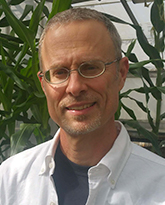
Jessica Knappمشاهده پروفایل
پژوهشگر
Jessica Knapp is an active Researcher at Lund University's Centre for Environmental and Climate Science (CEC), holding multiple roles including Principal Investigator for BECC (Biodiversity and Ecosystem services in a Changing Climate) and Postdoctoral Fellow in Biodiversity and Conservation Science. She operates within the Department of Biology under the Faculty of Science, focusing on transdisciplinary environmental research. Her research interests center on pollination ecology and agricultural landscape management , specifically examining how multiple stressors (habitat loss, pesticides, climate change) impact pollinator health and ecosystem services. She combines ecological field data with psychological and economic analyses to evaluate pollinator conservation practices across Europe through projects like A View Across Fields and Plan Bee . Her ecotoxicological work establishes systems-based approaches for pesticide risk assessment. Current research trends show strong emphasis on pollinator-pesticide interactions (particularly multi-chemical exposures), landscape-scale risk modeling , and field-realistic monitoring techniques like MALDI mass spectrometry for bee health assessment. Recent publications demonstrate growing integration of environmental science with policy-relevant risk assessment frameworks. Scientific Recognition: Elected Fellow of the Royal Entomological Society (2023) She actively advises stakeholders across agricultural sectors and leads multiple funded projects including BeeSYNC (climate-driven pollination synchrony modeling), PollinERA (EU pesticide risk assessment), and A View Across Fields (interdisciplinary pollinator conservation). Her work contributes significantly to UN Sustainable Development Goals related to environmental protection and sustainable agriculture. Dr. Knapp maintains extensive research networks across European institutions, evidenced by her collaborative publications spanning 12 countries and diverse research teams. Her media engagement demonstrates commitment to translating scientific findings for public and policy audiences.