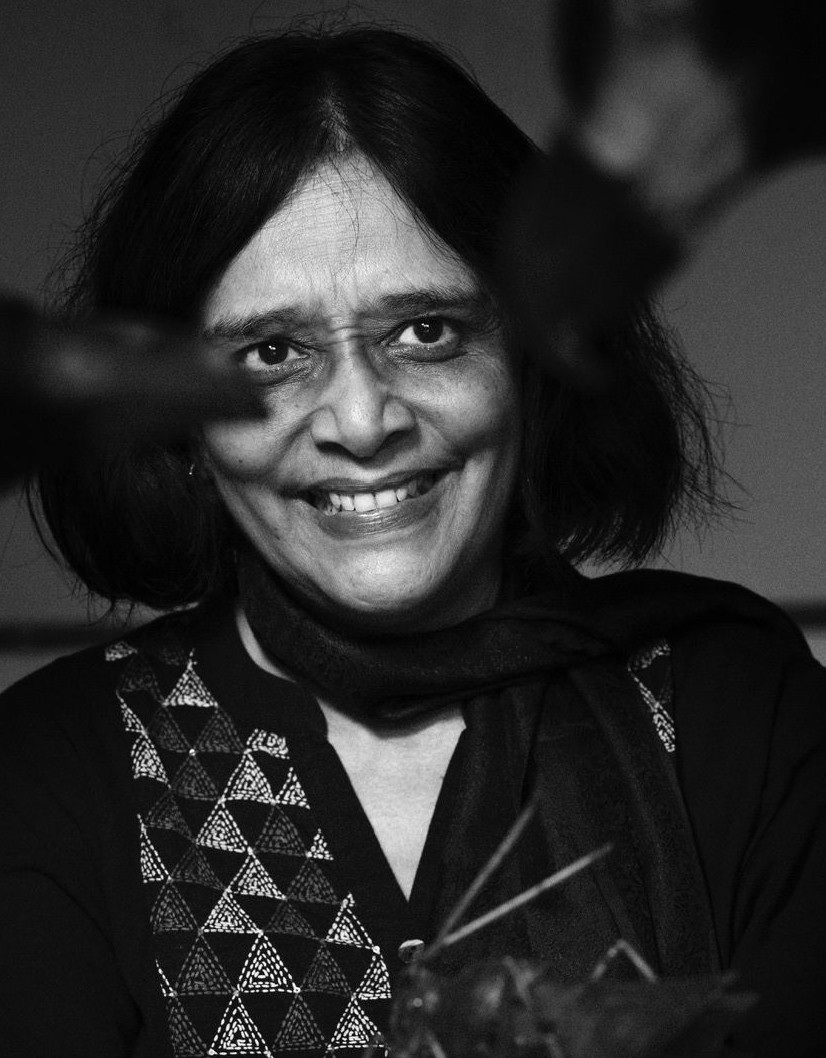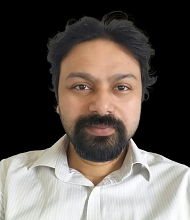
Shovonlal Royمشاهده پروفایل
دانشیار
Shovonlal Roy is an Associate Professor at the University of Reading, School of Archaeology, Geography and Environmental Science (SAGES), where he leads the Marine Ecosystem Science Research Group (MarES) and serves as Research Division Leader for Environmental Science. He teaches Quantitative Analysis of Data in Environmental Science and Ecosystems Modelling at both undergraduate and postgraduate levels, and supervises numerous PhD and postgraduate students. His research spans satellite remote sensing, ecological and biogeochemical modelling, and eco-evolutionary dynamics, with applications to marine ecosystems, fisheries, phytoplankton biodiversity, and climate change. He has secured major funding from the European Space Agency, NERC, Royal Society, and other international bodies. Recent publications highlight trends in phytoplankton size structure, marine carbon cycling, fish population dynamics, and evolutionary ecology, using advanced remote sensing and individual-based modelling techniques. His work integrates satellite data with ecological theory to address pressing environmental challenges. Fellow of the UK Higher Education Academy Associate Editor, Frontiers in Ecology and Evolution (2022–present) Associate Editor, Remote Sensing in Earth Systems Sciences (2016–present) Associate Editor, Remote Sensing for Ecology and Conservation (2014–2017) Review Editor, Frontiers in Marine Science (2014–present) Visiting Professor, Kasetsart University (2025–2026) Visiting Professor, University of Philippines Visayas (2025–2026) Shovonlal Roy has supervised numerous PhD students on topics including climate change impacts on algal blooms, ocean biogeochemistry, fish population modelling, and remote sensing applications. He has been Principal or Co-Investigator on grants from ESA, NERC, Royal Society, and industry partners, focusing on marine ecosystem monitoring, carbon cycling, and sustainable fisheries. His work involves extensive international collaboration with institutes in Thailand, the Philippines, Canada, Austria, and the USA. He is actively involved in research networks including the Scientific Committee for Mathematical Models in Ecology and Evolution (MMEE), GEO-BON, and GEO Blue Planet, contributing to global efforts in ecosystem observation and modelling.