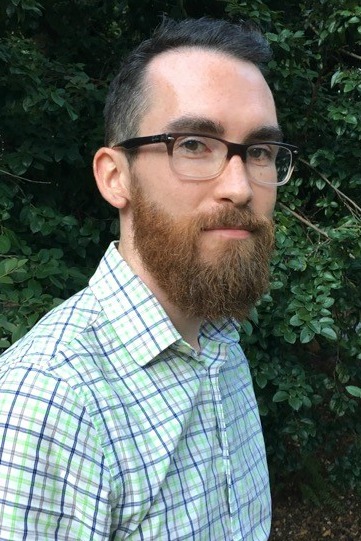
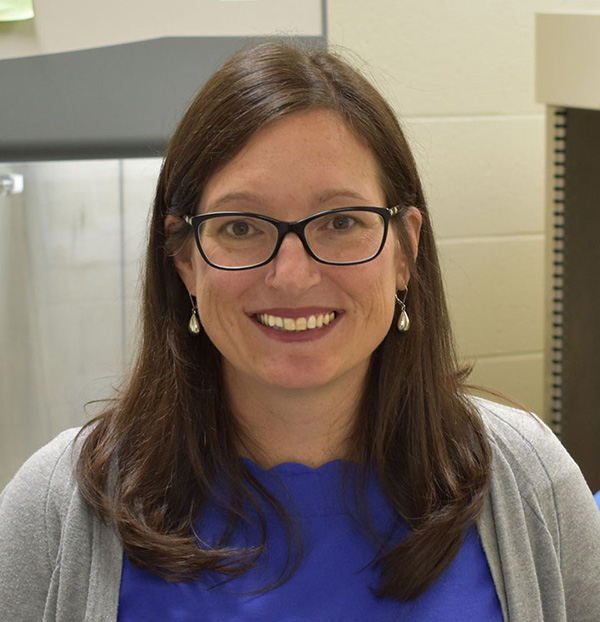
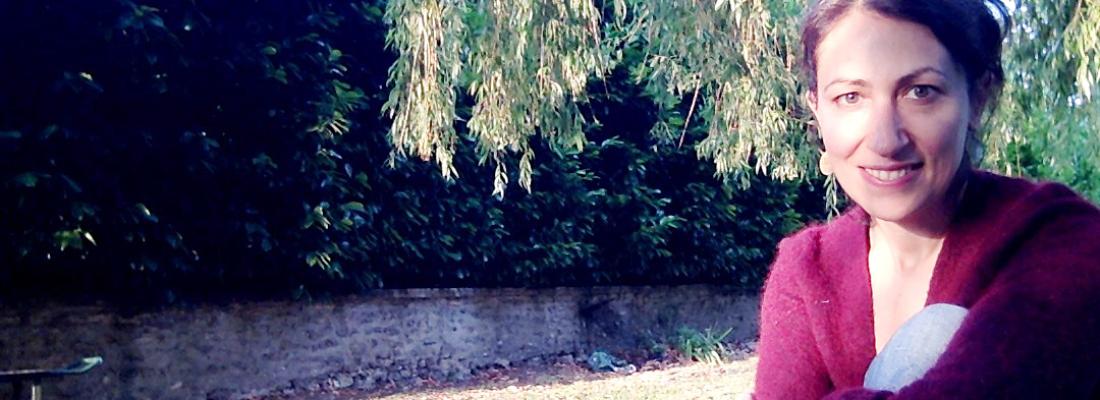
Kevin J Vogel is an Associate Professor in the Department of Entomology at the University of Georgia's College of Agricultural & Environmental Sciences. His research focuses on the physiology of insect disease vectors, particularly mosquitoes and kissing bugs, investigating how microbial symbionts and peptide hormones regulate development and reproduction. University: University of Georgia School: College of Agricultural & Environmental Sciences Department: Entomology Academic Rank: Associate Professor Research interests include: Microbial influence on larval mosquito development Peptide hormone regulation of mosquito reproduction Host-microbe interactions in kissing bugs (Rhodnius prolixus) Role of symbiotic bacteria in B vitamin acquisition Experimental manipulation of host-microbe associations Comparative genomics in vector insects Lab news highlights include the NSF CAREER Award (2023), recent PhD defenses by Nia Keyes-Scott and Carissa Gilliland, and collaborative fieldwork in Arizona with Dr. Eva Novakova. The lab moved to a new facility at Cedar St Building C Room 530H in 2024. NSF CAREER Award (2023) Recent publications focus on vector physiology, microbiome dynamics, and symbiosis mechanisms. Student advisees include Nia Keyes-Scott (PhD), Ashley McCormick (MS), Carissa Gilliland (PhD), and current students Quail Collins, Sara Martin, and Liam Ash.
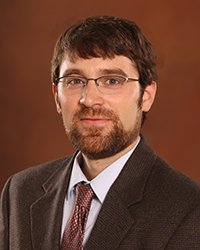
Michael James Conway, Ph.D., is a tenured Professor of Microbiology in the Foundational Sciences Discipline at Central Michigan University College of Medicine. He earned a B.S. from Northern Michigan University, a Ph.D. from Pennsylvania State University College of Medicine, and completed postdoctoral training at Yale University School of Medicine under Dr. Erol Fikrig. His research focuses on virology and vector-borne diseases, particularly flaviviruses (dengue, West Nile) and virus-vector-host interactions. Key investigations include: Mosquito saliva proteins and midgut factors in virus transmission Host lipid metabolism in viral replication Molecular surveillance of SARS-CoV-2, RSV, and influenza via Michigan Network for Environmental Health & Technology (MiNET) Novel insecticide development targeting mosquito metabolism Recent publications emphasize arbovirus mechanisms and public health surveillance, with trends in wastewater epidemiology, metabolic manipulation of vectors, and innovative pathogen detection methods. His work consistently bridges basic virology and applied disease control. Awards & Honors: Provost’s Award for Outstanding Research CMED Excellence in Research Award Sigma Xi and CMU Academy of Medical Educators memberships NIH/Roche Training Award Dr. Conway leads the Conway Lab, which performs molecular surveillance of emerging pathogens and investigates fundamental arbovirus transmission mechanisms. No student advisees or grant details were specified in the source material.
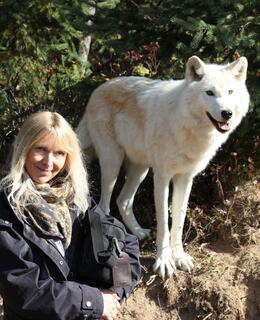
Susan Cork is a Fulltime Professor in the Department of Ecosystem and Public Health at the University of Calgary's Faculty of Veterinary Medicine. She has held leadership roles as founding Head of her department since 2008, focusing on interdisciplinary approaches to global health challenges that bridge veterinary science and public health. Education: Bachelor of Philosophy in Veterinary Sciences (1986), Massey University Bachelor of Veterinary Science (1986), Massey University Doctor of Philosophy in Veterinary Sciences (1994), Massey University Diploma in Public Policy (2006), Victoria University Her research spans ecosystem health, conservation medicine, and wildlife/zoo medicine, with a strong emphasis on disease ecology, vector-borne diseases, and animal health policy. She has led strategic One Health initiatives (2020-2025) and developed predictive models for tick distribution and disease dynamics in North America and Bhutan. Key projects include tick ecology research in Alberta, interdisciplinary mapping of Asian Longhorned Tick distribution, and community engagement in Bhutanese tick control. She has contributed to international veterinary standards through her OIE committee work and produced technical manuals for field staff in low-income countries.
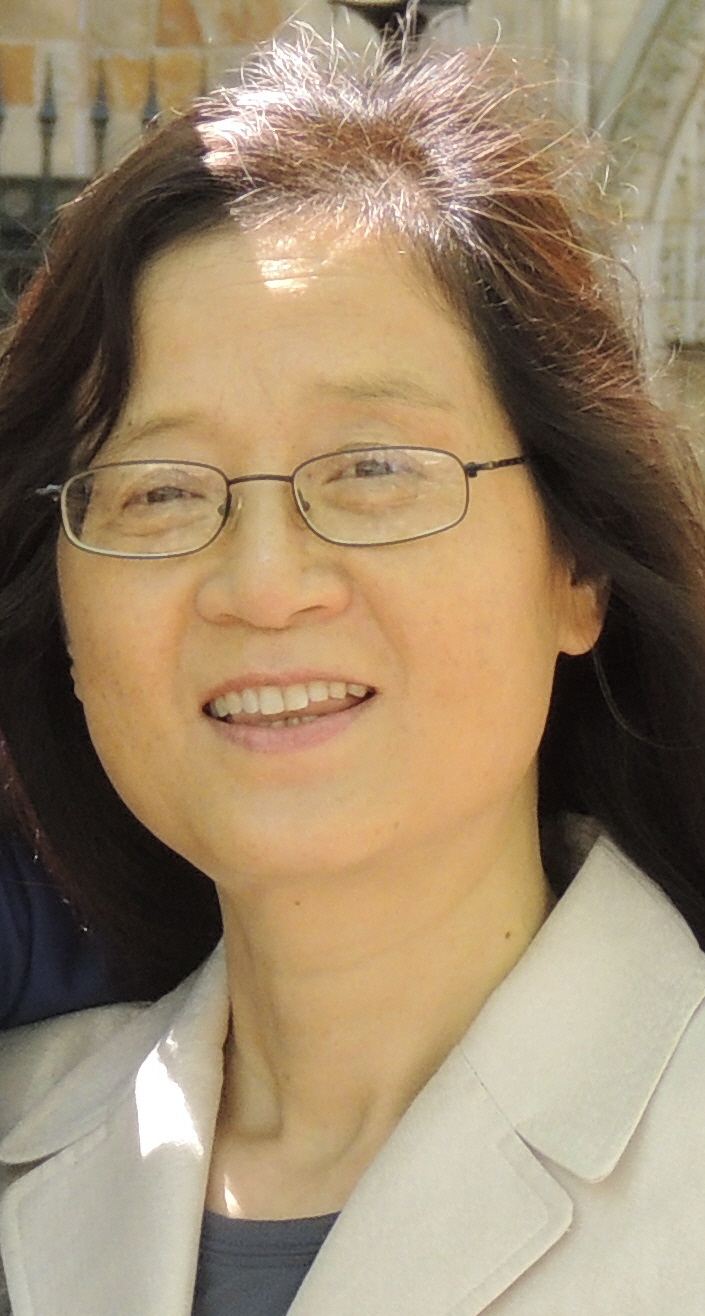
Dr. Carolyn M. Malmstrom is a Professor in the Department of Plant Biology at Michigan State University , where she leads the Malmstrom Lab. Her research focuses on plant-microbe interactions , particularly the ecology and epidemiology of plant viruses in both natural and agricultural systems. Key affiliations: College of Natural Science, DOE Great Lakes Bioenergy Research Center Her work addresses critical questions about viruses in working landscapes —ecosystems balancing conservation with commodity production. She has pioneered studies on switchgrass (Panicum virgatum), a bioenergy feedstock, revealing widespread Switchgrass mosaic virus (SwMV) infections and their ecological impacts. Her team's research demonstrates that SwMV can reduce switchgrass yield through premature senescence, challenging assumptions about benign wild virus-host relationships. Dr. Malmstrom's virology-ecology integration spans continents, including collaborations with Dutch researchers on hop virology. Her lab employs high-throughput sequencing to characterize plant viromes, as seen in the 2020 Frontiers in Microbiology study. She has mentored students like Abbie Schrotenboer (switchgrass virology) and Scott Butterfield (agroecosystem restoration), who continue contributing to conservation science. Current projects examine cross-continental virus dynamics in hop production (Humulus lupulus) and viral spillover at wildland-urban interfaces. Her publications bridge plant pathology, ecological theory, and biofuel sustainability, emphasizing the need for global pathogen surveillance in an era of climate change and land-use intensification.
Scott Emrich is an Associate Professor in the Department of Electrical Engineering and Computer Science at the University of Tennessee, Knoxville. He also serves as the Interim Program Director for the UT-Oak Ridge Innovation Institute (UT-ORII) Ph.D. program in Data Science and Engineering. Dr. Emrich earned his B.S. in Biology and Computer Science from Loyola College in Maryland, followed by a Ph.D. in Bioinformatics and Computational Biology from Iowa State University. Upon completing his Ph.D., he received both the ISU Research Excellence Award and the university-wide Zaffarano Prize for Graduate Research. Before joining the University of Tennessee, he was the Director of Bioinformatics at the University of Notre Dame with faculty appointments in Computer Science and Engineering and Biological Sciences. His research focuses on genome-centric bioinformatics, parallel and distributed computing, and the integration of biological applications with second- and third-generation sequencing technologies. Dr. Emrich has published over 75 peer-reviewed publications in high-impact venues including Science (with 2 covers), PNAS, Nature, and Genome Research. His work has been cited over 14,300 times according to Google Scholar. His research group has introduced novel biological problems to the computer science community and developed bioinformatics frameworks that have contributed to high-impact publications in genomics. Dr. Emrich's publications demonstrate a strong trend toward integrating machine learning and AI approaches with traditional bioinformatics methods, particularly in codon usage analysis, genome assembly, and vector biology. His recent work shows increasing sophistication in language models for biological sequences and reference-free analysis techniques. His scientific awards include: 2008 Zaffrano Prize for Graduate Research ISU Research Excellence Award Dr. Emrich has advised numerous students throughout his career, including current PhD students in Genome Science and Technology and Data Science programs. His research has been supported by multiple NIH awards, including leadership roles on a NIAID contract (VectorBase) and a 2017-funded P01 grant on malaria genetics. Additional funding has come from the U.S. Department of Agriculture (USDA), the Department of Energy (DOE), and the state of Tennessee. He leads a research group focused on developing scalable computational tools that advance our understanding of genome biology. His group has introduced novel biological problems such as the influence of codon usage on protein folding to the broader computer science research community.
Dr. Jinru Chen is a Professor in the Department of Food Science and Technology at the University of Georgia's College of Agricultural and Environmental Sciences. Based at the Griffin campus, his research specializes in food safety microbiology with particular emphasis on pathogen behavior in food systems. Research Focus: Dr. Chen's work centers on molecular detection of foodborne pathogens, epidemiological typing, bacterial stress responses, and control strategies for pathogens in foods. His lab investigates critical areas including: Attachment and internalization mechanisms of Salmonella and pathogenic E. coli in produce Biofilm formation and sanitizer resistance in foodborne pathogens Probiotic functionality in food matrices and gastrointestinal environments Novel decontamination methods for mycotoxins and pathogens Development of therapeutic foods for malnutrition scenarios Publication Trends: Analysis of recent articles reveals consistent focus on pathogen ecology in fresh produce (especially seeds and leafy greens), probiotic-pathogen interactions, and practical interventions for food safety. The research demonstrates strong field-to-fork approaches with studies spanning agricultural production, food processing, and consumer safety.
Marin Talbot Brewer serves as the Department Head and William Terrell Distinguished Professor in the Department of Plant Pathology within the College of Agricultural & Environmental Sciences at the University of Georgia. Her leadership extends across academic, research, and administrative domains with a distinguished career trajectory from Assistant Professor (2011) to her current distinguished professorship (2022-present). Dr. Brewer's educational background includes a Ph.D. in Plant Pathology and Plant-Microbe Biology from Cornell University (2011), an M.S. in Plant, Soil, and Environmental Sciences from the University of Maine (2003), and a B.S. in Biology from the University of Cincinnati (1998). Her research program focuses on the evolution and diversity of plant-pathogenic fungi, with particular emphasis on understanding the genetic basis of emerging fungal threats to plants and people. The Brewer Mycology Lab employs population genetics, population genomics, comparative genomics, and molecular phylogenetics to investigate evolutionary processes that contribute to population-level diversity, species formation, and diversification. Key research areas include the genetic basis for differences in pathogenicity and virulence, how agriculture shapes fungal population structure, phylogeography, fungal mating systems, and solving epidemiological problems including sources of inoculum and evolution of fungicide resistance. Recent work has concentrated on azole resistance in the human pathogen Aspergillus fumigatus in environmental settings. Analysis of Dr. Brewer's recent publications reveals a strong focus on antifungal resistance mechanisms, particularly in Aspergillus fumigatus , with significant contributions to understanding the agricultural origins of clinical resistance. Her work bridges plant pathology and medical mycology, demonstrating how agricultural fungicide use impacts resistance development in human pathogens. Additional research examines emerging plant diseases including gummy stem blight in cucurbits, target spot in cotton, tar spot in corn, and Exobasidium leaf spot in blueberries. Student Career Success Influencer Award (2024) William Terrell Distinguished Professorship (2022) W.H. Weston Award for Excellence in Teaching (2022) DW Brooks Award for Excellence in Teaching (2021) CAES Outstanding Faculty Mentor Award (2019) Dr. Brewer actively mentors graduate students and has secured substantial funding for her research, including USDA NIFA SCRI grants like "SAM: Sustainable Anthracnose Management for Watermelon and Cucumber Growers in the Eastern U.S." Her lab has received funding from diverse sources including USDA NIFA, CDC, Cotton Incorporated, Peanut Foundation, and UGA internal grants. Current research projects investigate population genomics of fungicide resistance in Colletotrichum species and azole resistance in Aspergillus fumigatus across agricultural environments. The Brewer Mycology Lab maintains active collaborations across institutions and disciplines, with research extending from fundamental fungal evolutionary biology to practical disease management solutions for agricultural producers. The lab's work on environmental reservoirs of antifungal resistance has significant implications for both agricultural and clinical settings.
Mathieu SICARD is a researcher and educator involved in the B2i (Biologie Intégrative des Interactions) master's course, a program co-authorized by the Universities of Montpellier and Perpignan. His work spans integrative biology, focusing on microbial symbiosis, virology, and evolutionary ecology. Research Focus : Symbiotic relationships in insects, particularly Wolbachia-induced cytoplasmic incompatibility, mosquito viromes, and Vibrio pathogenesis in marine ecosystems. Methodology : Utilizes genomic sequencing (including Nanopore technology), phylogenetic analysis, and experimental models to study microbial dynamics. Educational Contributions : Teaches units in integrative biology and interdisciplinary research practices. Publication Trends : Recent work emphasizes Wolbachia's role in reproductive manipulation, viral diversity in mosquitoes, and the genomic basis of cytoplasmic incompatibility patterns. His interdisciplinary studies bridge molecular biology, ecology, and public health. Teaching Team : Collaborates with teacher-researchers in the B2i course, focusing on experimental approaches to host-microbe interactions.
Flaminia Catteruccia is the Irene Heinz Given Professor of Immunology and Infectious Diseases at Harvard T.H. Chan School of Public Health. Her research focuses on malaria vector biology, mosquito reproductive physiology, and Plasmodium-mosquito interactions. She leads translational efforts to develop gene drive systems, Wolbachia endosymbionts, and life-shortening compounds for malaria control. Education: Ph.D. in Molecular Entomology, Imperial College London (1999) Her lab investigates molecular mechanisms of mosquito fertility, hormonal signaling pathways (e.g., 20-hydroxyecdysone), and physiological factors enabling Plasmodium development. Fieldwork collaborations in Malawi and Kenya enhance understanding of natural vector-parasite dynamics. Recent publications highlight CRISPR-based sterilization, gene drive docking sites, and metabolic interactions between mosquitoes and pathogens. Awards include the Howard Hughes Medical Institute Investigator title, Faculty Scholar Award, and the ‘Most Powerful Women’ award. Grants: Multiple NIH R01 awards (2015-2028) for malaria vector research The lab collaborates with Kamuzu University Malawi, ICIPE Kenya, and Harvard Chan School teams to combat insecticide resistance and develop innovative malaria control tools.
Dr. Kwang Poo Chang is a Professor of Microbiology and Immunology at Chicago Medical School, Rosalind Franklin University of Medicine and Science, where he has maintained an active research program since 1983. His work focuses on molecular mechanisms of microbial virulence using Leishmania as a model system to dissect invasive/evasive determinants and pathoantigenic determinants responsible for disease manifestation. Dr. Chang earned his BS in Entomology from National Taiwan University (1965), followed by MA and PhD in cell biology/endosymbiosis from the University of Guelph, Canada (1968, 1972). After postdoctoral training at Rockefeller University (1972-1974), he served on their faculty as Research Associate (1974-1976), Assistant Professor (1976-1979), and Associate Professor (1979-1983) before joining Rosalind Franklin University. His research spans molecular biology of virulence genes, biochemical characterization of Leishmania enzymes (gp63, nucleoside diphosphate kinase), host-parasite cellular interactions, and photodynamic approaches for vaccination and therapy. Current projects include genetic dissection of heme biosynthesis defects in trypanosomatids and development of photo-medicines for infectious diseases and cancer. Analysis of Dr. Chang's publication record reveals sustained contributions to parasitology with recent emphasis on photodynamic vaccination (2018), vector control (2016), and disease epidemiology (2015). His work bridges fundamental molecular mechanisms with translational applications, particularly in neglected tropical diseases. Dr. Chang's NIH-funded research demonstrates significant scholarly impact, with over 50 peer-reviewed publications spanning five decades. His laboratory within the Center for Cancer Cell Biology, Immunology, and Infection provides interdisciplinary training in molecular parasitology and therapeutic development. Students in Dr. Chang's laboratory gain expertise in gene transfection systems, protein purification techniques, host-pathogen interaction assays, and photodynamic therapy applications. His international collaborations with researchers in Brazil, China, and other countries provide additional opportunities for global health engagement.
Professor Fabio Augusto Milner is a faculty member at Arizona State University's School of Mathematical and Statistical Sciences, where he serves as Director of Mathematics for STEM Education and Co-Director for Outreach and Educational Programs at the Simon A Levin Mathematical, Computational, and Modeling Sciences Center. He also holds affiliate status with the Mary Lou Fulton College for Teaching and Learning Innovation. His research spans mathematical biology, with particular expertise in structured population models for demography, epidemiology, and ecology. Education: Ph.D. in Mathematics, University of Chicago, 1983 M.S. in Mathematics, University of Chicago, 1979 Licenciado in Mathematics, Universidad de Buenos Aires, 1976 Professor Milner's research focuses on developing mathematical models structured by age, sex, immunological variables, and other relevant factors to study population dynamics, disease transmission, and ecological systems. His work integrates theoretical analysis with practical applications, particularly in epidemiological modeling where he has pioneered approaches that connect individual-level immunological processes with population-level disease spread. He has made significant contributions to understanding tumor growth, schistosomiasis transmission, and two-sex demographic models. His recent publications demonstrate continued focus on mathematical modeling of biological systems, with increasing attention to educational applications. The articles show a progression from theoretical population models to more applied work in epidemiology, ecology, and mathematics education, reflecting his interdisciplinary approach that bridges pure mathematics with real-world problems in public health and education. Scientific Awards: Champion, First Argentine Mathematical Olympiad (OMA), 1970 Professor Milner has advised 19 doctoral students throughout his career, including Robert Álvarez, Youngjoon Cha, and Ruijun Zhao. His research has been supported by multiple NSF grants, including projects on preparing future mathematics faculty and scaling professional development models for algebra through precalculus teaching. He has served on editorial boards for Mathematical Population Studies and Mathematical Modeling of Natural Phenomena, and has organized several major conferences including the Computational and Mathematical Population Dynamics (CMPD) series and the Mathematical Innovative Methods and Models of Biosciences Workshop (MIMMO-BIO). He leads research teams through the Mathematical, Computational, and Modeling Sciences Center at ASU, collaborating with interdisciplinary researchers to develop mathematical approaches for addressing complex problems in biological and social systems, with recent work focusing on integrating immunological and epidemiological models at multiple scales.
René Bødker is a Senior Researcher in the Vector Group within the Section of Animal Welfare and Disease Control at the Department of Veterinary and Animal Sciences, University of Copenhagen's Faculty of Health and Medical Sciences. With over 30 years of experience, he specializes in monitoring and quantifying vector-borne disease transmission across Africa and Europe, and currently heads the Danish national vector surveillance program. Dr. Bødker's research focuses on quantifying and predicting transmission potential in time and space using robust mechanistic transmission models driven by detailed environmental and meteorological data. His work attempts to mimic biological processes step by step through modular approaches including: 'Biting daily rate' calculations 'Vector survival rate' estimations 'Virus development time in the vector' measurements His recent publication trends show a strong focus on vector-borne diseases in Northern Europe, particularly tick-borne encephalitis, West Nile virus, and African Swine Fever. His work integrates field surveillance data with sophisticated modeling approaches to address critical questions about disease transmission dynamics and risk assessment in changing climatic conditions. Dr. Bødker leads the Vector Group, which operates sentinel monitoring sites for ticks, mosquitoes and biting midges across Denmark (www.myggetal.dk). The group is actively involved in outbreak investigations both domestically and internationally, and works on identifying and ranking emerging vector-borne disease risks in Denmark.
Dr. Chris John Potter is a Professor of Neuroscience at Johns Hopkins University School of Medicine, where he has been faculty since 2010. His research program investigates neural mechanisms of olfaction in disease-transmitting insects, particularly malaria mosquitoes. Dr. Potter leads the Christopher Potter Lab, developing genetic tools like the Q-system to study sensory processing and behavior. Education: Ph.D. in Genetics, Yale University (2002) B.A. in Molecular and Cell Biology, University of California, Berkeley (1996) Postdoctoral Fellowship in Neuroscience, Stanford University (2010) Research focuses on: Neural circuit basis of olfactory behaviors in Drosophila and mosquitoes Development of genetic tools for neural manipulation Chemosensory mechanisms guiding mosquito host-seeking and oviposition Translational applications for vector-borne disease control Recent publications emphasize mosquito neurobiology, genetic tool development, and olfactory coding mechanisms. His work consistently integrates molecular genetics with systems neuroscience approaches. Honors and Awards: NIH R21 Grants (NIAID 2018, NINDS 2015) Johns Hopkins Discovery Award (2017) Malaria Research Institute Pilot Award (2015) Whitehall Foundation Grant (2011) Damon Runyon Fellowship (2003) The Potter Lab ( potterlab.johnshopkins.edu ) develops transgenic approaches to study sensory processing. Current projects investigate mosquito olfactory circuits using calcium imaging, single-cell sequencing, and behavioral assays. Dr. Potter collaborates with public health researchers to translate basic discoveries into vector control strategies.
Christopher W. Harbison is an Associate Professor in the Department of Biology at Siena University, where he has served since 2008 after promotions from Assistant to Associate Professor. His academic journey includes prior roles at Carleton College and the University of Utah, grounded in field research experience across national parks and ecological sites. His educational credentials include: Ph.D. in Biology, University of Utah B.A. in Biology, Carleton College Dr. Harbison's research centers on evolutionary ecology and parasitology , specifically investigating bird-parasite coevolutionary dynamics . Using integrated field and laboratory approaches, he examines how ecological interactions drive adaptations in host-parasite systems like feather-feeding lice on birds. His work spans ornithology , behavioral ecology , and coevolutionary theory , revealing mechanisms from thermal orientation in parasites to geographic variation in parasite communities. This research bridges fundamental biological principles with real-world ecological applications. His publication record demonstrates consistent innovation in host-parasite studies, evolving from foundational work on louse transmission (2006-2009) toward complex community ecology and coevolutionary modeling (2010-2020). Key trends include increasing integration of behavioral observations with molecular techniques and expansion from single-host systems to multi-parasite community dynamics. His scientific recognition includes: Siena Summer Scholars Fellowship (2014) COTFD Faculty Pedagogy Grant (2013) Siena Summer Scholars Fellowship (2012) Dr. Harbison actively mentors undergraduates through research-integrated teaching, particularly in Ornithology and Evolution courses. His grants support both scholarly research (Summer Scholars) and pedagogical innovation (COTFD Grant), reflecting dual commitments to discovery and education. He emphasizes developing student research skills through hands-on experimentation in small-class settings. His research program utilizes field sites and laboratory facilities for behavioral experiments on avian parasites, frequently involving student collaborators in data collection and analysis of host-parasite adaptation mechanisms.
Julie Reveillaud is a Researcher at INRAE affiliated with the University of Montpellier, specializing in ecogenomics of insect-microbe symbiosis. Awarded an ERC Starting Grant in 2020 for her RosaLind project, she investigates Wolbachia-mosquito interactions to develop novel control strategies against infectious diseases like West Nile virus. Education: PhD in Biotechnology, Ghent University (2011) Master in Biotechnology and Bioinformatics, Wageningen University (2004) Master in Bioprocess Engineering, University of Montpellier (2003) Licence in Life Sciences, University of Paris 6 (1999) Her research integrates Microbiome Dynamics , Symbiotic Mechanisms , and Pathogen Control Strategies , leveraging ecogenomics to analyze bacterial communities in disease vectors. The RosaLind project examines Wolbachia's genetic variability, symbiont-organ interactions, and the pWCP plasmid's potential for biological control. Scientific Recognition: ERC Starting Grant 2020 (1 of 38 French awardees) Leading the 'Diversity, Genomes and Microorganism-Insect Interactions' research unit at INRAE's Occitanie-Montpellier center, she coordinates international collaborations to advance vector-borne disease control through multidisciplinary approaches in biology, computer science, and mathematics.