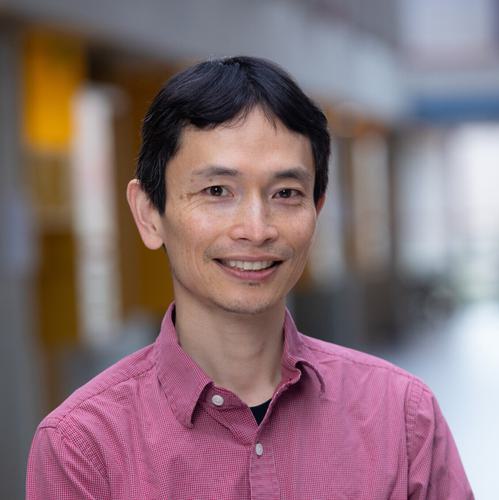
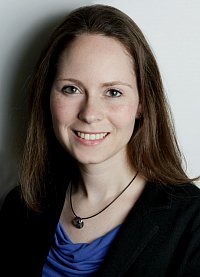
Yui Suzuki is a Professor of Biological Sciences at Wellesley College. She leads the Suzuki Lab, focusing on evolutionary developmental biology, developmental genetics, and insect physiology. Her research explores gene-environment interactions in phenotypic plasticity and insect metamorphosis evolution. Education: B.A. from Bowdoin College, Ph.D. from Duke University. Her laboratory uses Tribolium castaneum to investigate metamorphosis evolution and cellular plasticity. Collaborations include Harvard University, Northeastern University, Tufts University, and Wellesley College's Dr. Heather Mattila. She mentors student research and encourages conference participation and co-authorships. Scientific Awards: Dorothy and Charles Jenkins, Jr. Distinguished Chair in Science. She teaches courses in developmental biology, evo-devo, and cell/molecular biology. Her lab members include undergraduate researchers from Wellesley and visiting students from other institutions. Outside academia, she enjoys cycling, skiing, and composing music inspired by insects.
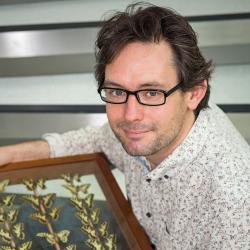
Jacobus J. Boomsma is a Professor in the Department of Biology at the University of Copenhagen's Faculty of Natural and Life Sciences, specializing in Ecology and Evolution. With a career spanning over four decades since earning his PhD in 1982, he has established himself as a leading authority in evolutionary biology, particularly in social evolution and insect symbiosis research. His research focuses on the biology of cooperation and conflict to understand adaptive design by natural selection, with particular emphasis on social insects. Boomsma has conducted extensive fieldwork on fungus-growing ants for 25 years through the Smithsonian Tropical Research Institute in Panama, while also initiating research programs across Denmark, Europe, Africa and Southeast Asia. His work combines molecular methods with kin-selection theory to address questions about evolutionary transitions in organizational complexity. More recently, he has expanded his research to include evolutionary medicine applications using Danish public health data. Boomsma's publication record is exceptional, with over 325 publications in Google Scholar, more than 23,900 citations, and an h-index of 85. His work appears in top-tier journals including 5 papers in Nature, 7 in Science, 10 in PNAS, and numerous other high-impact publications. His research has explored diverse aspects of social insect biology, including ant-fungus symbiosis, disease management in ant colonies, reproductive strategies, and the genetic basis of social organization. Awards and Honors: C.&C. Huygens Excellence Fellowship (1985-1990) Elected Member of the Royal Danish Academy of Sciences and Letters (1998) Alexander von Humboldt Research Award (2001) Honorary Doctorate from University of Helsinki (2010) Knighthood in the Royal Danish Order of Dannebrog (2015) Quadrennial Hamilton Award for lifetime achievement (2018) Elected Fellow of AAAS (2019) Elected Member of Sigma Xi (2023) Boomsma has trained over 25 PhD students and 30 postdocs, with 23 of his trainees securing tenured academic positions (10 now full professors). His leadership includes serving as Director of the Centre for Social Evolution (2005-2018), coordinating EU research networks, and chairing ERC panels. He has held editorial positions for numerous prestigious journals including Proceedings of The Royal Society series B and BMC Ecology and Evolution. His laboratory and research group at the University of Copenhagen, previously housed within the Centre for Social Evolution, represents a major hub for evolutionary biology research in Europe, with extensive international collaborations across multiple continents.
Dr. Daniela E. Winkler is a Postdoc (Assistant) at Kiel University's Zoological Institute and Museum, working within the Böhmer Group focused on Zoology and Functional Morphology of Vertebrates. She conducts research on dental microwear texture analysis across various vertebrate species, both extant and fossil, to reconstruct dietary patterns and ecological adaptations. Her position includes teaching responsibilities and she is currently working on her habilitation. Dr. Winkler earned her doctorate from the University of Hamburg on the functional morphology of ungulate dentition (magna cum laude). Her academic journey includes postdoctoral research at the University of Mainz (2016-2020) in the ERC project 'Vertebrate Herbivory' with Prof. Thomas Tütken, followed by a JSPS Postdoctoral Fellowship at the University of Tokyo (2020-2022) with Dr. Mugino O. Kubo. Since December 2022, she has been working at Kiel University on her habilitation while serving as an elected member of the CAU Postdocs' Interest Group (2023-2025). Her research primarily focuses on functional morphology and dental wear analyses across diverse vertebrate groups including mammals, lepidosaurs, and archosaurs. Through dental microwear texture analysis, she investigates how wear patterns can reveal information about diet, habitat, and paleoecology. Her experimental approach combines feeding experiments with analysis of collection material, examining both microscopic and macroscopic wear patterns. She is particularly interested in how internal (phytoliths) and external (mineral dust) abrasives affect dental wear formation, and how these patterns can be used for dietary reconstruction in both extant and extinct species. Dr. Winkler has expressed interest in expanding her research to include invertebrate mouthparts, recognizing that all feeding structures show signs of wear. Analysis of Dr. Winkler's recent publications (2023-2025) reveals a strong methodological focus on dental microwear texture analysis (DMTA), with particular attention to instrument comparability and standardization across different optical profilometers. Her work spans diverse taxa including sauropod dinosaurs, crocodyliforms, small mammals, and even invertebrates like crickets, demonstrating the broad applicability of DMTA across vertebrate systems. A significant portion of her research involves controlled feeding experiments with model organisms like guinea pigs and rats to establish baseline relationships between diet composition and resulting microwear patterns, with applications in paleontology, ecology, and evolutionary biology. CAU DenkRaum Fellowship (2024-2026) for interdisciplinary work on 'Energy in the Changing Times and the World' Dr. Winkler serves as an active member of the CAU Postdocs' Interest Group and has been involved in several collaborative research projects. Her teaching responsibilities include practical exercises and lectures in fundamental zoology (biol102), biodiversity identification (biol104), and vertebrate evolution courses (biol-261/biol-261b), including outdoor excursions to locations like the Wadden Sea. She has supervised student research projects within the Böhmer Group and collaborates extensively with researchers across multiple institutions in Germany, Japan, and Switzerland. As part of the Böhmer Group at Kiel University, Dr. Winkler works within a multidisciplinary team that includes Prof. Christine Böhmer, Dr. Ghislaine Cárdenas Posada, and other researchers. Her laboratory work involves advanced imaging techniques and dental microwear texture analysis using optical profilometers, with applications spanning paleontology, ecology, and evolutionary biology. Her research has received media attention including coverage in Spiegel online (October 6, 2024), DER SPIEGEL 41/2024, and Kieler Nachrichten (October 24, 2024).
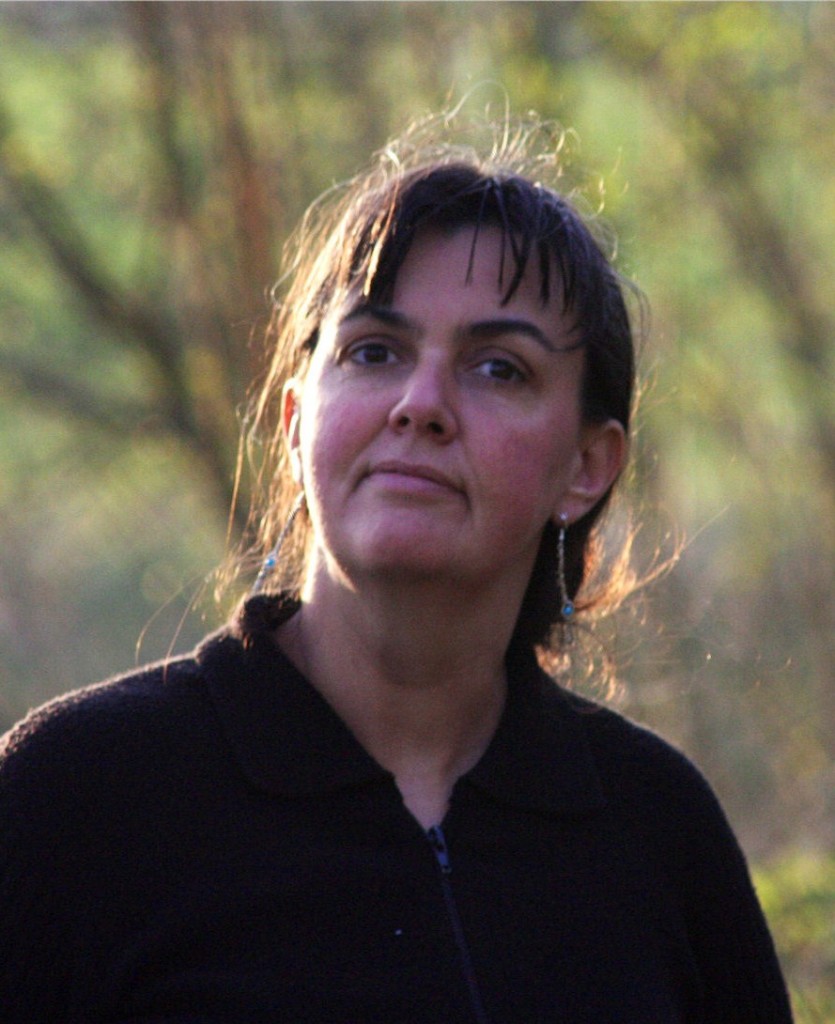
Renata Bažok is a Full Professor at the Department of Agricultural Zoology, Faculty of Agriculture, University of Zagreb. She holds permanent faculty status since 2017 and has a 30-year career in entomology and plant protection. Her academic qualifications include a PhD (2001) and master's (1996) in Biotechnical Sciences, specializing in phytomedicine. PhD, Biotechnical Science (Agriculture, Phytomedicine), University of Zagreb (2001) MSc, Biotechnical Science (Agriculture, Phytomedicine), University of Zagreb (1996) Dipl.ing. Agriculture (Plant Protection), University of Zagreb (1987) Her research focuses on insect pests of field crops and vegetables, particularly western corn rootworm, wireworms, Colorado potato beetle, and sugar beet pests. Key areas include pesticide resistance, side effects on beneficial organisms, integrated pest management (IPM), and biological control methods. She coordinates major EU-funded projects like LIFE+ and COST initiatives while collaborating with institutions across Europe. Recent publications examine neonicotinoid bans, EPN efficacy against beet pests, and IPM implementation challenges. Her work spans 15+ projects addressing pesticide sustainability, resistance monitoring, and organic farming training. Awards include Fullbright and Cochran fellowships for research at Purdue University. Fullbright Scholarship (2012), Purdue University Cochran Fellowship (1997), Purdue University Prof. Bažok teaches courses on applied entomology, biological control, and plant protection legislation. She leads study programs, serves on editorial boards for journals like Nature and Journal of Plant Protection , and chairs national committees on GMO regulations and plant protection policy.
Assoc. Prof. Ivana Pajač Živković is an Associate Professor at the Faculty of Agriculture, University of Zagreb , specializing in Agricultural Entomology at the Division for Phytomedicine. Her research focuses on integrated fruit and grape protection , molecular identification of pests , and invasive arthropod dynamics , with expertise in Cydia pomonella genetics and geometric morphometrics . Education: Doctor of Science (2009-2012), Faculty of Agriculture, University of Zagreb Master Engineer of Phytomedicine (2001-2007), Faculty of Agriculture, University of Zagreb Her publications emphasize technology-driven pest monitoring (e.g., machine learning, hyperspectral imaging) and biological control strategies for invasive species like Halyomorpha halys and Cydalima perspectalis . Recent work explores caffeine-based biopesticides and wing morphometric tracking for population spread analysis. Professional activities include editorial roles at Agriculturae Conspectus Scientificus (2021-) and Entomologia Croatica (2011-2016). She has coordinated projects on pesticide resistance monitoring and invasive species management , funded by Croatian Science Foundation and EU programs.
Edgar Turner is a Research Fellow at the University of Cambridge's Department of Zoology, specializing in biodiversity conservation in human-dominated landscapes. His work spans the UK and Southeast Asia, focusing on insects and ecosystem processes. Key Affiliations: Bedfordshire, Cambridgeshire & Northamptonshire Wildlife Trust, Wiltshire Wildlife Trust, RSPB, Sinar Mas Agro Resources & Technology Research Institute, Universiti Putra Malaysia, IPB University Bogor, Wild Asia. Research Interests: Turner investigates climate change adaptation strategies in UK nature reserves and sustainable oil palm management in tropical regions. Projects include artificial butterfly banks to manipulate microclimates and restoring river margins in existing plantations. Large-scale field experiments assessing management impacts on biodiversity Public engagement through the Museum of Zoology's collections Focus on insects, particularly butterflies and arthropods in agroecosystems Recent Publications highlight oil palm cultivation effects on arthropods, climate change mitigation in tropical forests, and thermoregulatory strategies in insects. His work bridges tropical agriculture sustainability and UK grassland conservation.
Zacharias Skouras is a Professor in the Department of Biology at the School of Sciences, Aristotle University of Thessaloniki. With a research career spanning over three decades, his work has significantly contributed to molecular genetics, particularly in Drosophila research, chromosome structure, and heat shock protein mechanisms. Department of Biology, School of Sciences Aristotle University of Thessaloniki His primary research interests focus on molecular genetics, with emphasis on Drosophila polytene chromosomes, heat shock proteins (particularly HSP70 and HSP90), and more recently computational biology and biological networks. His work bridges fundamental molecular mechanisms with environmental adaptation studies, particularly in Mediterranean species like Mytilus galloprovincialis. He has made significant contributions to understanding gene organization, expression patterns, and evolutionary aspects of stress response mechanisms. Analysis of his 15 most recent publications reveals a research trajectory evolving from classical Drosophila genetics toward broader applications in environmental adaptation, marine biology, and computational approaches. Early work focused on detailed cytogenetic studies of Drosophila species, while more recent publications demonstrate expansion into chromium bioremediation mechanisms, brown bear conservation genetics, and computational modeling of biological networks. This progression reflects an integration of molecular genetics with environmental challenges and systems biology approaches. Dr. Skouras has supervised and collaborated with numerous researchers who have become established scientists in their own right, including Elena Drosopoulou, Chrysoula Pantzartzi, and Pinelopi Mavragani-Tsipidou. His work has received consistent research funding enabling extensive field and laboratory studies across multiple biological systems. His laboratory has maintained a focus on both basic molecular mechanisms and applied environmental research, with particular expertise in stress response pathways across diverse biological systems from insects to marine mollusks and mammals. This dual focus has enabled translational applications of fundamental genetic research to environmental and conservation challenges.
Guillaume Decocq is a Professor of Plant and Fungal Sciences and Hospital Practitioner at the University of Picardy Jules Verne, affiliated with the Faculty of Science. He directs the research unit "Ecology and Dynamics of Anthropized Systems" (Edysan), heads the PRiMAX Functional Unit at Amiens University Hospital, and co-leads the "Environment" axis within the SFR Condorcet research federation. His educational background encompasses dual doctorates in Pharmacy and Botany. Research focuses on human impacts on forest biodiversity across temperate/tropical systems, integrating historical ecology, landscape dynamics, and spatio-temporal analysis. Key investigations examine nitrogen deposition effects, fragmentation legacies, and microclimate buffering in plant communities. Recent publications (2023-2025) demonstrate interdisciplinary convergence between forest ecology, environmental health, and socio-ecological systems. Dominant trends include westward range shifts linked to nitrogen pollution, invasive species adaptation mechanisms, and antifungal resistance as an environmental threat, reflecting methodological integration of field ecology with public health metrics. Prof. Decocq has supervised 10 graduate students including Justin Kassi N'Dja and Aurélien Jamoneau. He coordinates major projects such as smallFOREST (BiodivERsA), METAFOR, and GENESYS, securing EU and national funding for forest biodiversity and environmental risk assessment. Teaching spans pharmacy botany (PACES to Master's level) and ecology programs, including direction of the "Field Botany" continuing education diploma.
Géraldine Doury is a Lecturer at Université de Picardie Jules Verne specializing in ecophysiology of multitrophic interactions between plants, phytophagous insects, and entomophagous insects in agro-ecosystems. Her work bridges fundamental and applied research to develop sustainable crop protection strategies through biological mechanisms. Education: Doctor of Life Sciences, University of Tours Research Interests: Dr. Doury investigates ecological, evolutionary, and molecular mechanisms governing host resistance and parasite virulence in host-parasitoid systems. Her research spans from molecular traits to landscape-level processes, focusing on sustainable pest control via companion planting, microbial agents, and behavioral disruption of pests. Key applications include eco-responsible orchard management and innovative biological control strategies. Recent Publications Trend: Her 2021-2022 publications demonstrate a cohesive focus on behavioral disruption of pests using natural compounds (garlic essential oil, Bacillus lipopeptides), genetic studies of host plants (Malus sylvestris), and multi-scale biodiversity assessments. These works collectively advance integrated pest management through companion planting strategies, venom toxin valorization, and landscape heterogeneity analysis in European farmlands. Scientific Awards: No scientific awards listed Advising and Grants: Dr. Doury has co-supervised three PhD theses on pest behavior disruption, thermal stress effects on parasitoids, and cellular defense in Drosophila. She participates in major funded projects including PROVERBIO (Interreg, 2019-2022) for orchard biological control, ZEROPH(F)YTO (Interreg, 2019-2022) for cross-border agricultural knowledge, PARAVETOX (Hauts de France, 2019) on parasitoid venom toxins, and WOODNET (BiodivERsA, 2017-2020) for landscape connectivity analysis. Labs and Teams: As an active member of EDYSAN research unit (CNRS-UPJV joint unit), she served on the Unit Council (2012-2020) and as scientific animation delegate (2012-2017). She collaborates internationally through projects like WOODNET and PROVERBIO, integrating molecular ecology with landscape-scale agricultural applications.
Dr. Joanna Richmond is a cell biologist and Researcher at the University of New South Wales (UNSW), where she manages the Electron Microscopy PC2 / GMO certified cell culture facility at the Mark Wainwright Analytical Centre (MWAC). She specializes in electron microscopy techniques and teaches histology and anatomy, with extensive expertise in transmission and scanning electron microscopy, high-pressure freezing, CLEM, Immuno EM, and volume EM. Dr. Richmond earned her PhD in Anatomy and Histology from the University of Sydney in 2008. Her academic journey includes: BSc (Hons) - University of Sydney (1999-2003) PhD - University of Sydney - Evolution of Viviparity (2005-2008) Research Associate - Australian Centre for Microscopy and Microanalysis (2008-2011) Post-doctoral Researcher - University of Helsinki (2011-2018) Research Associate - University of New South Wales (2018-present) Her research spans diverse applications including nanoparticle uptake in cells, ultrastructure of sea sponges and insect ovarioles, biocompatibility assays for bone regeneration, hydrogel-cell interactions, drug clinical trials, lab-grown meats, cellular agriculture, plant ultrastructure, and analysis of animal and human biopsies. She has developed a successful hands-on cell culture training module that has enabled her to train numerous researchers from Chemistry, Chemical Engineering, and Material Science departments in aseptic techniques. As part of MWAC - described as 'the largest shared facility in Australia' with 25 labs - Dr. Richmond provides training and support for collaborative projects with researchers from UNSW, other institutions, hospitals, and industry partners. Her work effectively bridges biological and material sciences through interdisciplinary research collaborations.
Dr. Mustafa Ojonuba Jibrin is an Assistant Professor in the Department of Entomology and Plant Pathology at Oklahoma State University. His research-extension program (30% research, 70% extension) focuses on horticultural crop disease management, particularly pecans, grapes, ornamentals, and vegetables, with emphasis on transition climate impacts. He collaborates with multiple agricultural associations including Oklahoma Pecan Growers Association and Oklahoma Grape Industry Council. Research Themes: Pathosystems of horticultural crops, small molecule drug discovery, climate-disease interactions, OMICs approaches for pathogen characterization Specialties: Bacterial spot disease, phytoplasma diagnostics, metabolomics, disease surveillance, sustainable agricultural practices Recent Publications: His work spans bacterial spot control in tomatoes using novel chemicals, phytoplasma disease mapping in Africa, Xylella fastidiosa diagnostics in elderberry, and metabolomic insights into pathogen control. These studies integrate traditional and advanced genomic/proteomic tools. Professional Engagement: Member of the American Phytopathological Society and American Society for Enology and Viticulture. Delivers extension workshops and disease management training for Oklahoma growers.
Professor Kate E Tunstall (University of Oxford, Faculty of Medieval and Modern Languages, Department of French) specializes in French 18th-century literary history, focusing on Diderot, querelles, materiality, and anonymity. She co-edits collections, contributes to translation studies, and explores visual/material culture. Her research is funded by the John Fell OUP Research Fund. Current projects: Charlotte Bourette's café culture poetry, Julie de Lespinasse's manuscript miscellany, and Diderot's dressing gowns editions Key roles: Former General Editor of Journal for Eighteenth-Century Studies , Academic Programme Director for Voltaire Foundation's Besterman Centre, co-founder of ANR-funded AGON research collective Her publications analyze Enlightenment authorship, including co-edited works like Women and Querelles in Early Modern France (2022) and books such as Blindness and Enlightenment (2011). Translations of Diderot's Rameau's Nephew (2014) and Regrets sur ma vieille robe de chambre (2016) highlight her philological expertise. Recent articles examine topics like 18th-century Parisian literary economies, Diderot's material culture critiques, and anonymity practices across eras. Themes span Political Violence , Intertextual Blindness , and Enlightenment Networks . Scientific Awards : Chevalière dans l'Ordre des Palmes Académiques 2015 British Society for 18thc Studies Prize for digital resources She mentors graduate students in Enlightenment literature, advocates for higher education access as a comprehensive school graduate, and contributes to public discourse via the Oxford Amnesty Lectures and Campaign for the Public University.
Julie C. Dunning Hotopp is a Professor in the Department of Microbiology and Immunology at the University of Maryland School of Medicine and a Member of the Institute for Genome Sciences. Her pioneering work on lateral gene transfer between bacteria and animals has reshaped understanding of host-microbe genomic interactions, with significant implications for human disease mechanisms. Her academic journey includes: B.S. in Microbiology and Immunology from the University of Rochester (1993-1997) Ph.D. in Microbiology and Molecular Genetics from Michigan State University (1997-2002) Postdoctoral Fellowship at The Institute for Genomic Research (2002-2005) Dunning Hotopp's research centers on lateral gene transfer (LGT) from bacteria to animal hosts. Her landmark 2007 Science paper demonstrated extensive LGT from Wolbachia to invertebrates, ranked 73rd in Discover Magazine's top 100 discoveries of 2007. She expanded this to human somatic genomes, presenting computational evidence of bacterial DNA integration in cancer genomes (PLoS Comput Bio, 2013). Her work spans Wolbachia symbiosis in insects/nematodes, pathogen genomics of Ehrlichia/Anaplasma/Neisseria, and developing bioinformatics tools for genomic analysis. Recent publications reveal three converging research trajectories: bacterial DNA integration mechanisms in human cancers, Wolbachia-host coevolution in filarial diseases, and pathogen genomics for emerging infectious diseases. Her team combines computational genomics with molecular validation to explore LGT's role in disease pathogenesis. Her major accolades include: NIH Director’s New Innovator Award (2010) Leading Women of Maryland (2010) Genome Technology Young Investigator (2010) NIH Transformative Research Award (2015) Supported by substantial NIH funding including the New Innovator and Transformative Research Awards, her laboratory trains next-generation genomic scientists while pioneering methods to detect bacterial DNA integrations. Current projects focus on validating LGT events in cancer genomes and identifying novel drug targets for lymphatic filariasis through transferred bacterial genes. She directs two research groups at the Institute for Genome Sciences: the Lateral Gene Transfer Lab (igs.umaryland.edu/labs/lgthgt/) and her primary laboratory (igs.umaryland.edu/labs/hotopp/), where interdisciplinary teams employ single-molecule sequencing, comparative genomics, and bioinformatics to investigate host-microbe evolutionary dynamics.
Dr. Mareike Koppik is a researcher at the Martin Luther University Halle-Wittenberg within the Faculty of Natural Sciences I - Biosciences , specifically affiliated with the Animal Ecology Group . Her work focuses on evolutionary and reproductive biology, with a strong emphasis on sexual conflict, aging, and physiological adaptation in insects like Drosophila melanogaster and parasitic wasps. Her research explores themes such as: Sexual selection and postcopulatory dynamics Reproductive aging and ejaculate senescence Temperature sensitivity in fertility Molecular and behavioral responses to mating Evolutionary trade-offs in resource allocation A systematic analysis of her publications reveals a consistent focus on integrating molecular mechanisms with ecological and evolutionary frameworks to understand reproductive strategies and aging. She collaborates extensively with researchers in physiology, genetics, and behavioral ecology. Her contact information includes the email mareike.koppik@zoologie.uni-halle.de .
Sabine Nöbel is a researcher at the Martin Luther University Halle-Wittenberg, affiliated with the Faculty of Natural Sciences I - Biosciences, Institute of Biology, Zoology, Animal Ecology group. Her work focuses on mate copying, cultural evolution, and social learning mechanisms in insects, particularly Drosophila melanogaster. Current affiliation: Institute of Biology, Zoology, Animal Ecology group, University of Halle Research areas: Mate copying, cultural evolution, social learning in insects Email: sabine.noebel@zoologie.uni-halle.de Nöbel's research explores how social behavior and learning influence mate choice, with studies on neural substrates like mushroom bodies, neurotransmitters (dopamine, serotonin), and genetic factors (Rutabaga). Her work has implications for understanding cultural transmission mechanisms across species. Recent publications demonstrate her focus on mate copying localization in Drosophila brains, comparative studies across species, and theoretical frameworks for cultural evolution. Collaborations include Étienne Danchin, Guillaume Isabel, and others. Her laboratory investigates animal ecology and evolutionary behavioral patterns, using experimental and comparative methods to uncover the biological basis of social learning.