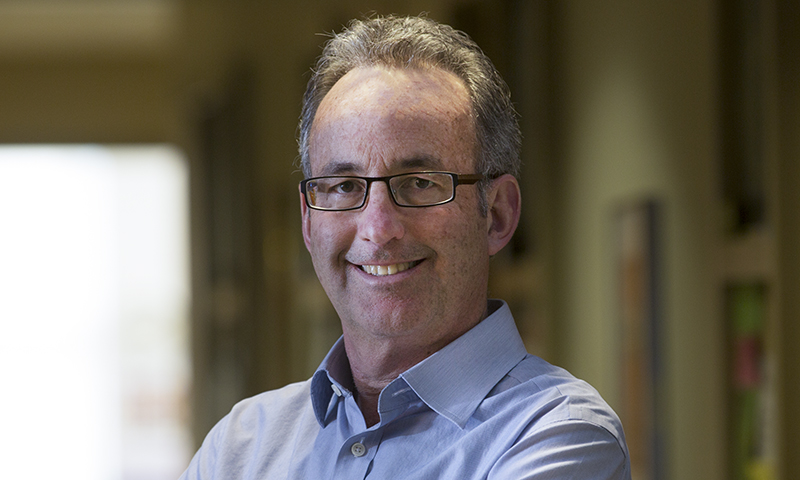
Mohammed A. Hannan serves as a Lecturer in the Department of Mechanical Engineering at the University of British Columbia's Faculty of Applied Science, with additional roles as Adjunct Faculty at Newcastle University's Singapore Campus. His career spans academic appointments at Newcastle University (UK), National University of Singapore, and Bangladesh University of Engineering and Technology. His educational foundation includes: PhD in Civil and Environmental Engineering, National University of Singapore (2009-2014) BSc in Naval Architecture and Marine Engineering, Bangladesh University of Engineering and Technology (2004-2009) Dr. Hannan's research integrates computational fluid dynamics, artificial intelligence, and sustainable engineering principles to address ocean technology challenges. His work focuses on renewable energy systems, ship and offshore structure optimization, and marine environmental sustainability, with significant contributions to wind/tidal energy conversion, AI-driven ship maneuvering systems, and sustainable maritime infrastructure design. Analysis of his 15 most recent publications reveals a dominant interdisciplinary trend combining computational modeling with practical marine applications, particularly in renewable energy integration, autonomous navigation systems, and sustainable coastal engineering solutions that address climate resilience and resource efficiency. Dr. Hannan actively mentors student researchers and maintains industry-academic collaborations across multiple continents. His notable project leadership includes a Bill & Melinda Gates Foundation-funded initiative developing odor management systems for low-cost decentralized sanitation solutions in developing regions. He contributes to the engineering community through professional memberships in The Royal Institution of Naval Architects (RINA) and The American Society of Mechanical Engineers (ASME), while serving on organizing committees for major conferences including ASME OMAE and EngineeringX workshops on offshore wind infrastructure safety.