Prof. Rupert Hallmann is a Professor of Physiological Chemistry & Pathobiochemistry at the Medical Faculty of the University of Münster. He leads the Hallmann Lab within the Institute of Physiological Chemistry and Pathobiochemistry, focusing on cell dynamics, imaging, and extracellular matrix biology. His roles include Vice Dean for Preclinical Affairs and Research Career Development, and membership in the Cells in Motion Cluster of Excellence. Education highlights include a diploma and PhD from the Max Planck Institute for Developmental Biology (1983-1988), postdoctoral training at Stanford Medical School (1988-1990), and habilitation in Immunology at Erlangen University (1998). He has held professorships at Lund University (2002-2005) and Münster since 2005. Research interests center on vascular laminins' roles in immune cell trafficking, endothelial function, and inflammatory processes. His work uses imaging techniques to study cell dynamics in disease contexts like multiple sclerosis and rheumatoid arthritis. Key awards include Teacher of the Year honors (2007, 2009) and DFG postdoctoral fellowships. His lab's activities include pioneering lectures on cell dynamics and participation in microscopy seminars. Current activities include organizing Tuesday Seminars in experimental medicine and leading projects within the Multiscale Imaging Centre. Ongoing work explores matrix biology's impact on immune cell behavior and vascular pathology.
Prof. Dr. med. Alexander Zarbock is a faculty member at the University of Münster in the Medical Faculty , leading the Department of Anaesthesiology and Intensive Care Medicine . He participates in the Cells in Motion research network and serves as a supervisor in the CiM-IMPRS Graduate Programme. His research focuses on inflammation , leukocyte recruitment , integrin activation , and organ protection , with significant work on acute kidney injury and acute lung injury . His studies explore mechanisms like neutrophil adhesion , platelet-mediated immune regulation , and signaling pathways in sepsis. Recent publications highlight 2023–2016 research on topics such as Staphylococcus aureus virulence , NETs in organ failure , glutamine’s role in kidney protection , and endothelial junction dynamics . His work spans in vivo models , cell signaling , and imaging techniques . Email: zarbock@uni-muenster.de . Participates in the Imaging Network – Microscopy .
Dominik Kylies is an academic physician-scientist at the University Medical Center Hamburg-Eppendorf, affiliated with the Faculty of Medicine and Department of Nephrology. His research spans multiple disciplines including nephrology, oncology, and medical imaging, with a particular focus on kidney diseases, cancer-related complications, and advanced diagnostic techniques. As evidenced by his publication record, Dr. Kylies collaborates extensively with researchers across multiple institutions and contributes significantly to translational medical research. Dr. Kylies' research interests primarily center on nephrology with specific focus areas including membranous nephropathy, complement system activation, kidney organoid modeling, and the intersection of kidney disease with cancer. His work also extends to sarcopenia and body composition analysis in cancer patients, particularly examining how muscle wasting affects outcomes in multiple myeloma and osteosarcoma. Additionally, he investigates the role of the microbiome in cancer treatment efficacy and explores advanced imaging techniques for pathology specimen analysis. Analysis of Dr. Kylies' publication trends reveals a strong focus on translational research bridging basic science and clinical applications. His work spans kidney disease mechanisms, cancer complications, and advanced diagnostic methodologies. Recent publications demonstrate increasing sophistication in multi-omics approaches, spatial biology techniques, and super-resolution imaging. The research shows particular strength in connecting molecular mechanisms (like complement activation or microbiome metabolites) with clinical outcomes in nephrology and oncology. Dr. Kylies has contributed to significant advancements in understanding kidney disease mechanisms, particularly regarding complement system activation in membranous nephropathy and the role of collagen IV modifications in thin basement membrane disease. His work on sarcopenia in cancer patients has provided important clinical insights for risk stratification in stem cell transplantation. The development of optimized protocols for multiomics processing of kidney tissue represents a technical advancement in the field. Dr. Kylies collaborates with major research groups including the Center for Inflammation, Infection and Immunity (C3i) and the University Cancer Center Hamburg (UCCH). His research appears to be supported by institutional resources at the University Medical Center Hamburg-Eppendorf, including access to Core Facilities and the Research Information System. His extensive publication record suggests involvement in multiple collaborative research projects across nephrology, oncology, and immunology domains. Dr. Kylies is affiliated with the Third Medical Clinic and Polyclinic at UKE, which houses specialized research facilities for nephrology and internal medicine. His work appears connected to multiple research networks including the Cardiovascular Research Center (CVRC) and the Center for Health Care Research & Public Health. The collaborative nature of his publications suggests active participation in interdisciplinary research teams focused on kidney disease mechanisms and cancer-related complications.
Prof. Dr. med. Florian Leuschner is a Senior Consultant at Heidelberg University Hospital, holding the Heisenberg Professorship for Immunocardiology (W3). He leads the Carditis Team (Epi-, Peri-Myocarditis) and the TAVI program, focusing on interventional cardiology and immune modulation in cardiovascular disease. Department of Cardiology, Angiology, and Pulmonology Institute for Cardiomyopathies Heidelberg Research Interests : Dr. Leuschner specializes in cardiac inflammation , particularly its role in cardiomyopathies, myocarditis, and heart failure. His work bridges clinical interventional cardiology with translational immunology, using single-cell transcriptomics and fibrosis mechanisms to advance therapies for conditions like TAVI and myocardial infarction. Article Trends : His recent publications emphasize immune-fibroblast interactions , epigenetic drivers of fibrosis , and translational models for heart failure and valve interventions. Studies span preclinical rodent models , human cardiac recovery , and cytokine signaling post-infarction. Scientific Awards : Best Poster Award, Gordon Research Conferences® 'Atherosclerosis' (2019) Wissenschaftspreis in Silber, Walter Siegenthaler Gesellschaft (2016) Publikationspreis, Deutsche Gesellschaft für Kardiologie (2015) Grants & Memberships : He has received funding from Deutsche Forschungsgemeinschaft (DFG), Deutsche Herzstiftung, and DZHK. Dr. Leuschner is a member of the Deutsche Gesellschaft für Kardiologie and the Walter Siegenthaler Gesellschaft, with roles in doctoral committee governance since 2014.
Dr. Astrid Kahnt is a Researcher at the Institute of Pharmaceutical Chemistry within the Department 14 - Biochemistry, Chemistry and Pharmacy at Goethe University Frankfurt. Her work focuses on lipid mediators, enzymology, and their roles in inflammation and cancer. She is affiliated with the Biochemistry for Pharmacists unit and contributes to teaching through courses like Drug Analysis and Pharmaceutical/Medicinal Chemistry II . Research Interests: Dr. Kahnt’s research explores lipoxygenase enzymes (e.g., 5-LO), specialized pro-resolving mediators (SPMs), and their implications in cancer and inflammation. She investigates drug design targeting these pathways, including enzyme inhibitors and dual-modulators of receptors like PPARγ. Her work integrates biochemical assays, cellular models, and structural biology to uncover mechanisms linking lipid signaling to disease. Recent Trends in Publications: Her recent articles emphasize 5-lipoxygenase’s non-canonical roles in cancer progression, structure-based drug design for enzyme degradation (e.g., PROTACS), and the biosynthesis of pro-resolving mediators. She also explores polypharmacological approaches to modulate multiple targets (e.g., Farnesoid X Receptor/SEH) for therapeutic efficacy. Teaching and Affiliations: She coordinates courses on drug analysis and medicinal chemistry, reflecting her expertise in pharmaceutical applications. Her lab’s interdisciplinary approach bridges biochemistry, pharmacology, and drug design, contributing to both fundamental and translational research.
Professor Muzlifah Haniffa holds dual appointments as Professor of Dermatology and Immunology at Newcastle University and Senior Group Leader/Head of Cellular Genetics at the Wellcome Sanger Institute. She serves as Biological Network Co-Coordinator for the Human Cell Atlas and Deputy lead PI for Newcastle's Immunology and Inflammation theme, pioneering single-cell genomics applications to decode immune system development and disease pathogenesis. Her academic foundation includes: Medical Degree: Cardiff University Postgraduate Clinical Training: Cambridge and Newcastle PhD: Newcastle University Post-doctoral Fellowship: Singapore Research focuses on single-cell resolution mapping of human tissue ecosystems, with core themes: Human Cell Atlas development for embryonic and tissue-specific immunity Immune dysfunction mechanisms in otitis media and cutaneous diseases Multi-omics profiling of COVID-19 responses iPSC-derived skin organoid models for developmental studies Her lab champions "Strength through diversity" and reproducible science with public data sharing. Analysis of 2024-2025 publications reveals dominant trends in spatiotemporal immune mapping across skin, meninges, and prenatal tissues. Key methodological advances include MintFlow microenvironment modeling, scTRAM trajectory benchmarking, and multi-omics integration for disease classification, spanning immunology, dermatology, and cancer biology. Major recognitions: Fellow of the Academy of Medical Sciences (FMedSci) Wellcome Senior Research Fellowship Lister Institute Prize Fellowship 2019 Foulkes Foundation Medal for immunology contributions As a dedicated mentor, she supervises six PhD students including Antony Rose (hepatocellular carcinoma microenvironment) and Jacqueline Boccacino (cancer genomics). Current grants include Wellcome Trust support for her senior fellowship and Human Cell Atlas leadership, alongside UK-CIC consortium funding for pandemic response research. The Haniffa Lab operates across Sanger Institute and Newcastle's Biosciences Institute with 25+ members including clinicians, computational biologists, and wet-lab scientists. Their "Inclusion and Innovation" ethos drives collaborative projects on skin wound healing atlases, macrophage heterogeneity in graft-versus-host disease, and spatial transcriptomics of inflammatory skin conditions.
Dr. Katarzyna Jobin is a Junior Group Leader at the Chair of Microbiology and an associated member of the Institute of Systems Immunology at the University of Würzburg, Germany. Her research focuses on understanding the interplay between immune cells and the extracellular matrix (ECM) in the urinary tract during bacterial infections, particularly in the context of antibiotic resistance and host-directed therapies. 2025–Present : Junior Group Leader, University of Würzburg 2019–2025 : Postdoctoral Researcher, Max Planck Research Group, Institute of Systems Immunology, University of Würzburg 2014–2018 : PhD Studies, University of Bonn 2007–2013 : Master’s and Bachelor Program in Biology, Jagiellonian University Her research spans immunology, microbiology, and nephrology, addressing critical challenges in urinary tract infections (UTIs), immune-ECM interactions, and dietary influences on immunity. Key methodologies include flow cytometry, confocal microscopy, and intravital imaging to study immune dynamics in real-time. Recent publications highlight her work in systems immunology, including studies on CD8 T cell immunity, lymph node dendritic cell networks, and high-salt diet effects on immune responses. These contributions align with broader efforts to combat antibiotic resistance and improve sepsis management. Dr. Jobin’s expertise in immune regulation extends to roles in acute kidney injury research and bone marrow niche characterization, bridging infectious disease and metabolic immunology.
Florian I. Schmidt is a Principal Investigator and Assistant Professor at the Institute of Innate Immunity within the Medical Faculty of the University of Bonn. He leads the Molecular Immunology Group, focusing on molecular regulation of inflammation and antiviral defense mechanisms. His laboratory is part of the Cluster of Excellence 'Immunosensation2' at the University of Bonn and he has co-founded DiosCURE Therapeutics to develop neutralizing SARS-CoV-2 nanobodies for clinical applications. Dr. Schmidt studied Biochemistry at TU Munich and obtained his PhD at ETH Zurich, where he investigated host cell entry of poxviruses. He received post-doctoral training at the Whitehead Institute/MIT, employing nanobody technology to gain mechanistic insights into inflammasome assembly and infection biology. In 2017, he returned to Germany to establish his independent research group through the prestigious Emmy Noether program of the German Research Foundation (DFG). His research focuses on developing customized nanobodies and engineered protein tools to visualize and perturb inflammasome assembly, pyroptotic cell death, and antiviral immune responses. His laboratory aims to establish non-invasive methods to track inflammatory responses at molecular, complex, and cellular levels, creating experimental settings that address human immunobiology in its physiological environment. Current projects include SARS-CoV-2 neutralizing nanobodies, pyroptosis, organoids, inflammasome assembly, and antiviral innate immune signaling. Dr. Schmidt's work demonstrates a strong trend toward applying nanobody technology to understand and modulate inflammatory pathways, particularly inflammasome activation. His research bridges basic molecular mechanisms with therapeutic applications, as evidenced by his co-founding of DiosCURE Therapeutics. His recent publications show increasing focus on the molecular details of pyroptosis, inflammasome activation through ribotoxic stress response, and development of nanobody-based therapeutics against viral infections and inflammatory conditions. Emmy Noether Program of the DFG (funding to establish independent research group) Co-founder of DiosCURE Therapeutics for clinical development of SARS-CoV-2 nanobodies Dr. Schmidt actively mentors PhD students and postdoctoral researchers, including Florian Nikolaus Gohr, Lisa Schiffelers, Yonas Mehari Tesfamariam, and Jennifer Deborah Wuerth. His laboratory collaborates extensively within the University of Bonn's immunology research ecosystem, particularly with the laboratories of Eicke Latz, Felix Meissner, and Dagmar Wachten. Current research is supported by multiple DFG grants including SFB 1403, SFB TRR 237, SPP 1923, and the Emmy Noether Programme. The Florian I. Schmidt Laboratory operates within the Institute of Innate Immunity at the University Hospital Bonn, located at the Biomedical Center (BMZ 2), Building 12, 2G, Venusberg-Campus 1, 53127 Bonn, Germany. The laboratory is part of a vibrant immunology research community within the Cluster of Excellence 'Immunosensation2', facilitating interdisciplinary collaborations across immunology, structural biology, and clinical medicine.
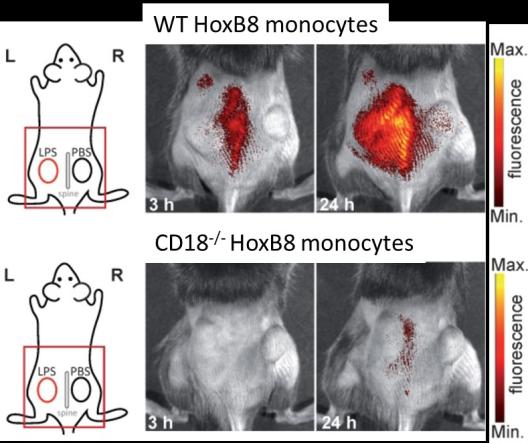
Prof. Dr. Michael Schäfers is a Full Professor of Technology and Imaging at the University of Münster and Head of the European Institute for Molecular Imaging (EIMI), operating within the Multiscale Imaging Centre (MIC). His research focuses on multimodal molecular imaging of inflammation using advanced in vivo methodologies across diverse disease models. His educational background includes: 1987-1994: Study of Medicine at the University of Münster 1994-1995: Postdoctoral research at MRC Cyclotron Unit, Imperial College School of Medicine, London 1995-1999: Postdoctoral work in Department of Nuclear Medicine, University Hospital Münster Schäfers' research centers on developing imaging techniques to visualize molecular and cellular dynamics in inflammation. His team identifies targets like matrix-metalloproteinases and S100A8/A9, develops high-affinity ligands labeled with radioactive isotopes or fluorescent dyes, and applies these in disease models including biopellet inflammation, autoimmune arthritis, and myocardial infarction using PET/CT, SPECT/CT, optical, and photoacoustic imaging systems. Analysis of his 2016-2018 publications reveals a strong focus on cardiovascular and neurological inflammation imaging. Key themes include MMP activity in atherosclerosis plaque phenotyping, leukocyte penetration in multiple sclerosis blood-brain barrier, CRISPR/Cas9-modified monocyte tracking, and novel probe development for MMP-13 inhibition, demonstrating integration of molecular biology with advanced imaging technologies. No specific scientific awards were mentioned, though Schäfers has held leadership roles as Coordinator of DFG CRC 656 'Cardiovascular Molecular Imaging' (2011) and Co-Coordinator of DFG Cluster of Excellence EXC 1003 'Cells in Motion' (2012). He supervises PhD students in interdisciplinary projects combining molecular imaging with immunology and genetics, supported by major DFG grants. His group provides comprehensive training in state-of-the-art imaging technologies and disease modeling approaches. The Schäfers lab comprises an interdisciplinary team with in-house chemistry capabilities for probe synthesis, operating high-resolution small animal PET/CT, SPECT/CT, optical, photoacoustic, and ultrasound systems alongside molecular biology and surgical facilities for integrated in vivo studies.
Ryan Renslow serves as a Chemical Engineer at Pacific Northwest National Laboratory (PNNL) and holds a Research Associate Professor position at Washington State University's Gene and Linda Voiland School of Chemical Engineering and Bioengineering. His interdisciplinary work bridges computational modeling, advanced imaging, and experimental biology to address complex challenges in metabolomics and microbial systems. Education BS in Chemical Engineering, Washington State University MS in Chemical Engineering, Washington State University PhD in Chemical Engineering, Washington State University Linus Pauling Distinguished Postdoctoral Fellowship, Pacific Northwest National Laboratory Renslow's research centers on identifying novel metabolites in complex biological samples, deciphering microbial community structure-function relationships, and understanding emergent properties in multispecies systems. He employs computational mathematics, machine learning, and high-resolution imaging techniques including mass spectrometry and nuclear magnetic resonance. His work spans diverse applications from human health diagnostics and bioenergy production to ecological monitoring and national defense solutions, with particular emphasis on biofilm dynamics and metabolite characterization in challenging environments. Analysis of his recent publications reveals a strong trend toward integrating ion mobility spectrometry with computational modeling for metabolite identification, developing in silico libraries for small molecule annotation, and applying machine vision to biological systems. His work consistently demonstrates cross-cutting applications across energy, environmental science, and biomedical research through sophisticated data analysis frameworks. Scientific Awards: No awards listed in available documentation. Renslow's collaborative research program involves extensive partnerships across PNNL's Environmental Molecular Sciences Laboratory and Washington State University. His work receives institutional support through DOE-funded initiatives focused on chemical biology and exposure science, with emphasis on developing advanced analytical capabilities for complex sample analysis. While specific grant details aren't provided, his publication record indicates consistent funding for interdisciplinary projects combining experimental and computational approaches. At PNNL, Renslow contributes to the Chemical Biology and Exposure Science group within the Biological Sciences division. He leverages specialized facilities including high-field mass spectrometers, nuclear magnetic resonance microimaging systems, and biofilm reactors to investigate microbial community dynamics. His research team integrates expertise from chemical engineering, microbiology, and computational science to develop novel approaches for characterizing complex biological systems at multiple scales.
Kathryn Miller-Jensen is an Associate Professor of Biomedical Engineering at Yale University with affiliations across multiple departments and research centers including the Yale Cancer Center, Yale Center for Systems and Engineering Immunology (CSEI), Computational Biology and Biomedical Informatics, Immunology, and Molecular Cell Biology, Genetics and Development. Dr. Miller-Jensen's research program focuses on quantitative, systems biology approaches to studying changes in intracellular signaling, particularly after viral infection. Her laboratory investigates immune cell heterogeneity with a focus on macrophage innate immune cells, which are critical for healthy tissue function and important emerging targets for cancer immunotherapy. She also studies the role of cell-to-cell heterogeneity in latent HIV infection in T cells. Her lab employs a systems immunology approach, combining quantitative experiments with computational analyses to study the multiple molecular and cellular processes that enable robust immune regulation. Recent publications demonstrate her focus on macrophage communication behavior, regulatory logic of signal-response relationships, and development of micro-chip devices for single-cell analysis. Her work bridges engineering, biology, and computational science to address fundamental questions in immunology with applications to cancer and infectious disease. Dr. Miller-Jensen collaborates extensively with researchers across Yale, including Prof. Rong Fan in Biomedical Engineering, Prof. Paul Turner in Ecology and Evolutionary Biology, and numerous cancer researchers through the Yale Cancer Center. She has received significant funding including an NCI U01 contract grant for developing single-cell analysis technologies applicable to cancer research. The Miller-Jensen laboratory provides training opportunities for students through the Yale Combined Program in the Biological and Biomedical Sciences (BBS) and the Yale-UPR Integrated HIV Basic and Clinical Sciences Initiative, fostering the next generation of researchers at the interface of engineering and biology.
Professor Karsten-Henrich Weylandt serves as Vice Dean for Science and Research at the Brandenburg Medical School (MHB) and holds leadership positions including Head of Medical Clinic B, Department Head of Internal Medicine and Gastroenterology, and Deputy Head of BIKUS at the Ruppin-Brandenburg University Hospital. With dual medical doctorates (Dr. med.), he has been affiliated with the institution since April 27, 2017. Professor Weylandt's primary research focus is Experimental Lipidology , with extensive work on omega-3 fatty acids and their derived lipid mediators in inflammatory and metabolic diseases. His research spans gastrointestinal disorders, particularly inflammatory bowel disease and colitis, as well as cardiovascular conditions and diabetes. His publications reveal a consistent trajectory from cellular physiology studies to clinical applications of lipid mediators. Analysis of his recent publications (2021-2024) shows continued emphasis on lipid metabolism in disease contexts, with significant contributions to understanding how omega-3 fatty acids influence inflammatory pathways, cardiovascular health, and metabolic disorders. His work often combines biochemical, molecular, and clinical approaches to elucidate mechanisms of action and potential therapeutic applications. As Vice Dean for Science and Research, Professor Weylandt oversees the research strategy and scientific development at the Brandenburg Medical School, while maintaining active research in his specialized field. His clinical expertise in Internal Medicine and Gastroenterology directly informs both his research directions and teaching responsibilities. Professor Weylandt's laboratory focuses on Experimental Lipidology, investigating the role of specialized pro-resolving mediators and eicosanoid pathways in health and disease. His research has important implications for developing novel therapeutic approaches targeting lipid-mediated inflammatory processes.
Dr. Andrea Kristina Horst serves as a Private lecturer at the University Medical Center Hamburg-Eppendorf, where she maintains a dual affiliation with the Center for Experimental Medicine and the Institute of Experimental Immunology and Hepatology. Her research program centers on the cell adhesion molecule CEACAM1 and its multifaceted roles in vascular biology, inflammation, and tissue regeneration across multiple disease contexts. Her primary research interests include: CEACAM1-mediated regulation of vascular cell activation during inflammation Mechanisms of tissue regeneration following ischemic events Immune-mediated liver injury pathways Tumor angiogenesis in mammary carcinogenesis models Molecular signaling of cell adhesion molecules in disease processes Dr. Horst's publication record demonstrates a cohesive research trajectory focused on CEACAM1 biology across vascular, neurological, hepatic, and oncological contexts. Her work shows increasing methodological sophistication and translational relevance, with recent publications emphasizing therapeutic applications and molecular mechanisms. The research spans basic science investigations through preclinical models with clear clinical relevance. She has successfully secured multiple research grants from the German Research Foundation (DFG), serving as principal investigator for projects investigating CEACAM1's role in vascular activation during collateral growth and tissue regeneration after ischemic stroke. Additionally, she has contributed as subproject manager for collaborative research on immune-mediated liver injury and as a key participant in priority programs studying tumor angiogenesis.