معرفی
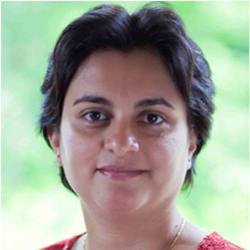
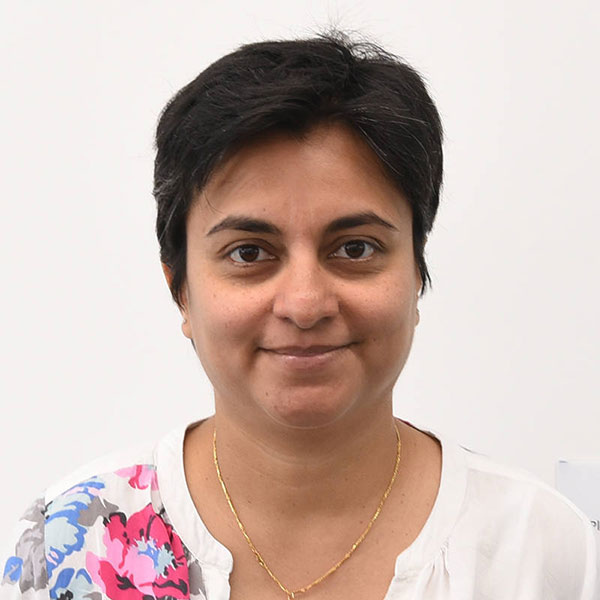
Professor Muzlifah Haniffa holds dual appointments as Professor of Dermatology and Immunology at Newcastle University and Senior Group Leader/Head of Cellular Genetics at the Wellcome Sanger Institute. She serves as Biological Network Co-Coordinator for the Human Cell Atlas and Deputy lead PI for Newcastle's Immunology and Inflammation theme, pioneering single-cell genomics applications to decode immune system development and disease pathogenesis.
Her academic foundation includes:
- Medical Degree: Cardiff University
- Postgraduate Clinical Training: Cambridge and Newcastle
- PhD: Newcastle University
- Post-doctoral Fellowship: Singapore
Research focuses on single-cell resolution mapping of human tissue ecosystems, with core themes:
- Human Cell Atlas development for embryonic and tissue-specific immunity
- Immune dysfunction mechanisms in otitis media and cutaneous diseases
- Multi-omics profiling of COVID-19 responses
- iPSC-derived skin organoid models for developmental studies
Analysis of 2024-2025 publications reveals dominant trends in spatiotemporal immune mapping across skin, meninges, and prenatal tissues. Key methodological advances include MintFlow microenvironment modeling, scTRAM trajectory benchmarking, and multi-omics integration for disease classification, spanning immunology, dermatology, and cancer biology.
Major recognitions:
- Fellow of the Academy of Medical Sciences (FMedSci)
- Wellcome Senior Research Fellowship
- Lister Institute Prize Fellowship
- 2019 Foulkes Foundation Medal for immunology contributions
As a dedicated mentor, she supervises six PhD students including Antony Rose (hepatocellular carcinoma microenvironment) and Jacqueline Boccacino (cancer genomics). Current grants include Wellcome Trust support for her senior fellowship and Human Cell Atlas leadership, alongside UK-CIC consortium funding for pandemic response research.
The Haniffa Lab operates across Sanger Institute and Newcastle's Biosciences Institute with 25+ members including clinicians, computational biologists, and wet-lab scientists. Their "Inclusion and Innovation" ethos drives collaborative projects on skin wound healing atlases, macrophage heterogeneity in graft-versus-host disease, and spatial transcriptomics of inflammatory skin conditions.