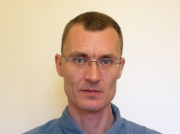
Frank Siebler is an Associate Professor in the Department of Psychology at UiT The Arctic University of Norway , with research expertise in social and work psychology . His work explores implicit and explicit attitudes , intergroup relations , and prejudice reduction , often utilizing psychometric instruments like the Implicit Association Test . Key Research Areas: Implicit cognition, attitude change, intergroup bias, health psychology, social norms, and occupational safety. Teaching: Course leader for PSY-3005 Attitudes (Master’s program) and supervisor for bachelor’s, master’s, and PhD theses. Publications: Recent work examines attitudes toward prostitution (2024), obesity bias in nursing (2018, 2019), rape myth acceptance (2009, 2010), and implicit-explicit attitude discrepancies across diverse contexts.
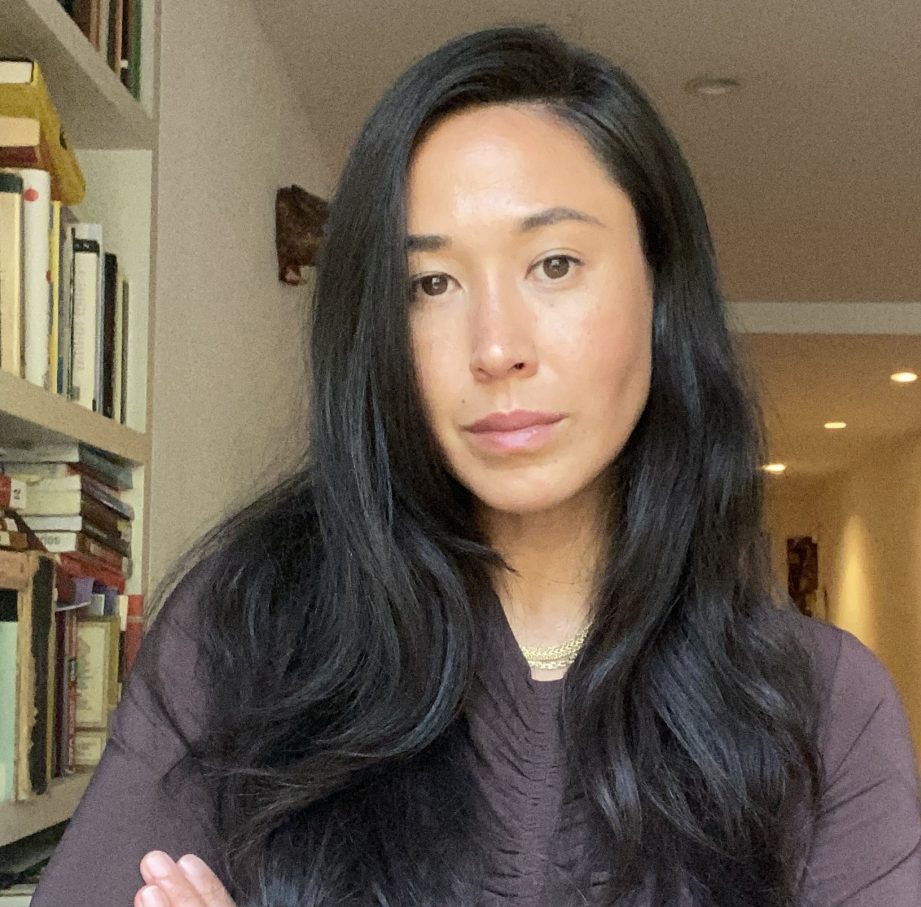
Tobin LeBlanc Haley is an Assistant Professor of Sociology in the Department of Social Science at the University of New Brunswick's Faculty of Arts. She holds a PhD from York University, with prior degrees from UNB. Her research focuses on disability justice, socio-economic poverty, and housing precarity through critical policy ethnography and arts-based methods. She co-hosts the political TV show NB Debrief and leads externally-funded projects on housing and disability. Education: BA (Hons) and MA from University of New Brunswick; PhD from York University. Research interests include intersections of disability, poverty, and housing, with a commitment to community-engaged scholarship. Her work critiques neoliberal policies and advocates for marginalized groups through innovative methodologies. Recent projects analyze rental market policies, youth homelessness, and Indigenous education frameworks. Teaching emphasizes anti-racist and accessible pedagogy, encouraging student experiential learning. Current initiatives include the NB Housing Summit and studies on renoviction dynamics. Her research bridges academic rigor with practical impact, aiming to inform equitable social policies. Grants and collaborations underscore her focus on transformative knowledge mobilization.
Crystal Brown is an Assistant Professor in the Department of Social Science & Policy Studies at Worcester Polytechnic Institute (WPI). She holds affiliations with the International & Global Studies, Gender, Sexuality, and Women's Studies (GSWS), and Africana Studies programs. Her research focuses on inclusivity of marginalized groups, comparative politics, international relations, and STEM education. Dr. Brown earned a PhD in Political Science from the University of Oregon, an MPA from Pennsylvania State University, and a certificate in Data Analytics from Harvard University. Her educational background combines political science, public administration, and computational methods. She uses mixed-method approaches to address real-world policy challenges and their impacts on marginalized communities. Key areas of expertise include race/ethnic politics, immigration, climate resilience planning, and integration strategies in STEM fields. Dr. Brown has been recognized as a Fulbright Schuman Scholar (2017–2018) and has received grants from NSF, Russell Sage Foundation, and WPI strategic initiatives. Her work often bridges theory and practice, with recent projects addressing disability inclusion in climate policies, STEM syllabi inclusivity, and the Black student experience in higher education. Teaching responsibilities include courses on international politics, women in politics, and research methods at both undergraduate and graduate levels. She collaborates on initiatives such as the $2.5M NSF-funded PASS-CS program to support low-income computer science students. Professional memberships include the American Political Science Association (APSA), International Studies Association (ISA), and National Conference for Black Political Scientists (NCOBPS). Her scholarship frequently intersects with global development goals, emphasizing justice and equity in policy design.
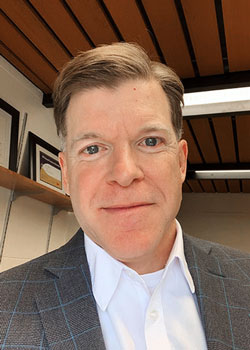
Dr. Grace D. Player is an Assistant Professor in the Department of Curriculum and Instruction at the University of Connecticut’s Neag School of Education. Her work centers on literacy, critical pedagogies, and justice-oriented education with a focus on Girls and Women of Color. She holds a PhD from the University of Pennsylvania, an MA from Teachers College Columbia University, and a BA in Psychology from Vassar College. Her research adopts a feminist of Color lens to explore how marginalized communities mobilize cultural knowledges through art, story, and relational practices. Key areas include Girls of Color literacies, community-based research, and anti-racist teacher education. She co-edited a special issue on Girl of Color literacies and authored/co-authored multiple influential works including the 2021 book Where is the Justice? Dr. Player’s recent projects include the Spencer Racial Equity Grant-funded Curators of Educational Dreams , a collaborative arts-based initiative with Dr. Tricia Eunji Kim focusing on Girls of Color’s educational visions. She also co-facilitates the Simmering Spices Art Collective , blending art and activism in educational justice. Key Awards: 2024 AERA Division G Early Career Award Grants: Spencer Racial Equity Grant (2023), AERA Research Grant (2021) Collaborations: Partnerships with Dr. Valerie Kinloch (co-author), Dr. Mónica González Ybarra (co-editor), and Dr. Danielle Filipiak (teacher education project) Her publications span journals like Journal of Literacy Research and Urban Education , emphasizing methodological innovation through arts-based and relational approaches. She actively critiques Eurocentric educational frameworks while centering community voices in research and pedagogy.
Gillian Muir is the Dean and Professor in the Department of Veterinary Biomedical Sciences at the Western College of Veterinary Medicine (WCVM), University of Saskatchewan. She is the first WCVM graduate and woman to hold the deanship. DVM, University of Saskatchewan PhD in Neuroscience, University of British Columbia Her research focuses on functional recovery after nervous system injury, using animal models to study spinal cord injury and non-invasive therapies . She has pioneered work on acute intermittent hypoxia to enhance neurological repair and plasticity. Dr. Muir's recent publications examine hypoxia-induced recovery in spinal injury, remyelination in autoimmune disorders, and nutritional interventions post-stroke. She also contributes to One Health initiatives and Indigenous engagement in veterinary education. As Dean, she led curriculum renewal for the DVM program and advanced equality, diversity, and inclusion (EDI) at WCVM. Her teaching includes courses in Veterinary Neuroscience , Biomechanics , and Pain Management .
Miranda Crowdus is an Assistant Professor in the Department of Religions and Cultures at Concordia University. She directs the Institute for Canadian Jewish Studies and holds the Research Chair in Canadian Jewish Studies, focusing on the intersection of ethnomusicology and Jewish Studies. Her work explores Jewish cultural heritage and sustainability through a transnational lens. Research Interests: Alternative Judaism(s) Jewish Liturgy and Popular Culture Ethnomusicology and Critical Gender Studies Cultural Heritage and Sustainability Practice as Research methodologies Publications Trends: Crowdus' work spans Jewish music pedagogy, Mizrahi and Romaniote traditions, decolonial sound practices, and queer perspectives on heritage. Her recent articles analyze intertextuality in Israeli hip-hop, cultural sustainability frameworks, and gender dynamics in religious music. Current Projects: She collaborates with Dr. Sacha Kagan on the DFG-funded project 'Queering Jewish Cultural Heritage in Europe,' re-examining heritage concepts through reparative responses and creative encounters.
Dr. Lynn Lemisko is a Professor and Graduate Chair in the Department of Educational Foundations at the University of Saskatchewan (College of Education). She serves as a Department Head (2018-2023), former Assistant Dean (2008-2013), and holds leadership roles in organizations like Canadian Association for Foundations in Education (CAFE) and Canadian History of Education Association (CHEA). Her research focuses on history of education, teacher education, and social justice in education. Education: B.Ed. in Secondary Social Studies, University of Calgary (1977) M.A. in Irish History, University of Calgary (1992) PhD in Educational Contexts (History & Philosophy of Education), University of Calgary (1998) Research Interests: Dr. Lemisko explores historical trajectories of teacher education, mentorship programs, and social justice integration in curricula. Her work bridges intellectual history with contemporary educational challenges, particularly in rural and Indigenous contexts. She collaborates extensively on comparative studies of Canadian teacher education systems, including SSHRC-funded projects. Key Contributions: Over 20 peer-reviewed publications in journals like Paedagogica Historica and Canadian Journal of Education . Co-edited Education to Educator: Generative Concepts in Social Studies (2015). Active in professional development for beginning teachers in Saskatchewan rural schools. Service & Outreach: President, CAFE (2019-2022) Member, Board of Teacher Education & Certification (Saskatchewan) Appeal Board member for academic misconduct cases Member, Saskatoon Farmers’ Market Cooperative
Professor Jay Wilson holds the rank of Professor in the Department of Curriculum Studies at the University of Saskatchewan's College of Education. He has served as Department Head from 2014–2021 and Interim Vice Provost, Teaching Learning and Student Experience (2021–2022). His research focuses on innovative learning design, online education, and experiential learning assessment, with a strong emphasis on technology integration in teaching and learning. Dr. Wilson's educational background includes an M.B.A. (2021), Ed.D. (2008), M.Ed. (2000), B.Ed. (1995), and B.A. (1989) from the University of Saskatchewan and University of Southern Queensland. He teaches courses in curriculum design, educational technology, and program evaluation. His teaching has been nationally recognized, including the 3M National Teaching Fellowship (2017). Research interests include design-studio learning environments, technology skill development for educators, and the social impacts of educational technology. His work emphasizes the Scholarship of Teaching and Learning (SOTL), particularly in graduate education leadership. Recent publications explore equity in remote learning, doctoral supervision coaching, and assessment strategies in experiential learning. Dr. Wilson actively participates in academic leadership roles both within and beyond the university, including service on national teaching award committees and leadership in professional organizations. He supervises graduate students across disciplines, focusing on educational technology and design. Current supervision includes M. Farooq and N. Haeri, while completed students include notable projects like M. Gobeil’s research on experiential learning assessment in K-12 education.
Dr. Rachel Engler-Stringer is a Professor in the Department of Community Health and Epidemiology at the University of Saskatchewan's College of Medicine. Her research focuses on school food programs, nutritional inequities, and community-based research. She holds a PhD in Nutrition and a BSc in Biomedical Sciences. Education: PhD (Nutrition) BSc (Biomedical Sciences) Her work addresses food security, health promotion, and policy development through initiatives like the Good Food for Learning program. She co-leads the School Food Working Group of the Canadian Association for Food Studies and co-edits the Canadian Food Studies Journal . Key research areas include program scalability, policy frameworks, and cultural adaptations of food programs globally. Recent grants include projects on universal school food program design, evidence-based guidelines, and pandemic impacts on food access. She has been recognized with prestigious awards including the Queen Elizabeth II Platinum Jubilee Medal and Canadian Food Hero designation. Grants & Leadership: Co-lead on national school food policy initiatives Board member of the Community-University Institute for Social Research Researcher at the Saskatchewan Population Health and Evaluation Research Unit
Dr. Will Brehm is an Associate Professor in Comparative and International Education at the University of Canberra , with adjunct positions at the Waseda Institute for Advanced Study (Tokyo) and the Royal University of Phnom Penh (Cambodia). He collaborates with international organizations like UNESCO and the World Bank. Education: Ph.D. in Comparative and International Education, University of Hong Kong His research integrates comparative education , international development , and political economy within the Mekong sub-region. Key themes include shadow education in Cambodia, regional identity construction in Southeast Asia, and everyday privatization in post-conflict societies. He authored the award-winning book Cambodia for Sale (2021) and co-edited Memory in the Mekong (2022) and Education and Power in Southeast Asia (2023). Recent publications analyze Myanmar’s education policy, regional identity formation, and privatization trends. His podcast FreshEd , used in over 100 universities, has surpassed 1 million downloads. His work spans UNESCO projects , historical materialism , and critical educational theory .
Tarez Samra Graban is an Associate Professor in the Department of English at Florida State University (FSU), serving as Director of Rhetoric & Composition and a Teaching Scholar in the Honors Program. Her academic affiliations include roles in FSU’s Faculty Senate Steering Committee, the Honors Program Policy Committee, and leadership in initiatives like the Linked Women Pedagogues Project. She holds a PhD in English from Purdue University (2006) and an A.B. in English and Religious Studies from Brown University (1993). Her research focuses on global and transnational rhetorics, feminist methodologies in archival studies, and digital humanities. Key interests include decolonizing archives, transnational feminist rhetorics, and the intersection of rhetoric with human rights and environmental concerns. She has led projects such as the Digital Scholars / DH Reading Group (2013–2020) and the Demos Project for Studies in the Data Humanities (2018–2021). Grants and awards include an NEH Fellowship (2025), NEH Summer Stipend (2024), and the CWPA Best Book Award (2014). Her edited works span global rhetorical traditions, archival pedagogies, and feminist historiography. She advises and mentors students in rhetorical theory, global rhetorics, and archival practices, fostering civic engagement through critical literacy. Her current research traces women leaders in southern African archives (1915–2015), emphasizing underrepresented voices and decolonial frameworks. She oversees interdisciplinary collaborations, including the Linked Women Pedagogues Project, which highlights marginalized women’s intellectual contributions.
Monica Miles, PhD is an Assistant Professor in the Department of Engineering Education at the University at Buffalo's School of Engineering and Applied Sciences. Her work focuses on environmental justice education, critical race theory, and equity in STEM education. She holds a PhD in Science Education (2016) and MA in Geological Sciences (2010), both from the University at Buffalo. Dr. Miles' research examines barriers faced by marginalized groups in STEM through critical lenses, including environmental racism, identity development, and culturally responsive pedagogies. Her work bridges community engagement with academic curricula, particularly in urban and historically marginalized contexts. Education: PhD in Science Education, University at Buffalo, 2016 MA in Geological and Earth Sciences, University at Buffalo, 2010 Her recent publications (2023-2025) emphasize systemic inequities in STEM education and career pathways, with a focus on Black and Latiné students, faculty diversity initiatives, and environmental justice mapping tools. She critiques institutional whiteness and advocates for anti-racist curricula through frameworks like Black liberatory pedagogy. No scientific awards are explicitly listed, though her work demonstrates sustained commitment to equity-focused scholarship. Dr. Miles' advising focus remains unspecified in the provided materials.
Petra Molthan-Hill is a Professor at Nottingham Trent University , specializing in Climate Change Education and Sustainable Management . She has published extensively on integrating UN Sustainable Development Goals (SDGs) into business and higher education curricula, with a focus on carbon literacy , climate adaptation frameworks , and responsible management education . Key research areas: Climate Change Education, Carbon Literacy, SDGs Integration, Sustainable Business Practices Recent Publications (2025-2020): Includes Indigenizing climate change adaptation education , Low carbon futures , and Climate change education at universities . Her work emphasizes cross-sector collaboration , interactive climate simulations , and experiential learning . Books & Chapters: Author of The Handbook of Carbon Management (2023) and Storytelling for Sustainability in Higher Education (2022). Editor for Practices, Perceptions and Prospects for Climate Change Education in Africa (2025) and Sustainable Management: A Complete Guide (2023).
Dr. Anne Burke is a Professor in Literacy Education and Digital Learning at Memorial University of Newfoundland, serving as Project Lead for the Discovery Play Centre and leading a SSHRC-funded study (2020-2023) on arts-based pedagogy and social justice advocacy. Her research focuses on sociocultural perspectives, children’s rights, digital literacies, and community partnerships with cultural institutions like science museums and art galleries. She has over $1 million in research funding and has published extensively, including 10 books and 50+ peer-reviewed articles. Dr. Burke’s work emphasizes play-based learning, environmental education through augmented reality, and STEAM integration. She explores how children use digital tools to engage with ecological knowledge and advocate for social justice. Her interdisciplinary research spans global collaborations, including the UArctic’s Arctic issue networks. She actively engages in boards and community initiatives, promoting public education partnerships and teacher development. Her research addresses pandemic-era challenges in education, teacher well-being, and leveraging children’s voices in curricula. Despite numerous invited talks and recognitions, specific awards are not detailed in the text. She advises no listed students but collaborates globally on projects like environmental curricula and Indigenous reconciliation pedagogies. She is affiliated with the Public Engagement Office at Memorial University and contributes to policy briefs on inclusive education.
Kristin Gregers Eriksen is an Associate Professor at the Department of Culture, Religion and Social Studies, University of South-East Norway. She is based at Campus Drammen and leads the SAMD research group in social studies education. Her roles include coordinating the Nordic NERA network on critical race theory and racism in education, and leading the Dembra project addressing anti-Semitism and racism in education. Her research focuses on antiracist education, Sámi and Indigenous perspectives, decolonial methodologies, and education for sustainable development. She has authored textbooks for teacher education and primary schools. Notable projects include integrating Indigenous knowledge systems into teacher training and exploring controversial topics in classrooms. Eriksen supervises master students and teaches courses on social studies for early childhood to secondary education, intercultural competency for kindergarten teachers, and citizenship education. Her work bridges theory and practice through projects like Dembra and art-based decolonial pedagogy initiatives.