Prof. Dr. Carola Sauter-Louis serves as Head of the Institute of Epidemiology (IfE) at the University of Rostock's Faculty of Agricultural and Environmental Sciences. As a veterinarian epidemiologist with specialization in veterinary public health (Dip. ECVPH), she leads research on animal disease outbreaks and their socioeconomic implications. Veterinary Medicine Doctorate (Dr. med. vet.) Postdoctoral Degree (PD Dr.) European College of Veterinary Public Health (Dip. ECVPH) certification Her research focuses on African Swine Fever and Lumpy Skin Disease epidemiology, examining transmission dynamics in wild boar populations, environmental risk factors, and vaccine development. Recent work includes spatial analysis of outbreaks and economic impact assessments of animal disease control measures. Key publication trends show strong emphasis on: Disease seasonality and environmental drivers Epidemiological modeling of infection spread Wild boar population dynamics Cost-benefit analysis of veterinary interventions As an active participant in international science-policy conferences (ICASH, ISESSAH), she contributes to developing effective animal health surveillance systems through interdisciplinary collaboration.
Richard Peltz-Steele is a Chancellor Professor at the University of Massachusetts School of Law at Dartmouth , where he teaches Torts , Comparative Law , and Freedom of Information Law . Holding a J.D. from Duke University and a B.A. in Journalism and Spanish from Washington & Lee University , he has practiced commercial law in Baltimore and Washington, D.C., and taught law since 2011. His work spans five continents , with a focus on international media law , transparency in development , and private-sector accountability . Education : Duke University (J.D.), Washington & Lee University (B.A.) Current Research : Comparative transparency regimes, FOIA reform, media law His scholarship integrates tort law with human rights , analyzing cases like South Africa's World Cup and Qatar's labor practices . Recent publications include the TORTZ textbook (2024) and articles on privacy law in the Georgetown Journal of International Law (2013). He serves on the ABA's Legal Education Committee and maintains a blog, The Savory Tort .
Gilles Peslherbe is a Professor at Concordia University, cross-appointed in the departments of Chemistry and Biochemistry , Physics , and Chemical and Materials Engineering . He leads the Centre for Research in Molecular Modeling (CERMM) and supervises graduate students in programs spanning Chemical Engineering, Chemistry, Physics, and Nanoscience. PhD in Physical Chemistry with Minor in Computer Engineering (Wayne State University, USA) Diplôme d'Ingénieur Chimiste (Ecole Supérieure de Chimie Industrielle de Lyon, France) His research integrates computational chemistry , quantum mechanics , and machine learning to model chemical processes in extreme conditions, drug delivery systems, and environmental impact assessments. Collaborative projects include studies on spin catalysis , nanostructured materials , and RNA structure fundamentals . Recent publications highlight applications of artificial intelligence in therapeutics development , density-functional theory in nanomaterials , and ultrasfast spectroscopy in electron solvation . His work bridges quantum computing and biological simulations . Teaching includes courses on quantum theory , computational chemistry , and statistical mechanics . He actively seeks students for ongoing projects in chemical interactions in extreme conditions and environmental remediation .
Catherine Bachewich is an Adjunct Associate Professor in the Department of Biology at Concordia University. Her research focuses on the regulation of the cell cycle, development, and virulence in fungi, particularly Candida albicans and Aspergillus nidulans. She investigates how cell cycle signals coordinate with differentiation and polar morphogenesis, aiming to identify novel drug targets for pathogen control. Her research programs include: Studying cell cycle control in Candida albicans, emphasizing the G1/S transition, mitosis, and hyphal development. Exploring the role of the polo-like kinase PLKA in mitotic regulation and sexual development in Aspergillus nidulans, revealing its evolutionary distinctness and novel functions. Bachewich's work has uncovered unique regulatory mechanisms in fungal pathogens, contributing to understanding their pathogenicity and potential therapeutic strategies. Her recent publications highlight interdisciplinary approaches in fungal genetics, cell cycle signaling, and morphogenesis.
Prof. Dr. Jörn Walter serves as a Senior Professor for Genetics and Epigenetics at Saarland University's Faculty of Natural Sciences and Technology. His laboratory investigates epigenetic mechanisms across development and disease states, with particular emphasis on DNA methylation, chromatin dynamics, and epigenomic mapping of cell types. Member of the International Human Epigenome Consortium (IHEC) Coordinator of the German Epigenome Program Director of an in-house Sequencing Facility (HiSeq2500, Mi-Seq, Nextseq-500) Research focuses include: Epigenetic programming during cellular differentiation DNA methylation dynamics in disease contexts Stem cell epigenetics and reprogramming Evolution of epigenetic mechanisms Recent publications highlight interdisciplinary approaches combining next-generation sequencing , bioinformatic modeling , and clinical epigenetics , with particular attention to immune cell development , metabolic disease epigenetics , and computational epigenomics . The group maintains collaborations with the West German Sequencing Center and contributes to epigenetic data standardization efforts. Lab members include active researchers like Dr. Nina Gasparoni , Dr. Gilles Gasparoni , and M.Sc. Alea Leismann , alongside an extensive alumni network of former advisees who have advanced epigenetic research in various institutions.
Dr. Ula Merie is an Associate at the GIGA Institute for Middle East Studies, part of the German Institute for Global and Area Studies (GIGA). Her work focuses on architectural humanities, post-war urban development, spatial justice, and the intersection of politics and ethics in urban environments. She holds a PhD in Architectural Theory from the University of Sheffield and an MSc in Urban Design from the University of Baghdad. Dr. Merie is actively involved in initiatives such as the Epidemic Urbanism Initiative and the Nahrein Network. Her research emphasizes Iraq and the broader Middle East, addressing topics like urban heritage preservation, socio-cultural transformations in cities, and youth engagement in safeguarding cultural heritage. She has been recognized with the IAICS Pioneer Awards in 2022. Her current roles include serving on the management committee of the Nahrein Network and contributing to the Academic Research Institute in Iraq (TARII) as a Research Fellow (2022-2023). Dr. Merie has presented at conferences such as Heritage in Danger and IAICS Inline, discussing issues like heritage reconstruction and urban equity. Her work bridges architectural theory with practical urban challenges, particularly in conflict-affected regions.
Valérie A.M. Schoof is a Professor at York University's Faculty of Science, Glendon Campus, specializing in primate behavioral endocrinology. She leads the Community Nkima Project at Lake Nabugabo (Uganda) and the Primate Behavioral Endocrinology Lab at Glendon. PhD in Biological Anthropology from Tulane University Postdoctoral Fellow at McGill University's School of the Environment Her research integrates primate endocrinology with ecology and evolution, focusing on hormonal responses to social/physical environments. Key projects include: Vervet monkey dispersal decisions Reproductive seasonality in modified habitats Parasite impacts on social networks MHC gene variation in capuchins Stress responses in population dynamics She collaborates with: Toronto Zoo Lewa-Borana Conservancy (Kenya) Savanna chimpanzee projects in Senegal
Lisa M. Coussens, PhD, is Chairwoman of the Department of Cell, Developmental & Cancer Biology and Interim Director of the Knight Cancer Institute at Oregon Health & Science University (OHSU), where she holds the Hildegard Lamfrom Endowed Chair in Basic Science. Her research program investigates immune cell functions in solid tumor development, with emphasis on how leukocytes influence cancer progression and therapeutic responses. Using preclinical models of mesothelioma, breast, pancreatic, and head/neck cancers, her lab identifies immunotherapy targets that have advanced to clinical trials for metastatic cancers. Education B.A., San Francisco State University, 1980 Ph.D., University of California, 1993 Postdoctoral Fellowship, University of California San Francisco (Douglas Hanahan Lab) Research Focus Dr. Coussens leads a translational research program examining how immune cells regulate tumor development and therapy responses. Her work integrates molecular oncology, immunology, and preclinical modeling to identify: 1) Immune pathways co-opted by developing tumors, 2) Mechanisms of leukocyte-mediated therapy resistance, and 3) Biomarkers for immunotherapy response. Current work emphasizes spatial analysis of tumor-immune interactions using multiplexed imaging and computational approaches. Her recent publications reflect strong emphasis on tumor microenvironment dynamics, immunotherapy mechanisms, and translational applications in pancreatic, breast, and head/neck cancers. Studies frequently incorporate spatial biology techniques, clinical correlation analyses, and novel therapeutic combinations targeting immune pathways. Honors & Awards National Academy of Sciences Member (2023) National Academy of Medicine Member (2024) AACR President (2022-2023) Susan G. Komen Brinker Award (2018) Fellow of AACR Academy (2019) Fellow of AAAS (2018) Rosalind E. Franklin Award, NCI (2015) Honorary Doctorate, University of Buenos Aires (2018) Princess Takamatsu Memorial Lectureship (2018) European Academy of Tumor Immunology Career Award (2018) Gertrude B. Elion Award (2001) Charlotte Friend Lectureship (2012) Margaret L. Kripke Legend Award (2023) Johns Hopkins Heroine of Public Health (2024) Fellow of Academy of ImmunoOncology (2022) Dr. Coussens directs translational research programs at OHSU's Knight Cancer Institute and leads multidisciplinary collaborations investigating tumor-immune crosstalk. Her laboratory develops innovative preclinical platforms for evaluating combination immunotherapies.
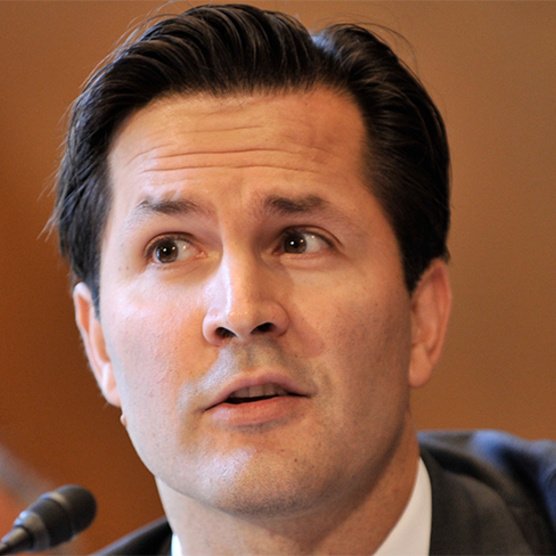
Thomas J. Bollyky is the inaugural Bloomberg Chair in Global Health and Director of the Global Health Program at the Council on Foreign Relations (CFR), where he also serves as Senior Fellow for International Economics, Law, and Development. He is a senior consultant to the Coalition for Epidemic Preparedness Innovations (CEPI) and an adjunct professor of law at Georgetown University. Bollyky is the founding editor of Think Global Health , a leading platform for global health analysis. Bloomberg Chair in Global Health, CFR Senior Fellow, CFR Director, Global Health Program, CFR Senior Consultant, CEPI Adjunct Professor of Law, Georgetown University Bollyky’s research and commentary focus on global health security, pandemic preparedness, health equity, trade policy, and the intersection of health with economics and diplomacy. His work emphasizes the socioeconomic determinants of health, international regulatory cooperation, and the geopolitical dimensions of health policy. He has directed major CFR task forces on pandemic preparedness and noncommunicable diseases and advises global institutions such as the WHO and the Gates Foundation. His recent publications examine U.S. reliance on foreign medicines, life expectancy disparities in America, trust in public health, and the global implications of U.S. health policy shifts. Bollyky has authored influential articles in The Lancet , NEJM , and Science , and his book Plagues and the Paradox of Progress received widespread acclaim. World Economic Forum Global Leader Under Forty (2013) Bollyky has testified before Congress, served on National Academies committees, and is a frequent commentator in major media. He advises on health policy and global health diplomacy, participates in high-level roundtables, and mentors emerging scholars. His work bridges academic research, policy development, and public engagement, shaping discourse on the future of global health.
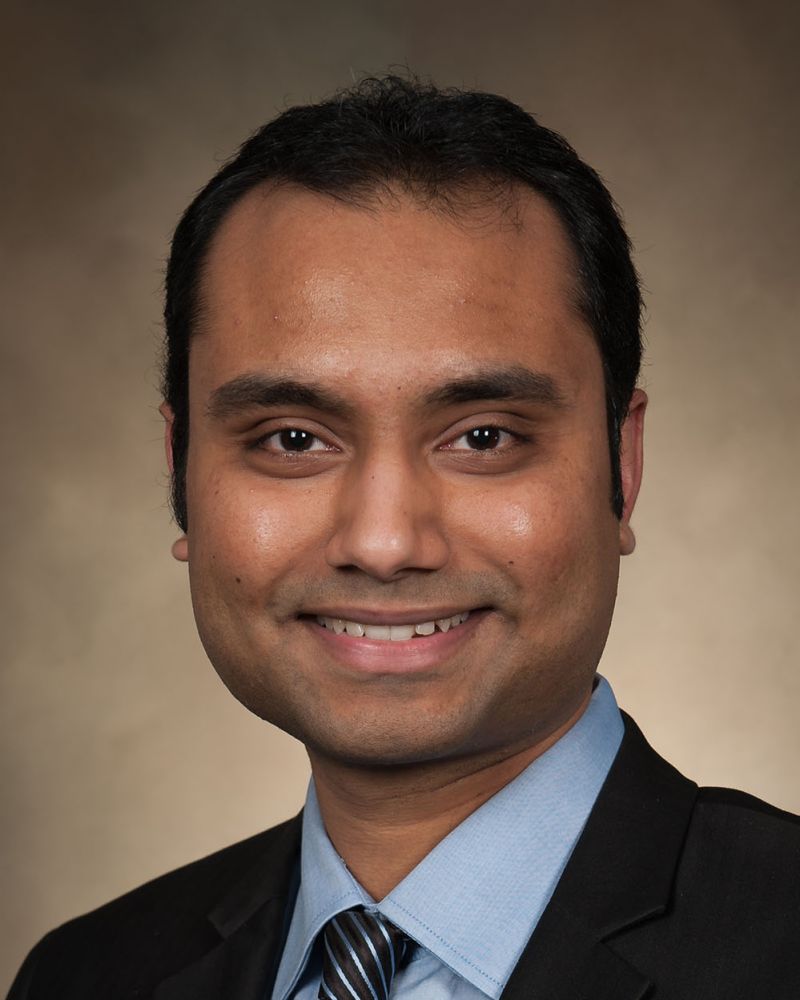
Dr. Shreyas S. Rao is an Associate Professor in the Department of Chemical and Biological Engineering at The University of Alabama, College of Engineering. He leads the Rao Laboratory, which is affiliated with the Polymers and Soft Materials Research Center. His research focuses on engineering 3D biomaterial scaffolds to model cancer microenvironments, particularly in metastatic breast cancer and brain metastases. Dr. Rao earned his Ph.D. and M.S. in Chemical Engineering from Ohio State University and a B.E. from R.V. College of Engineering, India. He joined The University of Alabama in 2015 after a postdoctoral position at the University of Michigan. His research interests lie at the intersection of biomaterials, cancer biology, and systems engineering. He develops hydrogel and porous scaffolds to mimic in vivo tissue conditions, enabling the study of tumor dormancy, drug resistance, and metastatic progression in physiologically relevant models. His lab integrates biomaterial design with systems biology to uncover mechanisms of therapeutic resistance and devise strategies to reprogram the tumor microenvironment. The recent publications from his lab highlight a strong focus on metastatic cancer, particularly brain metastasis in breast cancer, tumor dormancy, immune interactions, phage-based therapeutics, and biomimetic modeling. The work spans from fundamental biomaterial design to translational applications in drug screening and personalized medicine. CAREER Award, National Science Foundation, 2018 Grant recipient, Breast Cancer Research Foundation of Alabama, January 2024 Named 'Emerging Leader in Biological Engineering,' Journal of Biological Engineering, 2019 Reichhold-Shumaker Assistant Professorship, The University of Alabama, 2017 Ohio State College of Engineering’s Texnikoi Outstanding Alumni Award, 2024 National Academy of Inventors (NAI) Inductee, 2024 American Cancer Society Research Scholar Award METAvivor Early Career Investigator Award Dr. Rao has successfully advised numerous graduate and undergraduate students, many of whom have received national fellowships and awards. His research is supported by grants from the NSF, American Cancer Society, BCRFA, and METAvivor. He collaborates with researchers at institutions such as the University of Alabama at Birmingham, Ohio State University, and UNC/NCSU. The Rao Lab also engages in outreach, mentoring high school and undergraduate students through programs like Randall Research Scholars and REU. The Rao Laboratory operates within the Science and Engineering Complex and is part of a broader network of research centers including the Polymers and Soft Materials Research Center and the Integrative Center for Athletic and Sport Technology. The lab fosters interdisciplinary collaboration and innovation in bioengineering and cancer therapeutics.
Marlene Barros is a Full Professor at the Faculty of Dental Medicine (FMD), Portuguese Catholic University (UCP), where she also serves as Director since 2020. She is the Director of the Center for Interdisciplinary Research in Health (CIIS), recognized as 'Very Good' by FCT, and leads the SalivaTec laboratory focused on saliva-based diagnostics. She has a strong academic background in biochemistry and biology, with leadership roles in education and research. Her educational qualifications include: PhD in Biochemistry (specialty: Enzymology and Protein Chemistry), University of Coimbra (1995) Agregação in Biology, University of Aveiro (2007) Marlene Barros' research is centered on protein chemistry and molecular mechanisms of disease, with a focus on identifying biomarkers for diagnosis and therapeutic targeting. Her work spans proteomics, bioinformatics, oral biology, and microbiome analysis. She has coordinated academic programs such as the Master in Molecular Microbiology and the Degree in Biomedical Sciences. Her recent research articles reflect a strong trend in salivary proteomics, oral microbiome interactions, human-viral interactomics, and the development of bioinformatics databases (e.g., OralOme, OvisOme, CanisOme). These works emphasize translational applications in precision medicine, diagnostics, and functional food science. She has received the following scientific award: Prémio Melhor Poster SciComPT 2019 She has supervised numerous academic projects and is actively involved in national and international research collaborations. She has led or participated in significant funded projects such as SPRINT, OralTherm, RedSup4Health, and OeHMP, supported by Portugal2020 and Fundación 'la Caixa'. Her work contributes to UN Sustainable Development Goals, particularly in health and education. She is a key member of the SalivaTec laboratory and contributes to interdisciplinary teams in projects involving digital health, oral microbiome, and functional foods. Her leadership extends to pedagogical innovation and community-based learning in dental education.
Bin Tian, Ph.D., is a Professor in the Department of Biochemistry and Biophysics at The Wistar Institute and serves as Program Co-Leader of the Genome Regulation and Cell Signaling Program at the Ellen and Ronald Caplan Cancer Center. He is also the Director of the Center for Systems & Computational Biology. His research integrates molecular biology, computational genomics, and functional studies to understand RNA processing, particularly alternative polyadenylation (APA), and its roles in cancer and immunity. His educational background includes a B.S. in Biochemistry from East China University of Science and Technology and a Ph.D. in Molecular Biology from Rutgers Biomedical and Health Sciences (formerly UMDNJ). He completed postdoctoral training in bioinformatics and genomics at Johnson & Johnson before establishing his independent lab at Rutgers New Jersey Medical School in 2003, where he became a tenured professor in 2014. He joined The Wistar Institute in 2020. His research focuses on molecular systems biology of RNA, including functional genomics of cleavage and polyadenylation, regulation of gene expression through early transcriptional termination, spatial and temporal control of mRNA metabolism via alternative 3’UTRs, and cleavage and polyadenylation inhibition (CPAi) as a cancer therapeutic strategy. His lab has developed key bioinformatics resources like PolyA_DB, APAlyzer, and MAAPER. His recent publications show a strong trend in dissecting APA mechanisms across physiological and pathological contexts, including cancer, neuronal function, and immune cell differentiation. The work combines high-throughput sequencing, single-cell analysis, and computational modeling to uncover how APA regulates mRNA stability, localization, and function. He mentors a team of postdoctoral fellows, predocotoral trainees, and research assistants, contributing to training the next generation of scientists. His lab is actively pursuing novel therapeutics targeting mRNA 3’ end processing in cancer and immune disorders.
Jonas Buren is an Associate Professor at the Department of Food, Nutrition and Culinary Science , Umeå University. His research spans metabolic diseases, nutrition, and dietary interventions, with a focus on adipose tissue biology, cortisol metabolism, and insulin resistance. He collaborates with Anna Sjödin and is part of the Sports Sciences Research Network at Umeå University. Teaches: Physiology for Dietetics, Sports Nutrition, Gastronomic Chemistry, Nutritional Chemistry, Metabolism Key research areas: Metabolic dysregulation, low-carb diets, adipose tissue inflammation, glucocorticoids, insulin signaling His recent work examines the effects of ketogenic diets on body composition and lipid metabolism in controlled trials. Earlier studies explored adipose tissue dysfunction in diabetes and the role of glucocorticoids in obesity. Current projects include Dietitian Online (2018-2022), Elite Sport North (2015-2030), and a longitudinal study on ketogenic diets (2018-2025). Publications reveal trends in: Ketogenic diet impacts on lipid profiles and muscle fatigue Adipose tissue inflammation in postmenopausal women Insulin resistance mechanisms in diabetes Glucocorticoid-induced metabolic dysfunction Cross-disciplinary collaborations between nutrition, physiology, and culinary science He actively supervises thesis students and advocates for expanded nutrition research collaborations.
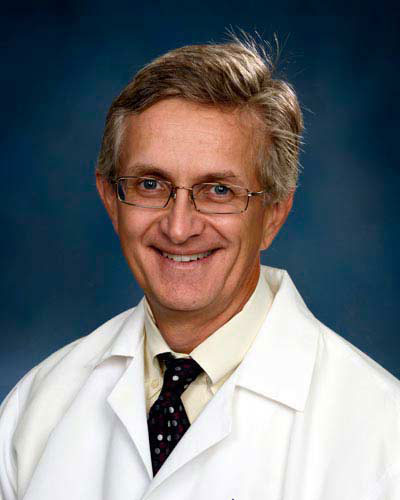
Dr. Nevins W. Todd is a Professor in the Department of Medicine and Physiology at the University of Maryland School of Medicine. He serves as the Interim Medical Director for the University of Maryland Lung Transplant Program and former Fellowship Program Director. His clinical and research focus centers on interstitial lung disease and pulmonary fibrosis. Education: MD from University of Maryland School of Medicine (1986) Board Certifications: Internal Medicine (1989), Pulmonary Disease (1992), Critical Care Medicine (1993) Dr. Todd’s research explores interstitial lung disease (ILD) , pulmonary fibrosis , and respiratory physiology , using animal models and clinical data to elucidate disease mechanisms. His team investigates molecular abnormalities in lung tissue and correlates them with clinical outcomes. His recent publications examine fibrosis pathogenesis, including cytokine regulation (e.g., IL-33), inflammatory response mechanisms, and pharmacological inhibition of fibrotic pathways. Articles highlight the role of lymphocyte aggregation, alveolar collapse, and enzyme expression in disease progression. Dr. Todd has held leadership roles in lung transplant programs and pulmonary fibrosis networks, emphasizing clinical care integration with translational research. He collaborates with rheumatology experts to bridge immunological and respiratory disease pathways.
Karin Sundström is a Principal Researcher at the Karolinska Institute , affiliated with the Department of Clinical Science, Intervention and Technology and leading the Human papillomavirus which causes cervical cancer – Research Group . She serves as a research group leader and cancer epidemiologist with extensive experience in molecular epidemiology and biobank infrastructure utilization. MD-PhD trained medical scientist Active in eHealth and big data applications Principal investigator for multiple international collaborations Research Interests: HPV-associated cancer elimination Biomarker development for female cancers Register-based cervical screening optimization Next-generation sequencing applications Machine learning in medical records analysis Epidemiology of herpes zoster Scientific Contributions: With over 20 publications in 2023-2024 alone, her work spans HPV vaccination effectiveness, cervical screening algorithms, and cancer risk stratification using epigenetic markers. Her MERMAID III initiative focuses on ovarian cancer prevention through biomarker research. Selected Awards: Swedish Cancer Society Project Grant (2022-2023) CIMED Junior Grant (2020-2022) Jonas Söderquist Award for Virology Research (2016) Academic Leadership: Supervises multiple doctoral and postdoctoral researchers including Dr. Jiangrong Wang, and serves as study director for KI's Diagnostic Cytology program. Previously coordinated the Nordic Information for Action eScience Center (NIASC) eHealth projects.

/prod01/production-cdn-pxl/media/umassdartmouth/profiles/umass-law/20161201-umass-law-portrait-dac-133a.jpg)