Gail Carlson is an Associate Professor of Environmental Studies at Colby College, with a focus on environmental health impacts and policy. Her work bridges scientific research and advocacy, particularly in the context of Maine's environmental challenges. Education: B.A. in Chemistry from St. Olaf College (1988) Ph.D. in Biochemistry from the University of Wisconsin (1994) Her research explores the intersection of environmental contaminants, climate change, and human health. Key areas include chemical pollution in Maine ecosystems, environmental justice, and legislative strategies to mitigate ecological harm. She mentors students in advocacy campaigns and policy analysis. Recent publications highlight her dual expertise in environmental toxicology and policy analysis, ranging from PFAS contamination studies to climate change adaptation frameworks in vulnerable regions like the Caribbean.
Dr. Selene Fernandez Valverde is a Senior Lecturer at the School of Biotechnology and Biomolecular Sciences , UNSW Sydney. She is a genomic scientist and bioinformatician with a focus on long non-coding RNAs (lncRNAs) and their role in gene regulatory landscape evolution across eukaryotes. BSc in Genomic Sciences, National Autonomous University of Mexico (2007) PhD , University of Queensland (2013), studying small RNAs with Prof. John Mattick Her research explores the evolutionary dynamics of lncRNAs in plants and animals, using bioinformatic tools to predict functions. She investigates how lncRNAs contribute to food production, human disease, and gene regulation in crops and metazoans. The 15 most recent articles highlight her work on lncRNA evolution across species, genomic approaches to functional validation, and bioinformatics applications. Key themes include Arabidopsis thaliana lncRNAs, X-chromosome dosage compensation in reptiles, and comparative genomics of gene clusters. Gender Equality Award , International Union of Immunological Societies (2019) International Rising Talents Fellowship , L’Oréal-UNESCO (2018) L’Oréal-UNESCO-CONACYT Fellowship (2016) She has mentored 19 students and postdocs, including Irving Jair García (PhD) and Gabriel Martinez (MSc). Her grants include a Newton Advanced Fellowship (2018, £105,500) for studying lncRNA and chromatin structure in plants. Dr. Valverde leads the RegRNALab , which employs bioinformatic and genomic data to study gene regulatory mechanisms. She co-founded Mas Ciencia por Mexico and Mexican Network of Bioinformatics , and is part of the Homeward Bound climate leadership program (#TeamHB8).
Luke Hunter is an Associate Professor in the School of Chemistry at the University of New South Wales (UNSW), where he has been a faculty member since 2011. He was promoted to Senior Lecturer in 2014 and to Associate Professor in 2019. His research program focuses on organic synthesis with a particular emphasis on organofluorine chemistry, and he maintains an active laboratory investigating the application of fluorine atoms as conformational tools in bioactive molecule design. Dr. Hunter's educational background includes: Bachelor of Advanced Science (Honours Class 1 and University Medal), The University of Sydney, 1997-2000 Ph.D. in Chemistry, The University of Sydney, 2001-2004 Graduate Certificate in University Learning and Teaching, UNSW, 2012-2013 Luke Hunter's research interests center on organic synthesis and medicinal chemistry, with a frequent focus on fluorinated target molecules. His group explores how fluorine atoms can be used as "molecular origami" tools to control molecular conformation. The highly polarized C-F bond tends to align in particular ways with adjacent functional groups due to subtle stereoelectronic effects, which Hunter's lab harnesses to produce novel bioactive molecules constrained into optimal 3D shapes. This research spans natural products chemistry, peptidomimetics, and the development of new synthetic methodologies for organofluorine compounds. Analysis of Dr. Hunter's recent publications reveals a consistent focus on fluorine chemistry applied to biological systems. His work demonstrates how strategic placement of fluorine atoms can dramatically impact molecular conformation, leading to enhanced biological activity, improved pharmacokinetic properties, and novel applications in drug design. The research spans from fundamental synthetic methodology development to applied studies in medicinal chemistry and drug delivery systems. Dr. Hunter has received numerous scientific awards and recognitions: Vice-Chancellor's Award for Teaching Excellence (2018) Vice-Chancellor's Award for Teaching Excellence (2016) Fellow of the UNSW Scientia Education Academy (2017) Tasmanian Alkaloids Lectureship (2015) ARC Discovery Early Career Researcher Award (2012) University of Sydney Postdoctoral Research Fellowship (2009) University Medal (2000) Dr. Hunter has secured significant research funding, including a $3 million Cooperative Research Centres Projects grant (2020-2022), multiple ARC Discovery Projects totaling over $1 million, and an ARC Discovery Early Career Researcher Award. His teaching grants include an ARC Industrial Transformation Training Centre grant of $3.2 million (2018-2023) and multiple UNSW Learning & Teaching grants. While specific students aren't listed in the provided text, his research program has clearly supported numerous graduate students and postdoctoral researchers over the years. The Hunter Research Group at UNSW maintains an interdisciplinary approach, collaborating extensively with researchers across chemistry, biology, and pharmacology to analyze the biological properties of the molecules they create. Their work bridges synthetic organic chemistry with biological applications, focusing particularly on how fluorine incorporation can optimize molecular properties for pharmaceutical development.
Zhongjian Cheng, PhD, is an Assistant Professor in the Department of Cardiovascular Sciences at Temple University's Lewis Katz School of Medicine. His research focuses on diabetes-mediated cardiovascular complications, particularly the mechanisms of vascular injury, endothelial dysfunction, and myocardial repair. He investigates extracellular vesicles/exosomes from diabetic cells and their modification via genetic, epigenetic, and metabolite approaches to enhance regenerative properties. Education: PhD from University of Helsinki; Postdoctoral fellowship at University of Calgary Affiliation: Member of the Aging + Cardiovascular Discovery Center Dr. Cheng's work spans diabetic cardiovascular complications , extracellular vesicle biology , epigenetic modifications , and non-coding RNA (circular RNA, miRNA). His studies use animal models to explore vascular relaxation impairments , myocardial infarction , and heart failure mechanisms. His recent publications highlight exosome-based therapeutics for heart failure, epigenetic sex differences in cardiac repair, and circRNA/miRNA roles in macrophage and endothelial cell function. Key awards include multiple American Heart Association grants .
Yongqing Li is an Associate Professor in General Surgery Administration at the University of Michigan , with a focus on understanding and targeting protein post-translational modifications in sepsis and traumatic injuries. His research bridges molecular immunology with clinical applications. Primary Affiliation: University of Michigan, Department of General Surgery Key Collaborators: Hasan Alam, Katsuo Kurabayashi, Jifeng Zhang Research Interests Dr. Li's work centers on: Peptidylarginine Deiminase (PAD) enzymes and their role in sepsis and immune dysfunction Neutrophil Extracellular Traps (NETs) in inflammation and organ injury Therapeutic strategies for acute lung injury and traumatic brain injury Epigenetic modulation via histone deacetylase (HDAC) inhibitors Publication Trends His recent publications (2025–2021) highlight: Targeting Citrullinated Histone H3 (CitH3) for sepsis diagnostics Developing PAD2 inhibitors to mitigate inflammation Investigating macrophage polarization in acute lung injury Translating extracellular vesicle therapies for neuroprotection These works span immunology, molecular biology, and surgical research, with applications in critical care and trauma recovery.
Bambarendage Pinithi Upekka Perera is a Researcher at the University of Michigan School of Public Health , affiliated with the Environmental Health Sciences department and Environmental Epigenetics and Nutrition Lab . She holds a PhD in Biological Sciences from Louisiana State University (2016) and a BS in Biological Sciences from the University of New Orleans (2011). Her research focuses on environmental epigenetics, non-coding RNA (piRNA), genomic imprinting, and developmental toxicology. PhD, Biological Sciences, Louisiana State University, 2016 BS, Biological Sciences, University of New Orleans, 2011 Dr. Perera's work explores how environmental toxicants like lead , phthalates , and bisphenol A alter epigenetic mechanisms such as DNA methylation , histone modifications , and piRNA expression , linking these changes to human health outcomes like neurodevelopmental disorders and late-onset diseases . Her recent publications highlight tissue- and sex-specific epigenetic responses to developmental exposures. She is actively involved in teaching through courses like EHS 687/688: Environmental Health Sciences Professional Development and has secured NIH funding for projects on imprinted gene regulation by lead exposure . Dr. Perera collaborates with Dr. Dolinoy's team on applying piRNA-based tools for epigenome editing in environmental health.
Sinisa Dovat, MD, PhD is an Adjunct Associate Professor in the Biochemistry Division of the School of Medicine at Pennsylvania State University. His research focuses on molecular mechanisms of leukemia development and therapeutic interventions, with particular emphasis on epigenetic regulation in high-risk leukemia cases. Dr. Dovat's research interests center on: Epigenetic regulation in leukemia, particularly the role of IKAROS and Casein Kinase II (CK2) signaling pathways Molecular mechanisms underlying high-risk B-cell and T-cell acute lymphoblastic leukemia CRLF2 alterations and their role in childhood leukemia, especially among Hispanic populations Development of targeted therapies for leukemia based on molecular understanding of disease mechanisms Health disparities in pediatric leukemia outcomes His extensive publication record (over 160 publications from 1991-2025) demonstrates a consistent focus on molecular mechanisms of leukemia, with recent work emphasizing precision medicine approaches for high-risk cases. Current research examines novel therapeutic targets including the CK2/IKAROS axis, WDR5/ATAD2 signaling, and TSLP-based interventions for CRLF2 B-cell ALL. Dr. Dovat has been involved in significant research projects including: Epigenetic Regulation in High-Risk Leukemia (2017-2021) Federal Targeting CRLF2 and Ikaros Alterations to Reduce Health Disparities in Childhood Leukemia (2016-2023) Xenograft Model to Study Impact of CRLF2-Ligand in Hispanic Childhood B-ALL (2012-2015) His laboratory investigates the molecular pathways involved in leukemia development, with particular focus on transcriptional regulation, epigenetic modifications, and signal transduction pathways that drive leukemogenesis. The research team employs both in vitro and in vivo models to study these mechanisms and develop targeted therapeutic approaches.
Jukka Westermarck is a Professor of Cancer Biology and Research Director at the Turku Bioscience Centre, University of Turku. His career spans postdoctoral work at EMBL Heidelberg (1999-2001), leadership roles at Turku Centre for Biotechnology (2002-2006, 2009-present), a tenure as group leader at the Institute of Medical Technology (University of Tampere, 2006-2009), and a visiting professorship at Dana-Farber Cancer Institute (2012). His research centers on the role of protein phosphatase 2A (PP2A) in cancer progression. Key contributions include discovering PP2A's tumor-suppressive mechanisms, therapeutic targeting of phosphatase regulators, and demonstrating how CIP2A and IER5L influence therapy resistance in breast and prostate cancers. Recent work explores NRF2 adaptation in HER2-inhibited oesophageal adenocarcinoma and DDX4's oncogenic roles. Scientific Awards : Young researcher prize from Finnish Medical Association Duodecim (2007) Anders Jahre young investigator prize (2009) Elected member of the Finnish Academy of Science and Letters (2017) Westermarck's laboratory (Westermarck Lab) operates within the Turku Bioscience Centre, focusing on phosphatase-based cancer mechanisms and translational applications. His work has generated novel diagnostic biomarkers and therapy targets, while his 2024 commentaries in Kauppalehti and Helsingin Sanomat highlight his engagement in national science policy debates.
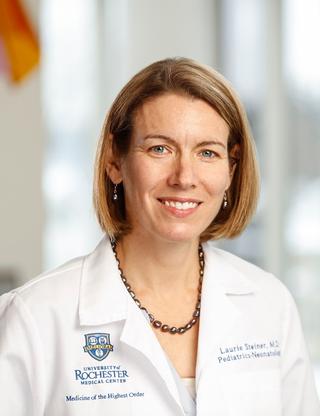
Laurie A. Steiner, M.D., is a Professor in the Department of Pediatrics, Neonatology at the University of Rochester School of Medicine and Dentistry. Her research focuses on the molecular mechanisms of erythroid maturation and hematology disorders. Education: MD from Icahn School of Medicine at Mount Sinai (2003) Residency: Yale New Haven Hospital (2003-2006) Fellowship: Yale New Haven Hospital (2006-2010) Dr. Steiner's research integrates genomics, epigenetics, and hematology to investigate DNA sequences, chromatin structure, and transcription factors during red blood cell development. Her lab has published groundbreaking work on erythroid self-renewal, chromatin remodeling, and disease-related disruptions in these processes. Scientific awards include the Ruth Lawrence Academic Faculty Service Award (2022, 2016), Society for Pediatric Research induction (2015), and Pediatric Scientist Development Program (2006). She leads the Steiner Lab, which studies neonatal hematology and erythropoiesis mechanisms.
Paško Konjevoda serves as a Senior research associate at Croatia's Ruđer Bošković Institute, where he is embedded within the Division of Molecular Medicine and Laboratory for Epigenomics at the NMR Centre in Zagreb. His institutional affiliation positions him at the intersection of advanced molecular research and epigenetic analysis. Dr. Konjevoda's research centers on epigenomics—the study of heritable gene expression changes without DNA sequence alteration—within the framework of molecular medicine. His work leverages nuclear magnetic resonance (NMR) technologies to investigate epigenetic mechanisms underlying diseases, contributing to biomedical advancements in understanding cancer, neurological disorders, and metabolic conditions through chemical modification analysis of DNA and histone proteins. The Laboratory for Epigenomics operates as a specialized unit within the Division of Molecular Medicine, utilizing cutting-edge NMR spectroscopy to decode epigenetic regulatory networks. This research environment focuses on translating molecular insights into potential therapeutic strategies for complex human diseases.
Peter Sander is a Full Professor at the University of Zurich , leading the Institute of Medical Microbiology 's research group focused on Mycobacterium tuberculosis and Mycobacterium abscessus . His research spans virulence mechanisms, lipoprotein biogenesis, vaccine innovation, and antibiotic resistance. Key research areas include Posttranslational modification of mycobacterial lipoproteins Drug susceptibility and resistance mechanisms RNA metabolism as antibiotic target Recent publications highlight advancements in 3',6'-disubstituted spectinomycins for efflux resistance, Fidaxomicin derivatives with enhanced activity, and Mycobacterium abscessus resistance gene characterization. Collaborations span institutions in Switzerland, France, Italy, and the U.S. Scientific honors include the Young Investigator Award from the German Society for Hygiene and Microbiology (2002). Supported by grants from the Swiss National Science Foundation, European Commission, and industry partners. Students mentored include Ph.D. candidates at the University of Zurich. His lab investigates lipoprotein synthesis pathways and host immunity interactions , with implications for tuberculosis and nontuberculous mycobacteria therapies.
Prof. Uğur GEZER is a Professor and Head of Department at Istanbul University's Oncology Institute, Department of Oncology. He has been with the institution since 2000, progressing from Instructor to Associate Professor and finally to Professor in 2012. His research focuses on molecular oncology with emphasis on cancer biomarker discovery using circulating tumor DNA, epigenetic modifications, and non-coding RNAs. Prof. GEZER received his undergraduate degree from Hacettepe University in Turkey (1988-1992), followed by postgraduate studies at Universitaet Kaiserslautern in Germany (1993-1996), and completed his doctorate at Ruprecht-Karls-Universitaet Heidelberg, Germany (1996-2000). His primary research interests include: Molecular mechanisms of cancer development and progression Circulating tumor DNA and liquid biopsy approaches Epigenetic modifications in cancer, particularly histone methylation Long non-coding RNAs in prostate and breast cancer Biomarker discovery for early detection and treatment monitoring Cancer genomics and repetitive elements in cell-free DNA Analysis of Prof. GEZER's recent publications reveals a strong focus on developing novel cancer biomarkers based on circulating nucleic acids. His work particularly emphasizes satellite DNA repeats, histone modifications, and long non-coding RNAs as potential diagnostic and prognostic tools. A significant portion of his research investigates prostate cancer mechanisms and biomarkers, with growing interest in breast cancer and colorectal cancer applications. Prof. GEZER has supervised numerous graduate students through their thesis work, with a focus on cancer molecular biology topics. His research has been supported by multiple projects from Higher Education Institutions, focusing on prostate cancer, breast cancer, and circulating biomarkers. His laboratory specializes in molecular techniques for analyzing circulating nucleic acids, histone modifications, and non-coding RNA expression, with applications in prostate cancer, breast cancer, and colorectal cancer research.
Maziar Divangahi is a Senior Scientist at the Research Institute of the McGill University Health Centre (RI-MUHC) and Professor in the Department of Medicine at McGill University's Faculty of Medicine and Health Sciences. He also holds the Strauss Chair in Respiratory Diseases and serves as Associate Director of the McGill International TB Centre. His research focuses on the interplay between innate and adaptive immunity in pulmonary infections like influenza and tuberculosis. Education: BSc in Biology, McMaster University (2000) PhD in Immunology, McGill University (2005) Postdoctoral Fellowships: Infectious Diseases (McMaster, 2007), Innate Immunity (McGill, 2008), Macrophage Death (Harvard, 2010) His work explores host defense mechanisms balancing pathogen elimination with tissue preservation, trained immunity via hematopoietic stem cells, macrophage cell death programs , and metabolic regulation in infections . Recent publications highlight β-glucan's role in reprogramming immunity, BCG vaccine's cross-protection against influenza, and epigenetic rewiring of immune memory. Scientific Recognition: CIHR-CTS Mid-Career Lecturer in Respiratory Sciences (2024) He leads the Divangahi Lab at Meakins-Christie Laboratories, RI-MUHC, mentoring graduate students and postdoctoral fellows while driving translational research in respiratory diseases.
Professor Louis Rendina is a leading researcher at the Department of Chemistry , Faculty of Science , The University of Sydney . His work focuses on the synthesis and medicinal chemistry of boron and lanthanoid elements , particularly for cancer theranostics and drug discovery. Key research themes include: Exploitation of boron and rare earth radiometals in cancer therapies Design of theranostic agents for diagnostic and therapeutic applications Development of carborane-based molecular scaffolds for biological targeting Creation of boron fluorophores for bioimaging His recent publications highlight advancements in carborane-containing polymers , gadolinium-phosphonium complexes , and Boron Neutron Capture Therapy (BNCT) applications. Awards include the Royal Australian Chemical Institute Biota Medal and multiple fellowships from prestigious societies. Current funding includes: ARC Industrial Transformation Training Centre for Advanced Radiochemical Technologies (2024) Development of Advanced Radiochemical Technologies (2024) New Frontiers in the Therapeutic Application of Gadolinium (2011) Professor Rendina's group also explores mitochondrial-targeted agents and multinuclear metal complexes for tumor-specific delivery, with collaborations at ANSTO (Lucas Heights) for radiolabelling studies.
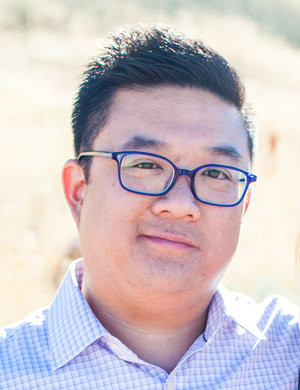
Clement Chow is an Associate Professor of Human Genetics at the University of Utah , holding a primary appointment within the Department of Human Genetics and an affiliation with the Molecular Biology Program . He leads an active research laboratory focused on understanding how genetic variation influences disease outcomes and therapeutic responses. Education: B.A. – Cornell University Ph.D. – University of Michigan Research Interests: Dr. Chow’s laboratory integrates Drosophila genetics, mouse population genetics, and functional genomics to dissect the impact of natural genetic variation on human disease. Core themes include: Precision Medicine & Rare Disease: Using Drosophila and mouse models to uncover genetic modifiers that explain variable expressivity and penetrance in Mendelian disorders such as NGLY1-deficiency, DPAGT1-CDG, PIGA-CDG, and retinitis pigmentosa. ER Stress Biology: Mapping the genetic architecture of the endoplasmic reticulum (ER) stress response across genetically diverse mouse strains and Drosophila lines to understand how ER stress variability influences disease. Evolutionary Genetics: Exploring evolutionary rate covariation among glycosylation pathways and investigating how disease genes co-evolve and modify each other. Research Trends in Recent Publications (2022–2025): His most recent work has converged on three major areas: (1) CRISPR- and Drosophila -based modifier screens to identify actionable therapeutic targets for rare congenital disorders of glycosylation; (2) transcriptomic and functional validation of natural genetic variants (e.g., SEL1L, CNTN2, DPM1) that modulate ER stress and disease severity; and (3) rapid patient-specific Drosophila models enabling drug-repurposing screens with FDA-approved compound libraries. Scientific Awards & Honors: No specific awards are listed in the provided text; however, his sustained publication record in high-impact journals (e.g., Nature Reviews Genetics , PNAS , Genetics , PLOS Genetics , Cell Reports ) attests to significant recognition within the fields of human genetics and rare disease research. Laboratory, Teams & Collaborations: Dr. Chow runs the Chow Lab at the University of Utah, which is part of the broader bioscience graduate programs including the Molecular Biology PhD Program. The lab collaborates closely with clinicians for patient sample acquisition, with bioinformaticians for large-scale eQTL analyses, and with core facilities for genomics and drug screening. Active translational partnerships include the Utah NeoSeq Project, which delivers rapid genomic diagnostics to neonatal intensive care units.