- Immunology
- Signal Transduction
- Innate Immunity
- +۴ مورد دیگر
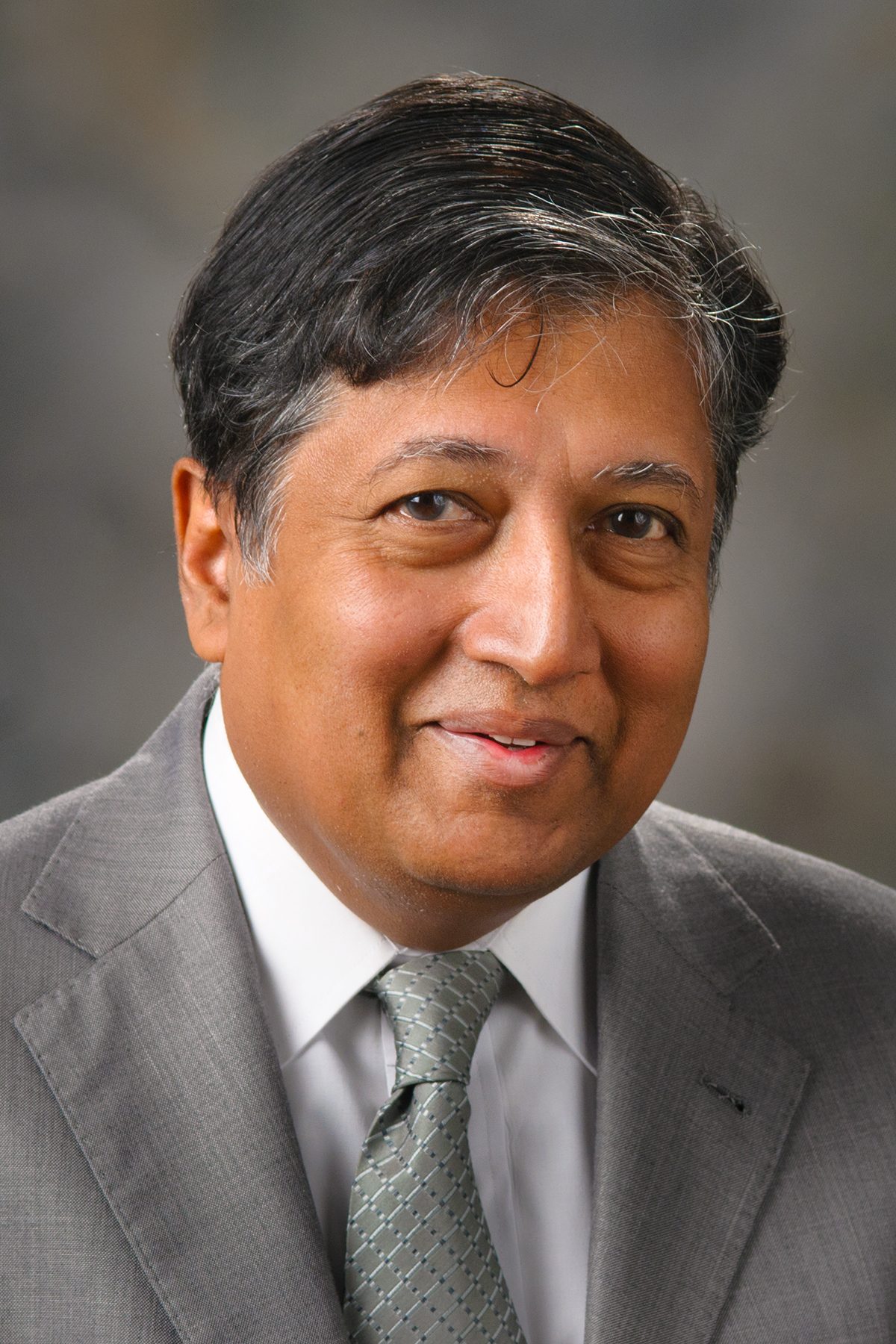
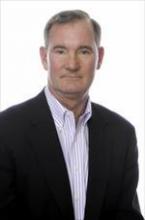
Clifford Lowell, MD, PhD is a Professor at the University of California San Francisco (UCSF) School of Medicine in the Department of Pathology. He leads a research laboratory focused on tyrosine kinase-based signal transduction in innate immune cells, with particular expertise in Src-family and Syk family kinases. Dr. Lowell's educational background includes a B.S. in Biology from Stanford University (1979), and both an M.D. and Ph.D. in Biochemistry/Molecular Biology from The Johns Hopkins University School of Medicine (1986). His research program investigates immune cell signaling using genetically modified mouse models, particularly examining how tyrosine kinases regulate leukocyte integrin signaling and innate immune functions. Key areas of investigation include: Src-family and Syk kinases in leukocyte integrin signaling Role of tyrosine kinases in autoimmune and inflammatory diseases Tyrosine phosphatases (particularly SHP-1) in counter-regulation of immune signaling Calcium signaling proteins in myeloid lineage cells Dr. Lowell has secured continuous NIH funding since 1995, serving as Principal Investigator on multiple R01 grants including "Regulation of Innate Immune Signaling by Lyn Kinase" (R01AI113272) and "Mechanisms of Neutrophil Activation" (R01AI065495). His recent publications (2022-2024) demonstrate ongoing research activity with particular focus on neutrophil biology, tyrosine kinase signaling, and connections to inflammatory diseases, autoimmune conditions, and cancer immunology. Among his notable honors are the Howard Hughes Physician Scientist Training Fellowship (1992), American Society of Hematology Junior Faculty Scholar Award (1997), and multiple awards from leukemia research foundations. In 2003, he was appointed Associate Director of the UCSF M.D.-Ph.D. (MSTP) Program. Dr. Lowell has mentored numerous students and researchers through his laboratory and his leadership role in the MD-PhD program. His research has been supported by substantial NIH funding over multiple decades, reflecting the significance and impact of his work in immunology and signal transduction.