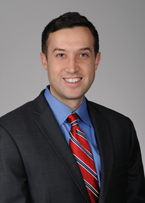
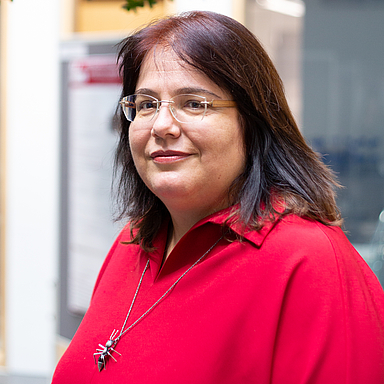
Itsik Pe'er is a Full Professor and Vice-Chair in the Department of Computer Science at Columbia University's Fu Foundation School of Engineering & Applied Science, and holds a joint appointment as Professor of Systems Biology at the Vagelos College of Physicians and Surgeons. His research focuses on computational methods in human genetics, including genetic variation analysis, disease association studies, and algorithm development for genomic data. He leads the Itsik Pe'er Lab of Computational Genomics, which develops tools like Xplorigin, Germline, and SEACells to address challenges in genomics and medical research. His work spans machine learning applications in healthcare, microbiome analysis, and cancer genomics. Notable contributions include studies on hypertensive disorders in pregnancy, bias correction in predictive models, and the development of non-Euclidean learning libraries like Manify. Pe'er has advised students including Vladimir Vacic, Anat Kreimer, and Arthi Ramachandran, and collaborates on grants addressing genetic epidemiology and computational biology. His lab's location is in the Computer Science Building at Columbia's Morningside Campus.
Tracey Evans Chan is an Associate Professor and Director of the NUS Law Academy at the National University of Singapore's Faculty of Law. His expertise lies in biomedical law and ethics, with a focus on issues such as surrogacy, transplant ethics, and human-animal research. He has held significant roles, including a secondment to Singapore's Ministry of Health, where he contributed to the Human Biomedical Research Act 2015. He currently serves on the National Medical Ethics Committee and the Advisory Committee on Restricted Research under the same Act, and is a member of NUS's Institutional Review Board. Education: LLM (Harvard University) LLB (National University of Singapore) Research Interests: Chan's work bridges legal and ethical dimensions of biomedical advancements. Key areas include regulatory challenges in mitochondrial replacement technology, consent frameworks for minors, and the ethical implications of emerging medical technologies. His contributions to Singapore's legal committees reflect his commitment to balancing innovation with societal values. Publications & Trends: His recent works explore themes like advance care planning, the placebo effect in clinical practice, and cross-jurisdictional comparisons of healthcare dependency laws. These publications underscore his interdisciplinary approach to legal and biomedical challenges. Awards & Grants: No specific awards or grants are listed, but his policy contributions and academic output highlight his impactful work in regulatory frameworks. Advising & Teams: As a faculty member, he teaches courses like Medical Law and Ethics. His involvement in NUS's Institutional Review Board and Singapore's advisory committees demonstrates his role in shaping research ethics and healthcare policy.
Manuel R. Amieva is a Professor at Stanford University School of Medicine , holding joint appointments in Pediatrics - Infectious Diseases and Microbiology & Immunology . He is also a member of the Maternal & Child Health Research Institute (MCHRI) . His clinical practice at Stanford Medicine Children's Health focuses on pediatric infectious diseases. Education: Medical Education: Stanford University School of Medicine (1997) Fellowship: Stanford University Pediatric Infectious Disease Fellowship (2004) Internship & Residency: Stanford Health Care at Lucile Packard Children's Hospital (1998-1999) Dr. Amieva's research investigates host-pathogen interactions at epithelial barriers, with specific expertise in Helicobacter pylori , Listeria monocytogenes , Salmonella enterica , and Staphylococcus aureus . His lab develops innovative organoid culture systems with controlled polarity to study microbial colonization and oncogenic mechanisms. Key discoveries include: H. pylori's manipulation of epithelial junctions via the CagA protein Listeria's exploitation of cell extrusion sites for invasion Staphylococcus toxin interactions with adherens junctions Gastric stem cell activation by pathogens Recent publication trends show continued leadership in infectious disease mechanisms (2020-2025), with a focus on: Pathogen-specific epithelial breach strategies Organoid modeling of viral/bacterial interactions Redox-dependent host factor regulation Single-cell spatial transcriptomic analyses Multi-institutional educational frameworks His scientific collaborations span disciplines including: Gastric cancer genomics initiatives COVID-19 lung infection models Stem cell-microbe interactions Medical education reform projects Dr. Amieva maintains active clinical research while mentoring students in both the Microbiology & Immunology and Pediatrics programs. His lab at Stanford employs advanced 3D confocal microscopy and organ-on-a-chip technologies to visualize epithelial colonization dynamics.
Steven L'Hernault is Professor and Chairman of Biology at Emory University, where he leads research on cellular and developmental processes using Caenorhabditis elegans models. His laboratory investigates molecular mechanisms underlying spermatogenesis, focusing on genetic controls of sperm development and function. The L'Hernault Lab studies highly conserved genome protection mechanisms in germ lines using genetic, molecular, and biochemical approaches. Key research areas include secretory vesicle function, membrane protein interactions, and ubiquitin ligase activity during sperm differentiation. Recent publications examine paternal epigenetic inheritance pathways and palmitoyltransferase functions in spermiogenesis. The lab maintains an extensive collection of C. elegans mutants with defective spermatogenesis to study fundamental cellular processes.
Konstantinos Anastassiadis is a Professor at the Center for Molecular and Cellular Bioengineering (CMCB) of Dresden University of Technology , leading the Stem Cell Engineering group at the Biotechnology Center (BIOTEC) . His research focuses on unraveling molecular pathways regulating stem cell self-renewal and lineage commitment, with a strong emphasis on genetic engineering tool development and epigenetic mechanisms during cellular reprogramming. The lab utilizes mouse and human embryonic stem cells, neural stem cells, mesenchymal stromal cells, and induced pluripotent stem cells (iPSCs) in their investigations. Core Research Areas: Molecular regulation of stem cell fate Epigenetic mechanisms (e.g., UTX/UTY histone demethylases) Genetic engineering tool development (Flp, Dre, Vika recombinases, CRISPR protocols) Conditional immortalization systems for rare cell expansion Publications highlight his contributions to understanding: Role of histone methyltransferases (MLL1, MLL2, Setd1b) in hematopoiesis and cancer Epigenetic regulation during mouse development and spermatogenesis Genetic tools for protein tagging, transposon-mediated BAC transgenesis Interactions between stem cells and niche microenvironments Transcriptional and mechanical markers during reprogramming Collaborations span immunology , developmental biology , and bioinformatics . The lab actively participates in teaching activities at CMCB and maintains a focus on translational applications of stem cell research.
Michael Lampson is Professor of Biology at the University of Pennsylvania's School of Arts and Sciences, with secondary appointments in the Department of Cell and Developmental Biology. He serves as faculty in the Cell and Molecular Biology (CAMB) and Biochemistry and Molecular Biophysics (BMB) Graduate Groups, and is affiliated with the American Society for Cell Biology (ASCB). Ph.D., Cornell University, Weill Medical College, 2002 AB, Harvard College, 1994 Dr. Lampson's research program focuses on fundamental mechanisms of chromosome biology, with particular emphasis on cell division, centromere inheritance, and meiotic drive. His lab investigates how selfish genetic elements can violate Mendel's First Law through meiotic drive, the stability of centromere chromatin through the germline, and the role of repetitive satellite DNA in chromosome segregation. Using innovative approaches including mouse model systems, optogenetic tools, and biochemical techniques, his work bridges cell biology, genetics, and evolutionary biology to address questions with implications for reproductive biology, cancer, and genetic inheritance. Analysis of Dr. Lampson's recent publications reveals a strong focus on the intersection of centromere biology, meiotic drive, and chromosome segregation mechanisms. His work increasingly incorporates computational approaches alongside experimental systems to study evolutionary aspects of centromere function. The research demonstrates consistent innovation in methodology, particularly in developing optogenetic tools for precise manipulation of cellular processes. Key themes include the role of satellite DNA variation, mechanisms of non-Mendelian inheritance, and the stability of chromatin structures through cell division and development. Searle Scholar Award American Association for the Advancement of Science (AAAS) fellow Dr. Lampson's research is supported by multiple NIH grants including from NIGMS, NHGRI, NICHD, and NCI, as well as University of Pennsylvania funding sources including the University Research Foundation, Abramson Cancer Center, and several specialized research centers. He collaborates extensively with researchers across disciplines, including Ben Black (Biochemistry), Dennis Discher (Chemical Engineering), Dave Chenoweth (Chemistry), and Roger Greenberg (Cancer Biology), reflecting the interdisciplinary nature of his work. His lab has trained numerous graduate students and postdocs who have gone on to successful careers in academia and industry. The Lampson Lab maintains state-of-the-art facilities for cell biological, genetic, and biochemical research, with specialized equipment for live-cell imaging, optogenetic manipulation, and mouse genetics. The lab fosters a collaborative environment that bridges molecular, cellular, and evolutionary perspectives on chromosome biology.
Donald Rio holds the Richard and Rhoda Goldman Distinguished Chair in the Biological Sciences and is a Professor of Biochemistry, Biophysics, and Structural Biology. He is affiliated with the Division of Biochemistry and Molecular Biology and the Center for Integrative Genetics. His lab focuses on nucleic acid transactions, including transposable element mobilization (P elements) and RNA binding protein mechanisms controlling alternative splicing. Research highlights include studies on THAP9 proteins in humans/zebrafish, cryo-EM structural analysis of transposase-DNA complexes, and splicing regulation in neurodegenerative diseases like ALS and Parkinson’s. His work combines biochemical, genetic, and computational approaches, including the development of the Junction Usage Model (JUM) for splicing analysis. Research interests span transposition mechanisms linked to HIV integration, immune system recombination, and evolutionary genome dynamics. His team investigates how RNA binding proteins like hnRNPA1 influence splicing in disease contexts, with projects involving CRISPR-based models and patient RNA-seq data analysis. Collaborations include studies on splicing accuracy across tissues and age, and the impact of splicing defects in neurodegenerative disorders. Key awards include the Goldman Chair. His lab’s contributions bridge fundamental molecular mechanisms with translational applications in genetic disease modeling and drug discovery. Recent work focuses on isogenic stem cell models (iSCORE-PD) for Parkinson’s research and structural biology insights into transposase function. Grants and projects involve NIH funding for ALS splicing studies and collaborations with institutions like the Buck Institute. His lab actively publishes in top journals such as Genome Research , PNAS , and Nature , with a strong emphasis on cryo-EM and bioinformatic methods.
Clifford P. Brangwynne is the June K. Wu '92 Professor of Chemical and Biological Engineering and Bioengineering at Princeton University, serving as Director of the Omenn-Darling Bioengineering Institute. His research bridges biophysics, bioengineering, and cell biology to investigate the physical principles governing intracellular organization through liquid-liquid phase separation. Education Ph.D. in Applied Physics, Harvard University (2007) B.S. in Materials Science and Engineering (minor in Physics), Carnegie Mellon University (2001) Research Focus Brangwynne's lab pioneers the study of membrane-less organelles (biomolecular condensates) formed via phase separation, exploring their roles in nuclear architecture, genome regulation, and disease mechanisms. His work integrates soft matter physics with advanced cell biology to uncover how these condensates form, function, and contribute to pathological protein aggregation in neurodegenerative disorders, while developing synthetic organelle engineering for biomedical applications. Publication Trends His publications consistently demonstrate how liquid phase condensation governs cellular organization across scales—from nuclear genome restructuring to pathological aggregation. The interdisciplinary approach reveals fundamental physical principles while driving technological innovations in organelle engineering and disease modeling. Major Awards Breakthrough Prize for Life Sciences (2023) Raymond and Beverly Sackler International Prize in Biophysics (2023) Tsuneko & Reiji Okazaki Award (2021) Wiley Prize in Biomedical Sciences (2020) Blavatnik National Award in Life Sciences (2020) Human Frontier Science Program Nakasone Award (2020) Michael and Kate Bárány Award, Biophysical Society (2020) HHMI Transformative Technology Award (2019) MacArthur Fellow (2018) HHMI, Simons Foundation, and Bill & Melinda Gates Foundation Faculty Scholar (2016) SCB Gibco Emerging Leader Prize, American Society of Cell Biology (2015) Sloan Research Fellowship (2014) NSF CAREER Award (2013) NIH New Innovator Award (2012) Searle Scholar Award (2012) Helen Hay Whitney Fellow (2008-2010) Advising and Funding He mentors graduate students including Jordy Botello, Yi-Che (Eje) Chang, Yoonji Kim, Claire Weaver, Lennard Wiesner, and Jessica Zhao. Research is supported by HHMI, Simons Foundation, Bill & Melinda Gates Foundation, NIH, NSF, and the Human Frontier Science Program. Laboratory and Collaborations Leading the Soft Living Matter Group, Brangwynne collaborates with theorists including Mikko Haataja (Princeton Mechanical Engineering), Ned Wingreen (Princeton Molecular Biology), and Rohit Pappu (WUSTL), while contributing to the NIH 4D Nucleome Consortium to advance understanding of nuclear organization.
Ramesh Shanmughom Pillai is a Full Professor at the Department of Molecular Biology, University of Geneva, Switzerland. He holds additional roles as a Visiting Professor at the University of Kumamoto, Japan, and has been a Group Leader at EMBL Grenoble and a postdoctoral fellow at the Friedrich Miescher Institute. His research focuses on RNA modifications, epigenetics, and piRNA pathways in germline biology. Pillai has received prestigious awards including the ERC Consolidator Grant and The RNA Society Scaringe Award. Education: BSc Botany (University of Kerala, India) MSc Biotechnology (IIT Roorkee, India) PhD in Cell Biology (University of Bern, Switzerland) Research Interests: Pillai’s work centers on RNA biology, particularly the role of RNA modifications (e.g., m6A, m6Am) in development and fertility. He investigates piRNA biogenesis, transposon silencing, and the molecular mechanisms of RNA-protein interactions. His studies bridge biochemistry, genetics, and structural biology to elucidate how RNA molecules regulate critical biological processes. Teaching & Service: At the University of Geneva, he teaches Molecular Biology courses (BSc/MSc levels) and advises 5 PhD students and 4 postdocs. He chairs the ERC Consolidator Grant Review Panel and organizes major conferences like the PIWI/piRNAs Meeting and Swiss RNA Workshop. Pillai also serves on editorial boards for Nucleic Acids Research and RNA . Awards: ERC Consolidator Grant (2015) Best PhD Thesis Award (2003) RNA Society Scaringe Award (2005) Grants & Labs: Funded by ERC Starting and Consolidator Grants, his lab explores RNA modification networks in germ cells. Former trainees include Professors Simon Conn (Flinders University) and Hao Wu (CAS, China).
Dr. Monica P. Colaiacovo is a Professor of Genetics at Harvard Medical School, where she leads research in the Department of Genetics within the Blavatnik Institute. Her laboratory is located in the New Research Building in Boston, Massachusetts. Dr. Colaiacovo's research focuses on the molecular mechanisms of meiosis, chromosome dynamics, and DNA repair in the Caenorhabditis elegans model system. Her work examines how environmental toxicants impact germline function and reproductive health, with particular emphasis on chromosome segregation, recombination, and the synaptonemal complex. Her publications reveal a consistent research trajectory examining critical aspects of meiotic chromosome behavior, including double-strand break formation and repair, crossover designation, and chromosome movement during prophase I. Her laboratory has made significant contributions to understanding how environmental exposures like bisphenol A and phthalates disrupt normal meiotic progression and lead to germline dysfunction. Dr. Colaiacovo's work demonstrates strong interdisciplinary connections between basic chromosome biology, environmental health sciences, and reproductive medicine. Her research group employs advanced genetic, molecular, and imaging techniques to dissect the complex mechanisms ensuring accurate chromosome segregation during gamete formation. Her laboratory actively collaborates with researchers studying aging, DNA repair pathways, and environmental toxicology, as evidenced by publications spanning multiple high-impact journals including Nature, PLoS Genetics, and Genetics.
Scott Michael Lindhorst, MD, is an Assistant Professor in the Department of Neurosurgery at the Medical University of South Carolina (MUSC) College of Medicine. He holds a dual appointment in the Division of Hematology/Medical Oncology within the Department of Medicine. Dr. Lindhorst specializes in neuro-oncology, focusing on central nervous system lymphomas, gliomas, and meningiomas, while also managing brain metastases through clinical trials. Education: BS in Microbiology from University of Florida (2001), MD from University of South Alabama College of Medicine (2005) Training: Residency in Internal Medicine, Fellowship in Hematology/Medical Oncology (University of Alabama at Birmingham), Fellowship in Neuro-Oncology (Duke University Medical Center) His research centers on immuno-oncology , glioblastoma therapy , and epigenetic cancer treatments , with a strong emphasis on clinical trials for novel therapies. Recent publications explore hypermutation in cancer , immune checkpoint inhibition , and programmed necrosis in glioblastoma . Dr. Lindhorst is board-certified in internal medicine, hematology, medical oncology, and neuro-oncology. Clinical practice includes CNS lymphomas , gliomas , meningiomas , and brain metastases , with dedicated clinical trials to advance treatment options.
Prof. Dr. Susanne Foitzik is a Professor of Evolutionary Biology at Johannes Gutenberg University Mainz since 2010, where she leads the Evolution & Behavioral Ecology of Ants research group at the Institute of Organismic and Molecular Evolution (IOME). Previously, she was Professor in Behavioral Ecology at LMU Munich (2004-2010) and Assistant Professor in Zoology at the University of Regensburg (2000-2004). She earned her PhD in Biology from Julius Maximilian University, Würzburg in 1998. Her research integrates approaches from behavioral ecology through genomics to epigenetics, focusing on ants as model organisms to study complex social behaviors. Host-parasite coevolution and social parasitism in ants Molecular mechanisms underlying division of labor Reversal of the fecundity-longevity trade-off in social insects Gene regulation in phenotypic plasticity Evolution of chemical communication systems Analysis of her recent publications (2022-2025) reveals a strong focus on molecular mechanisms of social behavior, with particular emphasis on host-parasite interactions, epigenetic regulation of behavior, and genomic adaptations in social insects. Her work increasingly combines transcriptomic, proteomic, and functional genomic approaches to understand the molecular basis of social evolution. Among her notable scientific achievements: Speaker of Research Training Group 2626 GenEvo: Gene Regulation in Evolution (2019-present) Speaker of EES Master Program funded by VW foundation (2007-2010) DAAD Fellow at State University of New York (1992-93) Prof. Foitzik has supervised numerous PhD students and postdocs, including Maide Macit, Tom Sistermans, and Marcel Caminer. Her research is supported by multiple DFG-funded projects investigating host-parasite coevolution, the role of gene regulation in division of labor, and parasite interference in host gene expression. She serves as Handling Editor for Biology Letters and previously served on the editorial board of Insectes Sociaux. Her research group operates within the Institute of Organismic and Molecular Evolution (IOME) at Mainz, with laboratory facilities at the Biozentrum I. The group collaborates extensively with researchers across Germany and internationally, including partnerships with institutions in Frankfurt, Freiburg, Bristol, and Tel Aviv.
Colin Cooper is a Professor of Cancer Genetics at the Norwich Medical School, University of East Anglia. He is also a member of the Metabolic Health and Cancer Studies research groups. His work focuses on genomic evolution, tumor microbiome dynamics, and biomarker development for prostate cancer and musculoskeletal health. Cooper’s recent research explores the interplay between cancer genetics and microbial communities, emphasizing their role in prognosis and treatment outcomes. He investigates clonal evolution in tumors, mutational signatures, and non-invasive diagnostic tools like urinary extracellular vesicles. His collaborations span genomics, microbiology, and clinical applications. 2025: Causes of evolutionary divergence in prostate cancer (Genomics, Precision Medicine) 2024: Applications of urinary extracellular vesicles... (Biomarker Development, Liquid Biopsy) 2023: Caution regarding pan-cancer microbial structure (Methodological Considerations, Microbiome Analysis) In 2022, Cooper received the European Urology Oncology SoMe Award for his contributions. His work is frequently cited and has been featured in media outlets globally, highlighting his impact on cancer and aging research.
Professor Awadhesh N. Jha is a Professor in Genetic Toxicology and Ecotoxicology at the School of Biological and Marine Sciences , University of Plymouth, UK. He has been a leading figure in environmental toxicology since joining the university in 1996, rising to full professorship in 2010. He leads the Environmental and Applied Biology Research Group and the Genetic Toxicology and Ecotoxicology Research Group, and served as REF UoA6 Coordinator (2014–2022). His educational background includes a PhD in Radiation Cytogenetics from Banaras Hindu University, India (1989), followed by post-doctoral work at Leiden University, Netherlands, and a role at ICI/Zeneca’s marine toxicology lab before transitioning to academia. Professor Jha’s research focuses on the genotoxic and ecotoxic impacts of environmental stressors such as radionuclides, engineered nanoparticles, PAHs, and emerging contaminants on aquatic organisms. He employs multidisciplinary and innovative methodologies, including in vitro models like fish cell spheroids (‘Virtual Fish’ project), to assess DNA damage, develop biomarkers, and reduce reliance on live animal testing. His work integrates molecular biology, chemistry, and environmental science to evaluate risks to marine ecosystems and human health. The recent research articles reflect a strong trend in marine pollution, radiation biology, and environmental risk assessment , with increasing emphasis on emerging issues like tritium release from nuclear facilities, AI-assisted landfill risk modeling, and sunscreen toxicity. His studies often involve international collaborations and real-world policy implications. Scientific Awards and Recognitions: Jim Parry Award, UKEMS (2021) Fellow of the Royal Society of Biology (FRSB, 2015) VC’s World Class Researcher Award Finalist (2010, 2012) Plymouth Pioneers Recognition UK Nominated Expert, UN WOA III (2023) Supervision and Grants: Professor Jha has supervised 26 PhD students to completion and mentored over 10 post-doctoral researchers. He has led major funded projects including TRANSAT (€5M, Horizon 2020), SPHERTOX , and TITANS , funded by EU, NERC, BBSRC, IAEA, and industry partners like AstraZeneca and Unilever. His work directly informs environmental policy and nuclear safety regulations. Laboratories and Teams: He leads the Genetic Toxicology and Ecotoxicology Research Group and is central to the Environmental and Applied Biology Research Group at Plymouth. His team collaborates internationally with institutions in France, Italy, Spain, Brazil, and India, and contributes to the South West Nuclear Hub. The lab specializes in advanced analytical methods, comet assays, and 3D cell culture models.
Ueli Grossniklaus is an Ordinary Professor at the University of Zurich within the Faculty of Mathematical and Natural Sciences , affiliated with the Department of Plant and Microbiology . His work focuses on plant developmental biology, particularly epigenetic and genetic mechanisms governing reproduction and adaptation. Key Courses: Epigenetics, Plant Biology Workshop, Group Seminars on Current Research Laboratory Techniques: Advanced methods in plant cell mechanics, transcriptomics, and genome editing Research Interests span plant epigenetics, reproductive biology, and the interplay between environmental stress and genetic regulation. He investigates: Mechanistic control of gametogenesis and fertilization Epigenetic contributions to plant adaptation Evolutionary implications of asexual reproduction Biophysical forces in plant cell growth Publication Trends (2025–2018) reveal expertise in: Arabidopsis and fern model systems Epigenetic regulation (DNA methylation, histone dynamics) Apomixis and hybrid seed failure mechanisms Biomechanics of pollen tubes and carnivorous plants Genome editing tools (CRISPR) and long-read sequencing Scientific Collaborations include interdisciplinary projects on: Microfluidic devices for plant cell analysis Gene drive ecology and ethics 3D imaging of plant reproductive structures Advising and Grants focus on mentoring through research internships in developmental biology, genetics, and systems biology. His lab engages in: Epigenetic response to environmental stress Cell wall mechanics in reproduction Computational modeling of plant growth Laboratory Teams integrate plant biologists, bioengineers, and computational scientists to study: Mechanistic gene regulation Evolutionary developmental biology Microrobotics for cellular force measurement