معرفی
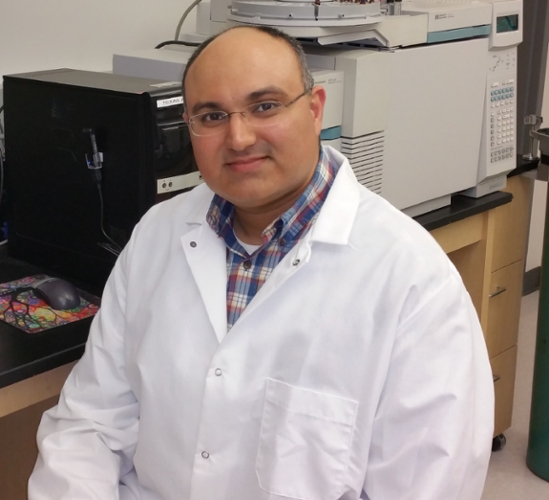
Professor Awadhesh N. Jha is a Professor in Genetic Toxicology and Ecotoxicology at the School of Biological and Marine Sciences, University of Plymouth, UK. He has been a leading figure in environmental toxicology since joining the university in 1996, rising to full professorship in 2010. He leads the Environmental and Applied Biology Research Group and the Genetic Toxicology and Ecotoxicology Research Group, and served as REF UoA6 Coordinator (2014–2022).
His educational background includes a PhD in Radiation Cytogenetics from Banaras Hindu University, India (1989), followed by post-doctoral work at Leiden University, Netherlands, and a role at ICI/Zeneca’s marine toxicology lab before transitioning to academia.
Professor Jha’s research focuses on the genotoxic and ecotoxic impacts of environmental stressors such as radionuclides, engineered nanoparticles, PAHs, and emerging contaminants on aquatic organisms. He employs multidisciplinary and innovative methodologies, including in vitro models like fish cell spheroids (‘Virtual Fish’ project), to assess DNA damage, develop biomarkers, and reduce reliance on live animal testing. His work integrates molecular biology, chemistry, and environmental science to evaluate risks to marine ecosystems and human health.
The recent research articles reflect a strong trend in marine pollution, radiation biology, and environmental risk assessment, with increasing emphasis on emerging issues like tritium release from nuclear facilities, AI-assisted landfill risk modeling, and sunscreen toxicity. His studies often involve international collaborations and real-world policy implications.
Scientific Awards and Recognitions:
- Jim Parry Award, UKEMS (2021)
- Fellow of the Royal Society of Biology (FRSB, 2015)
- VC’s World Class Researcher Award Finalist (2010, 2012)
- Plymouth Pioneers Recognition
- UK Nominated Expert, UN WOA III (2023)
Supervision and Grants: Professor Jha has supervised 26 PhD students to completion and mentored over 10 post-doctoral researchers. He has led major funded projects including TRANSAT (€5M, Horizon 2020), SPHERTOX, and TITANS, funded by EU, NERC, BBSRC, IAEA, and industry partners like AstraZeneca and Unilever. His work directly informs environmental policy and nuclear safety regulations.
Laboratories and Teams: He leads the Genetic Toxicology and Ecotoxicology Research Group and is central to the Environmental and Applied Biology Research Group at Plymouth. His team collaborates internationally with institutions in France, Italy, Spain, Brazil, and India, and contributes to the South West Nuclear Hub. The lab specializes in advanced analytical methods, comet assays, and 3D cell culture models.