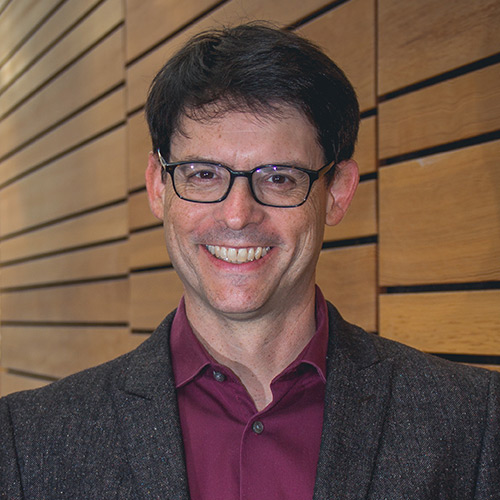
Konstantinos Kalogeropoulos is an Assistant Professor at the Department of Biotechnology and Biomedicine, Technical University of Denmark (DTU), leading research at the Cell Diversity Lab. His work bridges proteomics, computational biology, and snake venom research. Current projects: "The Proteomic Landscape during Influenza Infection" (2022-2025) Supervisor for PhD projects on protease network rewiring in psoriasis and wound exudate degradomics Research interests include: Proteomic analysis of inflammatory diseases Snake venom toxin structure prediction Extracellular matrix biomechanics De novo peptide sequencing algorithms Computational modeling of protease networks Recent article trends demonstrate his work in • Database-free proteomics (InstaNovo/InstaNexus) • Snake venom pathophysiology (V-ToCs clustering) • Inflammatory disease biomarkers (psoriasis, impaired healing) • Extracellular matrix mechanics (fibronectin tension, gut inflammation) Advising: Supervises PhD students Polhaus, C. J. M. and Haack, A. M., focusing on protease networks and wound healing.
Dr. Gabriele Schweikert is a Senior Lecturer and Principal Investigator with a joint appointment between the Division of Computational Biology in the School of Life Sciences at University of Dundee and Cyber Valley in Tuebingen. Her research focuses on applying machine learning techniques to understand epigenetic mechanisms and molecular processes in living cells. Dr. Schweikert completed her PhD at the Max Planck Institute Tuebingen working with Schoelkopf, Weigel, and Raetsch labs on machine learning for computational gene finding. She subsequently joined Adrian Bird's lab at the Wellcome Trust Center for Cell Biology in Edinburgh, a pioneer in epigenomic research. Prior to her current position, she held prestigious Marie Curie and EMBO Fellowships at the School of Informatics, University of Edinburgh. Her research interests center on using machine learning to decode epigenetic mechanisms that determine cellular identity and function. She investigates how cells with identical DNA can differentiate into specialized cell types through epigenetic regulation, with particular focus on applications in understanding tumorigenesis where epigenetic machinery malfunctions. Her work combines high-throughput epigenomic data with advanced computational approaches to address complex biological questions. Analysis of her recent publications reveals a strong focus on epigenomic data analysis, machine learning applications in biology, and computational approaches to understanding gene regulation. Her work spans from fundamental epigenetic mechanisms to practical applications in disease research, with growing emphasis on individual-specific epigenomic analysis and explainable AI in biomedical contexts. UKRI Future Leaders Fellowship (2020, £1.6 million) Marie Curie Fellowship EMBO Fellowship Dr. Schweikert actively supervises PhD students and has received significant research funding for projects including 'Machine Learning Methods to Re-Annotate Histone Modifications,' 'Unlocking The Alternative Splicing Code,' and 'GPU-Based Machine Learning System For Fundamental Biological Research.' She is involved in multiple interdisciplinary collaborations and frequently presents her work at major conferences including ELLIS Health program retreat, Epigenetics Meetings, and RECOMB workshops. She maintains active research laboratories in both Dundee and Tuebingen, fostering international collaboration between computational biologists, machine learning experts, and experimental biologists to advance our understanding of epigenetic regulation in health and disease.
Alexandra Papoutsaki is an Associate Professor of Computer Science at Pomona College since 2017. Her research focuses on Human-Computer Interaction , particularly in webcam-based eye tracking and shared gaze for remote collaboration . Ph.D. in Computer Science from Brown University M.Sc. in Computer Science from Brown University B.Sc. in Computer Science from Athens University of Economics and Business Her work spans personal informatics , crowdsourcing methodologies , and remote usability testing , with recent projects examining collaborative drawing interfaces, baby tracking reflection, and digital health communities. Earlier contributions include computational biology research in genome-wide survival analysis and pan-cancer mutation networks. Key trends in her publications include: Remote collaboration tools enhanced by eye tracking Personal data systems for health and creative domains Foundational work in crowdsourcing quality control Interdisciplinary approaches combining computer science with psychology and medicine Scientific recognition includes: NSF CRII Grant (2020-2022) Wig Distinguished Professor Award (2020) Best Paper at RECOMB (2013) She has developed multiple open-source platforms including WebGazer for scalable eye tracking and Remotion for mobile usability testing. Her research team has published extensively in top venues like CHI, IMWUT, and IJCAI.
Cathy Wu is a distinguished academic holding the Unidel Edward G. Jefferson Chair in Engineering and Computer Science at the University of Delaware. She serves as Director of the Center for Bioinformatics & Computational Biology (CBCB), Data Science Institute (DSI), and Protein Information Resource (PIR). Her roles include professorships in the Departments of Computer & Information Sciences and Biological Sciences. Education: BS in Plant Pathology (National Taiwan University, 1978), MS and PhD in Plant Pathology (Purdue University, 1982–1984), and a second MS in Computer Science (University of Texas at Tyler, 1989). She completed postdoctoral training in Molecular Biology at Michigan State University (1985–1986). Research interests focus on computational biology, bioinformatics, and data science with emphasis on protein informatics, biological text mining, ontology development, gene-disease-drug networks, and machine learning applications. She leads initiatives in integrating FAIR principles into biological databases like UniProt and InterPro. Her work bridges computational methods with biomedical challenges, including cancer genomics, epigenetic regulation, and proteomic analyses. She has spearheaded educational programs such as the Online Graduate Certificates in Applied Bioinformatics and Biomedical Informatics and Data Science. Her contributions include over 290 peer-reviewed publications (48,000+ citations, h-index 71) and authored/co-authored four books on bioinformatics. She directs multidisciplinary research teams and collaborates internationally on projects like the HALO study on ovarian cancer genetics. Awards and recognition are implied through her leadership roles and academic appointments, though specific prizes are not listed here. Her grants and funding support large-scale initiatives in bioinformatics infrastructure and translational research.
Arthur Lesk is a Professor of Biochemistry and Molecular Biology at Pennsylvania State University since 2003. Previously, he held roles including faculty member at the clinical school of the University of Cambridge (1990–2003), group leader at the European Molecular Biology Laboratory (1987–1990), and professor of chemistry at Fairleigh Dickinson University (1971–1987). He earned a B.A. from Harvard University (1961), Ph.D. from Princeton University (1966), and M.Sc. from the University of Cambridge (1999). His research focuses on bioinformatics, genomics, protein structure, and molecular biology. He has authored 189 scientific articles, 10 books, and has an h-index of 61. Notable works include Protein Science (2021) and Introduction to Bioinformatics (2019). Lesk chairs CODATA’s Biological Macromolecules Task Group and is a Fellow of the AAAS and Royal Society of Biology. He maintains active teaching and research roles, delivering lectures globally. His contributions include advancing protein structure databases and computational methods for molecular biology. Lesk is a Life Member of Clare Hall, Cambridge, and has held visiting positions at universities in New Zealand, Australia, and Europe.
Hong Han is an Assistant Professor in the Department of Biochemistry & Biomedical Sciences within McMaster University's Faculty of Health Sciences and a member of the Centre for Discovery in Cancer Research (CDCR). She holds a Canada Research Chair and leads the Han Lab, which focuses on cancer biology, RNA regulation, and innovative high-throughput technologies for therapeutic discovery. Dr. Han earned her Ph.D. from the University of Toronto (2010-2016) and has established herself as a leading researcher in glioblastoma and alternative splicing regulation. Her interdisciplinary research integrates cancer biology, RNA science, and multilayer gene regulation to uncover mechanisms underlying cancer progression and treatment resistance. Her laboratory pioneers integrated technological platforms for large-scale genetic/drug screening and ultra-high-throughput single-cell profiling. The research focuses on three main areas: alternative splicing regulation in cancer (particularly glioblastoma and prostate cancer), multilayer mechanisms of glioblastoma heterogeneity and microenvironment evolution, and multiplexed screening approaches for therapeutic discovery in treatment-resistant cancers. Analysis of Dr. Han's recent publications reveals a strong emphasis on single-cell technologies to characterize glioblastoma heterogeneity, minimal residual disease states, and tumor-immune interactions. Her work increasingly bridges basic RNA biology with translational applications, particularly in developing novel therapeutic strategies targeting splicing networks and immune evasion mechanisms. Canada Research Chair Dr. Han teaches Advanced Techniques in the Biomedical Sciences (BIOCHEM 734). Her research program is supported by multiple funding sources, as evidenced by her extensive publication record in high-impact journals including Nature, Cell, Molecular Cell, and Nature Communications. She employs a comprehensive approach combining in vitro, in vivo, and patient cohort studies with cutting-edge genomic technologies. The Han Lab has developed innovative multiplexed screening platforms that enable simultaneous interrogation of thousands of conditions, ranging from CAR-T cells to small molecule therapeutics. This approach accelerates the discovery of novel cancer targets and therapeutic strategies for treatment-resistant cancers.
Dr. Yang Zhang is a Professor at the National University of Singapore (NUS), holding appointments in the Department of Computer Science (School of Computing) and the Department of Biochemistry (Yong Loo Lin School of Medicine). He also leads the Zhang Lab, which focuses on AI-driven computational methods for protein structure prediction and design. Previously, he was a Professor at the University of Michigan. His research integrates artificial intelligence, deep learning, and physics-based models to address challenges in computational biology. Affiliations: School of Computing; Yong Loo Lin School of Medicine; Cancer Science Institute of Singapore Key Roles: Principal Investigator of Zhang Lab; Developer of I-TASSER algorithm Research interests span AI-driven protein design, deep learning for RNA structure prediction, and drug discovery. Projects include the EvoDesign server for protein interaction design and TripletRes for coevolution-based contact prediction. Major contributions include the I-TASSER algorithm, ranked top in CASP experiments for protein structure prediction. Awards: Alfred P. Sloan Award, NSF CAREER Award, and seven-time Highly Cited Researcher (2015–2021).
Eduardo Rocha is a Professor and Head of the Microbial Evolutionary Genomics laboratory at the Institut Pasteur, within the Department of Genomes and Genetics. His research integrates bioinformatics, molecular evolution, and genomics to understand bacterial genome organization and dynamics, particularly focusing on mobile genetic elements and their role in adaptation and antibiotic resistance. His research interests include microbial evolutionary genomics, genome organization, horizontal gene transfer, mobile genetic elements (plasmids, phages, integrons), bacterial pathogen evolution, and computational biology. His work lies at the intersection of molecular evolution, population genetics, and molecular epidemiology, with strong translational implications for understanding antimicrobial resistance and infectious disease emergence. The recent publications highlight a consistent focus on mobile genetic elements, genome plasticity, and bacterial adaptation. Key themes include the role of integrons and CRISPR-Cas systems in bacterial immunity, plasmid-mediated spread of antibiotic resistance, phage-plasmid interactions, and the development of bioinformatics tools for microbial genomics. These works frequently appear in high-impact journals such as Science , Nature Microbiology , and PLoS Biology , reflecting significant contributions to the field. Eduardo Rocha leads multiple funded research projects, including ERC-2011-StG EVOMOBILOME, ANR Magisbac, and ANR SHAPE. He has developed and maintains several widely used bioinformatics software tools: IntegronFinder, MacSyFinder, PanACoTA, SatelliteFinder, CapsuleFinder, TXSScan, and others. He mentors a large team of PhD students, postdoctoral researchers, and engineers, and has supervised numerous former students who now hold independent research positions worldwide. Eduardo Rocha has received research funding from major agencies including the European Research Council (ERC) and the French National Research Agency (ANR). His work is central to the LabEx IBEID and the INCEPTION convergence program, where he serves on the steering committee, promoting interdisciplinary research in infectious disease emergence. His laboratory, part of the Genomes and Genetics department, actively contributes to microbial evolutionary genomics through both methodological development and biological discovery. The team participates in networks such as Phages.fr, GDR BIM, and GDR AIEM, reinforcing its collaborative and integrative approach.
Dr. Andre Kahles is a Lecturer in the Department of Computer Science at ETH Zürich, specializing in biomedical informatics. His research focuses on computational methods for analyzing large-scale genomic and transcriptomic data, with applications in cancer genomics, metagenomics, and precision medicine. He has contributed to the development of tools such as SplAdder for alternative splicing analysis, MetaGraph for petascale genomic data exploration, and SECEDO for subclone detection in cancer genomes. His work bridges algorithmic innovation with biological insights, addressing challenges in single-cell analysis, genome graph alignment, and multi-omics integration. Key research themes include: Developing scalable algorithms for processing nanopore sequencing and metagenomic data Characterizing somatic mutations and non-coding drivers in cancer genomes Advancing genome graph-based alignment and annotation methods Integrating multi-omics data for clinical decision-making and tumor profiling His publications span topics like RNA-seq analysis, chromothripsis in cancers, and global urban microbiome tracking through the MetaSUB consortium. Kahles has collaborated on landmark projects including the Pan-Cancer Analysis of Whole Genomes (PCAWG) and the Tumor Profiler Study.
Igor Jurisica is a Professor at the University of Toronto and a Senior Scientist at the Krembil Research Institute’s Data Science Discovery Centre for Chronic Diseases. He also serves as Visiting Scientist at IBM CAS, Scientific Director of the World Community Grid, and Chief Scientist at the Creative Destruction Lab (Rotman School of Management). His research focuses on integrative computational biology, data mining, and AI-driven models for cancer mechanisms, drug discovery, and chronic disease management. Key affiliations include the Osteoarthritis Research Program, Schroeder Arthritis Institute, and leadership roles in open science initiatives like the World Community Grid, a global distributed computing platform with 810,000+ volunteers. Jurisica’s work bridges computational tools (e.g., NAViGaTOR visualization platform, MirDIP databases) and clinical applications, emphasizing explainable AI in healthcare. Research interests span proteomics, microRNA regulation, systems vaccinology, and multi-omics integration for disease stratification. Notable contributions include identifying prognostic signatures in cancer and osteoarthritis, machine learning models for drug repurposing, and sportomics analyses of athletic biomarkers. He has been recognized as a Thomson Reuters Highly Cited Researcher (2014-2016) and ranked among the Top 100 AI Leaders in Oncology (2023). His labs develop open-access tools like PathDIP, OsteoDIP, and miRAnno to advance translational research.
Istvan Albert is a Research Professor of Bioinformatics at Pennsylvania State University , affiliated with the Department of Biochemistry and Molecular Biology . He leads the Bioinformatics Consulting Center and teaches BMMB 852: Applied Bioinformatics . Research Interests: Specializing in bioinformatics, large-scale biological data analysis, microarray and sequence analysis, scientific programming, algorithm development, and database-driven web development. His work spans gene ontology visualization , RNA-Seq analysis , and coronavirus research . Software Development: Created GeneScape for gene function visualization and bio for bioinformatics workflows. Maintains the Biostar Handbook series and the Biostars Q&A Forum , a leading bioinformatics resource.
Ji Hwan Park is an Assistant Professor in the School of Interactive Games and Media at RIT's Golisano College of Computing and Information Sciences (GCCIS). He holds a PhD from Stony Brook University under Prof. Arie Kaufman. His research focuses on accessible data visualization, digital twins, human-AI collaboration, and VR/AR applications. Notable contributions include developing tools for ADHD-friendly visualizations and interactive protein motif identification. He has received funding from the Department of Defense for biomedical research and earned an Honorable Mention at CHI 2024. Current teaching includes courses on game design and advanced algorithms. Research activities span medical imaging analytics (e.g., CMed framework for crowd-sourced diagnostics), climate modeling through Bayesian deep learning, and creative visualization techniques like Graphoto. His work bridges technical innovation with human-centered design principles, particularly in healthcare and neurodivergent accessibility contexts.
Vijini Mallawaarachchi is a Research Fellow in Bioinformatics at Flinders University's Flinders Accelerator for Microbiome Exploration (FAME). His research focuses on developing computational methods for metagenomic analysis, particularly viral genome recovery from metagenomes. He holds a PhD in Computer Science from the Australian National University (2022) and a BSc in Computer Science and Engineering (Honours) from the University of Moratuwa, Sri Lanka (2018). Education: Doctor of Philosophy (Computer Science), Australian National University, 2018–2022 Bachelor of Science (Computer Science & Engineering, Honours), University of Moratuwa, 2014–2018 Research Interests: Metagenomics, algorithms for genome recovery, bacteriophage discovery, machine learning applications in bioinformatics, and software engineering for computational biology. His work emphasizes leveraging assembly graphs and computational models to analyze microbial communities and viral genomes. Grants & Awards: 2025: National Computational Merit Allocation Scheme Grant (Co-CI) - A$412,000 2025: ARC Discovery Projects Grant (Co-CI) - A$685,781 2024: Outstanding PhD Thesis Award (ABACBS) 2023: Australian Society for Microbiology Early Career Award Professional Engagement: Active member of ISMB, ISVM, ACM, IEEE, ABACBS, ASM, and RSE AU/NZ. Supervises HDR and Honours students in bioinformatics and computational biology. Labs & Tools: Leads projects at FAME, developed tools like GraphBin, Phables, and ConDiGA for metagenomic analysis. Collaborates on open-source initiatives like the cogent3 Python APIs.
Prof. Dr. Ralph Bock serves as Director of Department 3: Organelle Biology, Biotechnology and Molecular Ecophysiology at the Max Planck Institute of Molecular Plant Physiology in Potsdam, Germany, where he also leads the Organelle Biology and Biotechnology research group. Previously, he held positions as C4 Professor for Plant Biochemistry and Biotechnology at the University of Münster (2001-2004) and Group Leader at the Institute of Biology III, University of Freiburg (1996-2001). His academic credentials include: Habilitation: University of Freiburg, 1999 Doctorate: University of Freiburg, 1996 Diploma: University of Halle, 1993 Prof. Bock's research focuses on plant molecular biology with particular emphasis on chloroplast biology, organelle biotechnology, and molecular ecophysiology. His work spans genetic engineering of plastids, photosynthesis research, plant biotechnology applications, and understanding organelle-nucleus communication. He has made significant contributions to developing chloroplast transformation systems and applying them to molecular farming, metabolic engineering, and understanding fundamental processes in plant cell biology. His research has important implications for sustainable agriculture, bioenergy, and pharmaceutical production, particularly through the development of plant-based systems for producing vaccines and therapeutic proteins. Analysis of Prof. Bock's recent publications (2023-2025) reveals a strong focus on chloroplast biology, genetic engineering, and molecular farming applications. His work spans fundamental research on organelle genetics, photosynthesis, and stress responses, as well as applied research on using plant and algal systems for biopharmaceutical production. A notable trend is the increasing use of advanced genetic engineering techniques, including CRISPR-based approaches, to manipulate organelle genomes. His research also shows growing interest in algal systems as alternative expression platforms for molecular farming, particularly red algae like Porphyridium for producing viral antigens and glycoproteins.
Dr. Shawn Gomez is a Professor in the Lampe Joint Department of Biomedical Engineering at UNC-Chapel Hill and North Carolina State University and in the Department of Pharmacology at UNC-Chapel Hill. He serves as the Executive Director of FastTraCS, a component of the NC TraCS Institute funded through the NIH CTSA Program, and is a UNC Lineberger Comprehensive Cancer Center member. His educational background includes a PhD in Biomedical Engineering from Columbia University (1999), an MS in Aerospace Engineering Sciences from the University of Colorado, Boulder (1993), and a BS in Aerospace Engineering Sciences from the same institution (1990). He completed postdoctoral training in Bioinformatics and Computational Biology at the Judith P. Sulzberger Columbia Genome Center and Institut Pasteur in Paris. Dr. Gomez's research spans systems biology , network pharmacology , and translational AI , with a focus on understanding cell signaling architecture in human disease. His lab develops computational approaches for network pharmacology and targeted cancer therapies, along with machine learning methodologies to address clinical needs and enhance clinical decision making. The research integrates computational modeling with experimental approaches to improve diagnostic and therapeutic interventions. His recent publications reveal a strong focus on kinome research, particularly in pancreatic cancer and understudied kinases, with increasing integration of machine learning techniques for predicting clinical outcomes and kinase-substrate relationships. The work spans from fundamental systems biology to translational applications in cancer therapeutics and surgical outcomes prediction. Scientific Awards: Leadership Advanced Program, UNC-Chapel Hill 2017 Chancellor's Entrepreneurship Boot Camp 2015 ACCLAIM Scholar (Academic Career Leadership Academy in Medicine) 2013-2014 UNC Research Council Award 2011 Carl Storm URM Fellowship 2008 UNC Junior Faculty Development Award 2006 Florence Gould Scholar 2005 Pasteur Foundation Fellow 2002-2005 Dr. Gomez directs the Gomez Lab, which focuses on systems biology, network pharmacology, and translational AI. The lab maintains several key resources including Darkkinome.org, FAAS, and IAS servers for kinome research. His work bridges computational biology with clinical applications, particularly in cancer therapeutics and surgical outcomes prediction through machine learning approaches.