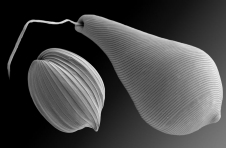
Tony Russell is an Associate Professor in the Department of Biological Sciences at the University of Lethbridge. He earned his PhD in Biochemistry and Molecular Biology from the University of British Columbia and completed postdoctoral research at Dalhousie University, focusing on small RNA structure and evolution in unicellular eukaryotes. Education: PhD, University of British Columbia (Biochemistry and Molecular Biology) Postdoctoral Fellow, Dalhousie University The Russell lab investigates RNA biology and evolution through studies of small RNAs and protein-RNA complexes in protists. Key research areas include spliceosome evolution, intron dynamics, and genomic strategies to identify non-coding RNAs. Organisms under study include Euglena gracilis , Giardia lamblia , and Phytophthora species, with implications for understanding human diseases and pathogen biology. His publications in journals like Nature and RNA highlight discoveries such as ancient spliceosomal introns and novel snoRNA structures. The lab employs biochemical, structural, and bioinformatic approaches to unravel RNA functions and their evolutionary trajectories. Current research involves sequencing protist genomes to annotate small RNA genes and developing methods for identifying RNA modifications. The lab's work contributes to foundational knowledge in eukaryotic biology and potential applications in combating parasitic pathogens.
Prof. Mirco Fanelli is a Full Professor (Professore Ordinario) at the University of Urbino Carlo Bo, Department of Biomolecular Sciences (DISB), based in Fano campus. His research and teaching focus on epigenetics, cancer biology, and molecular pathology. Teaches courses: Epigenetics and Human Diseases, General Pathology and Immunology, Molecular Pathology and Laboratory, and Translational Cancer Research Coordinates epigenetic research components in international cancer studies Active in molecular diagnostics and biomolecular sciences Research interests center on epigenetic mechanisms in cancer , including histone modifications (oncohistones), chromatin dynamics, and therapeutic applications of epigenetic findings. His work spans both basic science and translational perspectives. Key publications examine cancer-related histone mutations, X-linked neurogenetic disorders (ABCD1 gene), metal-based antineoplastic agents, and POLR3A-associated leukodystrophy. These studies reflect interdisciplinary approaches combining molecular biology, genetics, and chemistry. He leads a research group hosted at the Pathology Lab , focusing on molecular diagnostics and translational research in cancer and rare diseases.
Professor Noriyuki Kasahara, MD, PhD is a leading faculty member at the University of California, San Francisco (UCSF) within the School of Medicine and Department of Neurological Surgery . He holds a primary appointment as a Professor and is internationally recognized for his pioneering work in gene therapy , oncolytic virotherapy , and immunotherapy , particularly in the context of brain tumors , gliomas , and translational cancer research . Education and Training Dr. Kasahara completed his medical and doctoral training at Tokyo Medical & Dental University , earning his MB in 1986 , MD in 1993 , and PhD in 1994 with a focus on endocrinology . He subsequently pursued residency training in laboratory medicine and postdoctoral fellowship in gene therapy at UCSF and the Howard Hughes Medical Institute . Research Focus His laboratory is dedicated to the development of gene therapy, oncolytic virotherapy, and immunotherapy for translational applications in cancer treatment , with a strong emphasis on glioblastoma , ovarian cancer , pancreatic cancer , and regenerative medicine . A major area of innovation involves the use of retroviral replicating vectors (RRVs) to deliver suicide gene therapy and immune-modulating agents directly to tumors, thereby enhancing antitumor immunity while minimizing systemic toxicity. Key Achievements Dr. Kasahara’s work has led to the development of Toca 511 (vocimagene amiretrorepvec) , a clinically advanced retroviral vector currently in Phase 1 trials for recurrent high-grade glioma . His research has demonstrated durable complete responses in some patients, highlighting the therapeutic potential of prodrug activator gene therapy . Additionally, his group has explored mesenchymal stem cells as cellular carriers for targeted vector delivery, further expanding the applications of gene therapy in oncology. Scientific Awards and Honors Tokyo Medical & Dental University Young Investigators Research Award (1994) UCSF Chancellor Julius R. Krevans’ Distinguished Dissertation Award (1995) Stop Cancer Foundation Career Development Award (1996) Cooley's Anemia Foundation New Investigator Award (1998) UCSF QB3 Clinical Impact Award, Global Life Science Innovation Competition (2006) Grant Support and Funding Dr. Kasahara has served as Principal Investigator on numerous NIH , CIRM , and foundation grants, including: NIH R33NS104454 – GALV-Based Retroviral Replicating Vectors for Glioma Gene Therapy NIH R01CA213119 – Retroviral Replicating Vector-mediated Gene Therapy for Ovarian Cancer CIRM TR2-01791 – Stem cell-based carriers for RCR vector delivery to glioblastoma NIH U01NS059821 – Translational Development of Replication-Competent Retrovirus Vectors Laboratory and Collaborations His research team operates within the UCSF Brain Tumor Center , fostering interdisciplinary collaborations with neuro-oncologists, immunologists, and bioengineers. The lab is focused on next-generation viral vectors , immune reprogramming strategies , and clinical translation of gene therapies for pediatric and adult brain tumors .
Professor Tao Pan is a leading researcher in RNA biology at the University of Chicago's Department of Biochemistry and Molecular Biology. His laboratory pioneers methodologies for studying tRNA dynamics, epitranscriptomics, and microbiome-host interactions through innovative sequencing technologies. His research spans three interconnected domains: tRNA biology : Developing high-throughput sequencing to measure tRNA abundance, charging, and modifications, revealing roles in translational control and extratranslational functions Microbiome characterization : Creating tRNA-seq as an RNA-based alternative to 16S/shotgun metagenomics to capture dynamic microbiome activity Epitranscriptomics : Investigating mRNA modifications like m6A in gene regulation, discovering the 'm6A switch' mechanism affecting RNA structure and protein binding His publication trends demonstrate consistent innovation in RNA modification mapping techniques, with recent work focusing on nanopore sequencing applications, microbiome-induced epitranscriptomic reprogramming, and therapeutic mRNA engineering. Key recurring themes include tRNA modification dynamics, host-microbiome crosstalk, and RNA modification detection methodologies. Scientific recognition includes: NIH Director's Pioneer Award (2011-2016) NIH EUREKA Award (2009-2013) AAAS Fellow (2015) Multiple early-career cancer research awards His laboratory maintains substantial NIH funding through multiple R01 grants (current awards totaling >$5M annually), focusing on tRNA sequencing applications in cancer (R33CA272357), microbiome-host interactions (R21AI169280), and snoRNA functions (R01HG012780). The Pan Lab has established tRNA-seq as a novel microbiome characterization platform and pioneered discoveries in m6A-mediated RNA structural switching. Research infrastructure includes development of specialized sequencing technologies for simultaneous tRNA modification and fragmentation analysis, with recent expansion into nanopore-based direct RNA modification detection. Current work explores therapeutic applications of tRNA modification knowledge in cancer and infectious disease contexts.
Craig B. Wilen, MD, PhD, serves as an Associate Professor in both Laboratory Medicine and Immunobiology at Yale School of Medicine. He holds dual appointments as Associate Professor of Laboratory Medicine (primary tenure) and Associate Professor on Term in Immunobiology. Dr. Wilen also serves as Medical Director of the Immune Monitoring Core Facility and is affiliated with multiple Yale research centers including the Center for Infection and Immunity, Center for RNA Science and Medicine, Human and Translational Immunology Program, and Yale Cancer Center. Dr. Wilen's educational background includes an AB in Biology and Economics from Washington University in St. Louis (2006), followed by combined MD/PhD training at the University of Pennsylvania Perelman School of Medicine (PhD 2011, MD 2013). He completed residency training in Clinical Pathology at Barnes-Jewish Hospital in St. Louis (2016) and conducted postdoctoral studies in the laboratory of Herbert 'Skip' Virgin at Washington University School of Medicine. His research focuses on host-pathogen interactions of RNA viruses, particularly coronavirus and norovirus. Dr. Wilen discovered CD300lf as the first receptor for norovirus and identified intestinal tuft cells as the physiologic target cell for mouse norovirus infection. Current work in the Wilen Lab investigates mechanisms of immunity and pathogenesis for noroviruses, coronaviruses, and pre-emergent viruses with pandemic potential. His research employs cutting-edge approaches including genome-wide CRISPR screens, animal models, and human tissue studies to understand viral entry, immune evasion, and pathogenesis. Analysis of Dr. Wilen's recent publications (2023-2025) reveals consistent focus on viral pathogenesis mechanisms across multiple RNA virus families. His work bridges basic virology with translational applications, examining viral receptors, host immune responses, and potential therapeutic interventions. The publications demonstrate strong collaborative networks across Yale and with external institutions, particularly in the areas of norovirus persistence mechanisms and coronavirus host interactions. Young Faculty Award 2024 from DARPA Odyssey Award 2023 & 2022 from Smith Family Foundation Young Physician-Scientist Award 2021 from American Society for Clinical Investigation Robert E. Leet and Clara Guthrie Patterson Trust Mentored Research Award 2020 Dr. Wilen leads an active research program through the Wilen Lab at Yale School of Medicine, where his team investigates viral pathogenesis and immunity. As Medical Director of the Immune Monitoring Core Facility, he oversees critical infrastructure for immunological research at Yale. His laboratory maintains strong connections with clinical departments while pursuing fundamental questions about how viruses interact with host cells and immune systems. The lab's work has significant implications for developing improved diagnostics, therapeutics, and vaccines for viral diseases.
Gary Hon is an Assistant Professor at the University of Texas Southwestern Medical Center (UTSW), jointly affiliated with the Cecil H. and Ida Green Center for Reproductive Biology Sciences and the Lyda Hill Department of Bioinformatics. His research lies at the intersection of genomics, epigenetics, and systems biology, with a focus on decoding the regulatory complexity of the human genome. His research interests include: Understanding the molecular basis of cell state for applications in regenerative medicine Elucidating how non-coding genetic variants contribute to development and disease Developing integrative techniques combining gene regulation, epigenetics, genome engineering, and single-cell genomics Advancing bioinformatics tools for analyzing chromatin and transcriptional regulation The trends across his recent publications reveal a strong emphasis on enhancer biology, epigenetic modifications (especially 5mC and 5hmC), single-cell functional genomics, and the development of novel molecular tools such as in situ chromatin capture and combinatorial perturbation assays. His work frequently leverages CRISPR-based technologies and high-throughput sequencing to dissect gene regulatory networks. Dr. Hon has received significant recognition for his innovative research, including: CPRIT Scholar NIH Director’s New Innovator Award Dr. Hon leads the Hon Lab, which actively develops and applies systems-level approaches to study genome regulation. His collaborative research involves advising graduate students and postdoctoral fellows, many of whom appear as co-authors on his publications. While specific grant details are not listed, his prestigious awards suggest substantial federal and state funding support for his high-impact, interdisciplinary research program.
Prof. Dr. A. Jeyaprakash Arulanandam (JP) serves as Professor at the Gene Center and Department of Biochemistry, Ludwig Maximilian University of Munich, where his ERC Advanced Grant-funded laboratory commenced operations on March 1, 2023. Concurrently, he holds a Personal Chair of Structural Cell Biology and serves as Co-Head of the Institute of Cell Biology at the University of Edinburgh's Wellcome Centre for Cell Biology since 2022. His research employs an integrative structure-function approach combining cryoEM, crystallography, and cross-linking mass spectrometry with proteomics and cell biology to investigate centromere assembly, RNA modification activities, and spindle assembly mechanisms. Key focus areas include structural basis of centromere maintenance, Mis18 complex function in centromere inheritance, and error-free chromosome segregation pathways. Recent publications (2020-2024) demonstrate consistent structural biology methodologies applied to chromosome segregation mechanisms, with increasing emphasis on RNA-modification activities and centromere epigenetic regulation. The work bridges high-resolution structural insights with cellular functional validation. Major scientific awards include: ERC Advanced Grant (2023-2028) Wellcome Senior Research Fellowship (2017-2022) Wellcome Career Development Fellowship (2012-2016) Max-Planck Institute Junior Research Award (2008) Alexander von Humboldt Fellowship (2004-2005) He supervises doctoral researcher Ana Alves do Vale Marques and postdoctoral researchers Paula Sotelo Parrilla and Guangpu Xue, supported by major grants including the ERC Advanced Grant and historical Wellcome Trust funding. His labs at LMU's Gene Center (Room A4.68) and Edinburgh's Wellcome Centre for Cell Biology form a collaborative structural cell biology research environment focused on chromosome dynamics.
Eduardo Rios is a Professor in the Department of Physiology & Biophysics at Rush Medical College, Rush University. He serves as Director of the Section of Cellular Signaling within the department and has maintained an active research program focused on muscle physiology for several decades. His research primarily investigates calcium signaling in skeletal and cardiac muscle , with particular emphasis on excitation-contraction coupling mechanisms. Dr. Rios has pioneered work on calcium sparks, the fundamental units of calcium release in muscle cells, and has made significant contributions to understanding how calcium release is controlled in both normal and pathological conditions. Analysis of his recent publications reveals a strong focus on calcium dynamics in muscle diseases, particularly malignant hyperthermia, and the connection between calcium signaling and metabolic disorders like diabetes. His work spans from fundamental biophysical mechanisms to clinical applications, demonstrating a translational approach to muscle physiology research. M.E.R.I.T., NIAMS/Nat'l Institutes of Health USA (1996-2006) Mentor of the year, Rush University (2013) Dr. Rios has maintained a productive laboratory investigating the molecular mechanisms of calcium release in muscle, with his work cited extensively across muscle physiology, cardiology, and related fields. His research has implications for understanding both normal muscle function and various muscle pathologies.
George Q. Daley, MD, PhD, serves as Dean of Harvard Medical School and holds the Caroline Shields Walker Professorship of Medicine. He is a Professor of Biological Chemistry and Molecular Pharmacology at Harvard Medical School, with extensive affiliations including the Harvard Stem Cell Institute, Broad Institute of MIT and Harvard, and the Manton Center for Orphan Disease Research at Boston Children's Hospital. Daley's research focuses on using mouse and human disease models to identify mechanisms underlying blood disorders and cancer. His laboratory aims to define fundamental principles of stem cell contributions to tissue regeneration and repair, with applications for improving drug and transplantation therapies for patients with malignant and genetic bone marrow diseases. His work spans stem cell biology, cancer research, hematopoiesis, and regenerative medicine. Analysis of his recent publications reveals a consistent focus on stem cell applications in disease modeling, with particular emphasis on hematopoietic development, immunotherapy applications, and the translation of basic research into clinical applications. His work increasingly incorporates advanced technologies including single-cell analysis and genetic engineering approaches. NIH Director's Pioneer Award (2004) Judson Daland Prize from American Philosophical Society E. Mead Johnson Award from American Pediatric Society E. Donnall Thomas Prize from American Society of Hematology Janet Rowley Prize from International Chronic Myeloid Leukemia Foundation HMS A. Clifford Barger Excellence in Mentoring Award (2012) Daley has trained dozens of graduate students and postdoctoral fellows throughout his career. He has served in leadership roles for the International Society for Stem Cell Research, including as president (2007-08), and has been instrumental in developing international guidelines for stem cell research. His laboratory has made significant contributions to the field, including creating customized stem cells for treating genetic immune deficiencies and demonstrating the role of the LIN28/let-7 pathway in cancer. Daley leads research initiatives focused on stem cell applications for blood disorders and cancer treatment, with particular emphasis on translating basic discoveries into clinical applications through collaborations with the Dana-Farber Cancer Institute and Boston Children's Hospital.
Professor Alfredo Castello is a Professor in Systems Virology at the MRC-University of Glasgow Centre for Virus Research within the Institute of Infection, Immunity and Inflammation at the University of Glasgow's College of Medical, Veterinary and Life Sciences. With an active research program and numerous recent publications, he leads the Castello Lab which focuses on understanding RNA-binding proteins in virus infection. Castello's research interests center around the critical role of cellular RNA-binding proteins (RBPs) in viral infections. His work reveals how viruses exploit host RBPs for replication while cells utilize RBPs as part of their antiviral defense. His lab employs innovative approaches to discover cellular proteins that interact with viral RNA during infection, combining cell and molecular biology, RNA biology, virology, and 'omic' technologies to understand host-virus interactions at a systems level. Analysis of Castello's recent publications shows a strong focus on RNA-protein interactions in viral infections across multiple viral systems including alphaviruses, HIV-1, SARS-CoV-2, and other RNA viruses. His work spans from fundamental RNA biology to translational applications, with particular emphasis on identifying host factors that could serve as targets for broad-spectrum antivirals. ERC consolidator Grant: Towards the discovery of cellular RNA-binding proteins with master regulatory roles in virus infection (2021-2026) MRC Career Development Award: Proteome-Wide Identification of RNA-Binding Proteins Playing Critical Roles in Virus Infection (2021-2022) Marie Curie postdoctoral fellowship: Structural basis of TRIM25 and RIPLET mediated antiviral response (2023) Castello actively supervises multiple PhD students and postdoctoral researchers in the Castello Lab, including Rozeena Arif, Namah Raut, Innes Jarmson, and others. His research group receives substantial funding through multiple grants including RBP-ReguNet (2023-2027) and Understanding the Roles of Cellular RNA-Binding Proteins in HIV-1 Infection (2023). The lab maintains active collaborations both within the University of Glasgow and with external institutions worldwide. The Castello Lab operates as a multidisciplinary research unit combining expertise in molecular virology, cellular biology, RNA biology, and computational approaches. The group has developed innovative methods for identifying RNA-binding proteins in cells, representing significant breakthroughs in understanding protein-RNA interactions during viral infection.
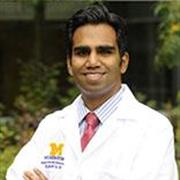
Rajesh Rao is an Associate Professor in the Department of Ophthalmology and Visual Sciences at the University of Michigan. His work spans ocular oncology, retinal diseases, and stem cell biology, with a focus on translational applications. Key Research Areas: Vitreoretinal lymphoma diagnostics using liquid biopsy Stem cell therapies for age-related macular degeneration (AMD) Role of MYD88 L265P mutation in ocular CLL diagnosis Quiescence mechanisms in embryonic stem cells Collaborations: Work with Qiang Li, Hakan Demirci, Noah Brown, Bryan Betz, and others Multidisciplinary teams in ophthalmology, oncology, and stem cell research Recent publications in Nature Communications , Ophthalmology Retina , and Stem Cell Reports highlight his contributions to ocular lymphoma detection and stem cell fate regulation. No scientific awards or student advisement details were explicitly mentioned in available data.
Setsuko Kodama is a Senior Lecturer in Developmental Neurobiology , focusing on cortical development, glial progenitors, and transcriptional regulation. Her research spans neuroscience and molecular biology, with collaborations bridging particle physics. Key Research Themes : Cortical progenitor differentiation, tubulin modifications in neurodevelopment, genetic regulation of cortical area scaling. Projects : Linking mechanisms generating protein and cortical cell diversity (Leverhulme Trust, 2023–2026) Role of distinct cortical progenitor subtypes (BBSRC, 2023–2026) Zika virus-induced microcephaly (2016–2017) Molecular control of cortical progenitors (BBSRC, 2014–2018) Publications : 9 research outputs including studies on Tuba8's role in glial differentiation, Foxg1-Cre mouse models, and neutrino oscillations via the T2K Collaboration. Collaborations : Active in interdisciplinary research with contributions to particle physics (T2K) and neuroscience.
Urban Gullberg is a Professor at Lund University , affiliated with the Faculty of Medicine and the Division of Hematology and Clinical Immunology . He leads the research team on Transcriptional mechanisms for the Wilms’ tumor gene 1 (WT1) oncoprotein at the Lund University Cancer Centre (LUCC), focusing on the role of WT1 in leukemia pathogenesis. Research areas: Genome-wide binding of WT1 isoforms/mutants, transcriptional repression of tumor suppressors (e.g., IRF8), and mechanisms of leukemic cell proliferation. Methods: ChIP-Seq, promoter reporter assays, molecular profiling, and computational deconvolution of gene expression. Key findings: WT1 mutations disrupt transcriptional regulation, contributing to leukemia; identification of co-factors like ZNF224 and therapeutic targets. His work aligns with UN Sustainable Development Goals for cancer research. He supervises PhD students and participates in educational activities related to medical cell biology and targeted therapies.
Pradip K Srimani is a Professor at the School of Computing , Clemson University , with research focus on Parallel and Distributed Computing , Self-Stabilizing Systems , and Graph Theory Applications . He is an IEEE Life Fellow and ACM Distinguished Scientist with over 250 publications. Research Interests Self-stabilizing algorithms for network graphs Ontology-based biomedical information retrieval High-performance computing resource management Biologically inspired distributed algorithms Network topology computation Recent publications demonstrate expertise in token circulation protocols, genome assembly frameworks, and semantic similarity measurement. He has served on program committees for APDCM , GPC-2018 , and IEEE BigMM conferences, while maintaining editorial roles at International Journal of High Performance Computing and Journal of Big Data . Scientific Awards IEEE Life Fellow ACM Distinguished Scientist
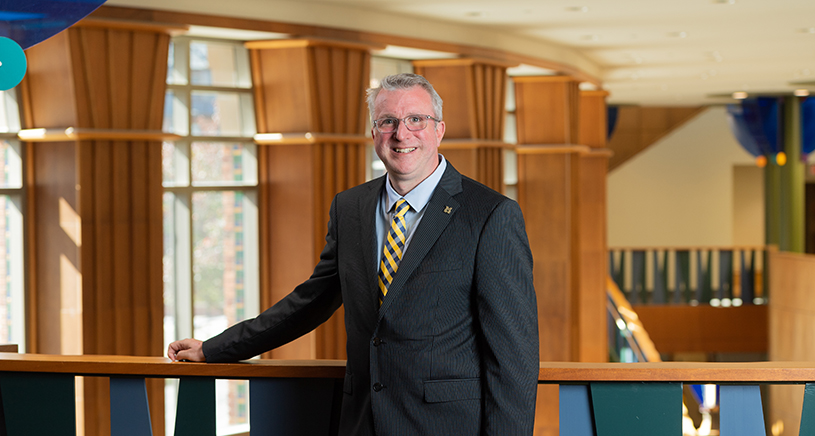
Alexander H. Rickard is an Associate Professor in the Department of Epidemiology at the University of Michigan School of Public Health. His research explores biofilms, interspecies bacterial interactions, and their implications for human health across freshwater, oral, and medically relevant environments. Education: PhD, University of Manchester (2001) MSc, University of Birmingham (1997) BSc, University of Birmingham (1996) Rickard employs interdisciplinary approaches and in vitro technologies to study biofilm development. His work emphasizes bacterial coaggregation, interspecies communication, and biofilm control strategies. Research spans physiological, ecological, and molecular techniques to understand biofilm community regulation and its ecological consequences. Key trends in his publications include biofilm architecture analysis, interspecies signaling (particularly Autoinducer-2), microbial community dynamics, and novel antimicrobial interventions. Recent articles focus on nanoparticle penetration, disinfectant efficacy, and oral microbiome interactions. Contact: alexhr@umich.edu | Office: 734-615-8491 | Address: 5646 SPH II, 1415 Washington Heights, Ann Arbor, MI 48109