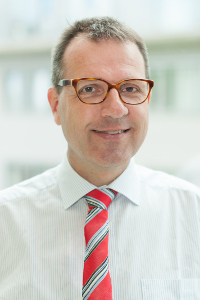
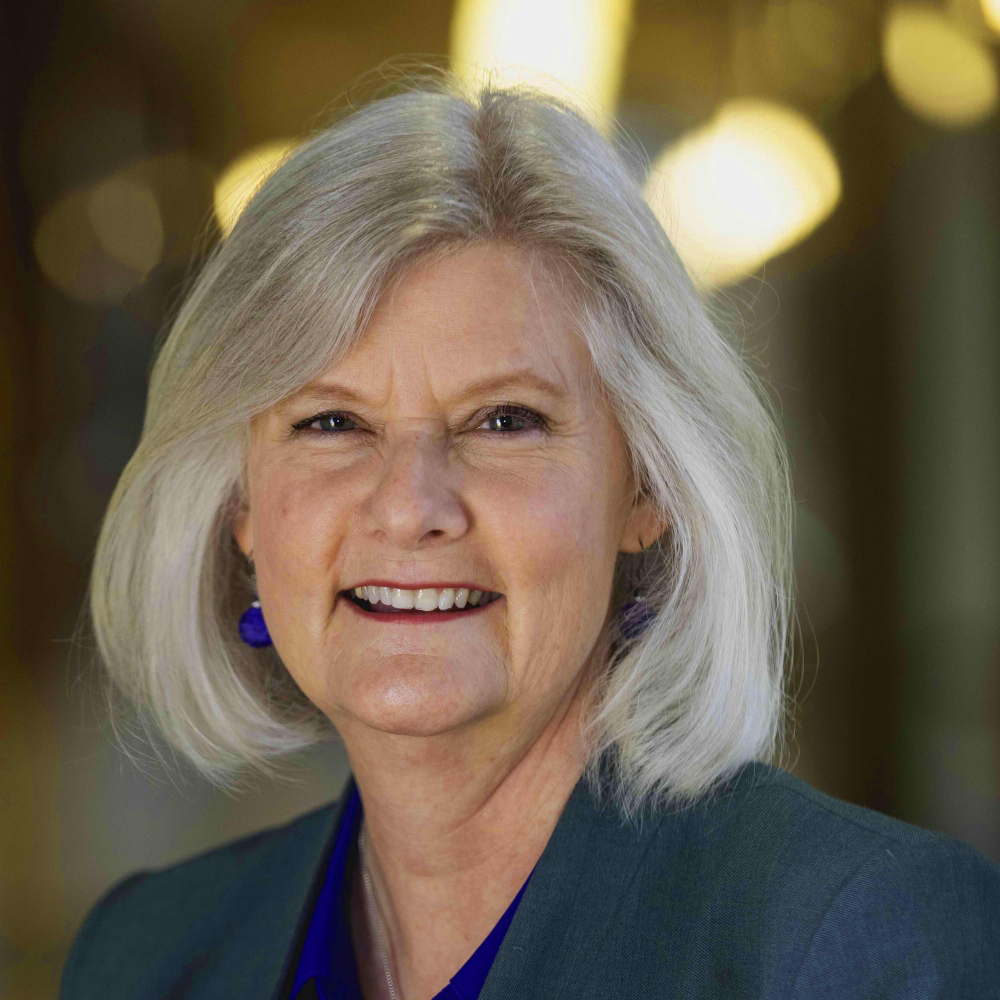
Richard White is a Professor of Genetics at the University of Oxford , affiliated with Exeter College . His research focuses on leveraging zebrafish models to dissect fundamental mechanisms of cancer biology , particularly melanoma, by integrating genetic tools and advanced imaging techniques . Clinical background in oncology Developed the transparent casper zebrafish strain for tumor imaging Investigates developmental programs co-opted by cancer cells Explores interactions between cancer cells and microenvironment White's work examines how neural crest developmental programs influence melanoma progression, including oncogene response, anatomical positioning effects, and metastasis mechanisms driven by adipocytes and lipid signaling. His recent publications highlight phenotypic plasticity in melanoma and computational tools like BayesTME for spatial transcriptomics analysis. Key research themes: Role of tumor microenvironment in cancer progression Developmental biology parallels in melanoma Imaging and genetic manipulation of cancer ecosystems Therapeutic targeting of microenvironment interactions
Sanjay Srivastava, PhD, serves as University Distinguished Professor and Chairperson of the Department of Immunotherapeutics and Biotechnology at Texas Tech University Health Sciences Center (TTUHSC) School of Pharmacy. Holding the James A 'Buddy' Davidson Endowed Professorship in Pharmacology and Oncology, he previously served as Associate Dean for Research (6 years) and Graduate Programs (4 years), establishing TTUHSC's Ph.D. program in Abilene. With over 160 publications and an H-Index of 59, his work bridges academic leadership and cutting-edge cancer research. His educational foundation includes: PhD in Industrial Toxicology Research Center and Kanpur University (1991) MS from Lucknow University (1987) BS from Lucknow University (1985) Certificate (mini MBA) from University of Pittsburgh (2004) Dr. Srivastava's research pioneers drug repurposing strategies targeting STAT-3, NF-kB, and HER2 pathways in pancreatic, ovarian, breast, melanoma, and brain cancers. His laboratory investigates molecular mechanisms of resistance while exploring non-cancer drugs like penfluridol and atovaquone as novel therapeutics. This approach combines molecular toxicology with translational oncology to overcome treatment barriers in aggressive malignancies. Analysis of his 2019-2024 publications reveals dominant trends in immune checkpoint modulation , tumor microenvironment reprogramming , and repurposed antipsychotics/antimalarials for cancer therapy . His work consistently targets drug resistance mechanisms across multiple cancer types, with growing emphasis on immunometabolism and microbiome interactions. Major recognitions include: Election as AAAS Fellow (2023) Stanford's World's Top 2% Scientists (2020, 2021) National Academy of Inventors induction (2018) Chancellor's Distinguished Research Award (2024) As a dedicated mentor, he chairs doctoral advisory committees while securing National Cancer Institute/NIH grants exceeding $5M. His editorial roles span AACR, SOT, and AAPS societies, and he serves on NIH/DoD grant review panels. Current teaching includes Cancer Biology and Therapeutics (GPSC5326). Dr. Srivastava leads a multidisciplinary research team investigating drug resistance mechanisms, with recent work featured in major news outlets for breakthroughs in repurposing milbemycin oxime and proguanil for pancreatic and breast cancers.
Kasper Harpsøe is a Research Consultant and Data and Computing Facility Manager at the Department of Drug Design and Pharmacology, Faculty of Health and Medical Sciences, University of Copenhagen. He has extensive expertise in computational medicinal chemistry with over 15 years of experience in molecular modeling techniques, particularly focused on G Protein-Coupled Receptors (GPCRs). Harpsøe earned his Ph.D. in Computational Chemistry from The Danish University of Pharmaceutical Sciences in 2006 with research on "Computational Studies on the Allosteric Modulation of AMPA Receptors." He holds a Master of Science in Pharmacy (Cand. Pharm.) from The Royal Danish School of Pharmacy completed in 2001. His international experience includes a three-month traineeship at Schrödinger Inc. in New York and research collaboration with the Carlson group at the University of Michigan. His research expertise spans structure-based design of peptide and small molecule ligands, binding site identification, docking and binding pose evaluation, protein-ligand interactions, conformational analysis, QSAR, sequence analysis, homology modeling, molecular dynamics, and quantum chemistry calculations. Harpsøe has made significant contributions to understanding GPCR structure-function relationships, ligand recognition mechanisms, and G protein coupling specificity. Analysis of his publication record reveals a consistent focus on GPCR molecular pharmacology, with particular emphasis on serotonin receptors, orphan receptors like GPR139, and GABA receptors. His work integrates computational approaches with experimental validation to identify molecular determinants of receptor selectivity and to design novel ligands for therapeutic applications. The research bridges structural biology, molecular modeling, and medicinal chemistry in the context of drug discovery. Harpsøe currently manages the department's Data and Computing Facility, overseeing a GPU Linux cluster and providing computational support for research groups. Previously, from 2014 to 2021, he served as project manager for computational drug design activities within the Gloriam Group, working on multidisciplinary drug discovery projects in collaboration with medicinal chemists, molecular pharmacologists, structural biologists, and data scientists from both academia and industry.
Jason Sello is a Professor in the Department of Pharmaceutical Chemistry at the University of California San Francisco (UCSF), holding roles as Vice Dean of Academic Affairs and Executive Committee Member. His research focuses on bacterial proteins, antibiotic resistance mechanisms, and natural product synthesis, particularly targeting pathogens like Mycobacterium tuberculosis and Candida species. He leads efforts in developing proteasome inhibitors and novel antibacterial agents through multidisciplinary approaches. Key affiliations include the Quantitative Biosciences Institute (QBI) and the Chan Zuckerberg Biohub. His work spans chemical synthesis, microbial genetics, and drug discovery, with contributions to understanding efflux pump mechanisms and retrograde trafficking inhibitors. Notable achievements include the synthesis of cyclomarin natural products and the development of small molecules restoring antifungal efficacy against drug-resistant Candida strains. His research integrates organic chemistry, microbiology, and pharmacology, addressing challenges in antibiotic resistance and drug delivery. Recent publications highlight in vivo approaches for neuroactive molecules and the mechanistic study of ClpP proteases in tuberculosis. Sello also contributes to institutional leadership, including equity initiatives in pharmacy education and diversity outreach programs.
Robin Dando is a Professor in the Department of Food Science at Cornell University's College of Agriculture and Life Sciences. With a background spanning Physics, Physiology, and Neuroscience, Dr. Dando leads research focused on understanding the complex interactions between our bodies and food, and how these interactions shape our preferences and emotional responses to food. Education: Post Doc, University of Miami - 2012 Doctorate, University of South Florida - 2007 Master of Science, University of Sheffield - 2002 Bachelor of Science, Sheffield Hallam University - 2001 Dr. Dando's research explores the intricate signaling events within the mammalian taste system, from initial receptor activation at taste buds to the rich emotional responses elicited by our favorite foods. His work utilizes a multidisciplinary approach combining biological techniques and psychophysics to understand how taste processes are influenced by physiology, illness, and mood. His lab investigates neurotransmitters including ATP, serotonin, GABA, and acetylcholine that play key roles in taste cell communication. As an educator, Dr. Dando teaches FDSC4100 (Sensory Evaluation of Foods), supervises the sensory journal club (FDSC6950) and graduate student research hour (FDSC6060), and intermittently teaches courses focused on the biology of food perception. His teaching extends to multiple graduate courses including FDSC 6060, 6950, 6970, 6980, 5000, 5100, and undergraduate research (FDSC 4990). Dr. Dando leads an active research laboratory that combines cellular, molecular, and behavioral testing of taste buds from animal models with human sensory testing. His team employs advanced statistical techniques and psychophysics to measure taste function and preference across various conditions. Recent lab activities include events documented through 2024, indicating an active and current research program investigating how our sense of taste serves as a gateway to feeding and determines food choices.
Sonja M. Wojcik is a Research Professor and Group Leader at the Max Planck Institute for Multidisciplinary Sciences, Department of Molecular Neurobiology. She holds a Diploma in Biology from RWTH Aachen (1994), a PhD in Molecular and Cellular Biology from Baylor College of Medicine (2000), and a Habilitation from the Medical Faculty of the University of Göttingen (2014). Her research focuses on molecular mechanisms of neurotransmitter release, including vesicular transporters in glutamatergic, GABAergic, and glycinergic synapses, as well as regulatory processes in large dense-core vesicle exocytosis in neuroendocrine cells. Her work bridges molecular neuroscience with cellular and network-level functional analysis. Recent publications highlight her contributions to understanding synaptic physiology, neuroendocrine signaling, and genetic influences on neurotransmitter systems. She leads research groups at the Max Planck Institute, emphasizing interdisciplinary approaches to neurobiology. Her research interests include the functional consequences of neurotransmitter release alterations, with past work on synaptic phenotypes and current projects on non-classical neurotransmitters. She collaborates across institutions, including the University of Göttingen, and contributes to training programs like the IMPRS Neuroscience and CMPB initiatives. Wojcik’s publications span neurochemistry, cell biology, and genetic analysis, reflecting her expertise in molecular mechanisms underlying synaptic function. Her lab integrates experimental medicine and neurobiology to address fundamental questions in neurotransmission and neurodevelopment.
Prof Niall Hyland is a Professor in the Department of Physiology at University College Cork (UCC) and a Funded Investigator at APC Microbiome Ireland. He holds a BSc (Hons) in Biomedical Sciences from the University of Ulster and a PhD in Pharmacology from King’s College London. After postdoctoral fellowships at Louisiana State University and the University of Calgary, he joined UCC in 2008 as a Lecturer and was promoted to Professor in 2025. Research Interests: His work focuses on the gut microbiota's role in gastrointestinal physiology, the gut-brain axis, probiotics, colon cancer, and drug-microbiome interactions. Techniques include Ussing chamber analysis, in vivo disease models, and collaborations on implantable bioelectronics for enteric neural monitoring. Grants & Collaborations: He has secured over €3.3M in funding from agencies like Science Foundation Ireland and Horizon 2020. Collaborators include the University of Cambridge, Alimentary Health Ltd., and industry partners like GlaxoSmithKline. Awards & Roles: Honorary Fellowship (British Pharmacological Society, 2022). Leadership roles include Chair of the Probiota Global Event Scientific Committee and Co-Chair of the BPS Systems and Integrative Pharmacology Group. Labs & Teams: Leads a lab at APC Microbiome Ireland, focusing on microbiome interventions and host physiology. Collaborates with multidisciplinary teams on projects like the RELATE EU initiative and drug-gut microbiota interaction studies.
Lijing Xin is an Assistant Professor at the Department of Physics and a research staff scientist at the Center for Biomedical Imaging (CIBM) at Ecole polytechnique fédérale de Lausanne (EPFL), Switzerland. She teaches courses on Biomedical Imaging and Translational MR Neuroimaging, while also contributing to academic administration. PhD in Physics (2010, EPFL) Master's Project (2002-2005) on MRI instrumentation Her research focuses on high-field magnetic resonance spectroscopy (MRS) and MRI for studying brain function and neurological diseases. She develops novel acquisition and quantification methods for 1 H, 13 C, and 31 P nuclei, particularly on 7T clinical platforms . Her work bridges preclinical and clinical research , with collaborations in psychiatry to explore pathophysiology and biomarkers for disorders like schizophrenia and mood disorders. Recent publications include studies on epilepsy , Alzheimer's disease , brain energy metabolism , and neurochemical profiling using advanced MRS and deep learning for psychosis classification. She has contributed to RF coil design , macromolecule suppression , and metabolic pathway analysis across multiple disciplines. She advises PhD students and collaborates on interdisciplinary projects involving neuroimaging hardware , metabolic disease research , and psychiatric biomarker identification . Her lab at EPFL CIBM-AIT develops cutting-edge techniques for high-resolution brain metabolism analysis and clinical translation .
Clyde Hodge is a Professor in the Department of Psychiatry and Pharmacology at the University of North Carolina School of Medicine . As a member of the Bowles Center for Alcohol Studies , his research focuses on uncovering the neural circuits and molecular mechanisms underlying alcohol and drug addiction, with a particular emphasis on the role of the limbic system, amygdala, and glutamatergic signaling. University: University of North Carolina at Chapel Hill School: UNC School of Medicine Department: Psychiatry Affiliation: Bowles Center for Alcohol Studies Research Interests span multiple critical areas in addiction neuroscience: Neural mechanisms of alcohol reinforcement Glutamate AMPA receptor (AMPAR) and TARP γ-8 interactions Impact of alcohol on Alzheimer's disease pathology Protein kinase C-ε (PKC-ε) regulation of GABA-A receptors Adolescent alcohol exposure and long-term vulnerability Brain region-specific pharmacotherapies for addiction Publication Trends reveal a focus on preclinical models linking alcohol use to: Calcium signaling in reward pathways Tau propagation in neurodegeneration AMPA receptor modulation Neuroplasticity in the amygdala Translational pharmacology targets Sex-specific neural adaptations Lab Mission addresses two primary goals: Identify novel neural targets for alcohol addiction Investigate alcohol's role in neurodegenerative disorders His team employs a "discovery-to-mechanistic" approach combining: Proteomics and transcriptomics Pharmacological and genetic manipulations Behavioral assays in mouse models CRISPR/Cas9 and fiber photometry
Katherine L. Perkins, PhD is an Associate Professor in the Department of Physiology and Pharmacology at SUNY Downstate Medical Center, focusing on neurophysiology and epilepsy research . Her work investigates GABAergic signaling , interneuron networks , and extracellular space dynamics in seizure mechanisms. Research Themes: Depolarizing GABA responses in hippocampal neurons Interneuron network activation patterns Role of extracellular matrix in epilepsy Pharmacological modulation of seizure activity Key Techniques: Cell-attached and whole-cell patch-clamp recording, rodent brain slice models, synaptic current analysis. Her publications span Journal of Neurophysiology , Epilepsy Research , and Journal of Neuroscience , with a focus on synaptic transmission and neuronal excitability in epilepsy models. Collaborations: Sabina Hrabetova's lab (extracellular space studies)
Nicolas Doyon is a Professor at the Department of Mathematics and Statistics , Université Laval, Canada. His research bridges mathematical modeling and neuroscience , focusing on ion transport, neural networks, and neurodegenerative diseases. He collaborates with experimentalists and companies like Doric Lenses . Education: B.Sc., Université Laval M.Sc., University of Montreal Ph.D., Theoretical Mathematics Postdoctoral Fellowship, Quebec City Institute of Mental Health Research Interests: Dr. Doyon investigates chloride homeostasis via the KCC2 cotransporter , its role in synaptic inhibition, and implications for diseases like epilepsy and autism. He develops finite element models for Poisson-Nernst-Planck equations to study electrodiffusion in complex neural geometries. Scientific Awards: Star Teacher (2016, Faculty of Science and Engineering) NSERC Individual Grant (35K$/year, 2014-2019) FQRNT Establishment Grant (20K$/year, 2013-2015) Students: Supervises Ph.D. and Master's students including Tahmineh Azizi (dynamical systems), Frank Boahen (dendritic spines), and Vincent Ouellet (analytic number theory).
Dr. Róbert Gábriel, a University Professor and Institute Director at the Institute of Biology, specializes in Neurobiology with a focus on retinal development, neurochemistry, and metabolic retinal disorders. His work spans techniques like enzyme histochemistry, in situ hybridization, and electrophysiology. Key Research Areas: Retinal neuroprotection in diabetic/hypertensive retinopathy Mechanisms of PACAP (pituitary adenylate cyclase-activating polypeptide) in retinal health MiRNA regulation during retinal development Peptide homeostasis and oxidative stress in degenerative diseases Microanatomy of retinal circuits and circadian rhythms Recent publications highlight therapeutic applications of PARP inhibitors, PACAP variants, and multi-target drugs in retinal degeneration models. His work bridges basic science and translational approaches for neuroprotective therapies.
Prof. Dr. Dirk M. Hermann serves as a leading academic at the Clinic for Neurology within University Hospital Essen. His research focuses on vascular neurology, dementia research, and aging-related neurological disorders , with particular emphasis on ATP-binding cassette transporters, thromboinflammation, and restorative therapies for ischemic brain injury. Key research themes include neurovascular remodeling , neuronal-glial interactions , and secondary neurodegeneration following stroke. His recent publications highlight 2024 work on extracellular vesicles in brain plasticity , 2022 studies on post-stroke myeloid cell dynamics , and 2020 clinical trial design contributions in stroke recovery. His research integrates neuroimmunology with molecular cell biology to address stroke pathophysiology and recovery mechanisms. Collaborative projects span cardio-neurovascular interactions and nanoparticle neurodelivery systems , particularly evident in 2020 biomaterials research.
Dr. Kimberly Chan is an Assistant Professor and FIRST scholar at UT Southwestern Medical Center, jointly affiliated with the Advanced Imaging Research Center and the Department of Biomedical Engineering. Her work bridges biomedical engineering and clinical neuroscience through the development of advanced magnetic resonance spectroscopy (MRS) techniques. Research Interests: Dr. Chan's research centers on the development and application of novel MRS methods to study brain chemistry in neurological and psychiatric disorders. Her work focuses on spectral editing, metabolite quantification (e.g., GABA, glutathione), motion correction, and multi-site reproducibility. She aims to improve diagnosis, disease monitoring, and treatment planning through non-invasive neurochemical profiling. Publication Trends: Her recent publications demonstrate a strong focus on methodological innovation in MRS, including Hadamard encoding (HERMES, HERCULES), multi-metabolite detection, motion correction, and standardization across scanners and sites. These techniques are applied to conditions such as Huntington’s disease, Lafora disease, spinal cord injury, and cancer, showing translational impact. Scientific Awards: First Scholar Advising and Grants: As principal investigator of the CHAN Lab (Chemical Advanced Neuroimaging Lab), she mentors graduate students and postdoctoral fellows. She is actively recruiting and likely holds independent research funding, supported by her FIRST scholar status. While specific grants and advisees are not listed, her leadership role indicates active research supervision and extramural funding. Labs and Teams: Dr. Chan leads the CHAN Lab, a multidisciplinary team of biomedical engineers and imaging scientists focused on advancing MRS for clinical applications. The lab collaborates widely, as evidenced by multi-center studies like Big GABA, involving over 25 research sites globally.
Michelle Mynlieff is a Professor at the Department of Biological Sciences, Marquette University, specializing in ion channels and neuronal function. She holds a B.A. from Cornell University and a Ph.D. from the University of Colorado Health Sciences Center, with postdoctoral training at Colorado State University. Her research focuses on understanding the cellular and molecular mechanisms underlying neuronal excitability during early brain development. Key areas include calcium and potassium channel dynamics, GABA receptor signaling, and chloride transporter regulation, which are critical for balancing normal and pathological brain activity like seizures. Current studies investigate BK channels' role in excitatory and inhibitory neurons using transgenic mouse models. Her publications highlight developmental changes in ion channel function, GABA's regulatory effects, and calcium's role in neuronal maturation. She has mentored multiple Ph.D. students and postdoctoral fellows. No scientific awards are listed in the provided materials. Dr. Mynlieff teaches courses ranging from introductory biology to advanced neuroscience, including seminars on cellular physiology and scaffolding proteins. Her lab's work bridges basic neuroscience research with potential therapeutic applications for neurological disorders.