- DNA Damage Response
- Genome Integrity
- DNA Repair
- +۷ مورد دیگر
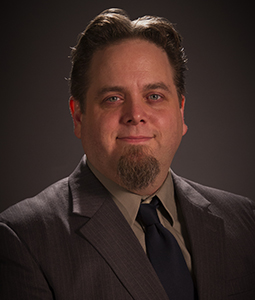
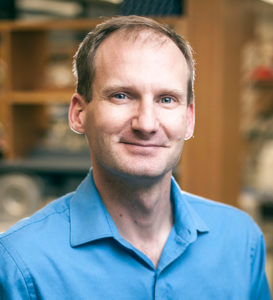
David K. Cortez is Professor of Biochemistry and Chair of the Department of Biochemistry at Vanderbilt University School of Medicine. He also holds the Richard N. Armstrong Ph.D. Chair for Innovation in Biochemistry and serves as Associate Director for Basic Science Research at the Vanderbilt-Ingram Cancer Center. His research is centered on genome maintenance, DNA damage response, and replication stress mechanisms. Institution: Vanderbilt University School: School of Medicine Department: Department of Biochemistry Leadership: Chair of Biochemistry, Associate Director (Basic Science), VICC Contact: david.cortez@vanderbilt.edu | 615-322-8547 | 613 Light Hall, Nashville, TN Dr. Cortez's research focuses on understanding how cells maintain genome integrity during DNA replication and in response to DNA damage. His work integrates genetics, biochemistry, cell biology, proteomics, and structural biology to dissect mechanisms involving ATR kinase signaling, replication fork remodeling, BRCA-related pathways, abasic site repair, and proteolysis . These processes are crucial for preventing cancer, developmental disorders, and aging. The 15 most recent publications highlight a consistent focus on DNA damage signaling, replication fork dynamics, and repair mechanisms . Key themes include the use of iPOND for proteomic mapping , fork regression and protection , ATR-mediated checkpoint control , and therapeutic targeting of DNA repair pathways in cancer. Subfields span molecular oncology, signal transduction, and structural enzymology. Scientific recognition includes: Richard N. Armstrong Ph.D. Chair for Innovation in Biochemistry Dr. Cortez leads an active research program with ongoing postdoctoral recruitment, indicating strong grant support and mentoring activity. His lab is embedded in multiple interdisciplinary centers, including the Genome Maintenance Program (Vanderbilt-Ingram Cancer Center), Vanderbilt Institute of Chemical Biology, and Center in Molecular Toxicology , reflecting broad collaborative and funding networks. He advises graduate and postdoctoral researchers in molecular cancer biology and DNA repair. Future work continues to explore therapeutic vulnerabilities in DNA repair-deficient cancers. The Cortez Lab maintains a strong presence in both basic and translational research, with ongoing projects aimed at identifying novel repair proteins, characterizing fork protection mechanisms, and developing cancer therapies targeting the DNA damage response. The lab utilizes cutting-edge techniques such as genetic screens, iPOND, structural biology, and preclinical models.