معرفی
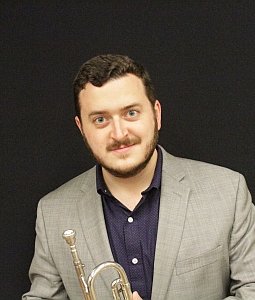
William Gilliland is a Professor of Genetics in the Department of Biological Sciences at DePaul University's College of Science and Health. He joined the DePaul faculty in Fall 2009 and has established himself as a prominent researcher in the field of Drosophila genetics and meiosis.
Dr. Gilliland's research focuses on chromosome segregation during female meiosis in Drosophila melanogaster. He investigates how homologous chromosomes coorient prior to the reductional first meiotic division, using genetic and cytological techniques to determine how often errors occur during meiosis and to identify what events cause those errors. His laboratory specifically studies the mechanisms of chromosome movement during prometaphase and the effects of mutants in the cell cycle control protein altered disjunction (ald), the fly homolog of the yeast protein mps1. His research program combines experimental matings and progeny analysis with tissue fixation, labeling, and fluorescent microscopy techniques, utilizing the department's confocal microscope for advanced imaging.
His extensive publication record from 2005-2015 demonstrates consistent focus on meiosis, chromosome segregation, and Drosophila genetics. His most recent work examines fine-scale heterogeneity in crossover rates, behavior of aberrant chromosome configurations, and the segregation of foreign-species chromosomes during female meiosis. His research has been published in high-impact journals including Genetics, PLoS Genetics, and G3: Genes, Genomes, Genetics, often in collaboration with researchers like R.S. Hawley.
Dr. Gilliland teaches several courses including General Biology (Bio 191) in Fall Quarter, Genetics (Bio 260) in Winter Quarter, Advanced Genetic Analysis (Bio 362) in Spring Quarter, and The Science of Beekeeping (Bio 140) in Spring Quarter. His laboratory maintains an online presence at http://condor.depaul.edu/wgillila/Gilliland_Lab/Lab_Home.html where additional resources about Drosophila genetics, marker images, and laboratory protocols are available. His notable work on gynandromorphs (individuals with both male and female tissues) provides unique insights into sex determination mechanisms in Drosophila.