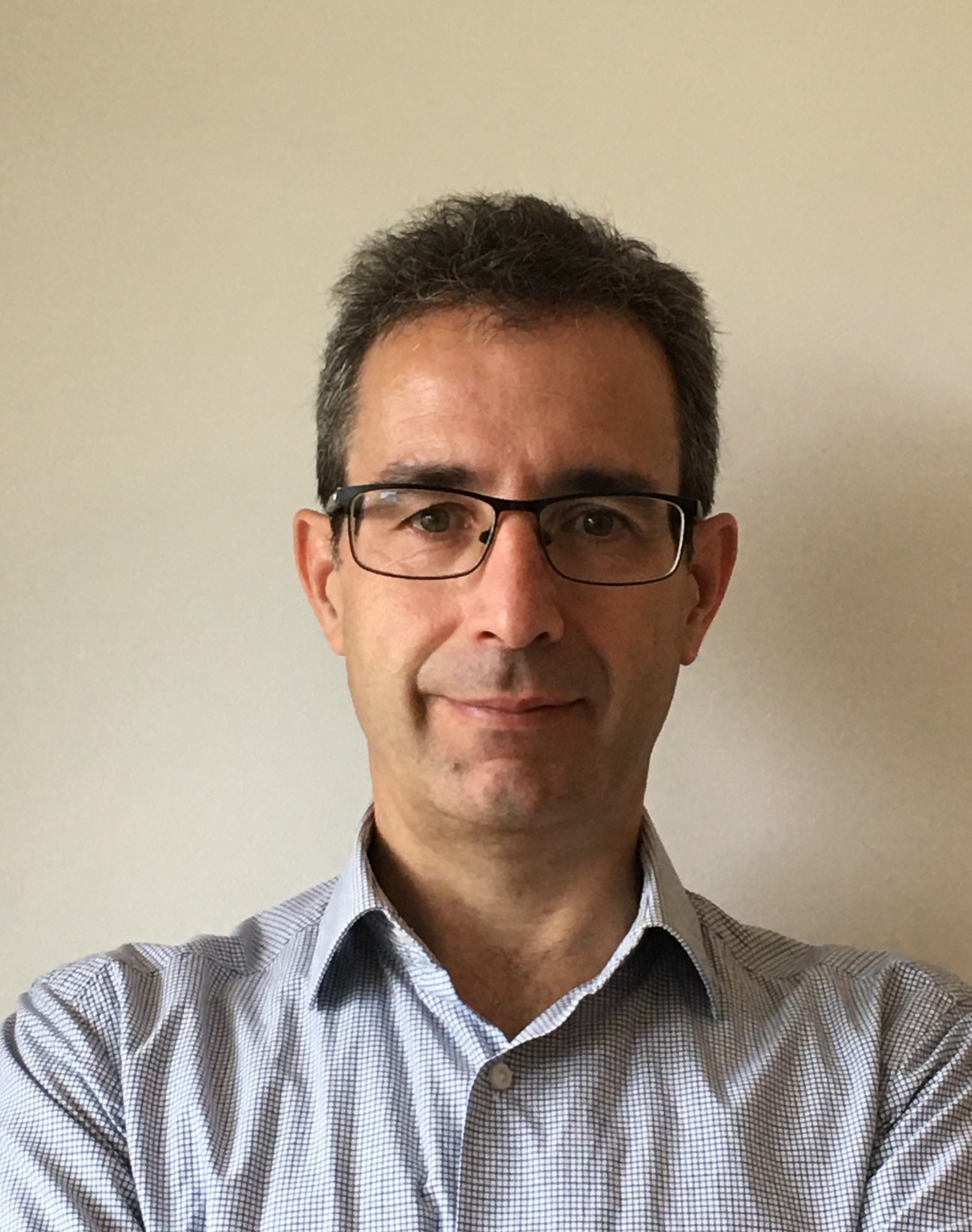
Professor Ramon Vilar Compte is Professor of Medicinal Inorganic Chemistry at Imperial College London 's Department of Chemistry within the Faculty of Natural Sciences . His multidisciplinary research group develops molecular tools for biological interrogation. Key affiliations include: CRUK Convergence Science Centre , Centre for Neurotechnology , Centre for Rapid Online Analysis of Reactions , and Grantham Institute Research focuses on: Medicinal Inorganic Chemistry of G-quadruplex DNA/RNA Metal complexes for cancer and antibacterial therapies Environmental remediation of toxic metals via molecular recognition Advanced optical imaging techniques using fluorescence/phosphorescence lifetime Recent publications demonstrate expertise in metal-based G-quadruplex probes , photocytotoxic antibiotics , and machine learning-driven drug discovery . Group members include 9 PhD students and 5 postdoctoral associates working across chemical biology and environmental science domains.
Alessandro D'Urso is an Associate Professor in Inorganic Chemistry at the Department of Chemical Sciences, University of Catania. His research focuses on the interactions of water-soluble porphyrinoids with biomolecules, particularly DNA/RNA conformations and proteasome activity modulation. Key applications include photodynamic therapy, chiroptical sensing, and supramolecular material design. PhD in Chemistry (2010) from University of Catania Postdoctoral experience at Columbia University (2012) and Barcelona University (2011) Guest editor for special issues on supramolecular systems and porphyrin-biomolecule interactions His work on supramolecular chirality and non-covalent synthesis has led to high-impact publications and grants like PRIN 2017 (€800,000) and FIRB 2012. He explores proteasome inhibition , G-quadruplex stabilization , and chiral nanomaterials . Recent publications (2023-2025) highlight advancements in proteasome allosteric activation , chiroptical DNA probes , and hybrid porphyrin-melanin films . His 60+ papers and H-index of 20 reflect significant citations. Scientific Leadership : Board member of Interdivisional Group of Biotechnologies (2023-2026) Former Vice-coordinator of Italian Chemical Society's Young Group (2013-2016) Reviewer for 20+ journals including Nature Communications and ACS Publications
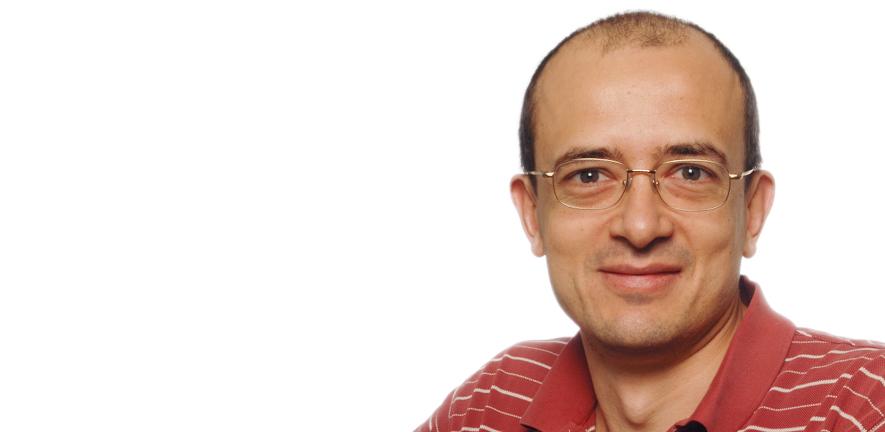
Mikayel Aznauryan is an INSERM senior researcher (CRCN) and group leader at the ARNA Laboratory (INSERM U1212 / CNRS UMR5320) hosted at the European Institute of Chemistry and Biology, University of Bordeaux, France. His research focuses on the molecular mechanisms of intrinsically disordered proteins and their roles in cellular condensate formation and translation regulation. His research interests lie at the intersection of molecular biophysics and cellular biochemistry, particularly in understanding how disordered proteins interact with nucleic acids and other partners to drive essential cellular functions. Using single-molecule FRET spectroscopy , live-cell imaging , and complementary biophysical techniques, his lab investigates the dynamics of disordered translation initiation factors and their contributions to the stress response and biomolecular condensation. The recent publications highlight a consistent focus on nucleic acid-protein interactions , conformational dynamics , and single-molecule analysis , primarily in the context of RNA and DNA structural behavior and regulation. The work spans biophysical characterization to functional implications in cellular systems. Scientific Awards and Grants: FRM start-up grant IdEx Chair of Excellence ANR Young Investigator grant As a group leader, Dr. Aznauryan oversees a research program funded by national and institutional grants. While no formal students are listed, his position involves mentoring postdoctoral researchers and trainees in advanced biophysical methodologies. His lab is embedded within a multidisciplinary environment fostering collaboration in nucleic acid research. The Aznauryan Lab is part of the ARNA research unit, which focuses on the natural and artificial regulation of nucleic acids. The lab leverages cutting-edge technologies including single-molecule spectroscopy, NMR, SPR, BLI, ITC, and molecular simulations to uncover the mechanistic basis of disordered protein function in health and disease.
Professor Isabel Rozas is a Professor in the School of Chemistry and an affiliated faculty member at the Trinity Institute of Neuroscience (TCIN) , Trinity College Dublin. With a PhD from Universidad Complutense de Madrid and postdoctoral experience in Canada, she joined TCD in 2000, rising to full Professor in 2011. She is a Fellow of Trinity College Dublin (2005) and a globally recognized expert in medicinal and computational chemistry, particularly in guanidinium-based compounds and DNA minor-groove binders. PhD, Universidad Complutense de Madrid (1987) MSc (Licenciado de grado), Universidad Complutense de Madrid (1982) BSc (Honours), Universidad Complutense de Madrid (1981) Her research lies at the intersection of medicinal chemistry, computational modeling, and drug discovery , with a focus on designing novel therapeutic agents for cancer, infectious diseases, and neurological disorders. She investigates compounds targeting DNA minor-groove, α2-adrenoceptors, kinase pathways in multiple myeloma, and viral proteases like TMPRSS2 involved in SARS-CoV-2 entry. Her work combines synthetic organic chemistry with computational methods to understand non-covalent interactions, contributing to the IUPAC definition of hydrogen bonding. Analysis of her recent publications reveals a strong trend toward multifunctional therapeutics —designing guanidinium derivatives that bind nucleic acids or inhibit key enzymes. Her work spans anticancer agents, antivirals, anti-infectives, and CNS-active compounds, unified by a central chemical motif. She has published 173 peer-reviewed articles with over 9,000 citations (Google Scholar), reflecting sustained impact in the field. Scientific Awards and Recognition: Fellow of Trinity College Dublin (2005) Advising and Grants: Professor Rozas has supervised 20 PhD and 5 MSc students . She has secured approximately €2.5 million in research funding , including major SFI grants for developing SARS-CoV-2 entry inhibitors and anti-tuberculosis agents. Her leadership extends to editorial roles (e.g., Editor of Results in Chemistry ) and organizing major conferences such as Medicinal Chemistry Ireland. Laboratories and Teams: She leads a multidisciplinary research group at TCD that integrates experimental and computational approaches, collaborating with biochemists, microbiologists, and pharmacologists. She founded and chairs the Division of Medicinal and Biological Chemistry within the Institute of Chemistry of Ireland and has held key leadership roles at TCD, including Director of Research and Director of Global Relationships in the School of Chemistry.
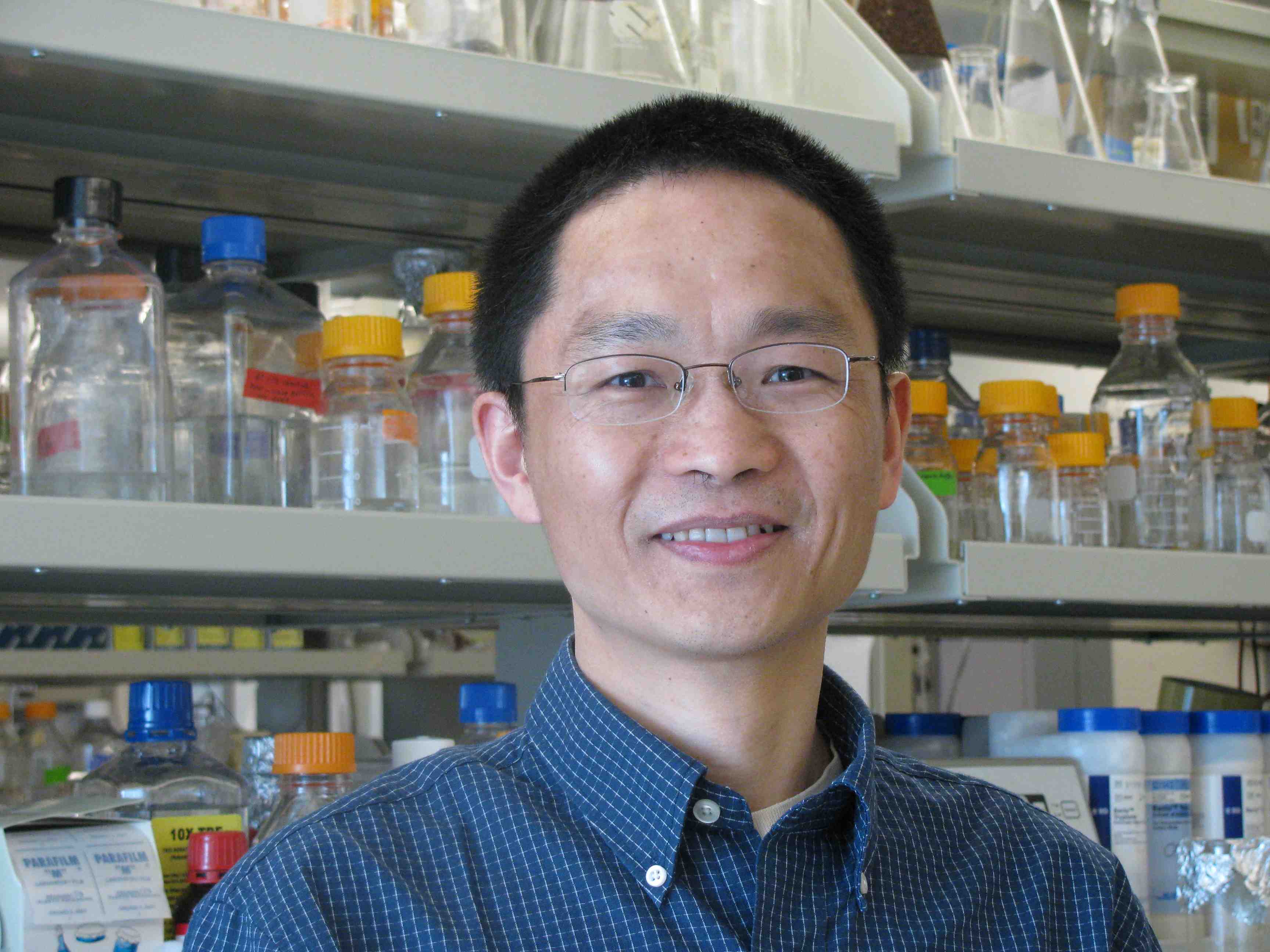
Dr. Yuliang Wu is a Professor of Biochemistry at the University of Saskatchewan, specializing in DNA repair mechanisms and genomic stability. He holds a Ph.D. from the International Centre for Genetic Engineering and Biotechnology (ICGEB), India, and completed postdoctoral training at the University of Alberta and NIH. His research focuses on helicases (FANCJ, ChlR1, RTEL1) and their roles in cancer, genetic disorders, and aging. Key areas include G-quadruplex resolution, innate immunity activation via DDX41, and synthetic lethality targets in cancer therapy. Research Interests: Cancers linked to DNA repair defects (breast, ovarian), genetic syndromes (Fanconi anemia, Warsaw breakage), helicase functions in replication stress, and immune responses to viral DNA. Current projects involve DDX43's role in mRNA splicing and RTEL1's telomere regulation. Publications emphasize helicase biochemistry, synthetic lethality in cancer, and mechanistic insights into DNA repair pathways. Collaborations include functional studies on FANCJ's role in resolving replication barriers and DDX41's cGAS-STING activation during viral infection.
Luca Pellegrini is a Professor in the Department of Biochemistry at the University of Cambridge. His research focuses on understanding the molecular mechanisms of genomic stability, particularly the coordination of DNA replication and repair processes. He leads the Pellegrini Group, which investigates protein complexes involved in DNA replication fork stability, homologous recombination, and chromatin interactions. Key projects include structural studies of replisome components like CMG helicase and Ctf4, as well as the role of RAD51 in DNA repair pathways. His work combines structural biology (e.g., cryo-EM, X-ray crystallography) with biochemical and cellular approaches to elucidate how replication machinery interacts with obstacles like DNA damage or histones. Recent studies highlight the functional interplay between replication proteins and their roles in cancer and neurodegenerative diseases. Publications span structural insights into DNA repair proteins (e.g., CtIP tetramerization, BRCA2-RAD51 interactions) and viral factors affecting replication (e.g., SARS-CoV-2 nsp1). The lab actively collaborates on translational projects targeting genome instability, such as developing small-molecule inhibitors of replication complexes. Opportunities exist for students and researchers at all levels, with a focus on training in cutting-edge structural and molecular biology techniques. His group is based in the Sanger Building at the University of Cambridge.
Mark Somoza is a faculty member at the Technical University of Munich and University of Vienna , holding positions as Group Leader in Transcriptomics and Proteomics Chemistry (since 2019) and Associate Professor (since 2016). His research focuses on molecular food systems biology, transcriptomics, proteomics, and high-throughput nucleic acid synthesis technologies. PhD in Physical Chemistry, University of South Carolina–Columbia (1997–2002) Master of Science in Physics, University of Michigan–Ann Arbor (1996) Research Interests include: Decoding molecular mechanisms in food systems Developing high-resolution spatial transcriptomic/proteomic methods Photolithographic synthesis of DNA/RNA microarrays Linking food chemistry to human physiological responses Article Trends highlight his work in microarray synthesis (2015–2020), DNA data storage (2020), RNA functional studies (2017–2019), and fundamental DNA dynamics research (2004). Key fields: biochemistry, biotechnology, molecular biology, and food systems science. Grants & Projects include three major Austrian Science Fund (FWF) grants (2012–2023) for high-density RNA/DNA microarray synthesis, totaling over €1 million. Teaching spans scientific writing, biotechnology, and bioanalytical methods at University of Vienna and TUM.
Amrita Basu is a computational biologist at the University of California San Francisco (UCSF) specializing in cancer informatics and machine learning applications for breast cancer research. Her work focuses on developing computational models for early cancer detection, metastatic progression prediction, and integration of patient-reported outcomes (PROs) into clinical trials. Education: Ph.D. in Computational Biology (Rockefeller University, Tri-Institutional Program); B.S. in Electrical Engineering (Cornell University); Postdoctoral Fellow in Computational Chemical Biology (Broad Institute of Harvard and MIT) Basu leads research projects leveraging high-throughput genomic data and clinical datasets to stratify cancer patients by molecular networks, including transcriptional regulation and epigenetic signaling. She actively develops infrastructure for PRO collection and analysis in breast cancer trials. Her selected publications (2013-2025) demonstrate expertise in computational oncology, drug repositioning, and clinical trial biomarker discovery. Current funding includes NCI grants and Burroughs Wellcome Fund support for projects on patient toxicity frameworks and immune-related adverse event prediction. Scientific Awards: Burroughs Wellcome Fund Innovation in Regulatory Science Award (2021); Interstellar Award (2019); White House Presidential Innovation Fellow (2016); Sage Bionetworks Young Investigator Award (2013) Basu serves as Principal Investigator on multiple NIH/NCI-funded trials (2017-2028) and collaborates with the I-SPY Consortium on neoadjuvant chemotherapy efficacy metrics. Her work bridges computational methods with clinical implementation to improve breast cancer outcomes.
Jason Peters is an Assistant Professor in the Pharmaceutical Sciences Division at the School of Pharmacy, University of Wisconsin-Madison. His research focuses on applying bacterial genetics to address critical issues in the bioeconomy and antimicrobial resistance through innovative CRISPR-based functional genomics approaches. Dr. Peters' research interests encompass bacterial genetics, CRISPR technology development, antimicrobial resistance mechanisms, bioeconomy applications, microbial biofuels production, and genetic engineering. His lab specializes in developing CRISPR tools for exploration of gene function in bioenergy-relevant alpha-Proteobacteria (such as Zymomonas mobilis ) and antibiotic resistant ESKAPE pathogens (particularly Acinetobacter baumannii ). His recent publication record demonstrates significant productivity with numerous high-impact articles in 2024 and 2025, primarily focused on CRISPR-based technologies, bacterial functional genomics, antimicrobial resistance mechanisms, and applications in both medical and industrial contexts. His work spans fundamental molecular mechanisms to practical applications in biofuel production and antibiotic development. Dr. Peters maintains an active research program with significant contributions to the development of genetic tools for diverse bacterial species, particularly focusing on CRISPR interference (CRISPRi) systems and their optimization for various bacterial hosts including Proteobacteria and other pathogens. His laboratory work bridges fundamental bacterial genetics with practical applications in bioenergy and antimicrobial resistance, positioning his research at the intersection of basic science and translational applications that address critical global challenges in sustainable energy and infectious disease.
Chen Chen is a Professor at the Department of Animal Science, College of Agriculture & Natural Resources, Michigan State University. His laboratory focuses on the molecular mechanisms underlying mammalian spermatogenesis and infertility, with a particular emphasis on Tudor domain proteins and the Piwi-piRNA pathway. BS: China Agricultural University MS: Texas A&M University PhD: Washington University School of Medicine Postdoc: University of Toronto Research interests include germ cell biology, RNA regulation, genome stability, and epigenetics. His lab explores how genes and pathways influence germ/stem cell self-renewal, differentiation, and fertility, particularly through the function of Tudor domain proteins in gene silencing and cancer. Selected publications from 2024-2005 highlight his contributions to piRNA biogenesis, transposon silencing, sperm development, and structural biology of protein-RNA interactions. These works span molecular biology, genetics, and epigenetics, with recurring themes in reproductive biology and genome defense. Funding: NIH R01 HD084494 (Tudor domain proteins in germline genome defense), NIH R01 GM132490 (mitochondria-anchored protein complexes in piRNA biogenesis) Chen Chen is affiliated with multiple research programs including the Reproductive & Developmental Sciences Programs (RDSP), Cell and Molecular Biology Program, and Genetics and Genome Sciences Program. His lab is actively recruiting graduate students and postdocs.
Giuseppe Mannino is an Assistant Professor at the Department of Life Sciences and Systems Biology , University of Turin. He holds a PhD in Pharmaceutical and Biomolecular Sciences (2018) and joined the department in 2022 as a Type A researcher. His work bridges plant physiology, metabolomics, and nutraceutical research. Education : PhD in Pharmaceutical and Biomolecular Sciences (2018), University of Turin; MSc in Chemistry and Pharmaceutical Technology (2015). Research focuses on chemical and molecular characterization of plant bioactive compounds , including metabolomic and genomic analysis using GC-MS, LC-MS, DNA fingerprinting, and RNA sequencing . Key areas include biostimulants for crop stress tolerance, antioxidant properties of plant extracts, and pharmaceutical/nutraceutical applications of natural products. Recent articles highlight work on plant stress responses, agricultural waste valorization , biostimulant effects on crops like tomatoes and peppers, and phytochemical profiling of fruits (cherimoya, mango). Techniques span transcriptomics , metabolomics , and ROS modulation . Notable collaborations include studies on geomagnetic field effects and microbial biostimulants in aquaculture. Teaching roles include courses on Plant Physiology , Secondary Plant Metabolites , and Applied Plant Biology at the University of Turin's Biological Sciences and Environmental Biology programs.
Dr. Anamaria Brozović is a Senior Scientist and Assistant Professor at the Ruđer Bošković Institute, Croatia, affiliated with the Division of Molecular Biology and Laboratory for Cell Biology and Signalling. She serves as the President of the Ethics Committee and holds additional academic roles, including Principal Lecturer at the University of Osijek and the University of Zagreb. Education includes: Ph.D. in Molecular Biology, University of Zagreb (1999–2002) M.S. from University of Zagreb (1997–1999) B.S. in Biology, University of Zagreb (1992–1996) Stanford Advanced Project Management Certificate (2013) Stanford Ignite Program in Innovation and Entrepreneurship (2013) Her research focuses on cancer mechanisms , particularly ovarian cancer drug resistance, epithelial-mesenchymal transition (EMT), and the role of miRNAs and tubulin isoforms in chemoresistance. She investigates novel therapeutic strategies using organometallic complexes and natural compounds, emphasizing translational applications in oncology. Publications predominantly explore ovarian cancer chemoresistance , EMT regulation, and metal-based therapeutics, with recurring themes in molecular pathways of drug resistance, biomarker discovery, and innovative drug delivery systems like hydrogels and nanoparticles. Awards and Honors: 2024: City of Zagreb Award & Charter of Duga Resa for scientific achievements 2020 & 2018: Ruđer Bošković Institute Annual Awards for best scientific papers 2012: Patent Award (US 8,217,022) 2004: Young Scientist Prize and ELSO Poster Award She leads multiple projects, including Croatian Science Foundation grants (e.g., ACAIS, DEvOuT) and international collaborations (e.g., with Dalian University, China). She participates in COST Actions targeting precision medicine in rare cancers and multidrug resistance. Dr. Brozović directs research in the Laboratory for Cell Biology and Signalling, focusing on cellular stress responses, EMT, and developing 3D cancer models. She collaborates globally with institutions like Stanford University and Max Planck Institute.
Alessio De Magis is a fixed-term researcher at the Department of Molecular Biology , Faculty of Medicine and Surgery , Università Vita Salute San Raffaele in Milan. His research focuses on G-quadruplex structures, genome instability, and iron homeostasis in cancer models. PhD in Molecular Medicine from Vita-Salute San Raffaele University Specializes in ferroptosis mechanisms across multiple myeloma, prostate cancer, and chronic lymphocytic leukemia (CLL) Developed novel flow cytometry tools for G-quadruplex quantification Recipient of AIRC's TRIDEO prize for oncological research Research Trends show consistent engagement with G-quadruplex biology (10/14 articles), iron-cancer interactions (7/14 articles), and DNA damage pathways (9/14 articles). His work bridges structural biology with clinical applications, particularly in hematological malignancies. Scientific Awards AIRC TRIDEO prize (2016) for iron-cancer research Teaching includes advanced molecular biology courses for Medicine and Surgery students (6-year program) and Physiotherapy degree courses, covering cellular biology, experimental techniques, and bioimaging.
Professor Kevin D. Raney is a distinguished academic at the University of Arkansas for Medical Sciences (UAMS) College of Medicine, serving as Chair of the Department of Biochemistry and Molecular Biology and a Member of the Winthrop P. Rockefeller Cancer Institute. His research focuses on the enzymology of nucleic acid metabolism, particularly helicases such as Dda (T4 phage), Pif1, and Hepatitis C virus NS3. These enzymes are critical for DNA/RNA unwinding, stress granule assembly, and viral replication mechanisms. Education: Ph.D. in Biochemistry, Vanderbilt University B.A. in Chemistry, Hendrix College Research Interests: Helicase mechanisms (DNA/RNA unwinding, G-quadruplex resolution) Stress granule formation via oxidized DNA fragments CRISPR-based proteomic analysis of genomic loci Protein-protein interactions in DNA repair Recent Research Trends: 2025 studies on biomolecular condensates in viral replication 2024 work on Pif1 helicase structure and G4 DNA unwinding 2023-2021 projects on NS3 helicase, PARP-1, and DNA damage response Contact: Email: RaneyKevinD@uams.edu Office: 501-686-5244 Labs: Biomedical Research Center B405B and satellite labs
Wayne P. Wahls, Ph.D., serves as Professor in the Department of Biochemistry and Molecular Biology at the University of Arkansas for Medical Sciences College of Medicine. His research program investigates fundamental mechanisms of chromosome dynamics during meiosis and cellular stress responses using fission yeast as a primary model system. Education: Ph.D. from University of Illinois, Chicago Dr. Wahls' laboratory focuses on two interconnected research areas: (1) meiotic chromosome dynamics, examining how recombination hotspots and chromatin remodeling regulate genome-wide recombination, the assembly of meiotic recombination enzyme complexes, and the relationship between recombination and chromosome segregation; and (2) stress response pathways, studying ATF/CREB/AP-1 family proteins that monitor cellular conditions and regulate chromatin structure, transcription, and RNA decay through pathway cross-talk. His team employs genetic, molecular, biochemical, cytological, and proteomic methodologies to address these questions. Analysis of his 2022-2025 publications reveals consistent emphasis on meiotic recombination mechanisms, CRISPR/Cas9 applications in fission yeast, and molecular stress adaptation. The research spans genetics, molecular biology, and biochemistry with recurring themes in DNA repair, chromosome structure, and gene regulation, demonstrating technical innovation in genome editing and molecular characterization. Dr. Wahls leads a research team comprising Mari Davidson, Seth Dixon, Emory Malone, and Reine Protacio. His laboratory occupies spaces B428, B430, and B432 in the UAMS Biomedical Research Center, maintaining active research operations as evidenced by recent publications and operational contact information. While specific grant details are not provided, the sustained publication record indicates ongoing research funding and academic productivity.