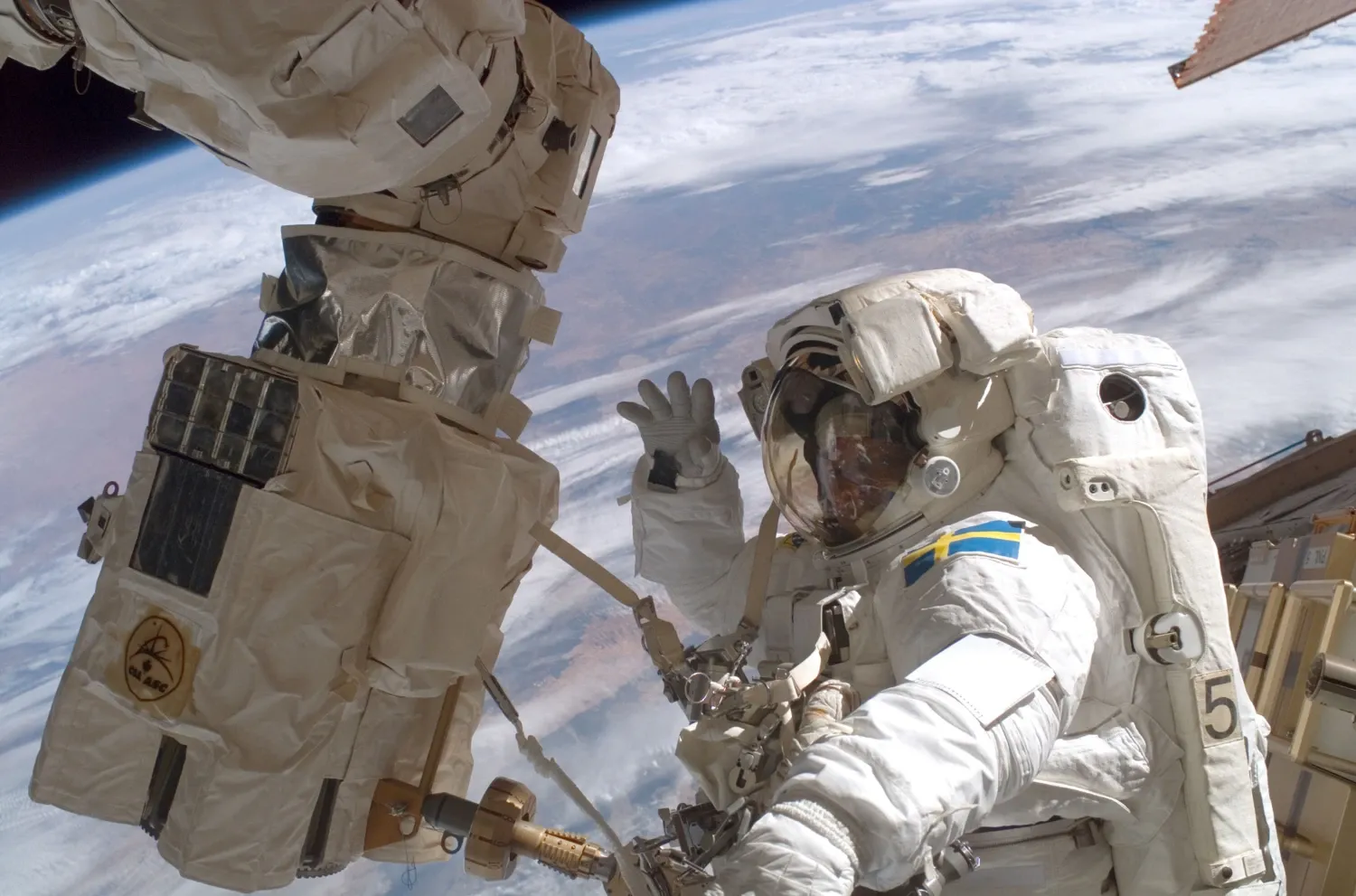
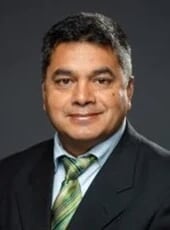
Rodrigo Fernandez Gonzalo is a Docent (Associate Professor) in Physiology and Principal Researcher at the Division of Clinical Physiology, Department of Laboratory Medicine, Karolinska Institutet. He leads the Space and Environmental Physiology research group focusing on skeletal muscle adaptation under various conditions including microgravity, aging, disease, and exercise. His research interests span skeletal muscle physiology, space physiology, and environmental physiology, with particular expertise in how skeletal muscle interacts with other physiological systems. His work employs diverse methodologies including human clinical studies, animal models, and cellular models to investigate functional, metabolic, morphological, molecular, and neural adaptations. Analysis of his recent publications reveals a strong focus on space physiology applications, particularly how microgravity affects skeletal muscle and immune systems, along with translational applications for clinical populations like those with cerebral palsy. His research integrates molecular analysis, imaging techniques, and physical performance outcomes to develop countermeasures for spaceflight effects. 4.5 MSEK funding from the Swedish National Space Agency (2020) Member of European Space Agency's Life Science Working Group (2022-2026) Member of Space Researchers Sweden (2021-) Dr. Fernandez Gonzalo serves as course responsible for Anatomy and Physiology in the nursing program (since 2018) and Advanced Human Physiology Research in the Master's programme in Translational Physiology and Pharmacology (since 2023). He also teaches Human Spaceflight at KTH and participates in the Erasmus Mundus Joint Master in Physiology and Medicine of Humans in Space and Extreme Environments. His laboratory utilizes facilities at Karolinska University Hospital and ANA Futura for human, animal, and cellular studies investigating space exposome effects.
Damiano Piovesan is Associate Professor in Bioinformatics (SSD BIO/10) at the Department of Biomedical Sciences , University of Padua , Italy. Since March 2022 he has held this rank, having previously served as Assistant Professor (2022) and PostDoc researcher (2019) in the same department. Education 2013 – PhD in Biotechnology, Pharmacology and Toxicology, University of Bologna 2009 – MSc in Bioinformatics, University of Bologna 2007 – BSc in Biotechnology, University of Bologna Research Focus Piovesan’s research integrates machine-learning approaches with structural bioinformatics to advance understanding of intrinsically disordered proteins (IDPs) and protein function prediction . He develops widely used resources such as MobiDB for disorder annotation, DisProt for functional curation of disordered regions, and RING for residue interaction networks. Additional interests include tandem repeat proteins , cancer-related IDP targets , and community benchmarking initiatives (CAFA, CAID, CAGI). Publication Trends His 2024–2025 output is dominated by updates to flagship databases ( InterPro , DisProt , MobiDB ), next-generation disorder predictors leveraging deep learning ( PredIDR , MobiDB-lite 4.0 ), and large-scale genomics challenges ( CAGI6 ). Across the decade, recurring themes include methodological advances in disorder prediction, creation of interoperable bioinformatics platforms, and rigorous benchmarking to ensure community-wide reliability. Scientific Awards No specific awards are listed in the provided materials. Advising & Grants No individual students or grant details are explicitly supplied; however, his leadership in multi-institutional consortia (e.g., InterPro, DisProt, CAFA) implies substantial supervisory and funding coordination roles. Labs & Teams Piovesan is affiliated with the BioComputingUP Lab ( https://biocomputingup.it/ ) at the University of Padua, a hub for computational biology and bioinformatics tool development.
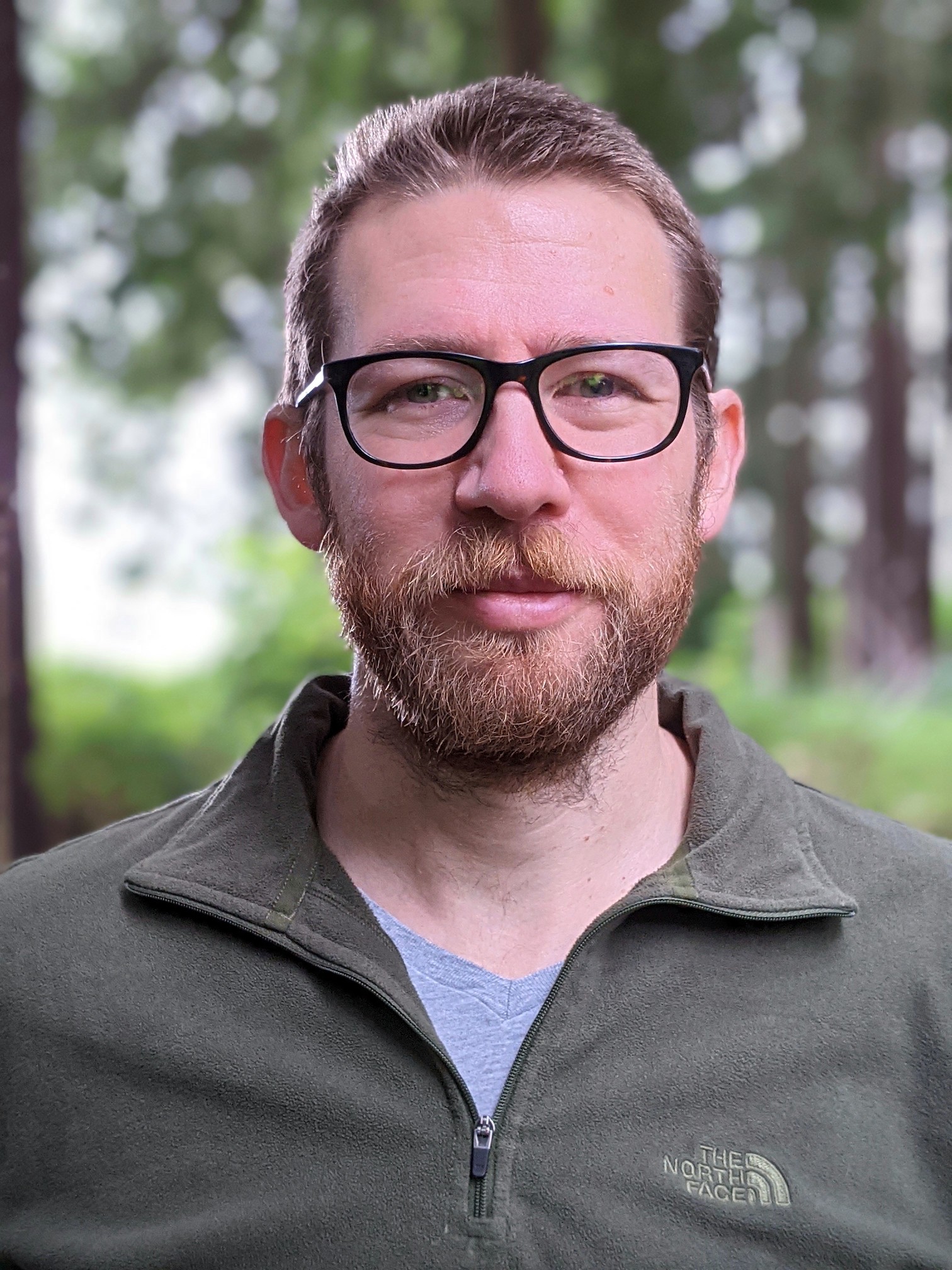
Benjamin Bloem-Reddy is an Assistant Professor of Statistics at the University of British Columbia (UBC), affiliated with the Department of Statistics within the Faculty of Science. His research focuses on probabilistic approaches in statistics and machine learning, emphasizing symmetry, causality, and model-driven scientific knowledge acquisition. Prior to UBC, he completed his PhD under Peter Orbanz at Columbia University and a postdoc with Yee Whye Teh at the University of Oxford. He holds a physics background from Stanford and Northwestern Universities. Education: PhD in Statistics, Columbia University Postdoctoral Research, CSML Group, University of Oxford Physics degrees from Stanford and Northwestern Universities Research Interests: Bloem-Reddy explores symmetry in modeling and inference, causal discovery, and integrating scientific models with statistical frameworks. His work includes developing hypothesis tests for symmetry, causal inference via cocycles, and leveraging invariance properties in neural networks. He collaborates with scientists to apply statistical methods to domain-specific problems. Awards: Best Student Poster Award at NeurIPS 2014 Workshop on Networks Teaching & Advising: He teaches courses like STAT 460/560 (Statistical Inference) and advises a vibrant research group. His students include Boyan Beronov, Kenny Chiu, and Johnny Xi. He emphasizes recruiting curious, mathematically skilled students aligned with his research themes. Grants & Funding: Supported by NSERC, CANSSI, and UBC, with computational resources from ARC at UBC.
Dr. Peter Zilm is an Associate Professor in the Adelaide Dental School at the University of Adelaide, part of the Faculty of Health and Medical Sciences. His research focuses on bacterial biofilm dynamics, particularly in oral pathogens linked to caries and periodontal disease, and their systemic implications. Key projects include developing oral microbiome transplantation therapies and pH-responsive 'intelligent particles' as antimicrobial agents. Collaborations with chemical engineers and industry aim to advance nano-technological solutions for dental applications. Research interests span biofilm inhibition mechanisms, the gut microbiome's role in gastrointestinal inflammation triggered by periodontitis, and the development of novel antimicrobial coatings for medical devices. His work integrates advanced technologies like cellular impedance (exCELLigence) and next-generation sequencing. He has secured NHMRC funding (2020-25) for oral microbiome transplantation research. Projects are based at the Helen Mayo South Building and involve collaborations with institutions in Spain, the UK, and elsewhere. Dr. Zilm supervises Honours, Masters, and PhD students across multiple translational projects, including anti-biofilm agents, oral microbiome transplantation efficacy, and the relationship between oral bacteria and systemic diseases like cardiovascular issues and cancer. His recent publications highlight innovations in nano-technology, biofilm disruption, and probiotic interventions for periodontal disease.
Prof. Dr. Steffi Pohl holds the Chair of Methods and Evaluation/Quality Assurance at the Faculty of Education and Psychology, Freie Universität Berlin since 2019. Previously, she was a Junior Professor (2013-2019) and researcher at institutions including Friedrich-Schiller University Jena and University of Bamberg. She earned her PhD in Psychometrics from Friedrich-Schiller University Jena (2010) and holds a Diplom in Psychology (2004) from Freie Universität Berlin. Her research focuses on advanced statistical methods in educational and psychological testing, including response time modeling, missing data mechanisms, and causal inference in assessment. She has pioneered work on test engagement detection via response patterns and log数据分析. Awards include the 2020 Psychometric Society Early Career Award and 2011 Gustav A. Lienert Dissertation Prize. Pohl serves on editorial boards of Psychometrika , Journal of Educational and Behavioral Statistics , and Zeitschrift für Psychologie . She chairs the Berlin School of Mind and Brain faculty and holds governance roles in academic senates. Her research projects include the National Educational Panel Study (NEPS) and collaborations on test design innovations. Current teaching includes advanced courses in empirical research methods, multivariate statistics, and educational measurement. She actively develops methodologies for analyzing log数据 from digital testing platforms and improving assessment reliability in large-scale studies.
Christopher Grainge is a Conjoint Associate Professor at the University of Newcastle's School of Medicine and Public Health, and a Staff Specialist in Respiratory and General Medicine at John Hunter Hospital. Previously, he served as a Consultant Physician and Senior Lecturer at the University of Southampton. His extensive clinical background includes service in the Royal Navy, specializing in diving and remote medicine, and deployments to Antarctica and Southern Iraq. Dr. Grainge maintains active research collaborations with institutions worldwide, focusing on respiratory medicine. Dr. Grainge completed his undergraduate training at Imperial College, University of London, with an intercalated BSc. He earned his PhD from the University of Southampton in 2011, with research published in the New England Journal of Medicine. His thesis examined the effect of repeated bronchoconstriction on airways in asthma. He also holds membership in the Royal College of Physicians and was awarded the Diploma in the Medical Care of Catastrophes, specializing in remote and refugee medicine. Dr. Grainge's research focuses on the role of mechanical forces in asthma pathophysiology, environmental dusts in lung disease development, and platelet antagonists' effects on allergen challenge. His work demonstrates that mechanical forces play a crucial role in determining long-term changes in human airways. He leads investigations into how environmental exposure to inhaled particles leads to conditions like constrictive bronchiolitis, and explores novel therapeutic pathways for asthma through platelet activation inhibition. His research has significant clinical implications for difficult asthma and interstitial lung disease management. Dr. Grainge's recent publications reflect strong trends in interstitial lung disease research, particularly idiopathic pulmonary fibrosis, and asthma mechanisms. His work increasingly incorporates advanced technologies like artificial intelligence for disease stratification and deep learning for predicting disease progression. Collaborative research with international teams examines biomarkers for disease progression and novel treatment approaches for fibrotic lung diseases, with a particular focus on quantitative CT analysis and patient-reported outcome measures. Leatherdale Prize for Clinical Teaching: Finalist (2013) Military and Civilian Health Partnership Awards Winner (2011) University of Southampton Translational Medicine Research Prize (2011) Michael Arthur Clinical Research Prize (2014) British Lung Foundation Travel Fellowship (2011) Gilbert Blane Medal (2010) Colt Foundation Prize: Finalist (2010) Asthma UK Travel Fellowship (2009) Dr. Grainge has received significant research funding from the British Lung Foundation, the Southampton Marine and Maritime Institute, the Institute for Life Sciences, and the Gerald Kerkut Foundation. His projects investigate the effects of physical and environmental stress on lung disease, mechanisms underlying lung disease development following environmental particle exposure, and potential therapies. He has collaborated extensively with research teams across Australia, the UK, the Netherlands, and South Africa, contributing to the training of numerous students and junior researchers through his supervision and mentorship roles. Dr. Grainge collaborates extensively with the Respiratory Research group at the University of Southampton, the Asthma and COPD Research Group at the University of Groningen in the Netherlands, and the Microbiome group at the South Australia Medical Research Institute. His current work at the Hunter Medical Research Institute (HMRI) focuses on mechanical forces within airways and their impact on acute and long-term lung changes in patients with airway diseases. He is also involved in the Australian IPF Registry, contributing to multicenter studies on idiopathic pulmonary fibrosis progression and treatment outcomes.
Julien Chanal is a researcher at the Faculty of Psychology and Educational Sciences, University of Geneva, specializing in Methodology and Data Analysis (MAD group). His work bridges educational psychology, motivation theory, and neuropsychology through empirical studies on self-determination, physical activity, and cognitive function. Primary affiliation: University of Geneva Research focus: Motivation and executive function assessment Key areas: Physical education, materialism effects, neuropsychological testing His research spans two decades, producing 38 publications with over 19,000 views. Recent projects examine motivation multidimensionality (2025), aerobic fitness-cognition links (2024), and neural correlates of materialism (2018). Despite extensive publication history, specific student names remain unspecified. Methodological innovations include epoch-length analysis in physical education (2015), self-concept modeling (2009), and neuropsychological norm establishment in Cameroon (2009). His work remains actively cited across disciplines, though no scientific awards are explicitly documented in available sources.
Irith Pomeranz is the Cadence Professor of Electrical and Computer Engineering at Purdue University's College of Engineering. Her research focuses on advanced testing methodologies for VLSI circuits, including functional test compaction, fault diagnosis, and built-in self-test (BIST) techniques. She is affiliated with the Department of Electrical and Computer Engineering and has contributed extensively to improving test efficiency and fault coverage in digital circuits. Her work addresses challenges such as aging effects, transition faults, and path delay faults, with a particular emphasis on practical implementations for industrial applications. Key areas of interest include modular test sequences, configuration-based compaction, and dynamic testing strategies for in-field environments. She has developed algorithms for dual-target diagnostic testing and synchronization mechanisms for online fault detection in logic blocks. Research Trends in her publications emphasize innovations like storage-based BIST schemes, adaptive test scheduling, and shared test data architectures. These advancements aim to reduce test data volume, improve fault coverage, and enhance reliability in modern integrated circuits. Her work often bridges theoretical foundations and practical hardware implementations. Grants & Advising : While specific grants or student advisees are not listed, her prolific publication record indicates active involvement in research projects and graduate supervision within Purdue's ECE department. Labs & Teams : Her contributions are likely tied to Purdue's VLSI and testing research groups, though specific lab affiliations are not detailed in the provided text.
Linquan Ma is an Associate Professor in the Department of Mathematics at Purdue University, specializing in Commutative Algebra and Algebraic Geometry. His research focuses on singularities in mixed characteristic, perfectoid spaces, and homological conjectures. He earned his Ph.D. from the University of Michigan under Melvin Hochster. His work bridges algebraic and geometric perspectives, with applications to F-singularities, local cohomology, and multiplier ideals. Education: Ph.D. in Mathematics, University of Michigan (2014), advised by Melvin Hochster Research Interests: Commutative Algebra: F-singularities, tight closure, local cohomology, multiplier ideals, Hilbert-Kunz multiplicity Algebraic Geometry: Singularities in mixed characteristic, minimal model program, perfectoid methods Homological Algebra: Ulrich modules, Boij-Söderberg theory, homological conjectures Recent Work Trends: Recent papers explore perfectoid spaces' role in resolving homological conjectures, behavior of test ideals in mixed characteristic, and structural properties of Cohen-Macaulay modules. His work often unifies characteristic p and mixed characteristic techniques. Awards: None explicitly listed, though his contributions to F-singularity theory and mixed characteristic algebra highlight his field-leading impact. Teaching: Purdue: Courses include Algebra Honors, Linear Algebra, and graduate topics in commutative algebra (e.g., 2024: Positive characteristic methods) Prior institutions: University of Utah (Calculus, Differential Equations), University of Michigan (undergraduate calculus) Collaborations: Active collaborations with Bhargav Bhatt, Karl Schwede, Ilya Smirnov, and others on foundational problems in commutative algebra and algebraic geometry.
Professor Michelle Ellefson is a Professor of Cognitive Science at the University of Cambridge's Faculty of Education, where she serves as Director of CAM-DTP and as Undergraduate Tutor for Gonville and Caius College. She convenes the INSTRUCT Research Group (Implementing New Student Thinking Resources Using Cognitive Theory) and is affiliated with multiple interdisciplinary initiatives including Cambridge Neuroscience, Cambridge Big Data, and Cambridge Language Sciences. Her educational background includes a PhD and MA in Brain and Cognitive Sciences from Southern Illinois University and a BA in Psychology, summa cum laude, from the University of Minnesota. She is a member of several professional organizations including the Psychonomic Society, Cognitive Science Society, Women in Cognitive Science, and SPARK Society. Professor Ellefson's research integrates cognition, neuroscience, child development, and education into a multi-disciplinary program aimed at improving math and science education. Her work focuses on executive functions in school achievement, children's causal reasoning about scientific phenomena, and applying cognitive principles like simplicity and desirable difficulties to classroom learning. Her research spans laboratory-based studies paired with classroom applications to understand cognitive development mechanisms and improve educational practice. Her recent publications reveal strong trends in executive function research across cultural contexts, particularly examining East-West contrasts and the relationship between executive functions and academic achievement. Her work increasingly focuses on developing and validating assessment tools like the Zoo Task for metacognitive problem-solving, and she is committed to open science practices including registered reports and pre-registration of studies. Psychonomic Society Cognitive Science Society (CogSci) Women in Cognitive Science (WiCS) SPARK Society Professor Ellefson actively supervises PhD students through the Psychology, Education & Learning Studies program and teaches cognitive psychology and educational neuroscience in the PGCE program. She emphasizes quantitative methods and R programming for data analysis, requiring doctoral students to develop strong statistical skills. Her lab follows Cambridge's inquiry-based learning model and maintains a commitment to diversity and inclusion, welcoming researchers from varied socioeconomic, national, and cultural backgrounds. The INSTRUCT Lab also focuses on open science practices, sharing data and materials through OSF and publishing preprints in Psych-Archive.
Hao Chen, Ph.D. is an Associate Professor in the Department of Statistics at the University of California, Davis. His research focuses on statistical methodology for high-dimensional and non-Euclidean data, including anomaly detection, graph-based methods, and change-point analysis. He also explores AI security, multimodal models, and geospatial applications. His work bridges statistical theory and practical machine learning challenges. Education: Ph.D., Graduate Group in Biostatistics, Stanford University Research Interests: Dr. Chen’s expertise spans statistical methods for streaming data, categorical data analysis, and allele-specific copy number variation. He has pioneered work in detecting signals in complex datasets and developing robust AI systems. His recent focus includes mitigating modality interference in LLMs, enhancing model safety via guardrails, and advancing geospatial AI through projects like GeoLM. Publications: His recent work addresses cutting-edge topics such as multimodal model vulnerabilities, unlearning algorithms, and clinical radiology applications. Key themes include improving model robustness, ethical AI design, and interdisciplinary data integration. Labs/Teams: Engages in collaborative projects at UC Davis, though specific lab names are not listed in the provided information.
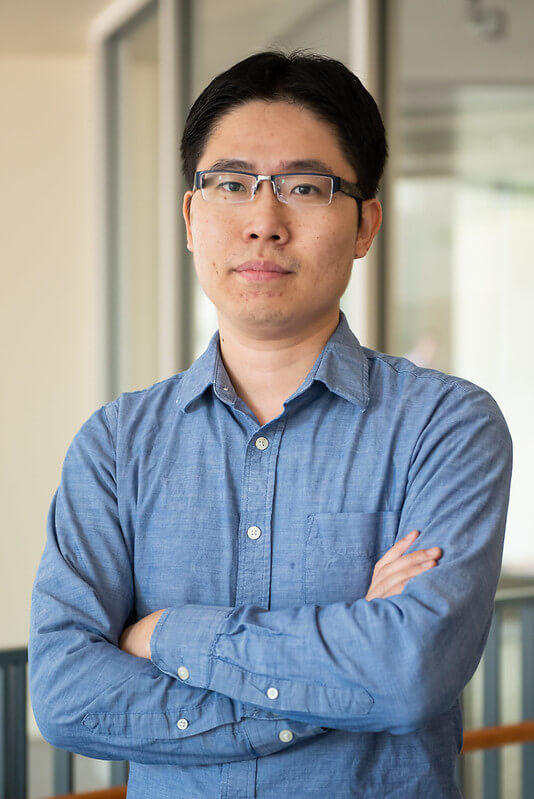
Xianyang Zhang is a Professor in the Department of Statistics at Texas A&M University, affiliated with the College of Arts & Sciences. He holds a Ph.D. from the University of Illinois at Urbana-Champaign (2013) and a B.S. from the University of Science & Technology of China (2008). His research focuses on high-dimensional statistics, functional data analysis, kernel methods, and genomics, supported by grants from NIH, NSF, and Texas A&M. Education: Ph.D., Statistics, University of Illinois at Urbana-Champaign, 2013 B.S., Statistics, University of Science & Technology of China, 2008 Research Interests: Xianyang Zhang develops statistical theories and methodologies for complex data structures, including high-dimensional inference, kernel-based testing, change-point detection, and microbiome analysis. His work bridges computational and theoretical statistics, addressing challenges in genomics, omics-wide studies, and spatial statistics. Key Contributions: Developed KDist , a package for kernel and distance-based statistical inference Authored fastcpd for efficient change-point detection Advanced covariate-adaptive FDR control methods for omics studies Contributed to microbiome analysis tools like MicrobiomeStat and LinDA Advising & Grants: Advises multiple Ph.D. students in statistics and interdisciplinary projects Recipient of NIH and NSF grants for high-dimensional statistical research Collaborates with institutions like Mayo Clinic and Chinese University of Hong Kong Labs/Teams: Leads research groups focused on statistical methodology development, software implementation, and applications in computational biology and genomics.
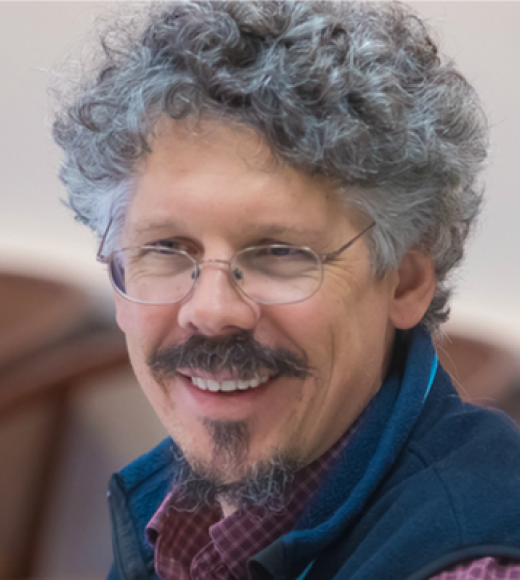
Petr Janata is a Professor in the Department of Psychology at the University of California, Davis, and a faculty member at the UC Davis Center for Mind and Brain. His research centers on cognitive neuroscience of music, investigating neural mechanisms underlying music-evoked autobiographical memories and the experience of "groove." He serves on the Board of the Society for Music Perception and Cognition and co-founded the UC Music Experience Research Community Initiative (UC MERCI). Janata's educational background includes: Ph.D. in Biology (Neuroscience) from the University of Oregon (1996) B.A. in Interdisciplinary Studies (Biology/Psychology) from Reed College (1990) His research employs behavioral experiments, fMRI, EEG, and computational modeling to explore how music engages memory, emotion, and sensorimotor systems. Key projects examine music-evoked remembering, the psychology of groove, auditory attention mechanisms, and timbre-emotion links. His work reveals how music activates domain-general brain networks for expectation, memory, and emotional processing. Recent publications (2018-2025) show increasing focus on cross-cultural emotional responses to music, neural correlates of nostalgia, mental replay mechanisms, and clinical applications of music cognition. His lab develops innovative paradigms like the Groove Enhancement Machine (GEM) to manipulate sensorimotor synchronization while measuring subjective enjoyment. Janata's scientific recognition includes: Guggenheim Fellowship (2010) Dual Fulbright Fellowships (1990-91, 2010-11) Music Has Power Award from the Institute of Music and Neurological Function (2010) He has delivered over 100 invited lectures globally and served as scientific advisor to Coro Health LLC before founding Meamer, Inc. in 2017 to connect people through memories and music. His translational work bridges basic cognitive neuroscience with real-world applications in health and technology. The Janata Lab at UC Davis integrates neuroimaging, behavioral testing, and computational modeling to advance understanding of music cognition. Current projects explore lifespan neural changes in music processing, adaptive virtual partners for synchronization studies, and sonification systems for physiological monitoring.
Ming Lei is a Professor of Physiology and Pharmacology at the University of Oxford. His research focuses on cardiac electrophysiology, signal transduction, and molecular mechanisms of arrhythmias. He leads the Lei Group , also known as the Cardiac Signalling Group , which explores novel therapeutic targets for cardiovascular diseases. Education: BM, MD, D.Phil Professional Recognition: Fellow of the Royal Society of Biology (FRSB) Recent publications highlight his work on: PAK Kinases as targets for arrhythmias Anti-arrhythmic drug classification and clinical applications Isoform-specific glycosylation of ion channels Optical mapping techniques in preclinical cardiac models Stem cell-derived cardiomyocytes for studying atrial function His research trends emphasize molecular mechanisms of cardiac dysfunction, kinase modulation, and advanced imaging methodologies. The Lei Group collaborates on projects involving genetic models (e.g., RyR2 knock-in mice) and cellular interactions (e.g., myofibroblast-cardiomyocyte crosstalk). Key subfields include signal transduction , lysosomal pathways , ion channel regulation , cardiac hypertrophy , electrophysiological imaging , and stem cell applications .
Dukka KC is an Adjunct Professor in the Department of Computer Science at Michigan Technological University and a member of the Institute of Computing and Cybersystems (ICC). His research focuses on computational data science with applications in bioinformatics, computational biology, and health informatics, particularly leveraging machine learning and high-performance computing to develop predictive tools for protein and nucleic acid modifications. Ph.D., Informatics, Kyoto University, 2006 M.Inf., Informatics, Kyoto University, 2003 B.Eng., Computer Science, Kyoto University, 2001 Research interests include: Developing GPU-accelerated bioinformatics tools (e.g., GPU-I-TASSER) Predicting post-translational modification sites using deep learning (e.g., DeepNGlyPred, DeepRMethylSite) Machine learning approaches for malonylation, succinylation, and sulfenylation site prediction High-throughput analysis of next-generation sequencing data Interdisciplinary projects in biometrics, cybersecurity, and disaster prediction Recent publications highlight a strong trend in applying deep learning to protein structure and function prediction, GPU-parallelization for computational efficiency, and machine learning for both biological and cybersecurity applications. The lab also emphasizes cross-domain collaborations and the development of scalable bioinformatics workflows. Grants and funding include projects like the President's Convergence Science Initiative (PI, $300K), NSF III grants for protein function prediction ($111K), and multi-institutional collaborations on biometric test-beds and synthetic biology research. The KC Lab at Michigan Tech specializes in integrating computational data science with molecular biology, focusing on protein/RNA/DNA modification site prediction and contributing to large-scale proteome analysis through machine learning-driven pipelines.