Josefine Rasmussenمشاهده پروفایل
استادیار
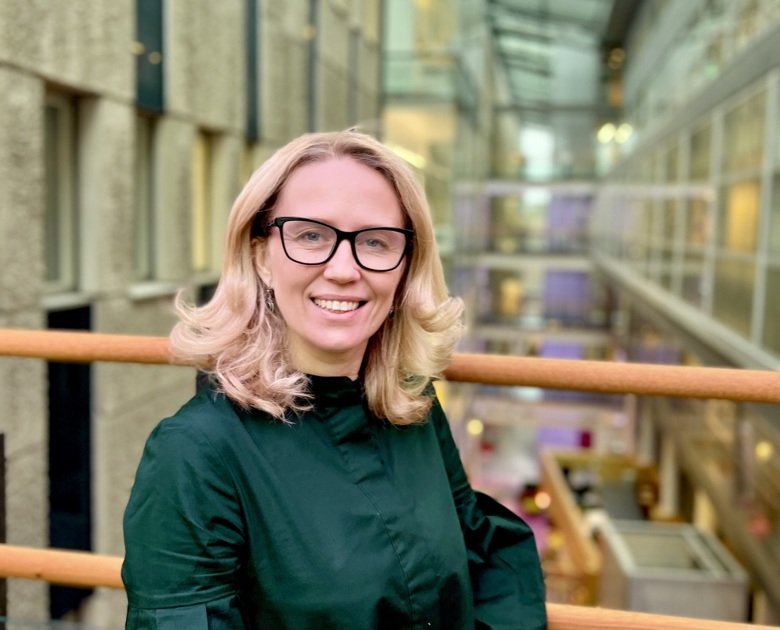
Josefine Rasmussen serves as an Assistant Professor in the Department of Business Administration within Linköping University's Department of Economic and Industrial Development (IEI). Her academic work focuses on the intersection of governance systems and industrial sustainability transitions, with particular emphasis on energy management practices in manufacturing and process industries. Faculty of Economic and Industrial Development (IEI) Department of Business Administration (FEK) Linköping University, Sweden Her research program investigates how governance structures can be designed to advance sustainability in industrial contexts, examining energy efficiency implementation, circular business model development, and the financial implications of sustainability transitions. Rasmussen employs qualitative case study methodologies to analyze management accounting practices, controller roles in energy systems transitions, and the integration of sustainability reporting requirements like the EU's Corporate Sustainability Reporting Directive (CSRD). Current research projects include The interaction between sustainability reporting and financial management practices , Local synergies for sustainable and diversified CO₂ use , and The controller - an unexplored actor in the transition to sustainable energy systems , which received 4.6 million SEK funding from the Swedish Energy Agency. Her publication record demonstrates consistent output in high-impact sustainability journals with a clear trajectory from foundational work on non-energy benefits of efficiency investments toward contemporary analyses of circular business models and sustainability governance. Rasmussen actively supervises master's theses in governance and sustainability topics and serves as course manager for Strategy & Governance (722G96) in the Master of Business Administration program. Her teaching directly connects with research through practical applications of governance frameworks for sustainability transitions in industrial settings.