Christos Ouzounis is a Professor of Bioinformatics at the Department of Informatics, Aristotle University of Thessaloniki , with a career spanning institutions including the European Bioinformatics Institute , King's College London , and University of Toronto . His work bridges Computational Biology , Digital Biology , and Metagenomics , focusing on large-scale data analysis, machine learning applications, and functional annotation of proteins. Education : BSc in Biological Sciences (1986), MSc in Biological Computation (1987), and DPhil in Computational Chemistry (1993) Key Roles : Director of the Bioinformatics Centre at King's College London (2007-2010), Research Director at IDEP-EKETA (2014-2020) His research interests include low-complexity protein sequences , Covid-19 seasonality patterns linked to UV radiation, and metagenomic analysis of urban microbiomes in cultural heritage sites. Current projects involve machine learning models for microbial coexistence networks, ontological classification of biomedical literature, and bioinformatics tool development . Publications highlight trends in archaeal genomics , functional dark matter in metagenomics, and epidemiological modelling . Notable collaborations include work on BioTextQuest v2.0 for concept discovery and MjCyc for metabolic pathway analysis.
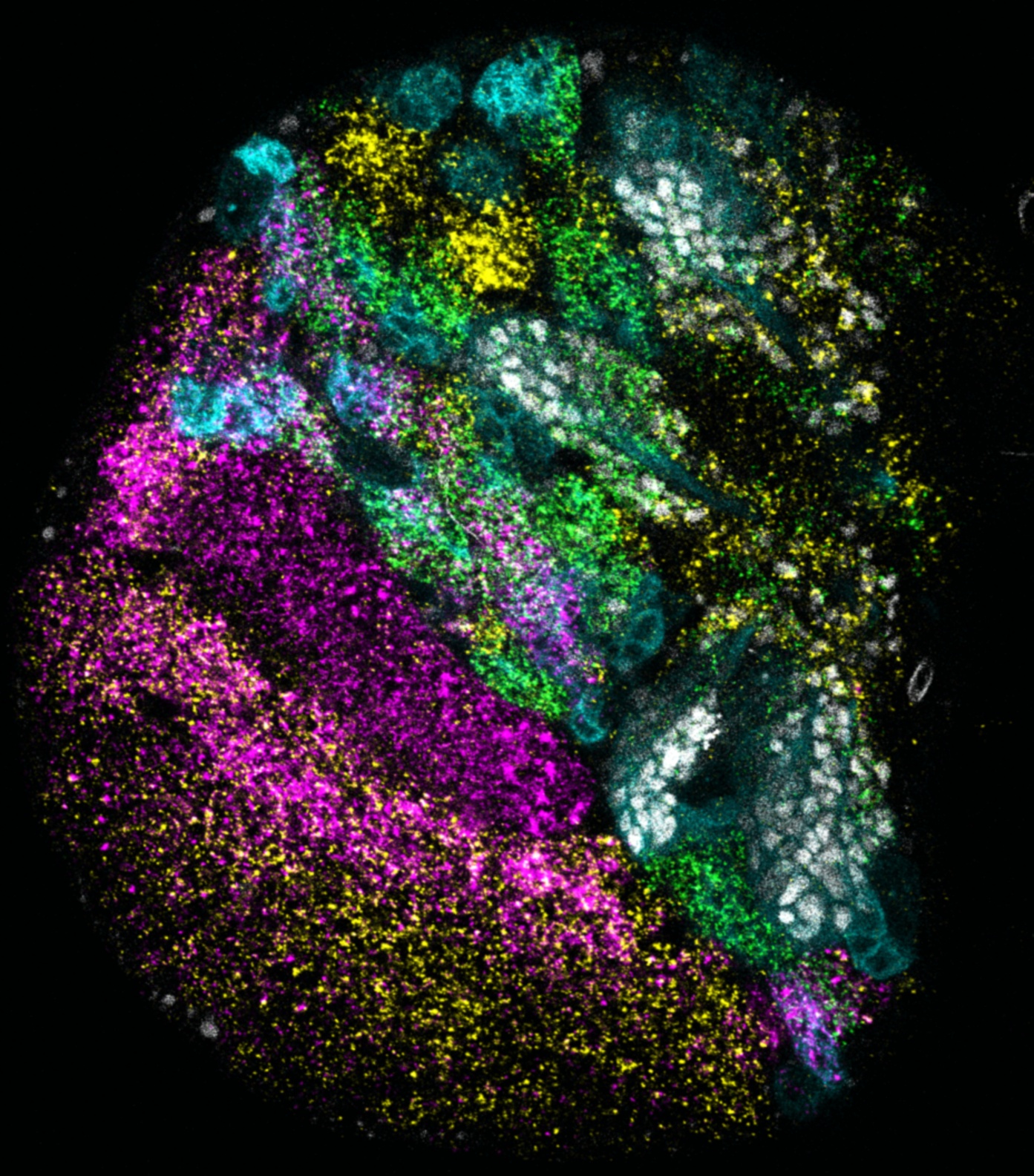
Dawen Cai, Ph.D., is an Associate Professor at the University of Michigan Medical School in the Department of Cell and Developmental Biology , with a secondary affiliation in the Biophysics Department under the College of Literature, Science, and the Arts (LS&A). He is also affiliated with the Neuroscience Graduate Program at the Medical School. His research focuses on integrating computational and experimental approaches to study neuronal subtype determination using scRNA-seq and in situ analysis. His research explores the intersection of RNA biology, neuroscience, and bioinformatics. He develops tools for multispectral imaging and lineage tracing to decode neural development and connectivity in Drosophila and mammalian models. His work combines single-cell transcriptomics with advanced microscopy to identify marker genes and model neuronal architecture. The articles reflect a strong interdisciplinary focus on neuroscience and biomedical imaging. Recent publications highlight innovations in 3D imaging technologies, image compression algorithms, and machine learning applications for medical image segmentation. These works emphasize scalable solutions for high-resolution data analysis, advancing tools for neurophysiology, and leveraging RNA sequencing to map neural development. No scientific awards were explicitly mentioned in the text. Dawen Cai actively recruits PhD students and postdoctoral fellows for the Cai Lab, prioritizing candidates with wet-lab skills, bioinformatics expertise, and experience in quantitative image processing. His lab emphasizes training in interdisciplinary research, paper/grant writing, and critical thinking.
Brantley Hall is an Assistant Professor of Cell Biology and Molecular Genetics at the University of Maryland with an appointment in the University of Maryland Institute for Advanced Computer Studies. He leads research at the intersection of computational biology, microbiome science, and human health through his position at the Center for Bioinformatics and Computational Biology and the Center of Excellence in Microbiome Sciences. His educational background includes a Ph.D. in Genetics, Bioinformatics and Computational Biology from Virginia Tech (2016) followed by postdoctoral training at The Broad Institute of Harvard and MIT (2016-2020). Hall's research focuses on understanding gut microbiome genes and their impact on human health. His lab studies the human gut microbiome with the specific goal of identifying bacterial genes underlying health-relevant functions. His work aims to develop methods for measuring microbial functions and improving health outcomes through microbiome modulation. His research spans computational biology, microbial genetics, and host-microbe metabolic interactions, with particular emphasis on bacterial enzymes involved in bilirubin reduction, steroid hormone metabolism, and alternative sweetener utilization. Analysis of Hall's recent publications reveals a strong focus on gut microbial enzymes and their roles in human metabolism. His work consistently connects microbial functions to human health conditions including metabolic disorders, cancer, and inflammatory conditions. The research demonstrates how gut bacteria metabolize compounds ranging from bilirubin to steroid hormones to alternative sweeteners, revealing previously unknown microbial pathways with significant health implications. $3.5M in Federal Funding for Innovative Gut Microbiome Research Hall's research has been supported by significant federal funding, including a $3.5 million grant for innovative gut microbiome research. His work bridges computational and experimental approaches to microbiome science, with applications spanning from basic microbial genetics to potential clinical interventions. The Hall lab employs a combination of bioinformatics, molecular biology, and microbial genomics to uncover novel microbial functions within the human gut ecosystem. The Hall lab operates at the intersection of computational biology and experimental microbiology, leveraging the resources of the Center for Bioinformatics and Computational Biology and the Center of Excellence in Microbiome Sciences at the University of Maryland. His research program integrates computational analysis with laboratory validation to identify and characterize microbial genes and pathways with relevance to human health.
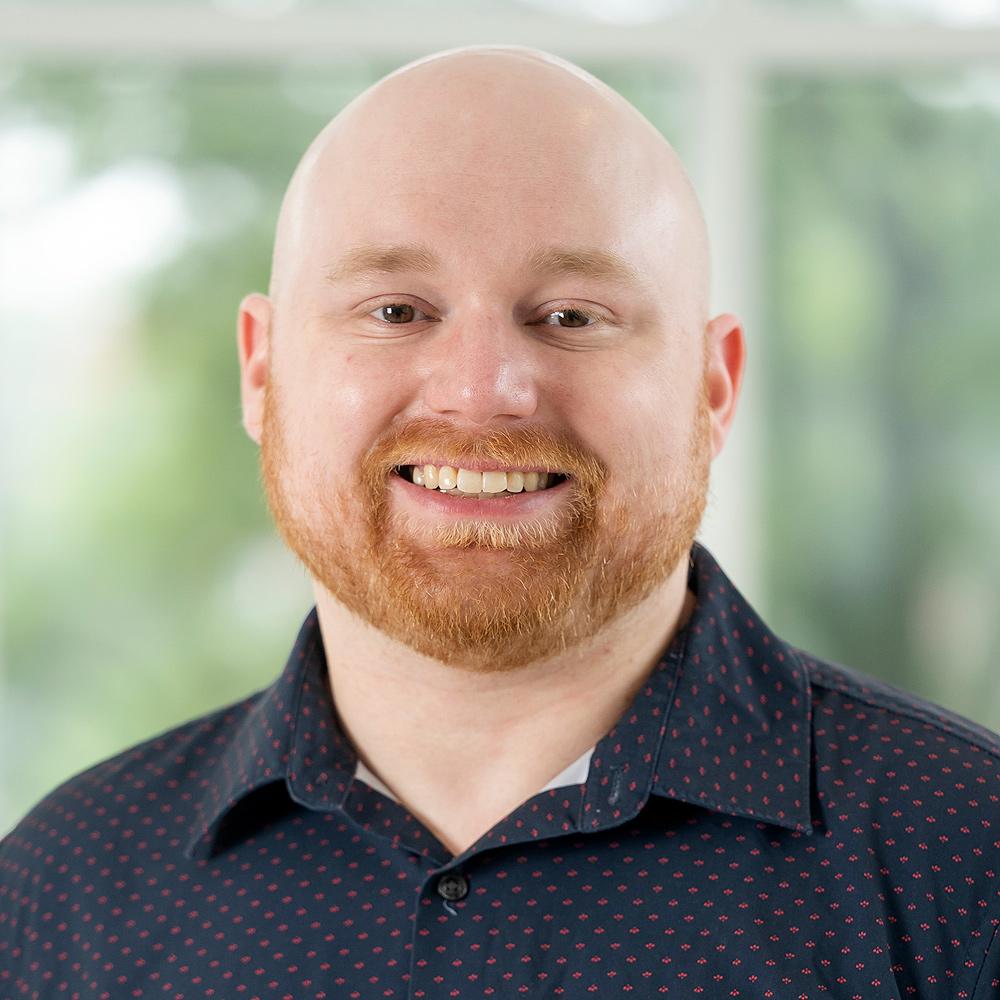
Gürkan Bebek is an Assistant Professor at Case Western Reserve University with cross-departmental affiliations: Department of Nutrition, School of Medicine Center for Proteomics and Bioinformatics, School of Medicine Department of Computer and Data Sciences, Case School of Engineering Gürkan Bebek specializes in bioinformatics analysis of complex biological networks, focusing on precision medicine for cancer and systems biology of Alzheimer's disease. His research explores Shared mechanisms in COPD and lung cancer Causal regulatory network inference Functional subgraph mining in cancer Proteomic differences in Alzheimer's progression Notch signaling in glioma stem cells as reflected in his publications spanning 2007-2025. Key collaborative networks include Alzheimer's disease proteomics with Miyagi Lab Glioblastoma research with Yu/Man/Bao teams Breast cancer metastasis studies with Keri Lab Network biology methodologies with Chance/Koyutürk groups
Charles Bond is a Professor at the School of Molecular Sciences within the Faculty of Science at the University of Western Australia. With a PhD in Chemistry from the University of Manchester and additional training from the Australian Institute of Company Directors, he has established himself as a prominent researcher in structural biology and molecular interactions. Education: PhD in Chemistry, University of Manchester (1992-1996) Graduate, Australian Institute of Company Directors (2022) Bond's research focuses on understanding how the spatial arrangement of biological molecules in complexes dictates their function, with particular interest in protein:nucleic acid interactions and their roles in gene regulatory complexes in eukaryotes. His work combines expertise in crystallography, bioinformatics, biochemistry, and molecular biology, often through collaborations with experts in cell biology and other biophysical techniques. His research spans structural biology, molecular recognition, RNA-binding proteins, and the development of synthetic biology tools. Analysis of his recent publications reveals a strong emphasis on protein-nucleic acid interactions, structural dynamics of biomolecular complexes, and the application of structural biology to solve biological problems. His work increasingly incorporates computational approaches, including contributions to discussions about AlphaFold's impact on structural biology. He has made significant contributions to understanding pentatricopeptide repeat proteins, paraspeckle formation, and bacterial conjugation mechanisms. As an active member of the scientific community, Bond serves as a co-editor for Acta Crystallographica Section D and has reviewed for multiple high-impact journals including Nature Communications, Biochemistry, and The Plant Cell. His research has been supported by funding from the Marsden Fund for projects investigating molecular circuits and gene expression. Bond maintains an active laboratory focused on structural biology approaches to understand molecular interactions, with particular emphasis on protein-RNA complexes and their roles in cellular processes. His collaborative approach has led to productive partnerships across multiple disciplines, bridging structural biology with cell biology, biochemistry, and agricultural science.
Prasad Tetali is a Regents' Professor at the Georgia Institute of Technology , with appointments in both the School of Mathematics and the School of Computer Science . He also holds an adjunct professor position at Emory University's Mathematics and Computer Science departments. Education: PhD in Mathematics (1991) from the Courant Institute of Mathematical Sciences at NYU; MS in Mathematics (1987) from the Indian Institute of Science; Postdoc at AT&T Bell Labs His research spans Discrete Mathematics, Probability Theory, and Theoretical Computer Science , focusing on Markov chains, Isoperimetry, Combinatorics, Computational number theory, and Algorithms. Recent work includes applications to statistical physics models and hypergraph structures. He has served as Director of the ACO Ph.D. Program since 2019 and held leadership roles like Interim Chair of the School of Mathematics. His publications reflect a blend of discrete geometry, stochastic processes, and algorithmic analysis . Key Honors: AMS Fellow (2012) SIAM Fellow (2009)
Dr. Zeynep Erson Omay serves as an Assistant Professor in the Department of Neurosurgery and Biomedical Informatics & Data Science at Yale School of Medicine. Her work bridges computational biology with neurosurgical oncology, focusing on precision medicine applications for brain tumors, with particular emphasis on understanding tumor heterogeneity and molecular mechanisms of CNS tumors. Dr. Erson Omay's educational background includes: PhD in Computer Science from Case Western Reserve University (2011) MS in Computer Science from Bilkent University (2005) BS in Computer Science from Bilkent University (2003) Her research focuses on computational analysis of multi-omic datasets to understand tumor heterogeneity, particularly in central nervous system tumors. Dr. Erson Omay specializes in genomic, transcriptomic, and epigenetic profiling of brain tumors, with emphasis on meningiomas, glioblastomas, and rare CNS tumor subtypes. She leads the Erson Lab, which develops bioinformatics approaches to study large datasets and reveal molecular mechanisms in tumor formation, progression, and clinical outlier subgroups. Her work in precision medicine aims to decipher the molecular architecture of individual tumors to guide personalized treatment approaches, with significant contributions to understanding tumor ecosystems and evolutionary patterns in brain cancers. Dr. Erson Omay's scientific contributions span neuro-oncology, computational biology, and precision medicine, with a strong emphasis on translating genomic findings into clinical applications. Her publications demonstrate consistent innovation in applying computational methods to complex neurosurgical problems, with particular focus on tumor heterogeneity, molecular classification, and racial disparities in tumor genomics. Her notable scientific awards include: 10x Genomics 2021 Pilot Award (2022) Mission Bio Tapestri Grant (2022) Case Western Reserve University, Research ShowCASE-Best Poster Award (2007) Dr. Erson Omay actively mentors students and researchers at various levels, including undergraduate students, graduate students, postdocs, and postgraduate associates. She collaborates extensively within Yale's neurosurgery department and across disciplines to advance computational approaches to brain tumor research. Her work is supported by various grants that enable the development of novel bioinformatics platforms for tumor genomic characterization. She leads the Erson Lab, which focuses on three major research areas: Tumor Ecosystem (studying interactions among tumor and immune cells), Tumor Evolution and Heterogeneity (understanding temporal and spatial tumor evolution), and Precision Medicine (applying genomic techniques to personalize brain tumor treatment). The lab employs diverse omics technologies to explore brain tumor biology and develop computational methods for precision medicine applications.
Nelly Pante is a Professor in the Department of Zoology at the University of British Columbia, Faculty of Science. Her research focuses on nucleocytoplasmic transport, particularly the nuclear import of viral genomes and the molecular characterization of nuclear pore complexes (NPCs). Education: Ph.D. from Brandeis University; M.Sc. from The Venezuelan Institute for Scientific Research (IVIC); B.Sc. (Hons.) from Simon Bolivar University Research highlights include: Investigating bidirectional macromolecular transport through NPCs using cellular and molecular techniques, fluorescence, and electron microscopy Studying viral nuclear import of Influenza A, Hepatitis B, baculoviruses, and parvoviruses to develop antiviral strategies Developing the Xenopus oocyte model system for high-resolution nuclear transport studies Structural analysis of nucleoporins like Nup153 and Nup358/RanBP2 in NPC architecture Her lab employs advanced imaging methods and has contributed to understanding how viruses exploit nuclear transport mechanisms and how NPCs maintain cellular function in health and disease. Contact: pante@zoology.ubc.ca
Julie Champion is the William R. McLain Endowed Term Professor in the School of Chemical and Biomolecular Engineering at Georgia Institute of Technology. She holds a Ph.D. in Chemical Engineering from the University of California Santa Barbara and completed NIH postdoctoral training at Caltech. As Faculty and Associate Chair for Graduate Studies, her work spans protein engineering , nanostructured biomaterials , and biocatalysis applications . Education: B.S.E. (University of Michigan), Ph.D. (UC Santa Barbara), NIH Postdoc (Caltech) Her research focuses on creating self-assembled protein nanomaterials for immunotherapy , cancer treatment , and industrial biocatalysis . Key projects include: Thermoresponsive protein nanosheets pH-sensitive vesicles for drug delivery Enzyme-immobilizing protein-inorganic hybrids Hexameric antibody delivery nanocarriers AvrA-based anti-inflammatory therapies Universal subunit vaccines via nanoparticle platforms Scientific recognition includes: Fellow, American Institute for Medical and Biological Engineering (2021) ACS Women Chemists Rising Star Award (2021) Georgia Tech BioEngineering Outstanding Advisor Award (2014) NSF BRIGE Award NIH Postdoctoral Fellowship NSF Graduate Fellowship Her lab at the Engineered Biosystems Building hosts ongoing outreach initiatives like the TEC Camp for middle school girls and Project ENGAGES for high school research mentorship.
Erchan Aptoula is a Professor of Computer Science at Sabanci University's Faculty of Engineering and Natural Sciences in Istanbul, Türkiye. He is affiliated with the Computer Vision and Pattern Analysis Laboratory (VPALab) and actively conducts research in digital image analysis, computer vision, and deep learning with a focus on remote sensing and (bio)medical data. University: Sabanci University School: Faculty of Engineering and Natural Sciences Academic Rank: Professor Email: erchan.aptoula@sabanciuniv.edu His research interests span domain generalization for remote sensing, explainable AI, medical image analysis, and precision agriculture applications. Recent work includes advancements in open-set domain generalization for hyperspectral classification, pollen classification with novel datasets, and domain adaptation techniques for SAR flood segmentation. Scientific contributions include 15+ recent publications addressing domain generalization, semantic segmentation, and uncertainty quantification in remote sensing and medical imaging. Awards include 2nd place at IEEE SIU'25 student paper awards. Projects involve international collaborations with institutions in Tunisia, Finland, and the UK, focusing on medical image understanding, crowd counting, and Ottoman document analysis.
Philip Romero, Ph.D., is an Associate Professor in the Department of Biomedical Engineering at Duke University. He earned his doctorate from the California Institute of Technology in 2012 and leads the Romero Lab, which relocated to Duke in 2023. His research focuses on developing computational and experimental methods for protein engineering, with applications spanning therapeutics, biocatalysis, and synthetic biology. Research Interests: Romero's work integrates machine learning, microfluidics, and high-throughput experimentation to study protein fitness landscapes. Key areas include: Self-driving laboratories for autonomous protein optimization Neural network models for predicting protein functions Therapeutic enzyme engineering (ACE2, caspases, lysins) Microfluidic platforms for deep mutational scanning His recent publications demonstrate a strong emphasis on machine learning-guided protein design, with 80% of post-2022 publications involving AI/ML methods. Therapeutic applications against infectious diseases (particularly SARS-CoV-2) and microbiome engineering represent emerging directions. Lab & Advising: The Romero Lab develops novel technologies for protein engineering, including custom gene library assembly platforms and droplet microfluidics systems. Romero mentors graduate students (e.g., Nishit, who recently defended a thesis on transcription factor engineering) and has collaborated with researchers across computational biology, metabolic engineering, and virology.
Angela Depace is an Assistant Professor at Harvard Medical School, specializing in Gene Regulation , Cis-Regulatory Elements , and Quantitative Developmental Biology . Her research integrates experimental and computational approaches to study how transcription factors and enhancer sequences control gene expression in Drosophila embryos, with implications for evolutionary biology and synthetic biology . B.S., Molecular Biophysics and Biochemistry, Yale University Ph.D., Biochemistry, University of California, San Francisco (advisor: Jonathan Weissman) Postdoctoral Research, University of California, Berkeley (advisor: Michael Eisen) Her work focuses on unraveling the kinetic roles of transcriptional activators , the evolution of regulatory sequences , and the computational modeling of gene networks . Recent publications explore mechanistic principles of enhancer function , transcriptional synergy , and developmental precision . Scientific contributions include the NSF CAREER Award and co-authoring Visual Strategies: A Practical Guide to Graphics for Scientists and Engineers . Her lab emphasizes collaborative research , mentoring , and innovative teaching in systems biology graduate courses.
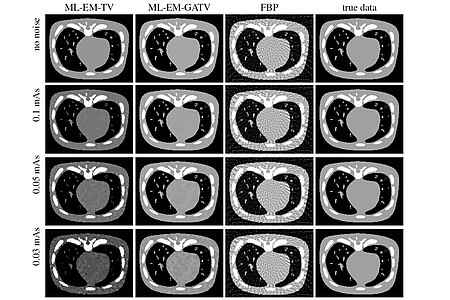
Jürgen Hesser is a Professor at the Mannheim Medical Faculty , Heidelberg University, specializing in Experimental Radiotherapy and Medical Imaging . His research focuses on solving inverse problems in imaging, particularly for CT reconstruction , brachytherapy planning , and low-dose imaging . Current affiliations: Clinic for Radiotherapy and Radiooncology, Mannheim University Hospital Collaborative ties: Interdisciplinary Center for Scientific Computing (IWR) and Center for Bioinformatics (ZITI) at Heidelberg University Research interests center on anisotropic total variation techniques for medical and industrial applications, including MR-guided interventions and real-time radiation therapy . His work has led to a 1000x speed improvement in brachytherapy planning algorithms. Recent publications highlight expertise in image reconstruction (CT/X-ray), noise optimization , machine learning for cancer classification, and big data management solutions. His methods are applied to both clinical and industrial imaging challenges. Additional contributions include scientific data infrastructure development and variance stabilization techniques for medical sensors. The research group maintains strong interdisciplinary links with Physics, Mathematics, and Computer Science faculties.
Robert Hutkins serves as the Khem Shahani Professor in Food Science and Technology at the University of Nebraska-Lincoln, where he is affiliated with the Department of Food Science and Technology. His research program centers on the microbiological aspects of food systems with direct implications for human health, particularly through probiotic and prebiotic interventions. Hutkins' research spans food microbiology, gut microbiome dynamics, and fermented food ecosystems. He investigates how dietary components—especially live microbes and prebiotic fibers—modulate gut microbial communities and influence health outcomes. Key projects include clinical trials on probiotics for lactose intolerance, development of antimicrobial food packaging using essential oils, and classification frameworks for prebiotic compounds. His work bridges fundamental microbial ecology with practical applications in functional food development. Analysis of his 15 most recent publications (2022-2025) reveals three dominant trends: 1) Clinical validation of probiotic strains for digestive health conditions, 2) Mechanistic studies on prebiotic-microbe interactions using in vitro and genomic approaches, and 3) Population-level assessments of live microbe consumption through NHANES data. His leadership in ISAPP consensus statements on prebiotics and synbiotics demonstrates his role in shaping scientific standards for the field. Current work increasingly focuses on personalized nutrition strategies based on individual microbiome responses to dietary interventions.
David T. Lodowski is an active Assistant Professor at Case Western Reserve University School of Medicine holding multiple appointments across the Department of Nutrition, Center for Proteomics and Bioinformatics, and Department of Pharmacology. He also serves as Director of the Biomedical Sciences Training Program. His laboratory focuses on elucidating the structural mechanisms of G protein-coupled receptors (GPCRs) and related signaling pathways using advanced structural biology techniques. Dr. Lodowski completed his BS in cellular and molecular biology from Tulane University in 1998, followed by a PhD in Biochemistry from the University of Texas at Austin in 2005. He then completed a postdoctoral fellowship in the Palczewski Laboratory at Case Western Reserve University from 2005-2011, where he examined structural changes in bovine rhodopsin during photoactivation and GPCR activation. His research primarily centers on GPCR signaling dynamics, utilizing X-ray crystallography, electron microscopy, and structural mass spectrometry to study macromolecular complexes. Additional research projects include developing biosensors for markers of hypoxia and fatigue, and investigating aquaporins as membrane gas channels. Dr. Lodowski teaches SYBB 501 Systems Biology & Bioinformatics Journal Club and CBIO 455 Molecular Biology I courses. Analysis of his recent publications shows a strong focus on structural biology of membrane proteins, particularly GPCRs and ion channels, with increasing emphasis on protein footprinting techniques and biosensor development. His work bridges structural biology with physiological applications, demonstrating translational potential in understanding cellular signaling pathways. Awards and Honors: Mt. Sinai Scholar (2012) Current Funding: Biosis AFRL as associate project lead since July 15, 2020. Dr. Lodowski has mentored students through the Biomedical Sciences Training Program which he directs. His laboratory has determined numerous protein structures (including IDs 5HI9, 4X1H, 4YEU, and others) related to GPCR signaling pathways. His research team employs a multidisciplinary approach combining structural biology, biophysics, and biochemistry to investigate the molecular mechanisms underlying GPCR activation and signaling, with implications for understanding numerous physiological processes and developing targeted therapeutics.