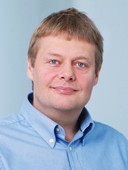
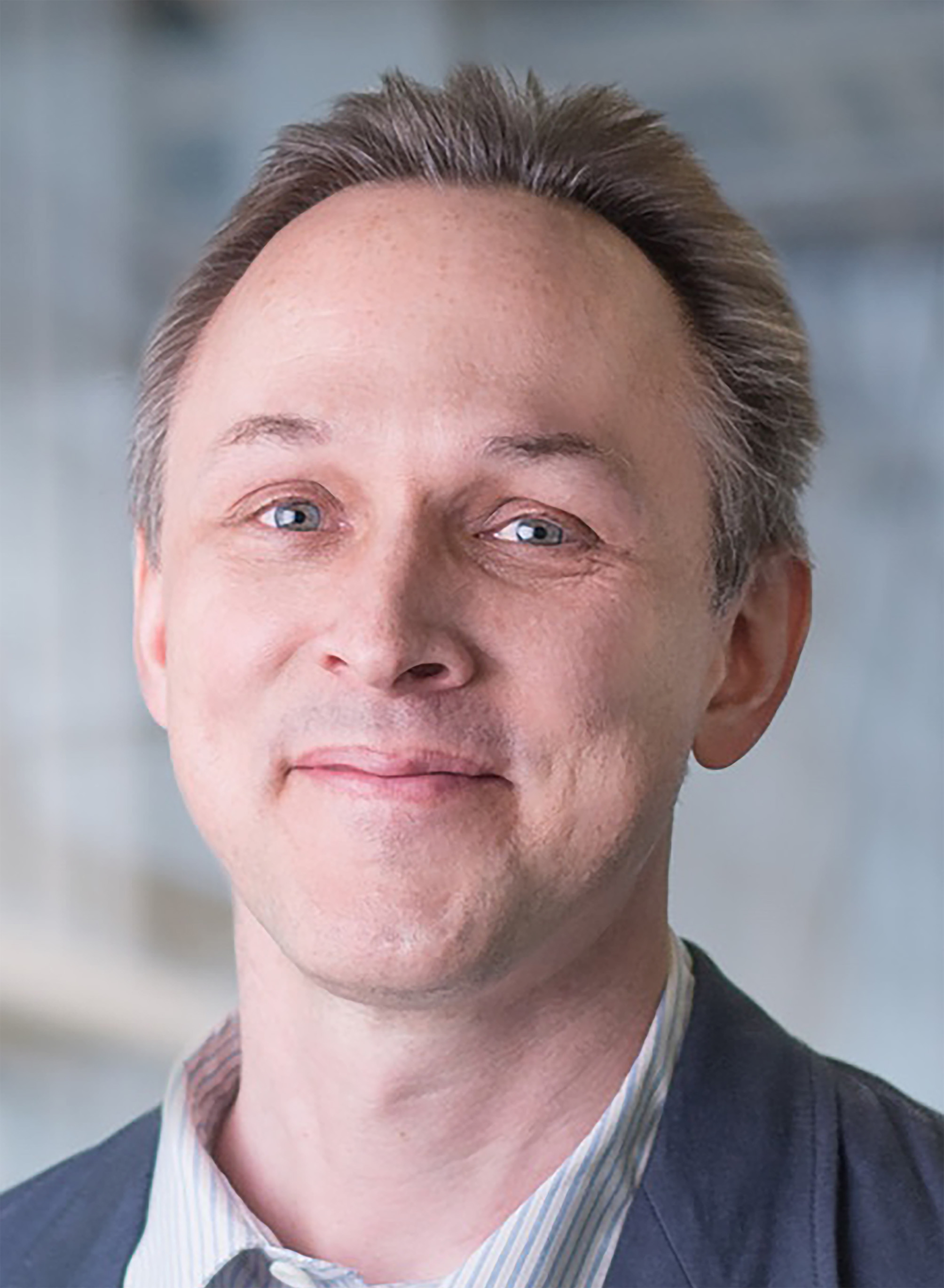
Dr. Vakil Takhaveev is a Lecturer at ETH Zurich's Department of Health Sciences and Technology, within the Institute of Food, Nutrition and Health. His research focuses on DNA damage mechanisms, aging, cancer, and neurodegeneration, with particular emphasis on developing novel DNA-damage-sequencing methods like click-code-seq and TRABI-Seq . He investigates anticancer drug action (e.g., trabectedin), aging clocks using DNA oxidation profiling, and stress-induced carcinogenesis. His work integrates multi-omics approaches and advanced sequencing techniques. Research Directions: Novel DNA-Damage-Sequencing Methods: Developed click-code-seq and TRABI-Seq for genomic mapping of DNA lesions and repair dynamics. Anticancer Drug Action: Explored mechanisms of trabectedin and other chemotherapeutics, linking DNA repair vulnerabilities to therapy resistance. Aging Clocks: Created DNA oxidation-based biomarkers for biological aging using genome-wide profiling in human and mouse models. Stress-Induced Pathologies: Studies metabolic and DNA damage links to early tumorigenesis and neurodegeneration. Awards & Recognition: 2025 Public Award Winner in PIs of Tomorrow competition 2024 ETH Zurich Career Seed Award Best presentation awards (Swiss Chemical Society, American Chemical Society) Grants & Collaborations: Impetus grants for aging clock development Swiss Chemical Society and American Chemical Society fellowships Labs & Teams: Leads research on DNA damage and aging mechanisms at ETH Zurich, collaborating with international groups in oncology and toxicology.
Prof. Dr. Sven Panke is a Full Professor and Head of the Department of Biosystems Science and Engineering at ETH Zürich. His research focuses on bioprocess engineering, synthetic biology, and enzymatic process development. Key areas include miniaturized bioreactor systems, microbial engineering for novel metabolite production, and high-throughput screening methodologies. Education: Studied Biotechnology at TU Braunschweig, with postgraduate research at the German National Research Center for Biotechnology and ETH Zurich. Transitioned from industry (DSM) to academia in 2001 as an Assistant Professor, progressing to Associate Professor (2007-2009) before leading the BSS department. Research interests emphasize directed evolution of enzymes, metabolic pathway engineering, and systems biology approaches to optimize microbial production systems. Current projects include bio-indigo synthesis, antimicrobial peptide discovery, and synthetic biology tools for cellular engineering. Labs/Teams: Leads the Bioprocess Engineering Lab at ETH Zurich, collaborating on projects like the E. coli import system design and γ-glutamyltransferase engineering. Active in developing microfluidics platforms for parallel reaction analysis. Grants/Advising: Funded by initiatives in sustainable biomanufacturing and synthetic biology. Supervises graduate students in bioprocess design and microbial systems engineering.
Prof. Dr. Laura Nyström is a Full Professor of Food Biochemistry at ETH Zurich's Department of Health Sciences and Technology (D-HEST), part of the Institute of Food, Nutrition and Health (IFNH). She leads a research group focused on sustainable food systems, dietary fiber mechanisms, and plant-based material utilization. Her career includes tenure as Assistant Professor (2009–2016) and Associate Professor (2016–2021) before her promotion to Full Professor in 2022. She also chairs the D-HEST department since 2022. Education: MSc (2002) and DSc (2008) in Food Sciences from the University of Helsinki, Finland. Postdoctoral research (2008–2009) in Cereal Technology at the same institution. Research Interests: Healthy and sustainable foods via plant-based materials Health-promoting dietary fiber interactions Genetic diversity of grains and crop utilization Antioxidant extraction from olive mill waste (co-founding Gaia Technologies GmbH) Development of analytical methods for food chemistry Scientific Contributions: Over 70 publications, 3 book chapters, and 2 patents ERC Starting Grant (2015), AOCS Young Scientist Award (2017), and ETH Zurich Leadership Award (2018) Advising & Innovation: Guided interdisciplinary research teams on food chemistry and sustainability Co-developed industrial partnerships for food waste valorization Labs & Initiatives: EPNOE (European Polysaccharide Network) collaborations HealthFerm citizen science project on sourdough fermentation
Wilfried Andlauer is a Professor at the Institute of Life Sciences within HES-SO Valais-Wallis School of Engineering. His research focuses on bioactive compounds , non-thermal food processing , and bioavailability studies , particularly in agricultural by-products like grape cane, walnut press cake, and Spirulina algae. He has developed advanced methods for solid-state fermentation , cold plasma decontamination , and bioactives fingerprinting . Key projects include optimizing microwave-assisted extraction for stilbenoids, analyzing iron absorption from insect flour , and developing microfluidic antioxidant assays . His work integrates nutraceutical research with practical applications in food safety and sustainable processing . Collaborations span Switzerland and Asia , with expertise in analytical chemistry and bioprocessing .
Manfred Zinn serves as a Professor at the University of Applied Sciences and Arts Western Switzerland (HES-SO), specifically within the School of Chemistry and Life Sciences. He leads the Biotechnology and Sustainable Chemistry research group at the Life Science Engineering department in Sion, Switzerland. His academic position includes significant research leadership responsibilities and active contributions to the field of bioplastics and sustainable materials. Professor Zinn's research focuses primarily on biotechnology applications for sustainable materials, with particular expertise in polyhydroxyalkanoates (PHAs) and other bioplastics. His work spans microbial biosynthesis, material characterization, and industrial applications of biodegradable polymers. He investigates the metabolic pathways of PHA-producing microorganisms, develops novel analytical methods for biopolymer characterization, and explores practical applications of bioplastics in medical and industrial contexts. His research integrates microbiology, polymer chemistry, and process engineering to address challenges in sustainable materials development. Analysis of his recent publications (2019-2024) reveals a strong focus on advancing the science and technology of bioplastics, particularly polyhydroxyalkanoates. His work addresses key challenges in monomer composition control, polymer characterization, biosynthesis optimization, and industrial applications. A significant trend in his research involves developing sophisticated analytical methods for biopolymer production monitoring and exploring novel applications for biodegradable materials in medical and industrial contexts. His collaborative work spans multiple countries and institutions, reflecting the international nature of bioplastics research. Professor Zinn has secured significant research funding through multiple competitive grants, including Innosuisse and Swiss National Science Foundation projects. His research portfolio includes projects on biosynthesis of Chlorella, electroplating processes for biodegradable materials, and online flow cytometry analysis for microbial bioplastic production. These projects demonstrate his ability to secure funding for interdisciplinary research at the intersection of biotechnology, materials science, and sustainable chemistry. His collaborations extend to institutions including the Frauenhofer Institute and Chulalongkorn University in Bangkok. The Biotechnology and Sustainable Chemistry research group led by Professor Zinn maintains strong laboratory facilities for microbial cultivation, biopolymer synthesis and characterization. The group utilizes advanced equipment including bioreactors, flow cytometry systems, and polymer analysis instrumentation. Their research bridges fundamental science with practical applications, focusing on developing sustainable alternatives to conventional plastics while addressing technical challenges in production, characterization, and implementation.
Professor Jeffrey W. Bode serves as Full Professor at the Department of Chemistry and Applied Biosciences at ETH Zurich, Switzerland, and maintains a secondary affiliation with the Institute of Transformative Biomolecules at Nagoya University, Japan. His internationally recognized research laboratory develops novel chemical reactions that operate under physiological conditions, bridging synthetic organic chemistry with biological applications. The Bode Research Group specializes in creating chemical methodologies that function in water and biological environments, including proteins, cells, and tissues. Their major research thrusts include acylboronate chemistry (particularly potassium acyltrifluoroborates or KATs), protein synthesis through ketoacid-hydroxylamine (KAHA) ligation, synthetic fermentation for drug discovery, and SnAP chemistry for N-heterocycle synthesis. These innovations enable applications in wound healing, drug delivery, cellular encapsulation, and artificial tissue development. The group's work on chemoselective ligation reactions has fundamentally advanced amide bond formation without traditional coupling reagents. Recent publications demonstrate a strong trajectory toward automated synthesis platforms, protein engineering, advanced bioconjugation techniques, and applications in chemical biology. The group has successfully commercialized SnAP chemistry through Sigma Aldrich and developed KAHA ligation into a robust method for synthesizing large proteins. Their research consistently focuses on creating molecules inaccessible through existing technologies, with particular emphasis on physiological compatibility and biological relevance. Professor Bode leads an international research team of approximately thirty PhD students and postdoctoral researchers from twenty different countries. The Bode Research Group maintains extensive collaborations across disciplines, contributing significantly to chemical biology, medicinal chemistry, and materials science. Their laboratory is equipped with advanced automation platforms for organic synthesis and maintains strong connections with pharmaceutical and biotechnology industries for translational applications of their chemical methodologies.
Prof. Irene Chetschik leads the Research Group for Food Chemistry at ZHAW School of Life Sciences and Facility Management. Her work focuses on food chemistry, particularly cocoa processing, mycotoxin mitigation, and flavor analysis. She has spearheaded projects like the 'Decoding of Flavour Properties of Cocoa Liquors' and 'Upcycling of Wheat Harvest Losses'. Key research areas include aroma compound identification in chocolate, detoxification strategies for mycotoxins (e.g., zearalenone), and innovative post-harvest treatments for cocoa beans. Her expertise spans food safety, plant-based product development, and microbial biotechnology. Notable contributions include studies on cocoa fermentation dynamics, moisture incubation alternatives, and hemp's potential in food systems. She has published widely in journals like Journal of Agricultural and Food Chemistry and Food Research International , with a focus on sensory-driven improvements and sustainable food technologies. Research Group Leadership: Head of Food Chemistry Research Group Project Leadership: 12+ projects including detoxification strategies, cocoa innovation, and hemp analysis Publications highlight molecular approaches to flavor profiling and mycotoxin reduction, emphasizing interdisciplinary methods like GC-MS and molecular networking. Her work bridges agricultural science with industrial applications, aiming to enhance food quality and safety globally.
Dr. Anna Greppi is a Lecturer at the Department of Health Sciences and Technology, ETH Zürich, affiliated with the Institute of Food, Nutrition and Health (IFNH). Her research focuses on gut microbiota dynamics, microbial interactions in fermented foods, and the role of vitamins in human and animal health. Key areas include folate and B12 metabolism, probiotic applications, and food innovation through microbial biodiversity. Publications highlight in vitro fermentation studies, microbial community analysis, and functional impacts of dietary components on microbiota. Notable works explore the metabolic roles of gut bacteria in vitamin production and detoxification processes. Dr. Greppi collaborates on projects addressing global nutrition challenges, such as African micronutrient deficiencies via biofortification. Her work bridges fundamental microbiology with applied food science and public health. Labs/Teams: Active in the Lacroix Group (ETH) and collaborates with international teams on food microbiology and gut health initiatives.
Imre Blank serves as a Lecturer in the Department of Chemistry and Chemical Engineering at École Polytechnique Fédérale de Lausanne (EPFL), affiliated with the School of Basic Sciences. His research focuses on food chemistry and flavor science, particularly investigating taste-active compounds, aroma perception mechanisms, and sensory evaluation of food products. His recent work explores umami taste perception through EEG-based brain rhythm analysis Computational modeling of taste peptides Multi-omics characterization of odorants in plant-based and traditional foods Mechanistic studies of saltiness enhancement by volatiles His publications emphasize analytical chemistry techniques like LC–MS and GC-IMS for flavor profiling. Current research trends examine the molecular dynamics of odorant release, biosensor development for taste detection, and sustainable flavor production inspired by natural processes. He also investigates the impact of processing conditions on coffee aroma formation and bitterness reduction.
Leo Meile is an Adjunct Professor at ETH Zurich's Department of Health Sciences and Technology, specializing in food biotechnology. His research encompasses food microbiology, fermentation technology, probiotic safety, and antimicrobial resistance in food systems. Research areas: Microbial ecology of fermented dairy products Biogenic amine formation in fermented foods Antifungal cultures for food preservation He has published extensively on traditional fermentation processes across Africa and Europe and contributed to safety assessments of dairy microorganisms. His work supports the ETH spin-off PharmaBiome.
Professor Zinn Manfred serves as a Professor HES Ordinaire and leads the Biotechnology and Sustainable Chemistry research group at HES-SO Valais-Wallis, specifically within the Haute Ecole d'Ingénierie (School of Engineering) in the Department of Chemistry and Life Sciences. His work focuses on developing sustainable biopolymer solutions with emphasis on biodegradable materials that can replace conventional plastics. Professor Zinn's primary research interests center around biotechnology and sustainable chemistry, particularly in the field of polyhydroxyalkanoates (PHA) and other bioplastics. His work spans microbial biosynthesis of biopolymers, process analytical technology for bioreactor monitoring, biocompatibility testing, and the development of sustainable production methods using renewable resources. His research addresses critical environmental challenges related to plastic pollution by developing biodegradable alternatives with applications in biomedical engineering, packaging, and other industrial sectors. He investigates both fundamental microbial metabolism and applied industrial scale-up challenges, working at the intersection of microbiology, polymer science, and process engineering. Analysis of Professor Zinn's publication record reveals a strong focus on advancing biodegradable polymer technology, particularly polyhydroxyalkanoates (PHA). His work spans fundamental research on microbial biosynthesis mechanisms, enzyme engineering for improved polymer production, and practical applications of bioplastics in industrial settings. A significant portion of his recent work addresses the challenges in scaling up bioplastic production and bringing these materials to market, including metallization techniques for biodegradable plastics, continuous production methods, and value chain analysis for commercialization. His research demonstrates an integrated approach that combines microbiology, polymer chemistry, and process engineering to develop sustainable materials solutions. Prime de soutien au montage de projets Innosuisse - projet "Biosynthesis of Chlorella" (2019-2024) FNS IZJFZ2_185638 / 1 Electroplating processes for biodegradable materials (2019-2023) ITV19socle_Online flow cytometry analysis of microbial bioplastic production (2019) BIOFLEX, HES-SO Interdisciplinary Programme (2013-2015) Professor Zinn has secured significant research funding from multiple sources including Innosuisse, the Swiss National Science Foundation (FNS), and internal HES-SO grants. His projects typically involve interdisciplinary collaboration with researchers across Switzerland and internationally, such as with the Frauenhofer Institute and Chulalongkorn University Bangkok. He has supervised numerous research projects focusing on bioplastic production, characterization, and application development. His laboratory, the Biotechnology and Sustainable Chemistry research group, employs advanced techniques including flow cytometry for bioprocess monitoring, bioreactor systems for microbial cultivation, and polymer characterization methods. The group actively develops methods for producing PHA from various carbon sources, including waste streams and synthesis gas, with applications ranging from medical devices to sustainable packaging solutions.
Kurt Eyer is a Lecturer at the Swiss Centre for Glycoengineering (SCGC) within the School of Basic Sciences at École Polytechnique Fédérale de Lausanne (EPFL). His work focuses on bioprocess engineering, particularly in recombinant protein production and impurity removal techniques. Department: Swiss Centre for Glycoengineering (SCGC) Teaching: Bioprocesses and downstream processing Research interests include: Bioprocess optimization for therapeutic proteins Advanced clarification techniques in biopharmaceutical manufacturing Industrial applications of microbial biotechnology Online monitoring systems for cell cultures Hybrid purification technologies Fermentation process development His publications (1992–2020) demonstrate expertise in: Chromatographic clarification methods DNA impurity mitigation Animal cell cultivation analytics Polysaccharide biosynthesis Mass spectrometry applications Continuous fermentation systems
Benoit Bach is a full Professor of Oenology at the School of Viticulture and Oenology, part of the Western Switzerland University of Applied Sciences (HES-SO) at Changins campus. His primary affiliation is with the Department of Oenology where he holds a main contract as a full professor. Bach leads numerous research projects focused on wine science and technology, with particular expertise in wine chemistry, microbiology, and sustainable production methods. BSc HES-SO in Viticulture and Oenology - Changins - High School of Viticulture and Oenology MSc HES-SO in Life Sciences - HES-SO Master Professor Bach's research spans multiple areas of wine science with particular emphasis on wine stabilization, microbial ecology in winemaking, and innovative technologies for wine production. His work explores the relationship between agricultural practices and microbial diversity, particularly focusing on how alternative fungicides impact grape microbiota and fermentation processes. Bach has developed significant expertise in membrane contactor technology for managing dissolved gases in wines, as well as in the bioprospecting of indigenous yeast strains for winemaking. Analysis of Professor Bach's recent publications reveals a strong trend toward sustainable winemaking practices, microbial ecology in wine production, and chemical analysis of wine components. His research particularly focuses on the application of innovative technologies like membrane contactors for gas management in wines, and the exploration of indigenous yeast strains for fermentation. There's also a consistent thread of research into alternative agricultural practices and their impact on wine quality and microbial diversity. Professor Bach has successfully secured substantial research funding from various sources including INTERREG, OFAG, and HES-SO Rectorat. His current and recent projects include Ecofass-Vin (200,000 CHF), Biodiferm (200,000 CHF), Prime Innosuisse-DYNAWINE (15,000 CHF), and the Development of bioprospecting tools for yeast microbiome (220,000 CHF). These projects demonstrate his ability to lead interdisciplinary research teams across multiple institutions. Bach leads or participates in multiple research teams across different projects, often collaborating with institutions like Agroscope, hepia, and academic partners in France. His work frequently involves interdisciplinary teams combining expertise in chemistry, microbiology, engineering, and sensory analysis. The Ecofass-Vin project team, for example, includes researchers from Switzerland and France working on sustainable wine distribution systems.
Dr. Amandine André is a researcher at the ZHAW School of Life Sciences and Facility Management, affiliated with the Research Group for Food Chemistry. Her work focuses on food chemistry, mycotoxin detoxification, and cocoa processing. She has led and collaborated on projects addressing cocoa flavor dynamics, hemp compound analysis, and strategies to reduce mycotoxins in grains. Notable roles include project leader for studies on bitter hemp extracts and upcycling wheat harvest losses. Her research spans topics like microbial reduction of zearalenone, depulping effects on cocoa fermentation, and ozone treatment impacts on fruits. She actively contributes to peer-reviewed journals and conferences, emphasizing analytical techniques like mass spectrometry and molecular networking. Her work bridges agricultural practices, food safety, and sensory science. Key projects include 'Fruit to Bar' for cocoa bean processing and 'CREATE' for pulses-based foods. She collaborates with institutions like the International Cocoa Research Symposium and ICC Conferences, advancing innovations in food processing and detoxification strategies.
Marc Bravin is a Lecturer at Lucerne University of Applied Sciences and Arts in the Lucerne School of Computer Science and Information Technology, affiliated with the Digital Business Lab. He is also the Co-Founder & CTO of Gopf AG since 2023. Bravin holds a PhD in AI and Business from the University of Lucerne, alongside Master and Bachelor degrees in Computer Science from Lucerne University of Applied Sciences and Arts, with an apprenticeship in Computer Science at Pilatus Aircraft Ltd. PhD in AI and Business, University of Lucerne Master of Science in Engineering, Lucerne University of Applied Sciences and Arts Bachelor of Science in Computer Science, Lucerne University of Applied Sciences and Arts Apprenticeship in Computer Science, Berufsbildungszentrum Sursee His research focuses on Data Science, Machine Learning, Computer Vision, NLP, Self-Supervised Learning, and Digital Marketing . Key projects include CIRRNET, Health Innovation Transfer Study, Recommender Systems for Food and Telecom, and AI-based Employer Attractivity Benchmarking. He has also contributed to innovative ventures like AI Ice Cream and automated beer recipe generation. His publications span topics such as social media trend analysis, AI creativity, and machine learning applications. Notable works include studies on TikTok content prototypicality and minimal hand pose estimation for touchable systems. Best Poster Video Award (2022) for 'Minimal Hand Pose Estimation' Best Paper in AMA Conference Track (2022) for work on social media creativity Bravin’s career includes roles as a Data Scientist, Research Associate, and Software Developer in firms like Jaywalker Digital AG and Pilatus Aircraft Ltd. He collaborates with industry partners such as Prepress Media AG and Betty Bossi, applying AI to real-world challenges. He leads the Digital Business Lab’s initiatives in AI-driven innovation and maintains active involvement in academic-industry partnerships through projects like the Health Innovation Transfer Study.