Konstantinos Anastassiadis is a Professor at the Center for Molecular and Cellular Bioengineering (CMCB) of Dresden University of Technology , leading the Stem Cell Engineering group at the Biotechnology Center (BIOTEC) . His research focuses on unraveling molecular pathways regulating stem cell self-renewal and lineage commitment, with a strong emphasis on genetic engineering tool development and epigenetic mechanisms during cellular reprogramming. The lab utilizes mouse and human embryonic stem cells, neural stem cells, mesenchymal stromal cells, and induced pluripotent stem cells (iPSCs) in their investigations. Core Research Areas: Molecular regulation of stem cell fate Epigenetic mechanisms (e.g., UTX/UTY histone demethylases) Genetic engineering tool development (Flp, Dre, Vika recombinases, CRISPR protocols) Conditional immortalization systems for rare cell expansion Publications highlight his contributions to understanding: Role of histone methyltransferases (MLL1, MLL2, Setd1b) in hematopoiesis and cancer Epigenetic regulation during mouse development and spermatogenesis Genetic tools for protein tagging, transposon-mediated BAC transgenesis Interactions between stem cells and niche microenvironments Transcriptional and mechanical markers during reprogramming Collaborations span immunology , developmental biology , and bioinformatics . The lab actively participates in teaching activities at CMCB and maintains a focus on translational applications of stem cell research.
Dr. Benedikt Aumeier is a Research Fellow and head of the working group "Advanced Water Treatment" at the Chair of Urban Water Management, Department of Civil, Geo and Environmental Engineering, TUM School of Engineering and Design at the Technical University of Munich since 2023. Previously, he served as a Post-Doc and Working Group Leader at the Institute of Urban Water Management, RWTH Aachen University from 2020-2023. Dr. Aumeier holds a Dr.-Ing. from the Chair of Chemical Process Engineering at RWTH Aachen University (2020), an M.Sc. in Management and Technology of Water and Wastewater from the University of Duisburg-Essen (2011-2013), and a B.Sc. in Chemical Engineering from the Technical University of Munich (2007-2011). His research focuses on advanced water treatment processes for direct and indirect water reuse, drinking water treatment, and wastewater treatment. Key areas include adsorption/sorption, membrane filtration, advanced oxidation processes, and disinfection. He investigates competitive adsorption in aqueous media, novel sorbent regeneration methods, membrane fouling countermeasures, and process modeling. His work addresses removal of persistent and mobile organic contaminants including PFAS, as well as microorganism elimination. Dr. Aumeier's publications demonstrate a strong trend toward addressing emerging water quality challenges, particularly concerning persistent organic pollutants and advanced treatment technologies. His research spans fundamental studies on adsorption mechanisms to practical applications for water reuse and decentralized treatment systems, with increasing focus on PFAS removal and compliance with regulatory frameworks. Mitglied im Fachausschuss "Persistente-Mobile-Toxische (PMT) Stoffe" der Wasserchemischen Gesellschaft, Gesellschaft Deutscher Chemiker (GDCh) Mitarbeit an DWA M1200 Teil 2 "Wasserwiederverwendung für landwirtschaftliche und urbane Zwecke in Deutschland" At TUM, Dr. Aumeier teaches courses including "Natural processing methods," "Advanced Water Treatment Engineering and Reuse," and "Industrial wastewater treatment and reuse," demonstrating his commitment to educating the next generation of water professionals. He leads the "Advanced Water Treatment" working group, which focuses on developing and applying innovative water treatment technologies to address contemporary water quality challenges under changing climate conditions.
Max Planck Institute for Molecular GeneticsGermany
Dr. Aydan Bulut-Karslıoğlu is a Research Group Leader at the Max Planck Institute for Molecular Genetics in Berlin, where she leads the Bulut-Karslıoğlu Lab focused on gene-environment interactions in stem cells and development. Her work has significantly advanced our understanding of embryonic diapause and stem cell state transitions. Dr. Bulut-Karslıoğlu's educational background includes: B.Sc. in Chemical Engineering (major) and Biology (minor) from Middle East Technical University, Ankara, Turkey (2006) M.Sc. in Molecular Biology and Genetics from Bilkent University, Ankara, Turkey (2008) Ph.D. from Max Planck Institute of Immunobiology and Epigenetics, Freiburg, Germany (2013) Her research focuses on mechanisms regulating stem cell state transitions and fate commitment, particularly how cells communicate signals from their surroundings to the gene expression machinery. She has pioneered work on mammalian embryonic diapause - a reversible dormant state that gives embryos extra time to develop. Her lab uses a combination of functional perturbation methods in stem cells and early mouse embryos with omics, imaging, and biochemistry to reveal how genetic networks adjust to the status of the embryo. Analysis of her recent publications reveals a strong focus on the epigenetic and metabolic regulation of embryonic diapause, with particular emphasis on mTOR signaling, lipid metabolism, and DNA methylation dynamics. Her work bridges developmental biology, stem cell research, and metabolism, demonstrating how environmental cues like oxygen levels and nutrient availability influence developmental timing and cell fate decisions. Her notable scientific achievements include: Sofja Kovalevskaja Award (2018) ERC Starting Grant (2023) ERC Proof of Concept Grant (2025) GSCN Young Investigator Award (2025) Dr. Bulut-Karslıoğlu actively mentors the next generation of scientists, currently supervising multiple PhD students including Persia Akbari-Omgba, Anastasios Balaskas, Heleen Mallie, and Gunwant Patil. Her lab has received substantial funding through prestigious grants, including the Sofja Kovalevskaja Award, ERC Starting Grant, and ERC Proof of Concept Grant, enabling her team to pursue innovative research at the intersection of developmental biology and metabolism. The Bulut-Karslıoğlu Lab maintains a vibrant research environment with both computational and experimental scientists working together to unravel the mysteries of embryonic diapause and stem cell regulation. The lab actively participates in the International Max Planck Research School for Biology And Computation (IMPRS-BAC), contributing to the training of doctoral candidates at the interface of molecular life sciences and computational sciences.
Thomas Höfer serves as Professor of Theoretical Systems Biology (W3) at Heidelberg University's Faculty of Biosciences and heads the Theoretical Systems Biology Division at the German Cancer Research Center (DKFZ). His work bridges mathematical modeling with experimental biology to decipher complex cellular processes. His research focuses on theoretical systems biology with emphasis on cancer evolution , hematopoietic stem cell dynamics , immune cell regulation , and transcriptional control mechanisms . Höfer's group develops quantitative frameworks to understand spatio-temporal organization in cellular signaling, particularly in glioblastoma progression, T-cell differentiation, and DNA repair processes. Analysis of his recent publications reveals a strong trend toward single-cell resolution modeling integrated with high-throughput experimental data , particularly in cancer heterogeneity and immune responses. His work frequently employs stochastic modeling and multi-scale approaches connecting molecular events to cellular phenotypes. Awards and recognitions include: Reinhart Heinrich Lecture (2011) Landahl Award from Society for Mathematical Biology (1994) Jowett Senior Scholar at Balliol College Oxford (1994-1996) Visiting professorship at École Normale Supérieur (2019/2020) Höfer coordinates major research consortia including the ERA CoSysMed OPTIMIZE-NB project optimizing neuroblastoma therapies and previously led the E:Bio ImmunoQuant consortium. His division at DKFZ collaborates extensively with experimental groups at BioQuant Center and within the CellNetworks Cluster of Excellence. He serves on editorial boards for Cell Systems and European Journal of Immunology , reflecting his interdisciplinary impact across computational biology and immunology.
Prof. Andreas Hotz serves as Music Director of the Opera School at the University of Music Würzburg since the summer semester of 2021. He is recognized as one of the outstanding conductors of his generation with an impressive career spanning major opera houses and orchestras across Europe and beyond. His professional trajectory includes: General Music Director at Theater Osnabrück (2012/2013 season onwards) First Kapellmeister at Staatstheater Mainz and Pfalztheater Kaiserslautern Lecturer in orchestral conducting at Frankfurt University of Music and Performing Arts (2005-2013) Extensive guest conducting engagements across Germany, Israel, Australia, Poland, Russia, and Korea Prof. Hotz's artistic focus centers on both preserving classical traditions and rediscovering neglected works. His repertoire spans from Mozart to contemporary compositions, with particular emphasis on bringing forgotten masterpieces back to contemporary audiences. His conducting portfolio includes major productions such as Elektra, Otello, Tannhäuser, Idomeneo, Così fan tutte, and Tristan und Isolde, alongside numerous opera premieres including Lohengrin, Falstaff, Dr. Faust (Busoni), Tosca, La Bohème, and Fidelio. His commitment to musical recovery is exemplified through projects like the excavation of Albéric Magnard's French opera GUERCOEUR, named 'Rediscovery of the Year 2019' by the opera world, and his recordings of works by Christian Westerhoff and Hans Gál's 'Lied der Nacht' (nominated for 'Opus Klassik'). His major recognitions include: Prizes at Sir Georg Solti International Conducting Competition and German Conductors' Competition Young Conductor of the Year nomination by Opernwelt (2015) German Record Critics' Prize for 'Beethoven in Stalingrad' DVD recording Multiple nominations for excellence in musical recovery and performance Prof. Hotz has collaborated with prestigious orchestras including the Bremen Philharmonic, Düsseldorf Symphony, Melbourne Victoria Symphony Orchestra, and Israel Sinfonietta. His 2015 concert tours with the Osnabrück Symphony Orchestra through Volgograd, Moscow, Kyiv, and Minsk promoted international understanding through music. Mentored by figures including Pierre Boulez, he continues to influence the next generation of musicians through his position at the University of Music Würzburg while maintaining an active international performance schedule.
Prof. Wolfgang Marwan is a Full Professor at the Institute of Biology within the Faculty of Natural Sciences at Otto von Guericke University Magdeburg. His research focuses on the structure and dynamics of molecular networks in pro- and eukaryotes, with particular expertise in reverse engineering regulatory networks, sensory control of sporulation in Physarum polycephalum , and light-controlled swimming behavior in Halobacterium salinarum . His educational background includes studies in Chemistry and Biology at the University of Erlangen (1979-1984), followed by a Diploma in Biology (1985) and PhD at the Max Planck Institute for Biochemistry (1985-1989). After postdoctoral work and serving as a Group Leader at the Max Planck Institute, he held positions at the University of Freiburg as a Heisenberg Fellow and at the University of Hertfordshire as a Research Professor of Biocomputation before joining Otto von Guericke University in 2005. In 2007, he co-founded the Magdeburg Centre for Systems Biology. Prof. Marwan's research interests center on understanding cellular decision-making processes through systems biology approaches. His work integrates experimental and computational methods to investigate how molecular networks control cell differentiation and reprogramming. He has made significant contributions to the field of Petri net modeling of biological systems, developing frameworks for biomodel engineering and network reconstruction. His recent publications demonstrate a consistent focus on cellular differentiation mechanisms, particularly in Physarum polycephalum , where his team has pioneered methods for single-cell time series analysis to empirically validate the Waddington landscape concept. His scientific contributions include the development of methods for automatic network reconstruction from time-series data and the application of Petri nets to model complex biological processes. His interdisciplinary approach bridges experimental biology with computational modeling to provide quantitative insights into cellular decision-making, with implications for understanding stem cell differentiation and regenerative medicine. Prof. Marwan has led numerous research projects funded by the DFG and EU programs, including studies on cellular reprogramming, pain regulation mechanisms, and signal transduction networks. His laboratory investigates how cells make differentiation decisions, with particular focus on the molecular switches that control commitment points in developmental pathways.
Dr. Tino Köster is a researcher at Bielefeld University's Faculty of Biology specializing in RNA Biology and Molecular Physiology. He maintains dual office locations (UHG W6-111 and UHG W6-250) with dedicated phone lines, indicating active research status. His institutional affiliations include the RNA Biology and Molecular Physiology department, BiSEd members of the Faculty of Biology, and the Equal Opportunities Commission. Dr. Köster's research focuses on RNA-protein interactions in plants, particularly Arabidopsis thaliana , with expertise in RNA-binding proteins, alternative splicing mechanisms, and post-transcriptional regulation. His work employs cutting-edge methodologies including iCLIP (individual-nucleotide-resolution UV cross-linking and immunoprecipitation) to map protein-RNA interactions genome-wide. Key research themes include m6A methylation, circadian regulation of RNA-binding proteins, stress response mechanisms, and development of novel techniques for RNA interactome analysis. His publication record from 2021-2025 reveals consistent output in high-impact areas of plant molecular biology, demonstrating expertise in both fundamental mechanisms of gene regulation and advanced methodological approaches. The publications show particular strength in understanding how RNA-binding proteins like AtGRP7 and AtGRP8 regulate target mRNAs, how alternative splicing is modulated during stress responses, and how epigenetic modifications like m6A methylation direct mRNA fate in plants. RNA-Binding Proteins and their targets in plants Alternative splicing mechanisms and regulation m6A methylation and epigenetic regulation Circadian rhythms in plant gene expression Plant stress responses at the molecular level Advanced methodologies for RNA-protein interaction studies Dr. Köster actively contributes to academic service through his participation in the Equal Opportunities Commission, demonstrating commitment to institutional development alongside research excellence. His methodological expertise positions him as a specialist in RNA-protein interaction studies within the plant biology community.
Helmholtz Centre for Environmental ResearchGermany
Dr. Benjamin Korth is a Scientist and Team Leader of the 'Thermodynamics of electroactive microorganisms' group at the Helmholtz Centre for Environmental Research - UFZ (Department of Microbial Biotechnology). He serves as Speaker for the Platform Project 'ElectroBiorefineries and Biosyntheses' and is a Member of the Scientific and Technical Council. His academic background includes a PhD in Biochemistry (summa cum laude) from the UFZ and studies in Biochemistry and Molecular Biology at Friedrich-Schiller-University Jena. Dr. Korth's research focuses on electroactive microorganisms, extracellular electron transfer, and related natural and biotechnological processes, with special emphasis on thermodynamic and kinetic fundamentals. He applies bio(electro)calorimetric, modeling, and electrochemical approaches to decipher energy harvest principles of electrogenic and electrotrophic microorganisms. His work aims to improve the energy efficiency of microbial electrochemical technologies through comprehensive understanding of energy fluxes during extracellular electron transfer. Analysis of Dr. Korth's recent publications (2021-2025) reveals a strong focus on bioelectrochemical systems for environmental applications. His research spans multiple domains including wastewater treatment, bioremediation of pollutants (nitrate, arsenite, phenol, sulfate), microbial electrosynthesis, and fundamental studies of electroactive biofilms. Key trends include investigating the thermodynamics of microbial electron transfer processes, optimizing reactor configurations (fixed-bed, biotrickling filters, flow systems), and characterizing microbial communities in electrochemical environments. His work bridges fundamental microbiology with practical engineering applications for sustainable technology development. Helmholtz-PhD award 2017, Research Area Energy Best Oral Presentation Award EU-ISMET 2016 Abstract Award & Best Oral Presentation Award ISMET 2015 Dr. Korth actively supervises students for internships, bachelor's, and master's theses in microbiology and electrobiotechnology, with current topics focusing on isolation of electroactive microorganisms, microbial fuel cell design, and cultivation of model organisms like Geobacter sulfurreducens. He has secured significant third-party funding for projects including SmartManure (UFZ-wide PhD college, 2024-2027), BISON (Biohybrid Solar Energy Collector, 2024-2026), and BENEFIT (bioelectrochemical wastewater treatment, 2024-2025). His science communication efforts have been recognized with multiple Science Slam awards, demonstrating his commitment to public engagement. Dr. Korth leads the research team focused on the thermodynamics of electroactive microorganisms within the Electrobiotechnology research group at UFZ. His laboratory work combines electrochemical approaches with microbial physiology studies to understand the fundamental energy conversion processes in microbial electrochemical systems. The team collaborates extensively with other research groups at UFZ and international partners, including research stays at the University of Girona and Technical University of Delft.
Prof. Dr. Johannes WH Konst is a distinguished Professor of Dutch Philology: Literary Studies at the Free University of Berlin, where he has been teaching since 2000. Affiliated with the Department of Philosophy and Humanities and the Institute for German and Dutch Philology, he specializes in Dutch and Flemish literature across various historical periods. His work bridges academic scholarship with public engagement, making significant contributions to Dutch-German cultural relations. Professor Konst's research interests span Early Modern Literature, Contemporary Dutch-language Literature, and Dutch-German Literary Relations. He has particular expertise in 17th century Dutch literature, with Joost van den Vondel as a central focus of his scholarship. His work also examines how German history is represented in Dutch literature, especially through authors like Louis Ferron. Konst approaches literary studies as 'applied humanities,' connecting academic research with broader societal questions about identity, history, and meaning. Member of Maatschappij der Nederlandse Letterkunde (MDNL) since 1993 International member of Koninklijke Hollandsche Maatschappij der Wetenschappen (KHMW) since 2019 Corresponding member of Koninklijke Nederlandse Akademie van Wetenschappen (KNAW) since 2001 As an educator, Konst teaches across three degree programs: BA Language – Literature – Culture | Dutch, MA Dutch Studies in an International Context, and MA Applied Literary Studies | Contemporary Literature. He is committed to cultural mediation, regularly organizing literary events and hosting Dutch-speaking authors in Germany. His work exemplifies the role of humanities in contemporary society, connecting academic research with broader public discourse.
Max Planck Institute for Legal History and Legal TheoryGermany
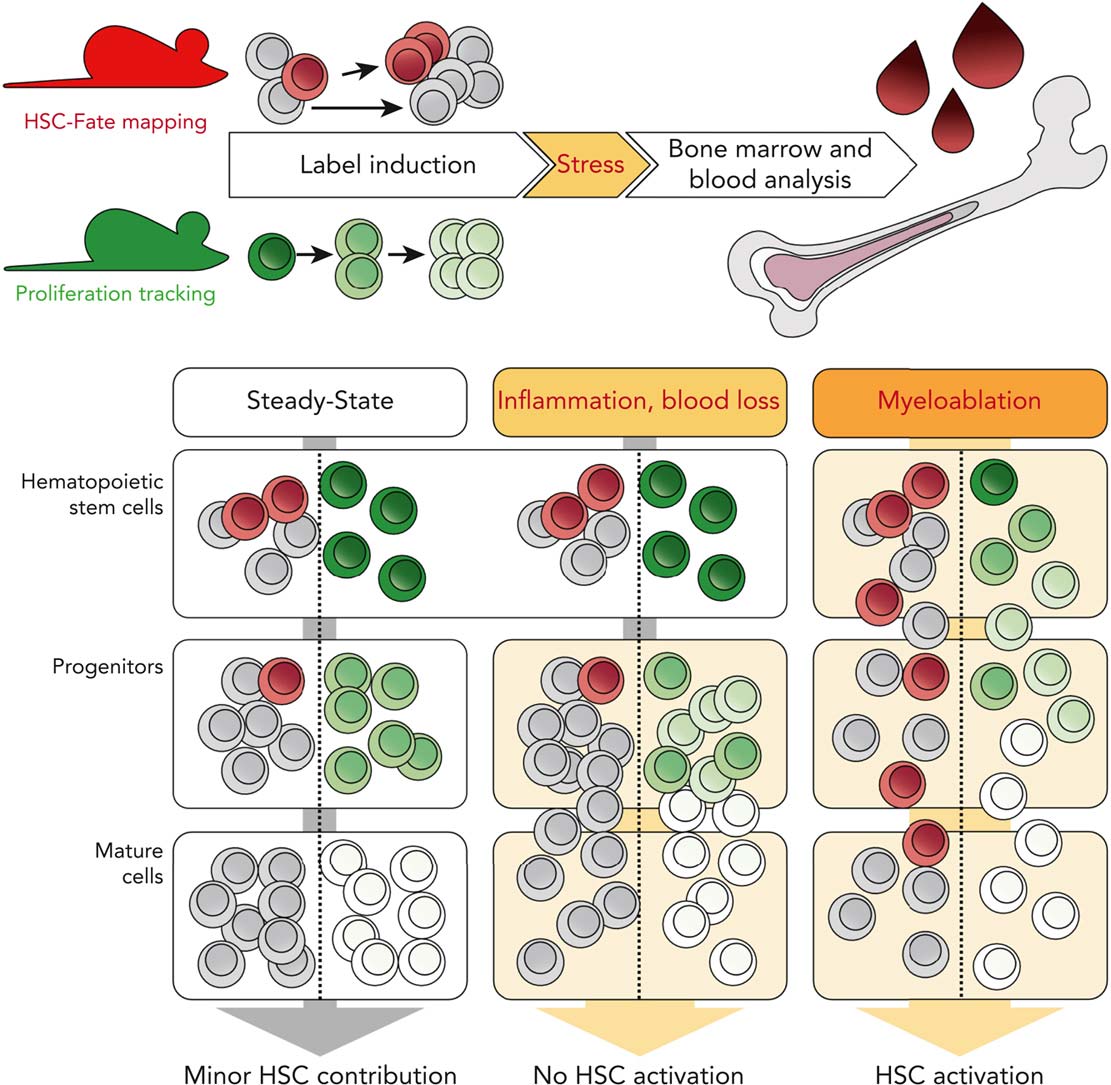
Alexander Gerbaulet is a Group leader at the Institute for Immunology within the Medical Faculty of Technische Universität Dresden since 2018. His research focuses on hematopoietic stem cell biology and native hematopoiesis in the physiological bone marrow environment. Previously, he served as a Post-doctoral fellow at the same institution from 2009-2017, completed his PhD in the Department of Dermatology at the University of Cologne (2004-2009), and earned his qualification as a Pharmacist from Goethe-University Frankfurt/Main in 2004. Dr. Gerbaulet's research interests center on understanding how blood formation proceeds in mammals under physiological conditions. His work has challenged long-standing paradigms by demonstrating that hematopoietic stem cells (HSCs) behave differently in their native environment compared to transplantation models. His group has made significant discoveries including an alternative pathway of thrombopoiesis and showing that systemic inflammation or blood loss does not robustly stimulate HSC differentiation as previously believed. The analysis of recent publications reveals a strong focus on quantitative approaches to understanding hematopoietic stem cell dynamics in vivo. The research combines sophisticated mouse models with theoretical modeling to achieve a more quantitative interpretation of native hematopoiesis. Key themes include stem cell quiescence, lineage commitment, clonal dynamics, and the relationship between hematopoietic stress responses and disease development. Dr. Gerbaulet's scientific awards and recognitions are not explicitly mentioned in the available information, though his publications in high-impact journals including Nature Communications, Science Immunology, and Blood indicate significant contributions to the field. As a supervisor, Dr. Gerbaulet leads a research group studying hematopoietic stem cell homeostasis using advanced methodologies including genetic fate mapping, cellular barcoding, and multicolor flow cytometry. His lab collaborates with theoretical scientists for quantitative data analysis and maintains an active publication record with multiple first/senior author papers in top-tier journals. The research program includes both fundamental investigations of hematopoiesis and translational aspects related to blood disorders and cancer. The Gerbaulet Group operates within the Institute for Immunology at TU Dresden, utilizing state-of-the-art mouse models to investigate hematopoietic stem and progenitor cells in their native environment. The lab's technical expertise spans from cellular barcoding to hematopoietic stem cell transplantation, enabling comprehensive analysis of blood cell formation dynamics under steady-state and stress conditions.
Prof. Dr. Andreas Trumpp is a leading stem cell and cancer researcher at the German Cancer Research Center (DKFZ) and serves as the Managing Director of HI-STEM (Heidelberg Institute for Stem Cell Technology and Experimental Medicine). Since 2008, he has headed the Division of Stem Cells and Cancer, focusing on understanding the molecular mechanisms governing normal and malignant stem cells. His research spans Hematopoietic stem cell dormancy and activation Leukemia stem cell biology Metastasis mechanisms Ferroptosis and cancer metabolism Stem cell niche interactions Single-cell multi-omics in cancer progression Trumpp’s group has made significant contributions to understanding therapy resistance in acute myeloid leukemia (AML) and identified novel mechanisms for targeting cancer stem cells. His lab’s work on the SHATTER-AML project, funded by an ERC Advanced Grant (2022) , aims to develop precision therapies for cancers with structural genetic defects. Scientific accolades include being invited to deliver the Ham-Wasserman Lecture (2022) at the American Society of Hematology (ASH) meeting, a prestigious honor recognizing his global impact in hematology. His alumni include numerous successful researchers transitioning to positions at institutions like Max Planck Institute , TRON-Translational Oncology , and Novartis , reflecting his mentorship role in shaping the next generation of stem cell scientists.
Dr. Alexa Weiss is a Senior Research and Teaching Associate in Social Psychology at the University of Bielefeld, affiliated with the Department of Psychology under the Faculty of Psychology and Sport Science. Her research spans moral cognition, behavioral ethics, and the dynamics of trust, social emotions, and intimate partner violence. Bielefeld University Faculty of Psychology and Sport Science Department of Psychology Her work explores the intersection of moral decision-making, social emotions, and interpersonal dynamics, with a focus on how cultural and psychological factors influence trust, gratitude, and empathy. Recent projects include the ERC-funded study on decision delegation in immoral contexts and the development of scales for assessing sexual aggression myths. Key themes in her 15 most recent publications include moral judgment, trust dynamics, social emotions, and behavioral ethics, often utilizing experimental and cross-cultural methodologies. She received the ERC Starting Grant 2024 for her research on decision delegation in immoral pursuits.
Prof. Gergana Dobreva is a Professor at the Medical Faculty Mannheim of Heidelberg University, leading research in cardiovascular development, epigenetic mechanisms, and cancer biology. Her work focuses on progenitor cell maintenance, cardiogenesis, and epigenetic regulation in heart and lung diseases. She holds appointments in Experimental Cardiology and Anatomy/Developmental Biology departments. Research Interests: Her lab investigates transcriptional/epigenetic control of heart development, zebrafish heart regeneration, endothelial-cardiomyocyte interactions, and epigenetic drivers of lung cancer. Methodological strengths include genetics, developmental biology, and chromatin regulation studies. Key Contributions: Recent work includes studies on lamin proteins in cancer, epigenetic memory in cell commitment, and mechanical forces influencing chromatin. Her group has published extensively in Cell Stem Cell , Nature Genetics , and Journal of Experimental Medicine . Awards: No specific honors listed, though her work has been supported by grants from institutions like DFG and EU frameworks. Lab & Collaborations: The Dobreva Lab (Twitter: @DobrevaLab ) collaborates internationally, focusing on translational medicine and disease modeling. Active in the Medical Faculty's research networks MCAC and MCIC.
Prof. Dr. Daniel Schubert is a W2 Professor for 'Epigenetics of Plants' at Freie Universität Berlin's Department of Biology (Institute of Biology). He leads the Schubert Group, focusing on plant epigenetics, particularly the role of Polycomb-group (Pc-G) proteins in cell fate maintenance and stress memory. His academic journey includes a PhD (2002) and Diploma (1999) from the University of Cologne, and postdoctoral research at the University of Edinburgh. Research Interests: Epigenetic regulation of plant development and stress responses. Role of Pc-G proteins (e.g., H3K27me3) in maintaining cell identity and floral commitment. Cell-type specific epigenetic memory and chromatin dynamics. Awards & Activities: Heisenberg Fellowship (2015), DFG Postdoctoral Fellowship (2004–2006). Editorial roles: Frontiers in Plant Physiology, PLoS Genetics. Teaching: Courses on plant epigenetics, developmental biology, and molecular genetics. Labs/Teams: Active in collaborative projects with guest scientists (e.g., Kishore Panigrahi, Stephen Rader) and manages a lab with ~20 current and former students/postdocs.
Giacomo Masserdotti is an Adjunct Professor and Senior Scientist at the Department of Physiological Genomics, Faculty of Medicine, Ludwig-Maximilians-Universität München. He is affiliated with the Graduate School of Systemic Neurosciences (GSN) and conducts cutting-edge research in direct neuronal reprogramming from glial cells and fibroblasts. Research Interests: His work focuses on the molecular mechanisms—transcriptional, proteomic, and metabolic—underlying the direct conversion of astrocytes, OPCs, and fibroblasts into functional neurons. He employs advanced techniques such as primary cultures, transduction, immunofluorescence, RNA-seq (bulk and single-cell), patch-clamp, and 3D bioprinting to develop improved in vitro 3D models that mimic the in vivo environment, aiming to enhance reprogramming efficiency and neuronal subtype specificity while reducing animal use in research. Publication Trends: His recent publications highlight innovations in overcoming metabolic barriers in reprogramming, enhancing mitochondrial function via CRISPR, and understanding heterogeneity in reprogrammed neurons. These works, published in top journals like Cell Stem Cell and Cell Reports , reflect a strong focus on translational neuroscience and regenerative strategies. Scientific Contributions: Dr. Masserdotti plays a key role in advancing glia-to-neuron conversion technologies. His research bridges basic molecular neuroscience with potential therapeutic applications in neurodegenerative diseases. Mentorship and Team: He currently mentors GSN student Fabio Laredo and collaborates closely with Prof. Magdalena Götz, a leading figure in neural stem cell research. His lab integrates molecular biology with systems-level analysis to dissect reprogramming dynamics.