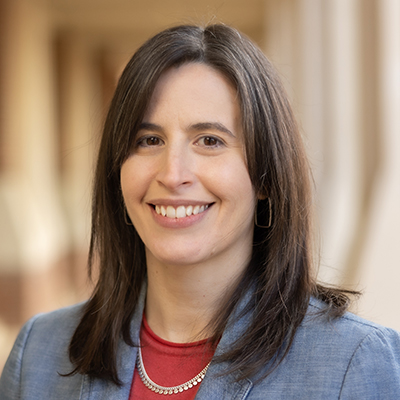
Associate Professor Arnold Lining Ju is a biomedical engineer at the University of Sydney's School of Biomedical Engineering, affiliated with multiple institutes including the Heart Research Institute and Sydney Nano Institute. He holds academic positions in both the Faculty of Engineering and Faculty of Medicine & Health. Education: BSc from Peking University, PhD from Georgia Tech and Emory University (USA). Honors include Snow Fellowship, Heart Foundation Future Leader Fellowship, and multiple awards for cardiovascular research innovation. Research focuses on mechanobiology and biomechanics of thrombosis, developing microfluidic devices and organ-on-chip systems. Key projects include AI-driven single-cell nanotools, 3D biofabrication, and anti-thrombotic peptide design. Leads interdisciplinary teams and collaborates internationally with institutions like Harvard and University of Texas. Teaching roles include coordinating advanced cellular biomechanics courses and supervising PhD/Masters students in biomedical engineering and physiology. Over 50 peer-reviewed publications, with contributions to Nature Materials, Nature Communications, and other top journals.
Luís Graça is a Full Professor and Vice-Dean at the Faculty of Medicine, University of Lisbon (FMUL), and has led the Cellular Immunology Lab at the Instituto de Medicina Molecular (iMM) since 2005. His research focuses on immune tolerance mechanisms in autoimmunity, transplantation, and allergy, with the goal of reprogramming the immune system through regulatory T cells. He collaborates closely with clinical scientists to validate findings. Education: MD, FMUL (1995) PhD in Immunology, University of Oxford (2002) Postdoctoral Research, University of Oxford and University of Western Australia Research Interests: Dr. Graça's lab investigates immune tolerance , regulatory T cells , and germinal center reactions in autoimmune diseases, transplantation, and allergy. Recent work elucidates T follicular regulatory cell biology and their role in SARS-CoV-2 immunity. The lab combines basic immunology with translational research to develop tolerance-inducing therapies. Publications Trends: His 2021-2023 publications emphasize T follicular regulatory cells in autoimmune diseases and viral immunity, with high-impact studies in Nature Immunology and Science Immunology revealing mechanisms of immune regulation in germinal centers and long-term protection against SARS-CoV-2 variants. Scientific Awards: Pfizer Award in Clinical Research (2023) Medal of Merit from the Alvalade Municipality (2023) Research Excellence Award (2019) iMM Innovators, TwinToInfect (2017) NEDAI Prize in Autoimmunity Research (2011) Young Entrepreneur Award (2010) National Innovation Award for Health Technologies (2010) Prof. Heimburger Award (2009) Advising and Grants: Dr. Graça mentors 12 graduate students and secures competitive funding including: Fundação para a Ciência e a Tecnologia (4 projects, 2020-2026) Merck Sharp & Dohme (Crohn's disease project, 2023-2025) 'la Caixa' Foundation (vaccine project, 2022-2025) Labs and Teams: The Cellular Immunology Lab at iMM comprises 20+ researchers including postdocs, PhD/MSc students, and technicians, with international collaborations focused on translating immune regulation discoveries into clinical therapies.
Dr. Jill Johnsen is an Academic Professor in the Division of Hematology and Oncology at the University of Washington School of Medicine. She serves as faculty at both the Institute for Stem Cell & Regenerative Medicine and the Center for Cardiovascular Biology at UW. Dr. Johnsen is also affiliated with the Washington Center for Bleeding Disorders, where she practices clinically. Education: M.D. from Case Western Reserve University Residency in Internal Medicine at University Hospitals of Cleveland Fellowship in Hematology/Oncology at University of Michigan Dr. Johnsen is a physician scientist specializing in classical hematology with a focus on von Willebrand disease, hemophilia, and blood group genetics. Her research program aims to improve diagnosis and care of patients with blood disorders through advancement of our understanding of the underlying biology. She leverages new technologies including targeted and whole genome next generation DNA sequencing, multi-omics, and long-read sequencing to study the genetics of clotting factors and blood groups, with particular emphasis on how bleeding uniquely impacts females. Analysis of Dr. Johnsen's recent publications reveals a strong focus on von Willebrand disease genetics, hemophilia research, and blood group antigen studies. Her work spans basic science investigations of coagulation factor biology to clinical studies examining diagnosis and treatment approaches. A consistent theme is the application of genomic technologies to understand bleeding disorders across diverse populations. Professional Activities: Active participant in the My Life, Our Future hemophilia genotyping initiative Contributor to NHLBI Exome Sequencing Project and TOPMed Program Regular presenter at hematology conferences including ISTH and ASH
Alessio Branchini is an Associate Professor in the Department of Life Sciences and Biotechnology at the University of Ferrara. His research focuses on protein engineering, molecular mechanisms, and coagulation factors with particular emphasis on hemophilia and related blood disorders. Dr. Branchini's research interests span protein engineering, molecular mechanisms of coagulation factors, fusion protein technology, and ribosome readthrough. He investigates how genetic mutations affect coagulation proteins, particularly factor IX in hemophilia B, and develops molecular approaches to correct these defects. His work combines structural biology, molecular genetics, and therapeutic development to address bleeding disorders. His publication record shows a strong focus on coagulation factors, particularly factor IX and VIII, with recent work exploring translational readthrough mechanisms, splice site corrections using engineered U1snRNAs, and CRISPR-based approaches to activate coagulation gene promoters. His research bridges basic molecular mechanisms with potential therapeutic applications for hemophilia and related disorders. Dr. Branchini has published extensively in top hematology and molecular biology journals including Journal of Thrombosis and Haemostasis, where he has contributed numerous articles on coagulation factor mechanisms and therapeutic approaches. His collaborative work with researchers like Pinotti M, Bernardi F, and others demonstrates a strong research network focused on bleeding disorders.
Maria M. Aleman, PhD is an Assistant Professor in the Department of Pharmacology at the University of North Carolina at Chapel Hill School of Medicine. Her research focuses on understanding fundamental mechanisms of erythropoiesis, blood and vascular biology, and the intersection of RNA regulation with iron metabolism in non-malignant hematology. Dr. Aleman's primary research interests center on erythropoiesis (red blood cell differentiation and maturation), investigating how hematopoietic stem cells differentiate through multiple stages until committing to the erythroid lineage. Her work particularly examines the family of dual functional proteins known as poly C binding proteins, which both regulate RNA processing and chaperone iron within cells. Using biochemical, cellular, and in vivo models, her laboratory explores the cross talk between iron trafficking and RNA regulation mediated by these proteins and how these activities are modulated by disease. Analysis of Dr. Aleman's publication record reveals a strong focus on hemostasis, thrombosis, and coagulation disorders, with significant contributions to understanding venous thrombosis mechanisms, factor VIII therapies for hemophilia A, and the role of various proteins in blood clotting processes. Her work bridges basic science with clinical applications, particularly in non-malignant blood disorders. Dr. Aleman maintains an active research laboratory (the Aleman Lab) at UNC Chapel Hill, where she investigates the basic mechanisms regulating erythropoiesis. Her work combines expertise in pharmacology, hematology, and molecular biology to address fundamental questions about blood cell formation and function. While specific grant information isn't detailed in the available materials, her consistent publication record across multiple high-impact journals suggests sustained research funding in her areas of expertise.
Dr. Roderick Slavcev is an Associate Professor in the School of Pharmacy at the University of Waterloo. He leads the Theraphage Lab, focusing on bacteriophage-based biotechnology to design therapeutic platforms, including vaccines, gene delivery systems, and immunotherapeutics. His research integrates genetics, molecular biology, microbiology, and synthetic biology. Affiliations: Department of Chemistry, Department of Biology, Department of Chemical Engineering (cross-appointed); Waterloo Institute of Nanotechnology; Waterloo Centre for Microbial Research. Education: PhD in Microbial Genetics (University of Saskatchewan, 2002), MBA in Biotechnology Management (Edwards School of Business, 2006). His work spans drug discovery, oncology, and infectious disease immunotherapy. Key achievements include developing linear covalently closed (LCC) DNA vectors and bacteriophage nanoparticles for targeted therapies. He has secured funding from NSERC, MITACS, and industry partnerships. Recent Projects: Engineering bacteriophage-based systems for cancer treatment, EGFR-targeted phage therapies, and novel vaccine platforms against pathogens like SARS-CoV-2. His lab also explores nanomaterial integration for improved drug delivery. Awards: ASGCT Research Award, JNJ Innovation Labs Technology Award, and AFPC-Janssen Innovation in Education Award. He holds leadership roles at Mediphage Bioceuticals and the Hong Kong Centre for Eye and Vision Research.
Rashmi Sood, PhD, is an Associate Professor in the Department of Pathology & Laboratory Medicine at the Medical College of Wisconsin. Her research focuses on blood coagulation, placental hemostasis, and pregnancy complications caused by thrombophilia. She leads a lab investigating mechanisms linking thrombotic processes to placental dysfunction, supported by NIH grants and other awards. Sood earned her PhD in Molecular Biology from the Tata Institute of Fundamental Research and completed postdoctoral training at the Blood Research Institute of Versiti. Education: PhD in Molecular Biology, Tata Institute of Fundamental Research, Mumbai, India Postdoctoral Fellow, Blood Research Institute, Milwaukee, WI Research Interests: Dr. Sood explores how thrombophilia impacts placental function, maternal-fetal health, and pregnancy outcomes like placental abruption and preterm birth. Her lab uses murine models to study coagulation-inflammation crosstalk and develops biomarkers for preterm birth prediction. Grants & Awards: R01HL112873 (NIH) R01HL163623 (NIH) Basil O’Connor Starter Scholar Award American Heart Association Scientist Development Grant Lab & Mentoring: Her team includes 2 postdocs, 2 graduate students, and a technician. Current projects address placental abruption mechanisms and preterm birth biomarkers. She mentors students from diverse backgrounds through campus internship programs.
Weiguo Cui serves as Professor of Pathology at Northwestern University's Feinberg School of Medicine, conducting research through the Center for Human Immunobiology and Robert H. Lurie Comprehensive Cancer Center. His work focuses on T cell biology in cancer immunology, viral pathogenesis, and autoimmune disorders. His research examines molecular regulators of CD8+ T cell fate, including transcription factors (SATB1, KLF2, BATF) and metabolic pathways (mitochondrial respiration, CD36 signaling). Key interests encompass T cell exhaustion mechanisms, stem-like memory formation, and metabolic reprogramming during chronic infections. His lab employs single-cell RNA sequencing, clonal lineage tracing, and spatial transcriptomics to dissect heterogeneity in immune responses. Analysis of recent publications reveals a cohesive research trajectory investigating how transcriptional and metabolic networks govern T cell differentiation. His 2024-2025 work demonstrates how factors like ID3 define stem-like progenitors, while PKM2-mtROS pathways link metabolism to immune function. This integrative approach bridges basic immunology with therapeutic applications in cancer and chronic infections. Dr. Cui maintains active collaborations through Northwestern's immunology centers, focusing on translating mechanistic insights into immunotherapeutic strategies. His research program emphasizes the therapeutic potential of modulating T cell exhaustion pathways and metabolic checkpoints to enhance anti-tumor immunity.
Anne Raben is a Professor at the University of Copenhagen's Department of Nutrition, Exercise and Sports within the Faculty of Science. She currently serves as a Guest Researcher and holds leadership positions including head of the study board for food, nutrition and exercise, and head of a research group of 8-10 scientific employees. Previously, she was head of the Obesity research unit at UCPH, NEXS. Her educational background includes an M.Sc. in Food and Nutrition (Cand. brom.) from the Royal Veterinary & Agricultural University (RVAU) in Copenhagen, followed by a Ph.D. with thesis titled "Appetite and carbohydrate metabolism" from the Research Department of Human Nutrition at RVAU. Raben has over 25 years of research experience focused on the prevention and treatment of obesity and related diseases including type-2 diabetes and cardiovascular conditions. Her primary research interests encompass nutrition science, specifically examining types and amounts of carbohydrate, protein, and fat, as well as drug-induced changes in body weight, appetite regulation, energy expenditure, and metabolic parameters. She also has experience in oncology, obstetrics, and neurology research. Her recent publications (2025) reveal a strong focus on metabolic health, with particular emphasis on sweeteners, energy restriction, and metabolic syndrome. The SWEET project appears as a recurring theme in her current work, examining environmental impacts of sweeteners alongside their health effects. Her research demonstrates integration of nutritional science with environmental sustainability considerations. Nominated for the VIII Edition of the prize "Alimentacion y Salud" of the University of Navarra (2012) "Young Investigators Award" for Clinical Research, European Association for the Study of Obesity (1997) Edith and Valborg Larsen's Foundation award for promising female researcher (1995) Lecture prize from the Danish Endocrinology Society (1993) Lecture and abstract prize from the Danish Association for the study of Obesity (1991) Raben has served as main supervisor for 4 and co-supervisor for 3 Ph.D. students, and has assessed 13 Ph.D. theses internationally. She coordinates significant research funding, most notably as overall project coordinator of the FP7 EU project PREVIEW (2013-2018, 9 million Euro). Her teaching includes responsibility for 2 Ph.D. courses and Master's level nutrition courses at the University of Copenhagen. She leads a research group of 8-10 scientific employees and has extensive experience managing clinical intervention studies in lifestyle and drug development. Her leadership extends to previous roles as head of the Obesity research unit at UCPH and President of the Danish Association for the Study of Obesity (2010-2012).
Peter Cygan, MD is a Hematology Career Development Professor in the Department of Medicine Division of Blood and Vascular Disorders at Penn State Cancer Institute. His research focuses on bleeding disorders with particular emphasis on hemophilia and women's health issues related to coagulation disorders. Dr. Cygan's research interests span several critical areas in hematology: Hemophilia A and carrier status Factor VIII regulation and measurement Bleeding disorders in women and adolescents Diagnostic approaches for inherited bleeding conditions Genetic aspects of hemophilia Economic considerations in treatment approaches His publication record shows a clear trajectory focusing on improving diagnosis and management of bleeding disorders in female populations. Recent work addresses critical gaps in care for adolescent girls and young women with inherited bleeding disorders, menstrual management challenges, and the unique diagnostic considerations for female hemophilia carriers. His research bridges hematology and gynecology, creating interdisciplinary approaches to patient care. Dr. Cygan serves as Principal Investigator on the National Heart, Lung, and Blood Institute-funded project 'Abnormal Bleeding Risk in Female Hemophilia A Carriers' (2021-2025), demonstrating continued active research funding. His work contributes to Sustainable Development Goals related to good health and well-being, particularly in addressing healthcare disparities for women with rare bleeding disorders.
Alvin H. Schmaier, MD is a Professor in the Departments of Medicine and Pathology at Case Western Reserve University School of Medicine, and a member of the Molecular Oncology Program at the Case Comprehensive Cancer Center. His research focuses on vascular biology, particularly the interplay between the kallikrein-kinin system (KKS), renin-angiotensin system (RAS), and their roles in thrombosis, inflammation, and disease pathogenesis. Key areas of investigation include the activation mechanisms of plasma prekallikrein by endothelial prolylcarboxypeptidase, the protective role of bradykinin B2 receptor knockout mice against arterial thrombosis, and the development of thrombostatin compounds targeting thrombin activity. Recent work explores the role of these systems in malaria, SARS-CoV-2-induced kidney injury, and cancer-associated thrombosis. His research has uncovered novel pathways linking vascular inflammation, coagulation activation, and disease outcomes. Notably, his lab identified prolylcarboxypeptidase’s dual role in activating the KKS while degrading angiotensin II, highlighting its regulatory balance between vasoactive systems. He also investigates the pathophysiology of hereditary angioedema and the molecular genetics of thrombophilic traits like Fletcher and Fitzgerald syndromes. Scientific contributions include elucidating mechanisms of factor XII activation by bacterial lipopolysaccharides and cancer exosomes, and developing antithrombotic strategies with minimal bleeding risks. His work bridges basic science and clinical applications, targeting thrombosis prevention and treatment in complex conditions such as sepsis, cancer, and viral infections.
Antonia Follenzi is a Full Professor at the Department of Health Sciences, University of Eastern Piedmont 'Amedeo Avogadro' in Italy. With over three decades of research activity documented from 1991 to 2025, she has established herself as a leading researcher in hemophilia and gene therapy. Her work spans multiple interdisciplinary fields connecting hematology, vascular biology, and regenerative medicine. Professor Follenzi's research interests center on the multifaceted roles of Factor VIII beyond its traditional coagulation function, particularly its involvement in angiogenesis, endothelial cell biology, and vascular stability. She investigates lentiviral vector-based gene therapy approaches for hemophilia A, with a specific focus on targeting liver sinusoidal endothelial cells (LSECs) to achieve immune tolerance. Her work also extends to diabetes research , where she develops vascularized islet organoids and bioengineered pancreatic constructs for type 1 diabetes treatment. Additional research areas include biomaterial development using sustainable approaches (converting waste materials like eggshells and oyster shells into biomedical materials) and exploring the role of coagulation factors in cancer biology. The analysis of her recent publications (2023-2025) reveals a clear research trajectory focusing on the extracoagulative functions of Factor VIII, particularly its role in endothelial cell function, angiogenesis, and vessel stability. Her work demonstrates a sophisticated integration of gene therapy , stem cell technology , and tissue engineering approaches. A significant portion of her research addresses the critical challenge of immune tolerance in hemophilia gene therapy, with multiple projects developing innovative solutions to prevent inhibitor formation. Professor Follenzi leads several major research initiatives including: TolerEight : Investigating immune tolerance mechanisms in hemophilia gene therapy ALLEVIATE : Developing tolerogenic expression of FVIII using liver endothelial cell targeting VANGUARD : Creating cell therapies for type 1 diabetes PERTINENT : Studying retinitis pigmentosa models and therapies These projects are funded by prestigious organizations including the European Commission, Ministero dell'Università e Ricerca (MUR), and Fondazione Compagnia San Paolo. Her collaborative network spans multiple institutions across Europe, reflecting the interdisciplinary nature of her work that bridges hematology, immunology, vascular biology, and regenerative medicine.
Professor Philip Hogg serves as Chair in Translational Cancer Research for Sydney Catalyst at the NH&MRC Clinical Trials Centre, University of Sydney. He is a leading researcher in the field of protein biochemistry with focus on disulfide bond regulation in disease processes, particularly in cancer and thrombosis. His work bridges basic science and clinical applications through his affiliation with the Charles Perkins Centre and The Centre for Drug Discovery Innovation. University of Sydney, Faculty of Medicine and Health NH&MRC Clinical Trials Centre Sydney Catalyst - Translational Cancer Research Centre Charles Perkins Centre Centre for Drug Discovery Innovation Professor Hogg's research centers on the role of allosteric disulfide bonds in protein function, particularly how they regulate processes in thrombosis and cancer. His laboratory investigates protein disulfide isomerases and their role in blood coagulation, as well as developing novel cancer therapeutics targeting mitochondrial function. A significant portion of his recent work focuses on imaging cell death in tumors using radiopharmaceuticals like CDI, which binds to Hsp90 in dying cells. Analysis of Professor Hogg's recent publications reveals a strong focus on the intersection of biochemistry and hematology, with particular emphasis on how mechanical forces and redox states regulate protein function in thrombosis. His work on von Willebrand factor, platelet function, and protein disulfide isomerases has provided fundamental insights into blood coagulation mechanisms. Simultaneously, his cancer research has advanced the development of mitochondrial-targeted therapeutics like PENAO and imaging techniques for monitoring tumor response to treatment. Professor Hogg has successfully mentored numerous PhD students and postdoctoral researchers, with current student Naveen Eugene Louis working on mechanomedicine against von Willebrand factor. His research program is supported by substantial funding from NHMRC, ARC, Cancer Institute NSW, and other organizations, totaling millions of dollars in active grants focused on cancer therapeutics, thrombosis mechanisms, and molecular imaging. His laboratory operates at the cutting edge of translational research, with several projects moving from basic discovery toward clinical application. The development of CDI for imaging tumor cell death represents a prime example of this translational approach, now progressing to clinical trials. His work on PENAO and related compounds demonstrates a sustained commitment to developing novel cancer therapeutics based on mitochondrial targeting.
Linda L Demer serves as Department Vice Chair in the Medicine Department and is a Professor of Medicine and Physiology at the University of California Los Angeles (UCLA). She has established herself as a pioneer in cardiovascular calcification research, with significant contributions to understanding the cellular, molecular, and biomechanical regulation of this process. Dr. Demer earned her MD and PhD from Johns Hopkins University in Baltimore, MD in June 1983, with a focus on Medicine and Bioengineering. Her academic journey has led to groundbreaking discoveries that have reshaped our understanding of vascular biology and its connections to skeletal development. Dr. Demer pioneered research demonstrating that bone and marrow form in human arteries, often in association with atherosclerosis, challenging previous scientific dogma. Her laboratory developed the first tissue culture model of vascular calcification, isolated the cells responsible for calcium mineral production, and identified regulatory molecules controlling vascular cell differentiation into osteoblastic cells. She currently addresses the paradox that coronary calcification is associated with increased cardiovascular risk yet progresses rapidly in patients using statins (which reduce risk) and elite endurance athletes (who generally have reduced risk). Her work employs microCT and microPET imaging to explore how structural differences in calcium deposits affect cardiac event risk. Dr. Demer's recent publications (2021-2025) reveal sophisticated investigations into the relationship between vascular calcification, exercise physiology, lipid metabolism, and bone health. Her research demonstrates how medications like SGLT2 inhibitors and various exercise regimens influence vascular and skeletal mineralization, using advanced imaging techniques to analyze microarchitectural changes in calcified deposits. Stein-Oppenheimer Award (1993) Davidson Memorial Lectureship (2001) Franklin D. Murphy Research Prize (2002) Jeffrey Hoeg Award from the American Heart Association (2003) Steward Niewiarowski Award from Temple University (2007) Chair, Gordon Research Conference (2009) As Principal Investigator, Dr. Demer has secured multiple NIH grants including R01HL151391 (2021-2024) on parathyroid hormone receptor activation in exercise-induced vascular calcification, R01HL137647 (2019-2023) on serotonin receptors in calcific aortic valve disease, and R21AG061586 (2019-2021) on aging and calcific vasculopathy. She leads the UCLA Resident Scientist Training Program (R38HL143614, 2020-2024) and has been Principal Investigator on the Cardiovascular Scientist Training Program (T32HL007895) since 1998, mentoring generations of physician-scientists. Dr. Demer directs the Cardiovascular Calcification Research Laboratory at UCLA, where her multidisciplinary team combines molecular biology, advanced imaging technology, computational analysis, and animal models to unravel the complex mechanisms of vascular calcification. The laboratory's work has significant implications for understanding the bone-vascular axis and developing therapeutic approaches that address cardiovascular disease and bone metabolism simultaneously.
Dr. Josh Becker is an Adjunct Professor in Safety Management at Capitol Technology University, with over 24 years of military service as a UH-60 Helicopter Technical Inspector and Safety Officer in the West Virginia Army National Guard. He currently serves as a safety consultant and policy researcher for the RAND Corporation. His expertise spans aviation safety, occupational health, quality control, and policy analysis. Educations: Ph.D. in Safety Management, Capitol Technology University M.S. in Safety Management, West Virginia University B.S. in Aeronautical Science, Embry-Riddle Aeronautical University Research Interests: Dr. Becker focuses on aviation safety, regulatory frameworks for emerging space industries, and policy research to enhance workplace safety. His work integrates technical expertise with policy analysis to address systemic risks in aviation and commercial spaceflight sectors. Publications Trends: His recent articles explore pilot fatigue's impact on aviation accidents, commercial spaceflight regulatory readiness, and public discourse on space travel risks. These works highlight interdisciplinary approaches combining human factors, policy design, and risk mitigation strategies. Awards: 2022 BCSP Foundation Research-Doctoral Dissertation Grant 2022 ASSP Foundation Distinguished Service Scholarship 2021 3M Occupational Health and Safety Scholarship Advising & Grants: Received multiple grants including the BCSP and ASSP Foundation awards supporting doctoral research. Active in mentoring through his roles in safety organizations. Affiliations: President of Western Pennsylvania Chapter, American Society of Safety Professionals (ASSP), and Deputy Regional Vice President for ASSP Region VIII. Serves as a Quality Control Manager for Army Corps of Engineers projects and OSHA Outreach Instructor.