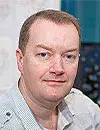
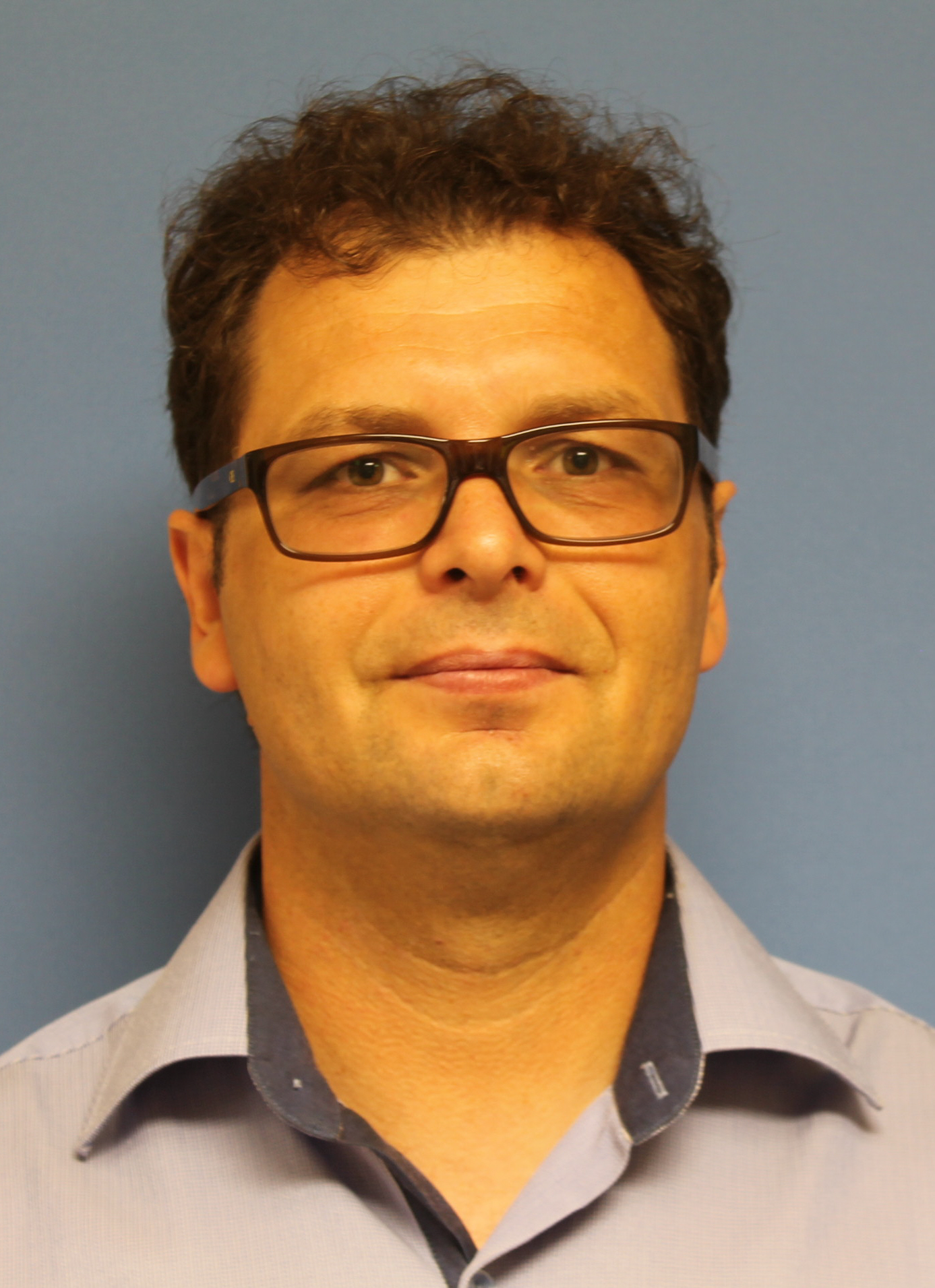
Neil Carragher is a Professor of Drug Discovery at the Institute of Genetics and Cancer , University of Edinburgh. He serves as Director of Science for Edinburgh Cancer Research and Associate Director of Cancer Research UK Scotland Centre. His work bridges industry and academia, focusing on phenotypic screening , machine learning , and oncology drug development . Education: B.Sc. in Cell and Immunobiology, University of Aberdeen (1992) Ph.D. at Yamanouchi Research Institute, Oxford (1996) Neil’s research emphasizes high-content imaging , kinetic assays , and multi-omics integration to enhance clinical predictivity in drug discovery. His articles span glioblastoma , breast cancer , and drug repurposing , leveraging AI/ML and 3D disease models . Notable scientific awards include Fellowship of the Royal Society of Edinburgh He advises PhD students such as Mungo Harvey and Prasad Palani Velu , and leads the Edinburgh Cancer Discovery Unit and Edinburgh Phenotypic Assay Centre , integrating automated robotics and novel compound libraries .
Constantinos Demetriades, PhD, is a Research Group Leader at the Max Planck Institute for Biology of Ageing in Cologne, Germany, holding an academic rank equivalent to Associate Professor. He is also an Associated Principal Investigator at the CECAD Research Center, University of Cologne. His research focuses on the molecular mechanisms of cell growth, metabolism, and aging, primarily through the mTORC1 signaling pathway. Doctorate (Ph.D), 2003–2009: Institute of Immunology, Biomedical Sciences Research Center (BSRC) 'Alexander Fleming' & Department of Genetics, Development and Molecular Biology, Aristotle University of Thessaloniki Degree in Biology, 1999–2003: School of Biology, Aristotle University of Thessaloniki, Greece Dr. Demetriades' research investigates how cells sense nutrients and stress to regulate growth via the TSC/mTOR signaling hub. His work combines high-throughput omics with advanced molecular and cell biology techniques using human and mouse models. Key interests include nutrient sensing, lysosomal signaling, unconventional protein secretion, and metabolic regulation in aging and disease. His recent publications reveal novel mechanisms such as the role of Malonyl-CoA as an endogenous mTORC1 inhibitor and the spatial regulation of mTORC1 by amino acids. His research output shows a consistent focus on mTORC1 regulation, lysosomal dynamics, and stress response, with a trend toward understanding metabolic inputs and unconventional cellular processes. Publications in top journals like Nature Cell Biology and Molecular Cell highlight his contributions to cell signaling and aging research. Walther Flemming Award, German Society for Cell Biology (DGZ), 2019 ERC Starting Grant, European Research Council, 2018–2023 ERC Proof of Concept Grant, 2024–2025 Heineman Project Grant, Minna-James-Heineman & Minerva Foundation, 2019–2022 Research Unit FOR2722 Grant, German Research Foundation (DFG), 2022–2025 ANR-DFG Collaborative Research Grant, 2023 Dr. Demetriades has secured substantial competitive funding, including ERC and DFG grants, supporting his independent research program. He leads a research team focused on fundamental mechanisms in aging and disease. While specific advisees are not listed, his group conducts high-impact research in cell growth and metabolism. He has not been mentioned as advising specific students in the provided text. He leads the Max Planck Research Group Demetriades, which investigates cell growth control in health and age-related disease. The lab employs functional genomics, proteomics, and advanced imaging to study mTOR signaling, lysosomal function, and stress responses. Team photos and lab events indicate an active research environment.
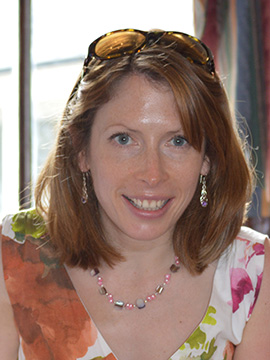
Dr. Isabel Orriss is a Senior Lecturer in the Department of Comparative Biomedical Sciences at the Royal Veterinary College (RVC), where she has worked since 2013. Her research focuses on bone cell regulation and vascular calcification through local signaling factors like extracellular nucleotides and purinergic pathways. University of Southampton, Biochemistry BSc (1st Class, 2001) University College London, PhD (2005, supervised by Professors Tim Arnett and Geoff Burnstock) Her research examines how extracellular nucleotides , antioxidants , and pH levels influence skeletal mineralization and soft tissue calcification. She has published over 40 peer-reviewed articles and leads the Bone Biology, Biomineralisation and Purinergic Signalling research group within Skeletal Biology at RVC. Recent studies highlight her work on: Mechanisms of NPP1 regulation by acidosis ATP-mediated inhibition of bone mineralization Effects of purinergic receptor antagonists Interactions between metabolic hormones and bone She holds a Career Development Fellowship from Arthritis Research UK (2010) and serves on the editorial board of Frontiers in Endocrinology: Bone Research . Dr. Orriss teaches across the BVetMed and BSc Bioveterinary Science programs, leading modules like Cell Cycle and Advanced Skeletal Pathobiology .
Mahmoud Elashiry serves as Assistant Professor in the Department of Periodontics at Augusta University's Dental College of Georgia, where he teaches advanced periodontal courses and conducts research at the intersection of oral biology and systemic health. His academic appointments include faculty roles in both clinical and research capacities within the dental school. His educational foundation includes: Ph.D. in Oral Biology and Oral and Maxillofacial, Augusta University (2020) MSOB in Oral Biology and Oral and Maxillofacial, Augusta University (2015) MSOB in Periodontics/Periodontology, Ain Shams University (2012) Doctor of Dentistry, Ain Shams University (2006) Dr. Elashiry's research program investigates critical mechanisms linking oral pathogens to neurological conditions through extracellular vesicle transmission, and explores molecular pathways in bone-angiogenesis interactions during periodontal regeneration. His work bridges clinical periodontics with fundamental discoveries in oral microbiology and bone biology, focusing on how oral infections trigger systemic inflammatory responses and how pharmacological agents modulate tissue healing processes. His 2024 publications reveal a dual research trajectory: one examining oral bacteria's role in neuroinflammatory pathways via blood-brain barrier penetration, and another dissecting bisphosphonate effects on bone vascularization through chemokine signaling. These studies demonstrate his interdisciplinary approach connecting dental science with neuroscience and regenerative medicine. As an active academic citizen, Dr. Elashiry serves on Augusta University's Faculty Senate Research Committee and provides peer review expertise for leading journals including Bioengineering, Biology, Cells, Dental Materials, and Dentistry.
C. Michael DiPersio is a Professor of Surgery and Molecular and Cellular Physiology at Albany Medical College . His research focuses on the roles of integrins, particularly α3β1 and α9β1, in regulating tissue remodeling during wound healing and cancer progression. Education: PhD, Brown University, 1991 BS, University of Massachusetts, Dartmouth, 1985 DiPersio’s work explores how integrin-mediated signaling controls extracellular matrix (ECM) dynamics , paracrine communication , and gene expression to modulate pathological processes such as chronic wounds, hypertrophic scars, and tumor metastasis. His lab employs genetic knockout models , transcriptomics , and cell biological approaches to identify therapeutic strategies targeting integrins. Recent publications highlight integrin α3β1’s role in regulating the tumor secretome (e.g., fibulin-2, CSF-1) and post-transcriptional gene regulation via alternative splicing and polyadenylation. These studies link integrin signaling to mRNA stability pathways in cancer cells and stromal-tumor crosstalk in skin and breast tumors. The DiPersio lab collaborates with Dr. Livingston Van De Water’s group to investigate integrin knockout models, emphasizing the antagonistic functions of α3β1 and α9β1 during wound healing and tumorigenesis. Current projects aim to translate these findings into therapies for cancer and pathological wound healing.
Pamela Hankey is a Professor in the Department of Veterinary and Biomedical Sciences at Pennsylvania State University, where she leads a research program focused on receptor tyrosine kinases, particularly the RON receptor, and their roles in inflammation, macrophage biology, and disease. Her work bridges immunology, metabolism, and cancer, with strong implications for liver disease and hematopoiesis. Her research interests center on the molecular mechanisms of macrophage heterogeneity, stress erythropoiesis, and the protective roles of RON signaling in metabolic and inflammatory diseases. She investigates how receptor tyrosine kinases regulate immune cell function in vivo, especially in contexts of obesity, non-alcoholic steatohepatitis (NASH), and viral-induced leukemia. Her lab employs mouse models, primary cell isolation, and molecular signaling assays to dissect these pathways. The publication record from 2012 to 2020 reveals a consistent focus on inflammation and immune regulation, particularly through the RON receptor. Her work spans liver disease, neuroinflammation, colitis, and hematopoietic stem cell dysfunction, demonstrating interdisciplinary reach across immunology, metabolism, and oncology. Scientific Awards: No awards listed in the provided text. Dr. Hankey has actively collaborated with numerous researchers and likely mentors graduate students and postdoctoral fellows, though no formal list of advisees is provided. Her research has been supported by publications in high-impact journals such as Science Signaling , Frontiers in Immunology , and Journal of Immunology , indicating sustained funding and academic recognition. She is affiliated with PSU’s research infrastructure, including the Elsevier Pure profile system. Her laboratory focuses on macrophage biology in inflammatory and metabolic diseases, utilizing models of diet-induced obesity, liver injury, and viral infection. The team investigates signaling pathways involving RON, Gab proteins, and SPI-C, aiming to uncover therapeutic targets for chronic inflammatory conditions.
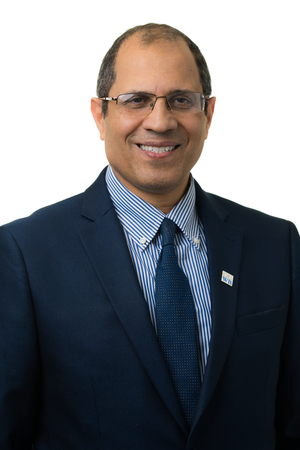
Mohamed Al-Shabrawey is a Professor in the Department of Foundational Medical Studies at Oakland University William Beaumont School of Medicine (OUWB). He also holds professorial appointments in the Eye Research Institute and is the V. Everett Kinsey Endowed Professor. He serves as the Founding Director of the Eye Research Center at OUWB and Director of the Eye Research Institute at Oakland University, highlighting his leadership in vision research. Ph.D., Anatomy and Embryology, Mansoura University (Joint Program with Medical College of Georgia) M.Sc., Anatomy and Embryology, Mansoura University MBBCH (M.D.), Mansoura Faculty of Medicine, Egypt Dr. Al-Shabrawey's research focuses on the molecular and cellular mechanisms underlying neurovascular injury in ischemic retinopathies such as diabetic retinopathy, retinopathy of prematurity, and age-related macular degeneration. His work investigates the roles of bioactive lipids, oxidative stress, bone morphogenetic proteins, the renin-angiotensin system, and hyperhomocysteinemia in blood-retinal barrier breakdown and pathological neovascularization. He has also pioneered research on traumatic optic neuropathy using a novel mouse model. His lab aims to identify novel therapeutic targets to prevent vision loss due to diabetes, aging, or prematurity. His recent publications reveal a strong emphasis on diabetic retinopathy, particularly exploring endothelial-mesenchymal transition, exosome signaling from Müller cells, and metabolic pathways in pathological angiogenesis. The articles span disciplines including ophthalmology, molecular biology, vascular biology, and biochemistry, with recurring themes in lipid signaling and neurovascular interactions. Scientific Awards and Honors: V. Everett Kinsey Endowed Professor Dr. Al-Shabrawey has mentored numerous undergraduate, graduate, medical students, and postdoctoral fellows throughout his career. His research has been continuously funded by the NIH and other agencies. He serves as a reviewer for major funding bodies including NIH, American Heart Association, and American Diabetes Association, as well as for numerous scientific journals. He leads an active research lab at OUWB focused on retinal diseases and neurovascular dysfunction.
Crislyn D'Souza-Schorey is the Morris Pollard Professor and a full Professor in the Department of Biological Sciences at the University of Notre Dame, where she has been a faculty member since 1998. She served as Department Chair from 2014 to 2020 and leads a research laboratory focused on cell signaling and cancer progression. Her research centers on the molecular mechanisms of cell adhesion, motility, and invasion, particularly in the context of cancer. Key areas include ARF6 and Ras-related GTPases, membrane trafficking, extracellular vesicles, epithelial-to-mesenchymal transitions, and metastasis. She employs cellular, organotypic, and animal models, along with clinical samples, to investigate how tumor-derived microvesicles influence cancer progression and serve as potential biomarkers. The recent trend in her publications highlights the critical role of extracellular vesicles—especially tumor microvesicles and supermeres—in intercellular communication, cargo delivery (including pre-miRNA and DNA), and modulation of the tumor microenvironment. Her work bridges cell biology and oncology, with strong implications for diagnostics and therapeutics. She has received recognition as the Morris Pollard Professor, a distinguished title at Notre Dame. Her research has been published in high-impact journals such as Nature Cell Biology , Science Signaling , and Nature Communications . Dr. D'Souza-Schorey has mentored numerous graduate students and postdoctoral researchers, including frequent collaborators like James Clancy and Adam Boomgarden. Her lab has secured sustained funding to explore ARF6 signaling, vesicle biology, and cancer metastasis, with future work likely to expand into cardiovascular interactions with cancer and clinical translation of vesicle-based biomarkers. Her laboratory is a hub for interdisciplinary research at the intersection of cell biology and cancer, contributing significantly to understanding how molecular alterations drive invasive phenotypes and tumor dissemination.
Zsolt Bagi, PhD, MD is a Professor at the Medical College of Georgia, Augusta University , with dual appointments in the Department of Physiology and the Department of Medicine: Cardiology . He received his MD and PhD from Semmelweis University Medical School in Hungary (2000, 2004) and held academic positions at New York Medical College (2002-2010), University of Oxford (2010-2012), and Augusta University (2013-present). His research focuses on coronary microvascular disease in diabetes mellitus and diastolic heart failure , with additional interests in Alzheimer's-related vascular injury and aging. Research Themes : Microvascular regulation in metabolic disorders Mechanisms of diastolic dysfunction Vascular contributions to neurodegenerative diseases Adenosine kinase and phosphodiesterase pathways Age-related arterial remodeling Obesity and vascular inflammation Recent Trends : His 2022-2024 publications emphasize phosphodiesterase 9A inhibition for pulmonary/coronary dysfunction, copper transport in Alzheimer's , sex-specific cardiac fibrosis , and microvascular-leptin interactions . Collaborative work explores neuro-glial-vascular dynamics in cognitive impairment and ADAM17's role in vascular aging. Scientific Recognition : Distinguished Research Award, Augusta University (2023) Fellow, APS Cardiovascular Section (2022) Bristol-Myers Squibb Young Investigator Award (2008) Van Leeuwenhoek Travel Award (2004) Zweifach Student Award (2004) Academic Service : Serves on editorial boards for Microcirculation , Journal of Vascular Research , and Am J Physiology-Heart . Chair of admission committees at Medical College of Georgia (2015-present). Lab Personnel : Liwei Lang (Assistant Research Scientist) Marta Bagine Balogh (Research Associate) Vadym Buncha (Graduate Student) Katherine Fopiano (Graduate Student)
Vigdis Aas is a Professor at Oslo Metropolitan University, Faculty of Health Sciences, Department of Life Sciences and Health. Her research is centered on human skeletal muscle physiology, metabolism, and intercellular signaling, with a strong emphasis on diabetes, obesity, and exercise-related adaptations. Her research interests include Pharmacy, Physiology, Pharmacology, Metabolism, Diabetes, Signal Transduction, Exercise, and Extracellular Vesicles . She investigates how skeletal muscle cells respond to metabolic challenges, electrical stimulation (as an exercise model), and inflammatory triggers, with a focus on energy metabolism, insulin signaling, and secretory factors like myokines and extracellular vesicles. The recent articles show a consistent trend in studying in vitro models of human skeletal muscle (myotubes), especially from obese and diabetic donors. Key themes include metabolic flexibility, the role of gut-derived metabolites (e.g., short-chain fatty acids), mitochondrial function, and inter-tissue communication via extracellular vesicles. Her work bridges molecular cell biology with clinical metabolic disease. Scientific Contributions: Extensive publication record in journals such as Frontiers in Physiology , Scientific Reports , Journal of Lipid Research , and Acta Physiologica . Active dissemination at international conferences including ISEV, EASD, and NSFT. Development and application of in vitro exercise models using electrical pulse stimulation. Research and Mentoring: Vigdis Aas leads and contributes to multiple research projects on extracellular vesicles, energy metabolism, and metabolic disease. She collaborates widely within OsloMet and beyond, mentoring junior researchers and students, though specific advisee names are not listed. Her work is supported by research funding and involves interdisciplinary teams focused on disease and environmental exposures. Laboratory and Research Groups: She is part of the Disease and Environmental Exposures research group, utilizing cell culture models and omics technologies to explore metabolic adaptations in human skeletal muscle.
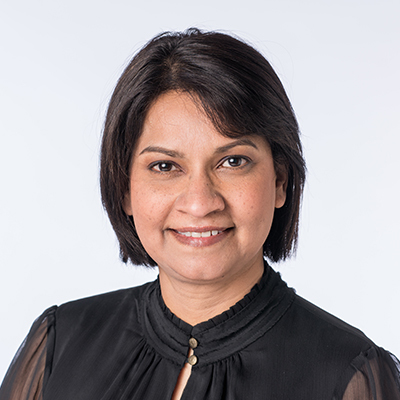
Sakshi Singh is a Research Fellow at the University of Oslo , affiliated with the Faculty of Medicine. She works in the Autophagy Research Group under Professor Anne Simonsen, focusing on lipid-binding proteins and their role in autophagy-related disease mechanisms. Current research: Molecular mechanisms of autophagy and mitochondrial bioenergetics Key projects: AUTOLIPID (linking lipid metabolism to autophagy) Methodologies: Complex networks analysis, protein regulation studies Recent publications reveal expertise in mitophagy regulation, lipid-protein interactions, and extracellular matrix dynamics. Awards include the prestigious Scientia Fellowship . Primary email: sakshi.singh@medisin.uio.no Research collaborations: International multidisciplinary teams Active in advancing understanding of autophagy's role in neurodegenerative and metabolic diseases through mechanistic studies and translational research.
Professor Lucie Clapp is Professor of Vascular Physiology at University College London (UCL), Institute of Cardiovascular Science, and currently serves as Head of Pre-clinical & Fundamental Science and Deputy Director of the Institute. She has been a faculty member since 1996, progressing from Senior Lecturer to Reader (2002) and full Professor (2005). From 2015 to 2021 she was an elected professorial member of UCL Council. Education: PhD, University of London (1985) BSc (Pharmacology, 2:1), University of Bristol (1981) Post-doctoral fellowship & Instructor in Physiology, University of Massachusetts Medical School, USA (1985-1988) Research Interests: Professor Clapp’s work converges on vascular physiology, pulmonary hypertension, prostacyclin signalling and ion-channel pharmacology . Her laboratory deciphers the biophysical properties of vascular potassium channels and their roles in septic shock, vascular remodelling and pulmonary arterial hypertension (PAH). She explores prostacyclin analogues at membrane and nuclear receptors, with emphasis on PPARγ-mediated pathways and novel receptor targets. Complementary studies focus on circulating biomarkers, mitochondrial dynamics and calcineurin regulation of K ATP channels in smooth muscle. Publication Trends: Across 178 outputs, recent work (2020-2025) centres on prostacyclin mimetics, GPCR pharmacology, microRNA regulation, epigenetic therapeutics and liquid-biopsy biomarkers for cancer and cardiovascular disease, reflecting a seamless integration of fundamental pharmacology with translational medicine. Scientific Awards & Fellowships: Howard Sprague Fellowship, American Heart Association (AHA) Career Development Award, Wellcome Trust Senior Fellowship, Medical Research Council (1996-2006) Fellow, American Heart Association (2001) Fellow, Pulmonary Vascular Research Institute (2010) Fellow, Royal Society of Biology (2011) AstraZeneca Prize for Women in Pharmacology, British Pharmacological Society (2017) Advancement of Learning and Teaching Award, UCL (2013) Teaching, Advising & Grants: Professor Clapp is a passionate educator and mentor. She founded and directs the iBSc in Cardiovascular Science for 3rd-year medical students, leads the Heart & Circulation module (PHOL0007) and lectures on multiple BSc, MSc and PhD programmes. Since 2009 she has co-organised and mentored on the British Heart Foundation 4-year PhD scheme. She has secured long-term funding from the MRC, Wellcome Trust, United Therapeutics and other biotech partners, and has served on editorial boards ( British Journal of Pharmacology , 2009-2015) and grant-review panels worldwide. Labs & Consortia: She heads a vibrant laboratory within the Centre for Cardiovascular Physiology & Pharmacology , Rayne Building, and spearheads the UCL-wide Pulmonary Arterial Hypertension Consortium , uniting clinicians and scientists across affiliated hospitals. This network feeds into the national BRIDGE cohort study and the international Pulmonary Vascular Research Institute (PVRI) , where she sits on the Preclinical & Molecular Science Task Force.
Dr. Chantal Donovan is an Honorary Lecturer at the University of Newcastle's School of Biomedical Sciences and Pharmacy and an NHMRC Early Career Post-doctoral Fellow (Peter Doherty Biomedical Fellow) with the Priority Centre for Healthy Lungs. She is a key member of Professor Phil Hansbro's renowned respiratory medicine research team based at the Hunter Medical Research Institute in Newcastle, Australia. Her work focuses on understanding the pathogenesis of lung diseases and identifying novel therapeutic targets. Dr. Donovan completed her PhD in the Department of Pharmacology and Therapeutics at the University of Melbourne (January 2012-April 2015) and earned her Bachelor of Science (Honours) with first class honors from the same institution. Prior to joining Newcastle, she completed postdoctoral training at Monash University and received additional training under precision cut lung slice expert Professor Michael Sanderson at the University of Massachusetts Medical School in the USA. Her research specializes in respiratory medicine with particular expertise in asthma, COPD, airway remodelling, and the role of IL-33 and iron metabolism in lung diseases. Dr. Donovan is highly skilled in mouse models of respiratory disease (allergic, bacterial, viral, cigarette smoke), assessment of lung function (whole lung mechanics, DLCO, large airway organ bath, small airway myography, precision cut lung slices), and molecular biology techniques. She has played an integral role in advancing precision cut lung slice methodologies in Australia. Analysis of Dr. Donovan's recent publications (2023-2025) reveals a strong focus on molecular mechanisms of respiratory diseases, particularly examining airway remodelling, sex differences in asthma, the gut-lung axis, environmental impacts on respiratory health, and novel therapeutic targets. Her work increasingly incorporates multi-omics approaches including transcriptomics and spatial analysis to understand disease mechanisms at a deeper level. British Pharmacological Society/ASCEPT Outstanding Young Investigator Award (2016) Finalist in the Young Investigator Award (TSANZ, 2014) Garth McQueen oral presentation prize for best PhD student (ASCEPT, 2012) NHMRC Early Career Fellowship Over $500k in competitive grants and fellowships Prestigious international travel awards from American Thoracic Society Dr. Donovan has secured significant research funding including an NHMRC Early Career Fellowship to investigate IL-33's role in lung diseases and potential new treatments. She has presented 25 abstracts as first/last author and 15 as co-author at national and international conferences. As a passionate science communicator, she participated in Science Meets Parliament in Canberra in 2017 to advocate for respiratory research funding. Based at the Hunter Medical Research Institute, Dr. Donovan works within Professor Phil Hansbro's world-leading respiratory medicine research center. Her laboratory focuses on experimental models of asthma, COPD, and asthma-COPD overlap, with particular emphasis on airway remodelling mechanisms. The team utilizes advanced techniques including precision cut lung slices, spatial transcriptomics, and comprehensive lung function assessment to investigate novel therapeutic targets for currently untreatable aspects of chronic respiratory diseases.
Dr. Felipe Karam Teixeira is a University Assistant Professor and Group Leader in the Department of Genetics at the University of Cambridge. His research focuses on the molecular mechanisms controlling germline stem cell biology, particularly in Drosophila as a model system. His work bridges developmental biology, genetics, and epigenetics to understand how germline cells maintain their unique properties across generations. Dr. Teixeira's research interests include: Genetic and molecular mechanisms controlling germline stem cell behavior Protection of totipotency in vivo Translational control of gene expression during stem cell development Transposable elements and their regulation in the germline Epigenetic inheritance and genome evolution His laboratory uses a multidisciplinary approach combining developmental biology, genetics, genomics, and evolutionary analyses to uncover fundamental principles of germline biology. Recent work has revealed critical insights into ribosome biogenesis, protein synthesis control, and transposon regulation during germline development. Dr. Teixeira has received notable recognition including the GE & Science Magazine Prize for Young Life Scientists in 2011 and a Wellcome Trust/Royal Society Sir Henry Dale Fellowship. His research group includes several postgraduate students working on various aspects of germline biology: Tharini Ravindra Kumar Valeriia Nadmitova Pío Sierra Yanbo Tan
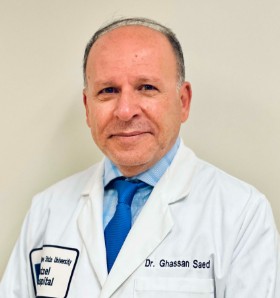
Ghassan Saed is an Associate Professor of Obstetrics and Gynecology at Wayne State University, with a focus on translational research at the CS Mott Center for Human Growth and Development. His work bridges molecular biology and clinical applications in reproductive health. Director of Translational Research, CS Mott Center Teaching roles in Physiology and Biological Sciences departments PhD advisor in Reproductive Sciences Program Research centers on molecular mechanisms of tissue fibrosis and ovarian cancer, particularly oxidative stress dynamics. Key projects include: Development of ex-vivo adhesion models Investigation of hypoxia as fibrosis trigger Identification of ovarian cancer biomarkers Comparative analysis of malignant vs. benign overgrowth Publications span 2004-2025, emphasizing: Postoperative adhesion pathogenesis Ovarian cancer metastasis mechanisms Oxidative stress regulation Molecular diagnostic tools Teaching includes courses in: Cancer biology in reproductive organs Biomolecular techniques Reproductive endocrinology Doctoral research and thesis guidance Laboratory techniques integrate cell culture, animal models, and advanced molecular profiling for clinical translation.