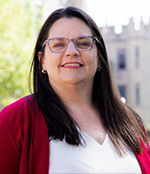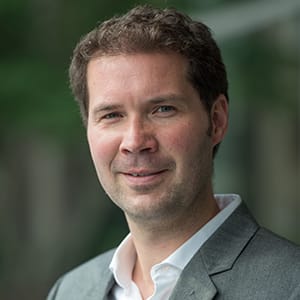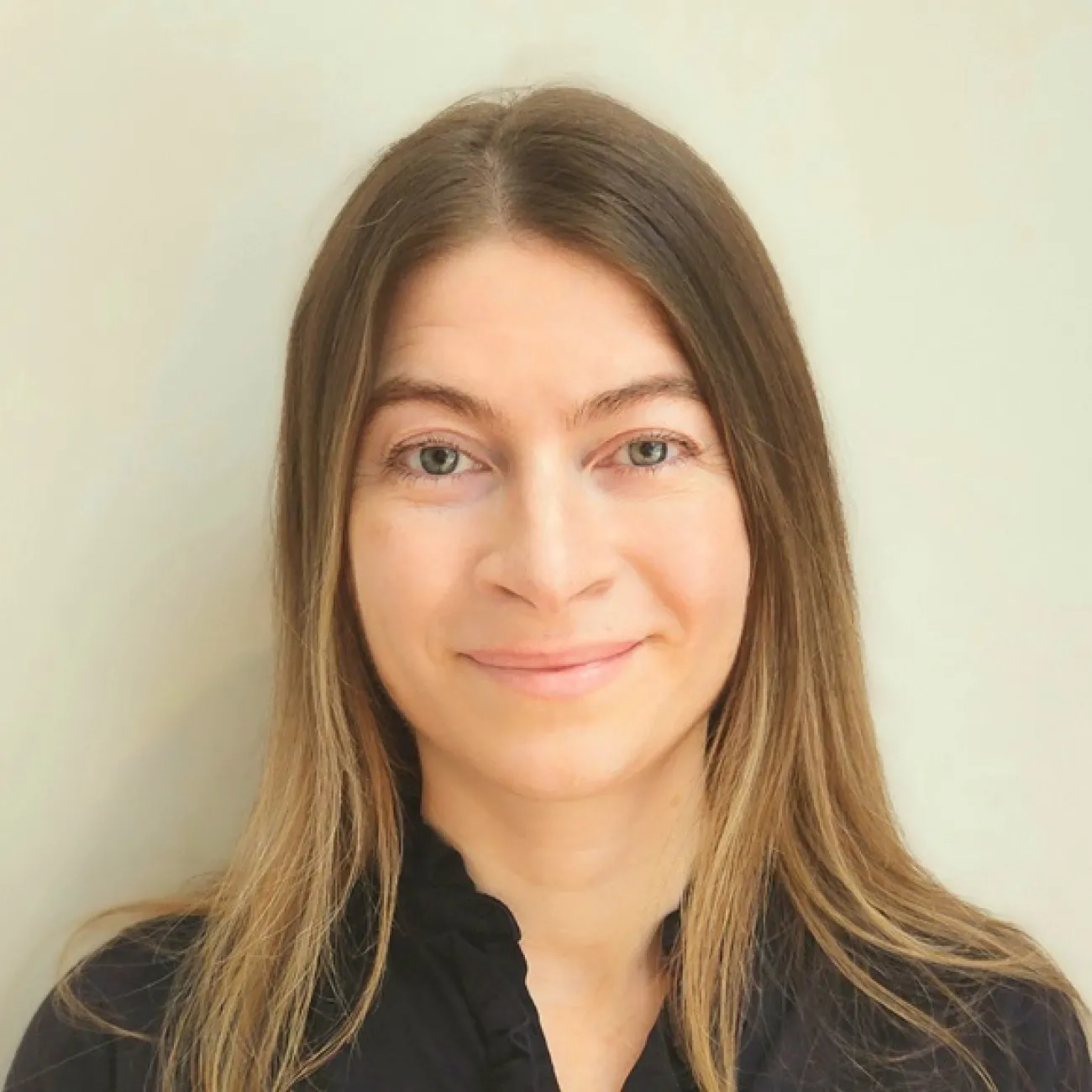
Jean Kjellstrand is an Associate Professor in the Counseling Psychology program at the University of Oregon College of Education, with additional appointments in Couples and Family Therapy, Family and Human Services, and Prevention Science. Her research focuses on positive youth development and interventions for children in vulnerable situations, particularly those affected by parental incarceration. Dr. Kjellstrand's educational background includes: PhD in Social Work from Portland State University MSW in Social Work (Mental Health concentration) from the University of Wisconsin BA in Mathematics with a minor in Education from Carleton College Her research centers on the impact of parental incarceration on children, examining risk transmission mechanisms and developing interventions to support families during and after incarceration. As a prevention scientist, she employs mixed methods to study individual, family, and community factors, informed by her prior career as a social worker. Recent publications (2021-2024) highlight her focus on social support during reentry, gender and racial equity in programming, and the effects of the COVID-19 pandemic on foster care alumni. Her work integrates criminology, psychology, and public health to address systemic inequities. Dr. Kjellstrand's scientific awards include: Fulbright U.S. Scholar, Tampere, Finland (2023-2024) Excellence in Teaching Award, College of Education, University of Oregon (2020-2021) NIMH Child Intervention, Prevention, and Services (CHIPS) Fellow (2013) Fulbright Scholar, Umeå, Sweden (2007-2008) She mentors doctoral students in Counseling Psychology and Prevention Science, though not accepting new students for 2026-2027. Her grant portfolio includes NIH-funded research on parental incarceration and community-based participatory projects. She has secured fellowships from NIMH, NIH, and Fulbright to advance intervention development. Dr. Kjellstrand collaborates with community organizations and correctional facilities through a participatory framework to develop family-focused interventions. Her research team includes graduate students and community partners dedicated to improving outcomes for children of incarcerated parents.