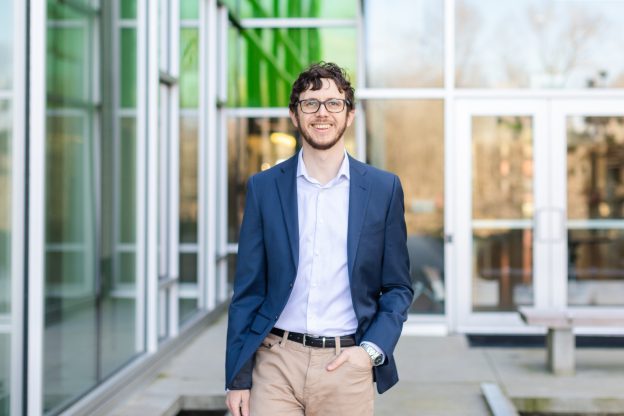
Samuel Peter Beswick is an Assistant Professor at the University of British Columbia Peter A. Allard School of Law. His research focuses on private law, tort law, unjust enrichment, remedies, and legal theory, with an emphasis on temporal doctrines and the rule of law in public authority liability. He has edited two open-access publications: Tort Law: Cases and Commentaries and the Common Law Torts Wiki , contributing to accessible legal education. Education: BCom, LLB (Hons.) from the University of Auckland; LLM and SJD from Harvard Law School. Previous Roles: Teaching positions at Harvard, King’s College London, and the University of Auckland; postdoctoral fellow at Harvard’s Project on the Foundations of Private Law; litigator and clerk in the High Court of New Zealand. His scholarship addresses judicial law-making, retroactivity, and comparative common law reasoning. Notable awards include the Frank Knox Memorial Fellowship, Peter Brooks Saltonstall Scholarship, and the New Zealand Ministry of Justice Article Prize. Dr. Beswick teaches courses on torts, restitution, and time in law, with a focus on equality under law and cross-jurisdictional analysis.
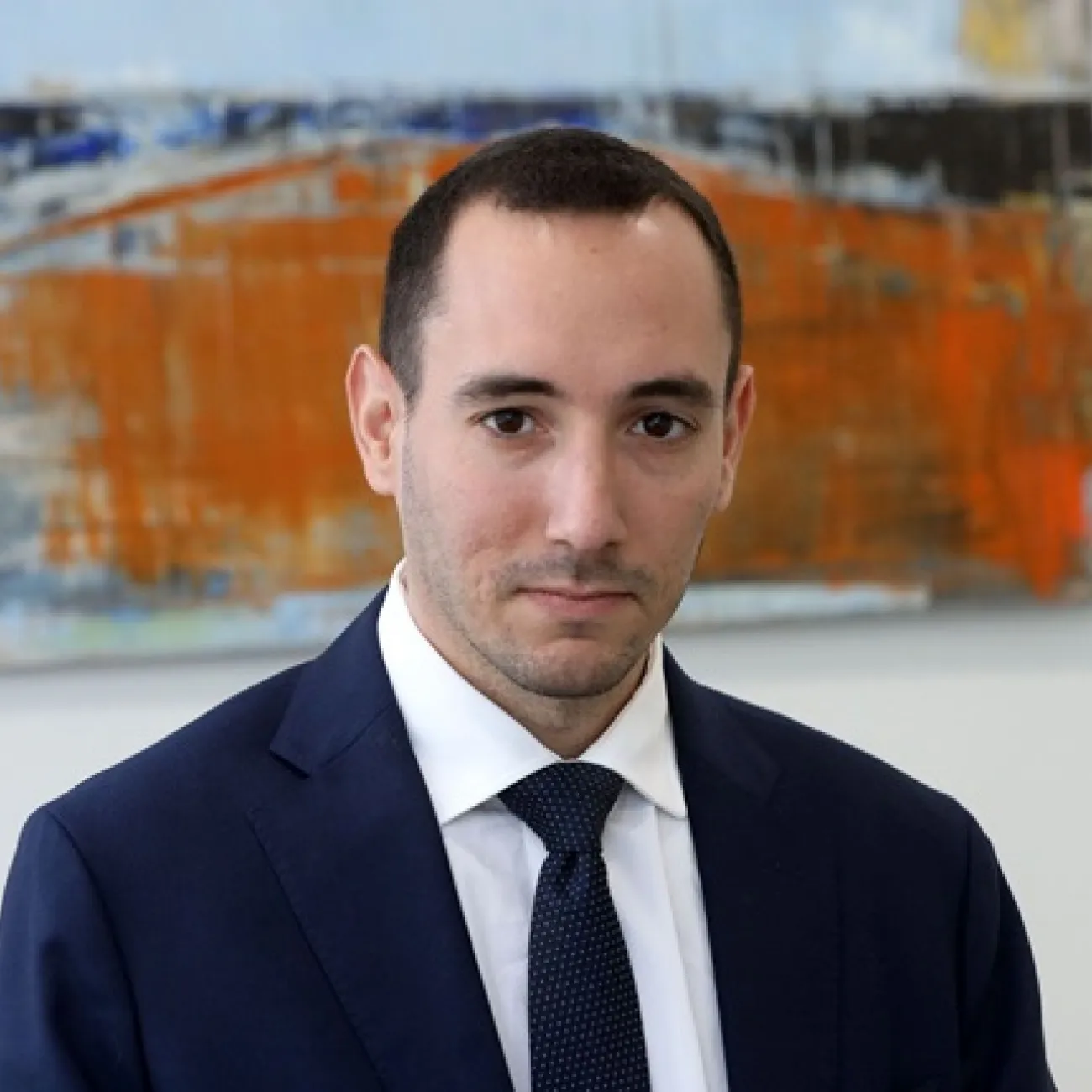
Dr Michail Risvas serves as a Lecturer in Law at Southampton Law School, University of Southampton, specializing in international arbitration, public international law, and international economic law. He joined the institution in 2021 after serving as Assistant Professor of International Law at IE Law School in Madrid (2018-2021) and practicing at an international law firm in Paris (2014-2018). His educational background includes a Bachelor's degree in Law from the University of Athens and advanced qualifications from the University of Oxford, comprising a doctorate and two Master's degrees in international law. Risvas maintains active research in public international law, WTO law, and international dispute settlement, with particular focus on discrimination principles in investment arbitration. His current major project involves completing a monograph on "Discrimination in International Investment Treaty Arbitration" for Oxford University Press. His scholarly output demonstrates consistent engagement with evolving challenges in international economic governance and cultural heritage protection. Analysis of his publication record reveals dominant themes in investment arbitration jurisprudence (60%), with significant contributions to cultural heritage law (25%) and WTO dispute settlement (15%). His work consistently bridges theoretical frameworks with practical arbitration challenges, showing particular expertise in jurisdictional issues and non-discrimination principles across multiple international legal domains. PhD Supervision: Currently advising five doctoral candidates on topics including international trade law, investment arbitration, and cultural heritage protection Professional Practice: Extensive experience as counsel in ICSID, UNCITRAL, LCIA, and ICC arbitration cases across banking, defense, gaming, and natural resources sectors Arbitrator Roles: Listed with European Commission, OHADA, CAfA/NAI, and DIAC Risvas contributes to two major research centers at Southampton: the Centre for International Law and Globalisation and the Centre for Private and Commercial Law, where he collaborates on projects examining the intersection of international economic law and cultural heritage protection in post-colonial contexts.
Dr. Jessica Begon serves as Associate Professor in Political Theory at Durham University's School of Government and International Affairs, with cross-appointments at Durham CELLS (Centre for Ethics and Law in the Life Sciences), the Institute for Medical Humanities, and the Wolfson Research Institute for Health and Wellbeing. Her educational foundation includes a PhD from the University of Sheffield completed in 2015, where her dissertation 'Policy without Paternalism: A Capability Approach to Legitimate State Action' established her research trajectory. Prior academic positions include Postdoctoral Prize Research Fellowship at Nuffield College, Oxford (2015-2018), and appointments at the University of York and University of Sheffield. Begon's scholarship centers on the intersection of disability, justice, and political theory, critically examining how public policy can address disability without paternalism. Her work spans theoretical foundations of harm and disability to practical policy questions regarding entitlements and implementation, consistently employing the capability approach while increasingly incorporating epistemic injustice frameworks. Key contributions include reconceptualizing adaptive preferences in disability contexts and analyzing media representations through epistemic injustice lenses. Her publication pattern reveals deepening specialization in disability justice since 2015, with recent work (2021-2025) showing heightened focus on epistemic dimensions and policy applications. The monograph 'Disability Through the Lens of Justice' (2023) represents a significant theoretical consolidation, while articles like 'Disadvantage, Disagreement, and Disability' (2024) demonstrate ongoing methodological innovation. Professional recognition includes: Postdoctoral Prize Research Fellow, Nuffield College, University of Oxford (2015-2018) Begon actively supervises doctoral researchers including Amal Anaam, with her mentorship informed by interdisciplinary engagement across ethics, law, and health humanities. Current research extends her capabilities framework to contemporary policy challenges while maintaining critical vigilance against paternalistic tendencies in public health interventions. Her institutional affiliations with Durham CELLS and the Wolfson Institute facilitate collaborative work on ethics in life sciences and health policy, positioning her research at the vital nexus of political theory and practical justice concerns.
Professor Anna Tunia is a distinguished scholar at the Catholic University of Lublin (KUL), where she serves in the Department of Religious Law within the Faculty of Law, Canon Law and Administration. Having graduated from KUL herself, she has built an impressive academic career spanning decades, earning her doctorate in law in 2006 and a postdoctoral degree in 2015. As a professor at her alma mater, she represents the institution's strong tradition in legal scholarship with particular expertise in religious law and related fields. Professor Tunia's research interests focus primarily on religious law, petty offense law and procedure, and road traffic law. Her work explores the intricate relationship between religious associations' internal law and Polish legal system, with special attention to religious forms of civil marriage, petty offenses as instruments for protecting religious freedom, and legal aspects of religious pilgrimage tourism. Her scholarship demonstrates how religious law intersects with various domains of secular legal regulation, creating a unique bridge between canon law and civil jurisprudence. Her extensive publication record reveals consistent scholarly productivity with particular emphasis on the legal frameworks governing religious associations, marriage law, and petty offense procedures. Professor Tunia's work shows increasing engagement with European human rights standards and their influence on Polish religious law. Her recent publications demonstrate sophisticated analysis of contemporary challenges in balancing religious freedom with state regulatory interests, particularly in areas like marriage registration, religious processions, and protection of religious minorities. Bronze Medal for long service awarded by the President of the Republic of Poland (2017) Professor Tunia has served as a grant manager and executor in religious law research and effectiveness of the justice system. She acts as a reviewer for academic journals and monographs in religious law, provides expert opinions for public entities on religious law matters, and moderates professional training courses on legal provisions application. Her work bridges academic scholarship with practical legal implementation, making significant contributions to both theoretical understanding and practical application of religious law in contemporary legal systems.
Aneta Abramowicz is an Assistant Professor at the Department of Religious Law, Faculty of Law, Canon Law and Administration of the Catholic University of Lublin. Her academic work focuses on Religious freedom and equality of religious organizations ECtHR jurisprudence on Article 9 ECHR State-Church relations in Poland and Europe Legal aspects of religious education and charitable activities Education : Master of Laws (2005) - thesis on EU legal order and religious freedom PhD in Law (2012) - thesis on equality of religious associations in Polish law Her research intersects international human rights law and national legal frameworks, particularly analyzing Constitutional principles of religious equality Taxation policies for religious institutions Prison conditions and religious practices Pandemic-era legal challenges to religious freedom Her publications and conference activities emphasize the application of the European Convention on Human Rights to religious rights, comparative analyses of European legal systems, and reforms in Polish confessional law. She is a regular member of the Polish Society of Religious Law and has co-organized events like the 11th National Symposium on Religious Law (2014) and the International Conference 'Religion in Floating Territories' (2014).
María Esther Carrizosa Prieto is a Professor in the Private Law Department at Universidad Pablo de Olavide, specializing in Labour and Social Security Law. She leads the research group "Citizenship in the Company: Fundamental Rights in the Workplace" and is affiliated with the Doctoral Program on Welfare State and Social Rights. She earned her doctorate from Universidad Pablo de Olavide in 2007 with a thesis on "Freedom of Association Rights and Principle of Equality," supervised by Dr. Fermín Rodríguez-Sañudo Gutiérrez. Professor Carrizosa's research focuses on labor law, social security systems, and fundamental rights in the workplace. Her work examines how legal frameworks adapt to contemporary challenges including digital transformation, atypical work arrangements, and disability inclusion. She has conducted extensive research on telework regulation, particularly analyzing Ibero-American approaches during and after the pandemic. Her scholarship also addresses employment policies, vocational guidance systems, and the protection of vulnerable workers including those with disabilities or health conditions. Her recent publications reveal a strong focus on the intersection of labor law and digital transformation. She has examined telework regulation across Ibero-American countries, analyzed Spain's approach to remote work, and studied the implications of digital monitoring on workers' privacy. Additionally, she has investigated how social protection systems respond to atypical work arrangements and how vocational guidance can enhance employability in the digital age. Her work consistently connects theoretical legal analysis with practical policy recommendations. Professor Carrizosa has made significant contributions to understanding collective bargaining in Andalusia, the regulation of fixed-term contracts in Spain, and the integration of transversal competencies in university education to improve graduate employability. Her research often bridges legal scholarship with educational innovation, as seen in her work on gamification in legal education and flexible learning approaches.
Luana Parisi is a Senior Lecturer in Construction Management & Engineering at the University of East London within the School of Architecture, Computing and Engineering. She leads the BSc Construction Management, Quantity Surveying, and FdSc Civil Engineering programs, teaching advanced sustainable technologies and construction management. PhD in Urban Regeneration and Economic Development MArch in Architecture Senior Fellow of the Higher Education Academy (SFHEA) Her research spans urban regeneration, sustainability, smart cities, and gender equity in the built environment. She focuses on circular economy principles, offsite construction, and the role of micro-enterprises in urban development. Recent work includes AI integration in sustainable design, modular construction for housing crises, and gender-inclusive regeneration strategies. She contributes to Q1 journals and international conferences, emphasizing climate resilience and supply chain dynamics. Senior Fellow of the Higher Education Academy (SFHEA) She collaborates with global institutions, serves as an External Examiner, and leads initiatives like Athena Swan. Her industry experience includes architectural roles in Italy, the Netherlands, and the UK.
Dr Marisa McVey is a Lecturer in Law at Queen's University Belfast and a Fellow of the Senator George J. Mitchell Institute for Global Peace, Security and Justice. She holds a LLB in Law and Politics and a LLM in Business and Human Rights (both from QUB), MRes in Management/Business and a PhD in Management (University of St Andrews). Her previous experience includes postdoctoral fellowships at both the University of St Andrews and Aston Law School, in addition to working at a national human rights institution on policy and research. Her educational background includes: LLB in Law and Politics from Queen's University Belfast LLM in Business and Human Rights from Queen's University Belfast MRes in Management/Business PhD in Management from University of St Andrews Dr McVey's expertise lies at the intersection of business and human rights. Her research critically examines current and potential mechanisms of corporate accountability for human and environmental rights, and imagines alternatives for a just transition to a sustainable and equitable society. She is currently working on projects related to human rights due diligence (HRDD) practices, emerging technologies and human rights, and corporate liability for climate change and environmental injustice. Other projects include applying a feminist lens to business and human rights, and interrogating the commodification of health and wellness practices by corporations. Her recent scholarly output demonstrates a clear trend toward examining business and human rights in practical contexts, with a particular focus on implementation challenges. She has published extensively on human rights due diligence mechanisms, corporate accountability for climate change, and the practical application of the UN Guiding Principles on Business and Human Rights in various jurisdictions including Northern Ireland and Scotland. Her work often bridges academic research with practical policy implementation. Dr McVey has received recognition for her scholarly contributions: Faculty Research Initiative Funding (2024) Dr McVey actively engages with students and practitioners through her role as Director of the Exploring Law Forum (ELF) at QUB Law School, which empowers students to think creatively and critically about the law. She has secured research funding for projects including the NI Business Human Rights Index and has collaborated with numerous organizations including NGOs, civil society groups, stewardship organizations, and regulators. Her research impact extends beyond academia through authorship of reports, policy briefings, blogs, and online articles aimed at practitioners and the public sphere. She is actively involved with several research networks and professional organizations including the MAGGI Research Group at the Max Planck Institute, the Centre for Sustainability, Equality and Climate Action at QUB, the Centre For Social and Environmental Accounting Research, the Global Business and Human Rights Scholars Association, the Socio-Legal Scholars Association, the Society of Legal Scholars, and the Global Network for Human Rights and the Environment.
Assoc. Prof. Dr. Denitsa Vasileva Uzunova is an Associate Professor at the Department of Philosophical Sciences, Faculty of Philosophy, St. Cyril and St. Methodius University of Veliko Turnovo in Bulgaria. She has been actively contributing to the academic community through research, publications, and project leadership, with a focus on philosophy, gender studies, and ethics. Her research interests span multiple areas of philosophy, with particular focus on History of philosophy (including Russian religious philosophy and German classical philosophy), Philosophy of modern times , Philosophy of religion , Philosophical anthropology , and Thanatology . More recently, her work has expanded significantly into Gender studies , particularly examining women's roles in academia and science. Her research demonstrates a consistent engagement with existential questions surrounding death, grief, and human experience, while also addressing contemporary social issues through philosophical analysis. Analysis of her recent publications reveals a clear trajectory of scholarly development. Early work focused on traditional philosophical areas such as Russian religious philosophy and German Romanticism, while more recent publications show an increased emphasis on gender studies, particularly examining women's contributions to science and academia. Her work on "Gender differentiation in the academic environment" represents a significant research direction that combines philosophical inquiry with sociological analysis. Dr. Uzunova has been actively involved in multiple research projects, including: "Повишаване на качеството и изследователския потенциал чрез модернизиране на Лабораторията по приложна академична етика" (Improving quality and research potential through modernization of the Laboratory for Applied Academic Ethics) as team leader "История на българската обществено-хуманитарна мисъл" (History of Bulgarian socio-humanitarian thought) series of projects "Полова диференциация в академичната среда" (Gender differentiation in the academic environment) as project leader She has also been instrumental in establishing the "Laboratory for Applied Academic Ethics" at the University, which has become an important center for research on gender issues in academia, academic ethics, and career perspectives. The laboratory publishes the journal "Ethics, Science, Education" twice a year.
Igor Vyacheslavovich Levakin is a Professor at the Department of Legal Theory and Comparative Law within the Faculty of Law at the National Research University Higher School of Economics (HSE). He joined HSE in 2023 after holding academic positions at MGIMO, RANEPA, and Mordovian State University. Levakin holds a Doctor of Law degree (2003) and the academic title of Professor (2005), with specialized training in anti-corruption frameworks and digital education methodologies. His research focuses on interdisciplinary legal studies spanning: Sociological jurisprudence examining law as a cultural phenomenon Philosophical foundations of legal anthropology Comparative constitutional development Economic sovereignty frameworks Marxist legal theory applications Publication analysis reveals strong emphasis on historical-comparative methods, with recent works exploring constitutional reforms, juridical humanism, and technological impacts on legal systems. Primary disciplinary intersections include political theory, economics, and social philosophy. Levakin currently advises graduate researchers on topics including artificial intelligence jurisprudence and Marxist equality theory. His extensive teaching portfolio covers core legal theory courses and specialized seminars in sociological jurisprudence.
Michiel Duchateau is a Lecturer in Constitutional Law at the Faculty of Law, University of Groningen. His research focuses on the Europeanisation of constitutional law and the competence of courts in constitutional review, particularly addressing sovereignty, federalism, and vertical power divisions. Education: PhD (2014) on the European Parliament's representative position; specialization in Constitutional and Administrative Law (2005). Research interests span sovereignty conflicts between EU and national law, judicial review powers, and democratic representation frameworks. His recent work examines legislative control mechanisms, proportionality in law, and digital governance challenges. Key publications include analyses of Dutch constitutional adaptations to EU law, judicial authority dynamics, and federalism theories. He has contributed to debates on formal legal principles and unwritten constitutional constraints. Scientific Awards: Nominated for the triennial dissertation award of the Dutch Staatsrechtkring (2015). Active in academic events like the 2018 Blockchain, Public Trust, Law and Governance conference, Duchateau engages with institutional trust, legal pluralism, and governance reforms in both national and EU contexts.
Ani Raiden is Associate Professor in Responsible Management at Nottingham Trent University , affiliated with the Nottingham Business School and its Department of Management . With academic roles since 2007 and prior industry experience at Eircom, she combines theoretical rigor with practical expertise in construction management, social value, and organizational behavior. Course Leader: MSc Management suite Teaching: Organizational Behavior, Social Value Supervision: PhD/Doctorate students in social value, construction safety, and organizational change Research Interests focus on strategic construction industry issues, particularly: Social value creation and measurement Quality of working life Organizational change dynamics Gender and diversity studies Work-life balance Sustainable development goals (SDGs) Recent publications address social sustainability , productivity-sustainability nexus , and ethnographic approaches to construction research. Her work appears in Buildings & Cities , Construction Management and Economics , and ICE Engineering Sustainability . Scientific Recognition : Senior Fellow, Higher Education Academy Chartered Member, CIPD Immediate Past Chair, ARCOM Carbon Literacy Project Certified Trainer International Engagement spans academic roles in UK, Germany, and Bahrain, with supervision of students from Africa, Europe, North America, and Middle East. She examines doctoral theses at UCL, Leeds, and Aalborg University.
Cristina Caricato is an Associate Professor at the Department of Political Science, Sapienza University of Rome, specializing in Family Law and Private Law. She has been teaching at Sapienza since 2006, initially as a fixed-term researcher, then confirmed as a university researcher in 2010, qualified for Associate Professor in 2012, and officially appointed to this position in November 2021. Her academic journey includes: 1993: Laurea in Giurisprudenza (Law degree) from Sapienza University of Rome 2000: PhD in Law from University of Catania Professor Caricato's research focuses on the evolving landscape of family law, particularly examining how traditional legal frameworks are adapting to contemporary social realities. Her work explores the privatization of family law, gender-based violence from legal perspectives, children's rights in modern contexts, and the intersection of new technologies with personal and family rights. She has extensively analyzed how legal systems address non-traditional family structures, transgender rights, and the protection needs of vulnerable groups such as the elderly and minors. Her scholarly contributions reveal a consistent emphasis on the tension between individual autonomy and legal regulation within family contexts. A significant portion of her work examines how civil law systems across Europe are adapting to social changes, with particular attention to Italian law's evolution in areas like registered partnerships, transgender rights, and the legal recognition of diverse family forms. Her research demonstrates a methodological approach that combines doctrinal analysis with comparative perspectives. Professor Caricato has received recognition through her membership in prestigious legal societies: Ordinary member of SISDiC (Italian Society of Civil Law Scholars) since 2004 Corresponding member of the Italian Civilists Association since 2014 Her academic service includes membership in doctoral faculty committees and editorial boards of respected legal journals. She has directed multiple research projects funded by Sapienza University, including significant work on gender-based violence, the privatization of family law, and children's best interests during health emergencies like the COVID-19 pandemic. Professor Caricato also contributes to professional development as a faculty member of the Higher School of the Magistracy since 2022 and the Higher School of Advocacy since 2024. She actively participates in research groups focused on child rights protection, serving at the Interdepartmental Center for the Protection of Minors' Rights at Sapienza University since 2020.
Ayşe Havutçu is a Professor at the Faculty of Law, Izmir University of Economics , where she has been employed since January 2022. Previously, she served as permanent staff at Izmir Yasar University Faculty of Law (2011–2021), Dokuz Eylul University Faculty of Law (1984–2006), and Galatasaray University Faculty of Law (1999–2001). She also held teaching roles at institutions like Cyprus Near East University and Istanbul Bilgi University . Education: Lisans (1984), Faculty of Law, Dokuz Eylul University Yüksek Lisans (Devre Mülk Hakkı), Ankara University Institute of Social Sciences, Department of Private Law PhD (İki Tarafa Borç Yükleyen Sözleşmelerde Borçlunun Temerrüdü nedeniyle Müspet Zararın tazmini), Ankara University Research Interests: Prof. Havutçu specializes in Law of Obligations , Liability Law , Family Law , Consumer Law , and General Transaction Conditions . Her work focuses on contractual default, comparative legal analysis, and consumer protection frameworks, particularly under Turkish and European legal systems. Article Trends: Her publications emphasize contractual obligations , consumer rights , and comparative legal studies , with recent works analyzing judicial precedents, forced marriage, and reforms in Turkish civil law. She has contributed extensively to textbooks and case law interpretations. Advising and Grants: She received a 14-month research grant from the DAAD (German Academic Exchange Program) and conducted post-doctoral research at the University of Münster under Prof. Dr. Wolfried Schüter. She has taught civil law at multiple institutions, expanding her academic influence beyond her primary affiliations.
Prof. Dr. Zeynep Şişli is a faculty member at the Faculty of Law , Izmir University of Economics , holding the academic rank of Professor since 2021. She previously served as an Assistant Professor (2009-2015) and Associate Professor (2015-2021) in the Department of Business Administration before transitioning to her current role in the Law Faculty. Education: Ph.D. in Labor Economics and Industrial Relations (2007), Dokuz Eylül University M.Sc. in Labor Economics and Industrial Relations (2002), Dokuz Eylül University J.D. (1985), Dokuz Eylül University Faculty of Law Her research focuses on Social Rights, Labor Law, Social Security Law, and Occupational Health and Safety Law , with a comparative analysis of legal frameworks between Turkey and the U.S. Her work often intersects with Human Rights Law , Gerontology , and International Labor Standards . Key trends in her 15 most recent publications (2000-2024) include: Comparative legal analysis of occupational health and safety systems Workplace protections for elderly and vulnerable workers Impacts of labor subcontracting and worker identity Healthcare labor rights and physician work conditions Legal frameworks for child labor and marriage State responsibilities in worker health under ILO conventions She has received the TUBİTAK 2219 grant for her research on occupational health and safety enforcement. Her international experience includes a Visiting Researcher role at the UCLA Institute for Research on Labor and Employment (2016-2017).